
In brief: The most common mistakes when using bungee cords are overstretching them, which weakens the material; choosing sharp-edged attachment points; ignoring material fatigue caused by UV radiation and age; using cords that are unsuitable for the load; and handling them unsafely, which can cause injuries. Correct use extends their service life and ensures safety.
Bungee cords are indispensable helpers in the workshop, garden and during transport. They hold tarpaulins in place, secure luggage in the boot or bundle garden hoses. But as simple as they seem to use, small mistakes can often lead to major problems. A torn tarpaulin, shifted load or even painful injuries are common consequences. The good news is that these mistakes are easy to avoid. We show you the five most common problems when using bungee cords and explain how to use them correctly.
A solid basic set-up is the first step towards greater safety. The bungee cord set for cargo nets, tarpaulins and luggage securing () offers versatile lengths for most everyday tasks. With these robust helpers, you are well equipped for many of the scenarios described here.
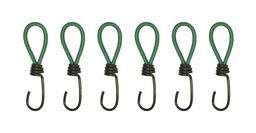
Mistake 1: Why should you never stretch bungee cords to their maximum?
The most common mistake is overstretching. A bungee cord that looks like a guitar string quickly loses its most important property: elasticity. Inside every cord is a core of rubber fibres that provides the tension. If you stretch this core beyond its limit, it undergoes permanent deformation. The fibres are permanently damaged and no longer return to their original shape.
The result is a drastic loss of tension. The bungee cord becomes slack and can no longer secure the load reliably. In the worst case, the weakened fibres suddenly snap under load. An object that seemed secure just moments earlier comes loose and becomes a projectile. This is a serious problem when securing loads on trailers or car roofs.
How to avoid overstretching
Always choose a bungee cord that, when unstretched, is only slightly shorter than the distance you need to bridge. As a rule of thumb, a bungee cord used for permanent securing should not be stretched by more than 50 % to 75 % of its original length. This means that a 50 cm cord should secure a maximum distance of 75 cm to 88 cm. This leaves enough elasticity to absorb movement and shocks without overloading the material.
The energy stored in an overstretched bungee cord is often underestimated. Material failure does not cause a slow release of tension, but an abrupt, whip-like discharge. Safety starts with choosing the right length.
Mistake 2: How can you identify safe attachment points for tie-down straps?
The strongest bungee cord is useless if its hook is attached in the wrong place. Many users hook cords onto the first available edge without checking whether it is suitable. Sharp metal or plastic edges are particularly dangerous. They act like a blade against the protective textile sheath and the rubber fibres underneath. The edge can wear through the cord in a short time, especially when the load vibrates during travel.
Unstable attachment points are just as problematic. A thin plastic trim panel, rusty sheet metal or a weak eyelet on a tarpaulin cannot withstand the pulling force. They break or deform, the hook comes loose and the entire securing system fails. Always check the anchor point for stability and the condition of its material.
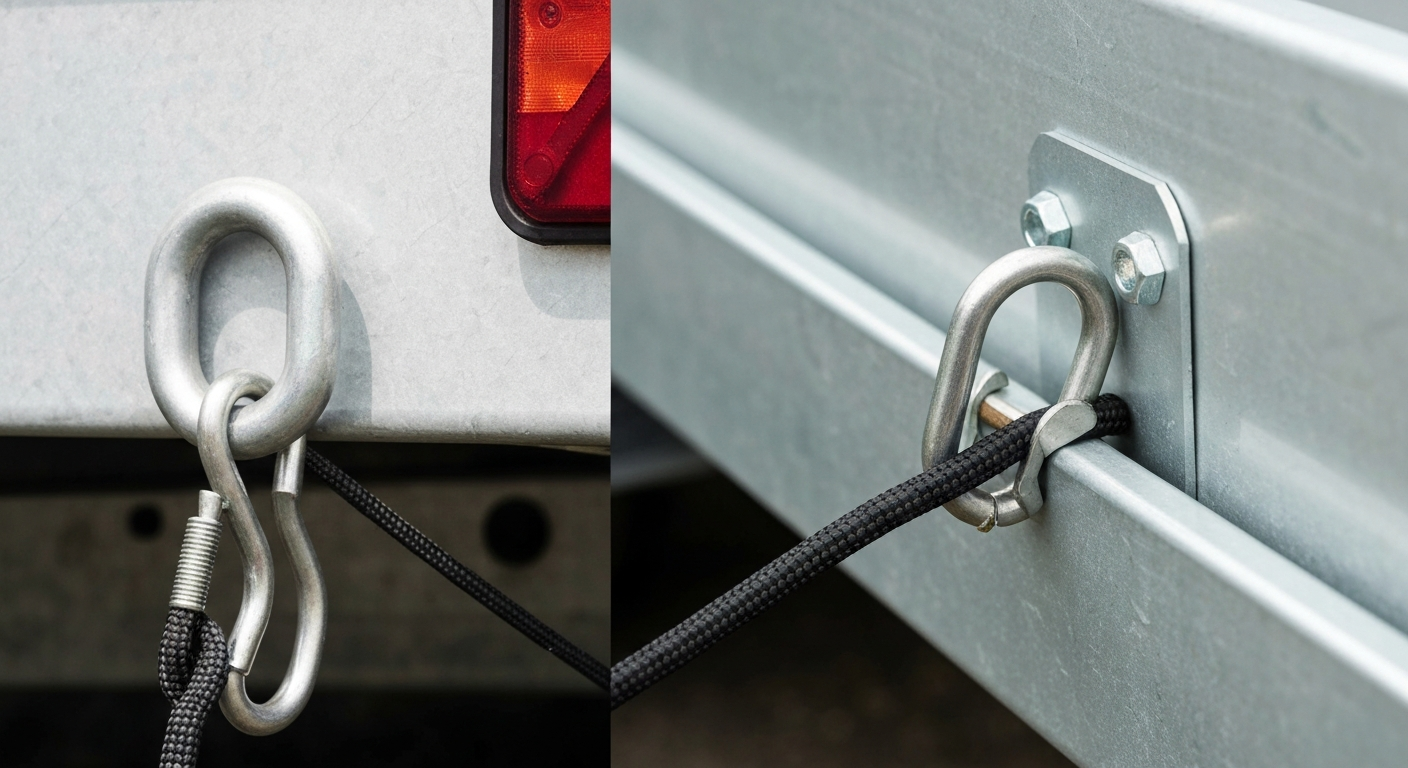
Choosing the right anchor point
Look for solid components that are firmly connected to the frame. On a trailer, these are the lashing eyes; on a car, parts of the frame or specially designed attachment points. The surface should be as smooth and rounded as possible to minimise friction. Avoid attaching hooks to cables, hoses or moving parts. A secure point will not give way under tension and will have no sharp burrs.
Pro tip
If you cannot find a rounded edge, create one yourself. Place a folded piece of thick fabric, a rubber edge protector or a piece of old carpet between the hook and the edge. This distributes the pressure and effectively prevents the cord from being worn through.
Mistake 3: How do sun and weather affect the safety of your bungee cords?
A bungee cord ages even when it is only sitting on a shelf. The material's biggest enemies are UV radiation, ozone and extreme temperatures. When used in the Garden + Outdoor area, for example to secure covers or sun sails, the cords are permanently exposed to these influences. The sun's UV radiation breaks down the long polymer chains in the rubber and textile sheath. The material becomes brittle and cracked and loses its flexibility.
This process is gradual and often only noticed when it is too late. A cord that reliably held a tarpaulin yesterday may snap today in the first gust of wind. Never blindly trust a cord that has spent several seasons outdoors without inspecting it thoroughly first.
Visual inspection before every use
Before every use, take a few seconds for a quick check. These signs indicate a worn bungee cord that must be replaced immediately:
- Frayed sheath: The textile sheath is not just a covering; it protects the rubber core. If it is damaged, the core is also at risk.
- Visible cracks: Stretch the cord slightly and bend it. If fine cracks become visible in the rubber, the structure has already been damaged.
- Reduced tension: If the cord feels noticeably “softer” than a new one, the rubber fibres have lost their strength.
- Discolouration: Heavy fading is a clear indication of intensive UV exposure and material fatigue.
- Rusty or bent hooks: Damaged hooks can break or slip under load.
Important note
A damaged bungee cord is a safety risk. Dispose of it immediately and replace it. The low price of a new cord never justifies the risk of an accident caused by material failure. It is best to cut it through so that it cannot be reused accidentally.
Error 4: Which bungee cord is right for my task?
Not every bungee cord is suitable for every task. Using a cord that is too long, too short or too weak will inevitably cause problems. A cord that is too long does not create enough tension to hold a load securely. The load may shift, and the hooks may come loose under vibration. Trying to shorten an overly long cord by tying knots creates a dangerous weak point.
A cord that is too short, on the other hand, encourages overstretching (Mistake 1). The material is overloaded and may fail prematurely. Choosing the wrong strength is just as critical. A thin luggage bungee is not designed to secure a heavy scaffolding tarpaulin () in strong winds. The forces at work here require more robust fastening solutions.
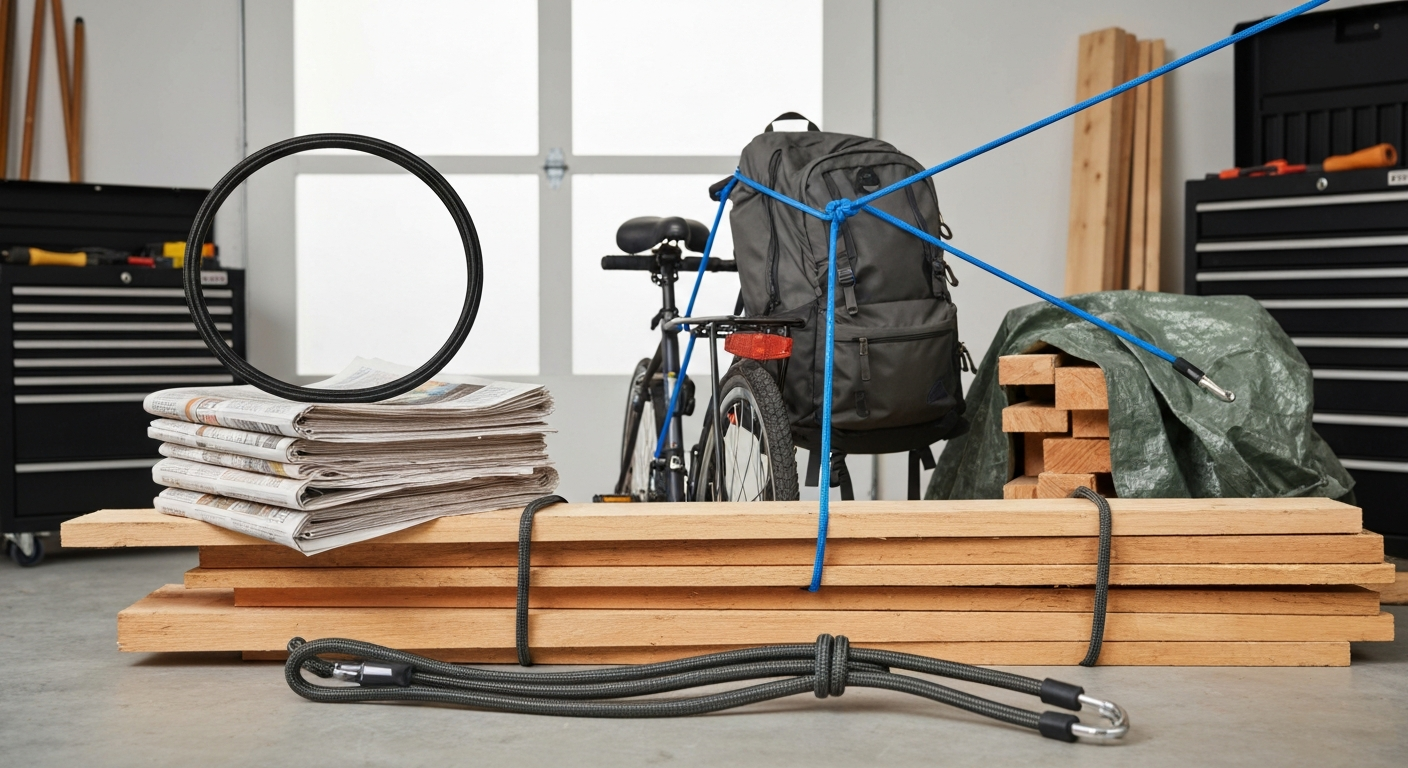
The right tool for the job
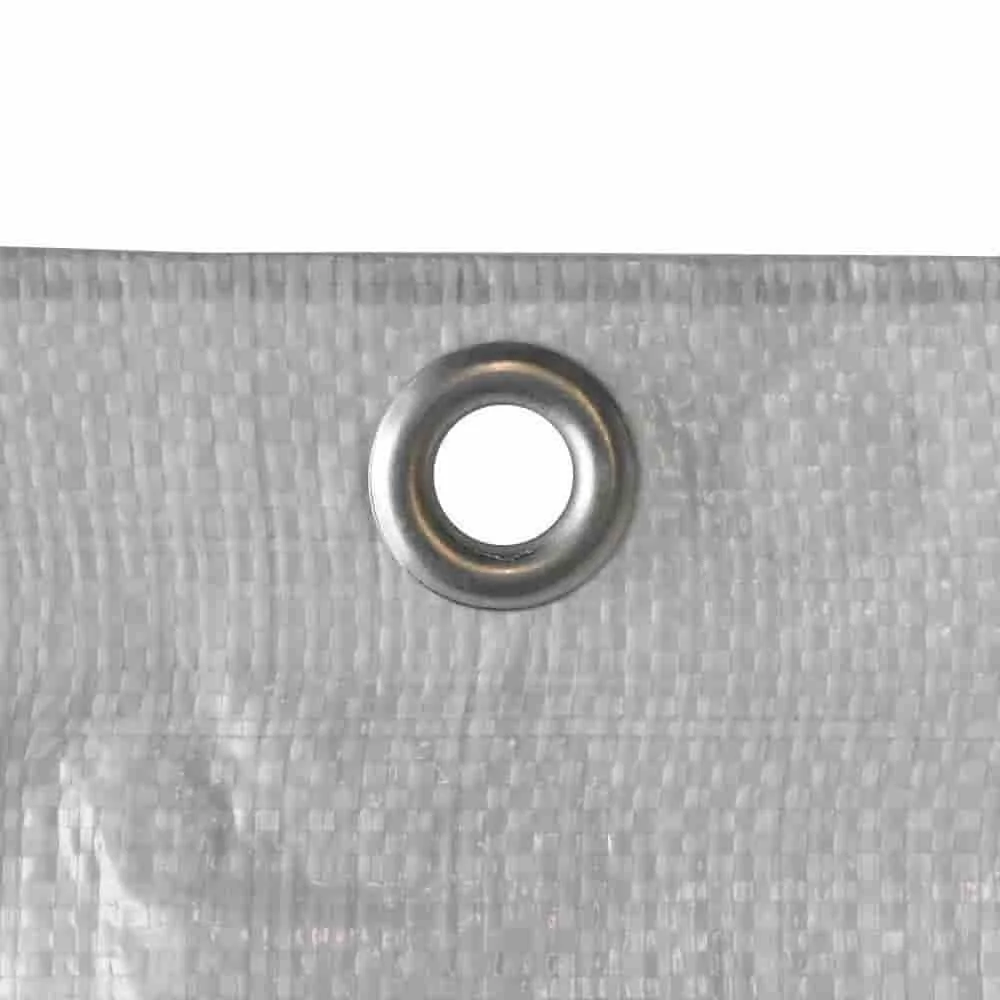
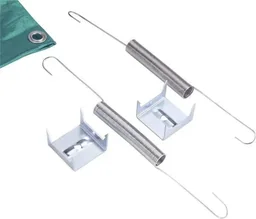
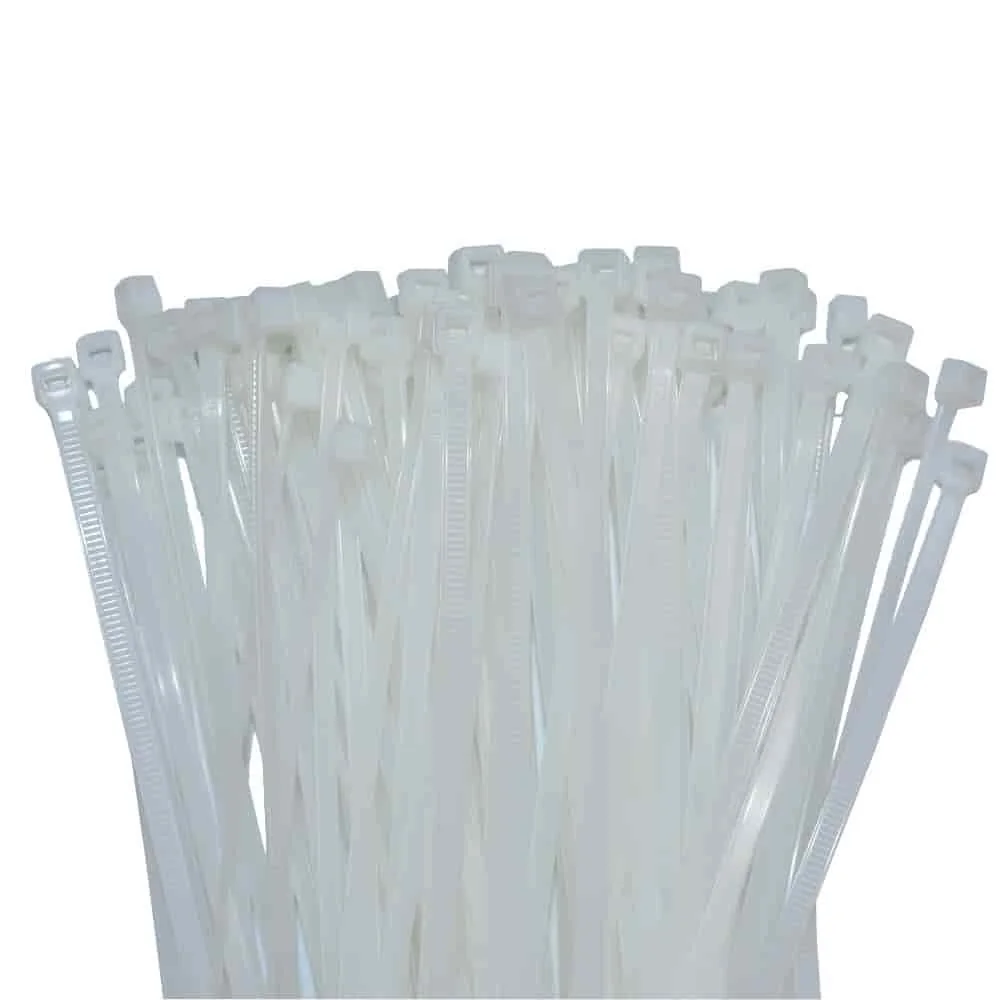
Before buying, ask yourself: What exactly do I want to secure, and what will I use to secure it? For securing tarpaulins + nets, there are often special solutions such as the fastening set for cover tarpaulins (), which is perfectly suited to the eyelets. For light bundling tasks, simple cable ties () may even be the better choice because they are non-elastic.
Additional advice
For comprehensive load securing, you should often combine bungee cords with other aids. A large luggage net keeps many small items together, while bungee cords keep the net itself taut. This allows different systems to complement each other for a secure overall solution.
Error 5: How can I avoid injuries when handling bungee cords?
The energy stored in a tensioned bungee cord is enormous. If a hook comes loose unexpectedly or the cord snaps, it recoils at high speed. This snap-back effect is responsible for the most common and serious injuries when using bungee cords. The eyes are particularly at risk, but the face and hands can also suffer severe bruising, lacerations or worse.
The danger usually arises when the full pulling force is being applied or when a hook under tension is released. Slipping off the anchor point, the hand slipping off the hook or sudden material failure are the typical triggers. Respecting this stored energy is the first step towards preventing accidents.
Most accidents involving tensioning equipment are not caused by material defects, but by incorrect use. Correct handling and wearing personal protective equipment, such as safety glasses, are the most effective preventive measures.
Safe tensioning and release technique
Get into a safe routine to minimise the risk. The most important point is never to position your face or body directly in the cord's line of pull. Always tension it while standing to the side.
- Wear safety glasses: Simple safety glasses from our Workplace Safety & Security range can prevent an eye injury. They are the most important safety measure.
- Wear gloves: Work gloves give you a better and safer grip on the hook.
- Maintain a stable stance: Make sure you have a firm footing before applying force.
- Release in a controlled manner: When releasing the hook, grip it firmly and guide it back slowly. Never simply let go and allow it to snap back.
Bungee cords are valuable tools when used carefully. By avoiding these five common mistakes, you not only ensure the longevity of your equipment, but also protect your load and, most importantly, your own health. Check your equipment regularly and, when necessary, invest in high-quality replacements from the Westfalia range.
Frequently asked questions
- How long does a bungee cord last?
- Its lifespan depends heavily on how it is used and stored. With regular exposure to UV rays and heavy stretching, it may last less than a year. When stored in a dry, dark place and used moderately, high-quality bungee cords can last for several years. Check them for cracks and reduced elasticity before every use.
- Can I connect several bungee cords together?
- This is strongly discouraged. The connection points (hook to hook) are a significant weak spot that can easily give way under load. Instead, use a single bungee cord in the right length for the job to ensure maximum safety and tension.
- Are bungee cords approved for professional load securing on lorries?
- No. Bungee cords are generally not permitted for professional load securing in commercial freight transport. You must use certified lashing straps compliant with EN 12195-2 instead. Bungee cords are ideal for holding down tarpaulins or securing light loads in private use.
- What do the colour codes on bungee cords mean?
- There is no universal, standardised colour code for the strength or length of bungee cords. Manufacturers often use colours to distinguish between different lengths or product lines within their own range. Never rely on colour alone; always check the manufacturer's stated length and strength specifications.
- How should I clean and store bungee cords?
- If necessary, clean bungee cords with a damp cloth and mild soapy water. Avoid harsh chemicals or solvents. Store them in a cool, dry and dark place to protect them from UV radiation and extreme temperatures, which can cause the material to age.
You might also be interested in
- Bungee cord test: What to look for when buying and which length to choose
- How to fit insulating sleeves: The 5 most common mistakes
- Wet sanding: The 5 most common mistakes and how to fix them
- How to attach privacy screening: The 5 most common mistakes
- Ground anchors coming loose? The 5 most common mistakes and how to avoid them
- How to use sealing spray correctly: The 5 most common mistakes