
In brief: The five most common mistakes when using water pump pliers are incorrect size adjustment, turning in the wrong direction, using them as a hammer, neglecting maintenance and applying excessive force incorrectly. Proper use protects the workpiece, the pliers and your hands, ensuring safety and better results.
Water pump pliers: versatile all-rounders with pitfalls
They belong in every toolbox: water pump pliers. Their adjustable jaws make them an incredibly versatile tool for countless tasks in the workshop, household and garden. They grip pipes, hold hex nuts and secure stubborn workpieces. Yet this versatility can encourage mistakes that damage materials and create a safety risk. A rounded bolt head or slipping pliers are the most common consequences.
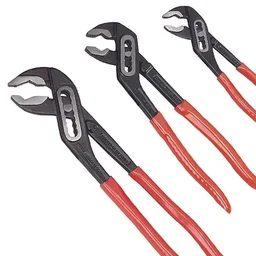
This guide explains the five most common mistakes when using water pump pliers and how to avoid them. With the right knowledge and the right tools, you can work more efficiently and safely while protecting your materials. A solid set of equipment is the basis for every successful job. The 3-piece Cr-V water pump pliers set () offers the right size for most applications and, thanks to robust chrome-vanadium steel, provides durability and a firm grip.
Why is the wrong size adjustment the most common mistake when using water pump pliers?
The most common mistake begins before you apply any force: setting the plier jaws inaccurately or too wide. Many users set the pliers roughly and then try to compensate with muscle power. This inevitably leads to problems. Pliers whose jaws do not sit parallel and firmly against the workpiece have very few contact points. All the force is concentrated on tiny areas, usually the edges of a nut or the surface of a pipe.
<>The consequences: rounded nuts and slipping pliers
If you choose a setting that is too wide, the teeth of the pliers slide over the corners of the nut. The result is a rounded bolt head that no tool can grip later. On pipes, a loose setting causes deep scratches and grooves which, in the worst case, can affect the stability of the pipe, especially with thin-walled materials. The risk of slipping also increases significantly. Pliers that suddenly slip can cause painful hand injuries or damage surrounding components.
How to set the pliers correctly: step by step
Take the time to adjust them correctly. Place the lower jaw against the workpiece. Then slide the upper jaw over the joint until both jaws sit as parallel and flat against the workpiece as possible. The pliers should just slide over the workpiece without excessive play. A good test: when you gently squeeze the handles, the pliers must not wobble. They should form a firm unit with the workpiece.
Pro tip
Adjust the pliers directly on the workpiece, not from a distance by eye. Position the pliers, open the joint and close it until you find the perfect fit. A slight tug on the pliers without a firm grip will tell you whether the setting is correct.
Which way should the pliers' jaws face?
This mistake is less obvious but has a major impact on force transmission and safety: using the wrong turning direction. Water pump pliers are designed to reinforce their grip when used correctly. The teeth are slightly angled and the geometry of the joint supports this effect. If you position the pliers incorrectly, you are working against their design.
Use leverage to your advantage
The rule is simple: you must always turn in the direction of the upper, adjustable jaw. Imagine you are tightening a screw (clockwise). In this case, the upper jaw must be positioned to the right of the workpiece. When you push the handle down, the upper jaw bites into the material while the lower jaw acts as a counter-support. Pressure on the handles increases the grip. If you turn in the opposite direction, you pry the joint open and the pliers slip off.
The correct positioning direction is the be-all and end-all when using any gripping pliers. Anyone working against the tool's design risks not only the workpiece but also their own health if the pliers suddenly slip.
Practical example: loosening a seized fitting
You want to loosen an old, seized union nut on a siphon (anti-clockwise). Position the pliers so that the upper, adjustable jaw is to the left of the nut. Grip the pliers and apply pressure to the handles. When you now pull the handle upwards to loosen the nut, the clamping effect increases. The teeth bite firmly and transfer the force optimally. For jobs involving Plumbing + irrigation, the right grip is crucial to avoid destroying delicate threads.
Can I use water pump pliers as a substitute for a hammer?
In the heat of the moment, when a hammer is not to hand, the solid side of a pair of water pump pliers may seem like a good alternative. A quick tap to drive a wall plug into the wall or knock a component into position – what could possibly go wrong? The answer is: quite a lot. Using them as a hammer is one of the most damaging mistakes you can make when using water pump pliers.
Material fatigue and broken joints
Water pump pliers, including high-quality models made from chrome vanadium steel, are designed for gripping and holding forces, not impact loads. The steel is hardened to give the teeth a firm grip and retain their shape. However, this hardness makes it brittle when exposed to hard, sudden blows. Microscopic cracks can develop in the material that are initially invisible. The joint, the heart of the pliers, is particularly at risk. The pin and guide grooves are precision-made and can become deformed or break when struck. Damaged pliers can suddenly fail under load.
Important note
Never use water pump pliers as a hammer. The risk of sudden tool breakage is high and can cause serious injuries from flying fragments. There is only one tool for striking: a hammer.
Tool safety: choosing the right tool for the job
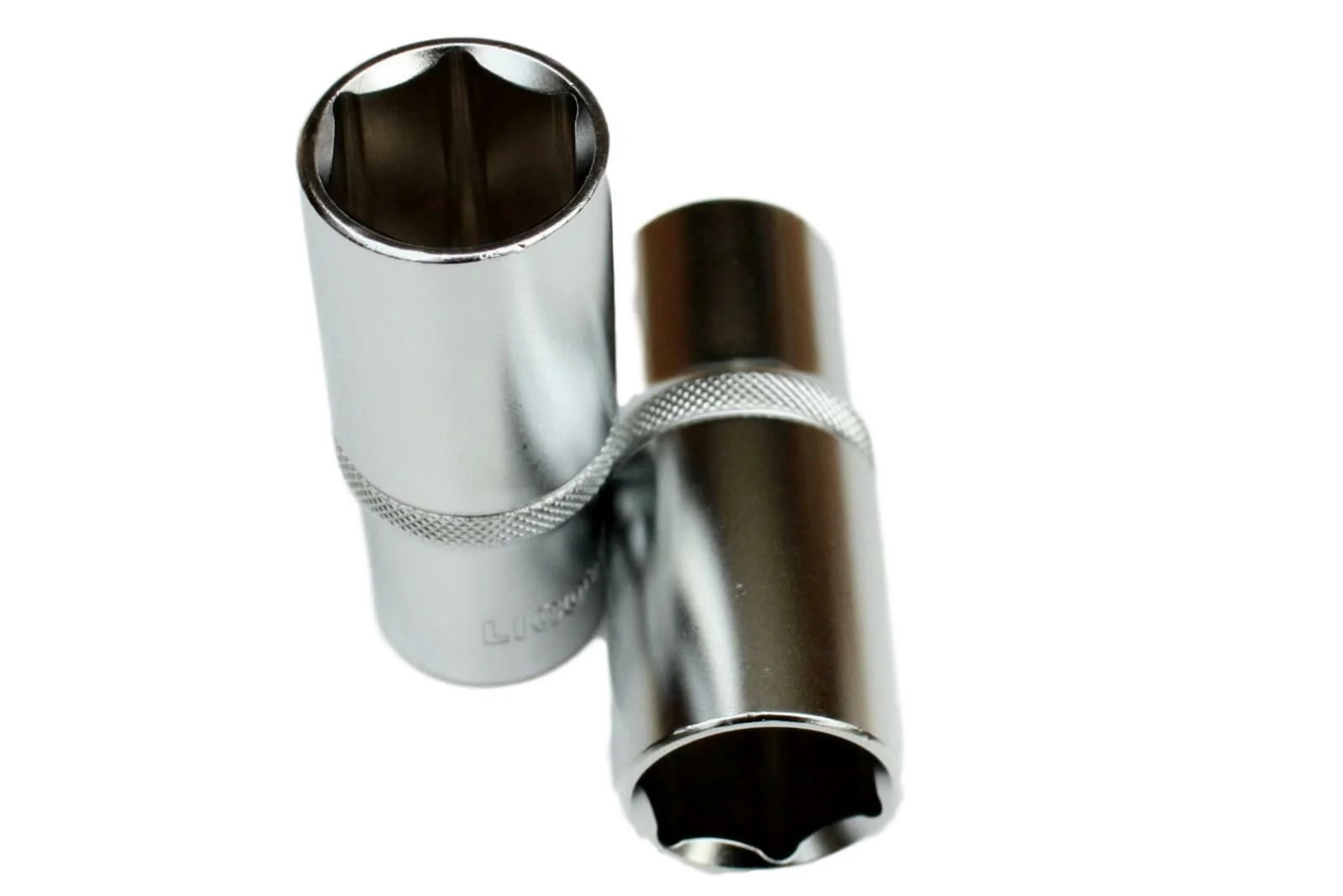
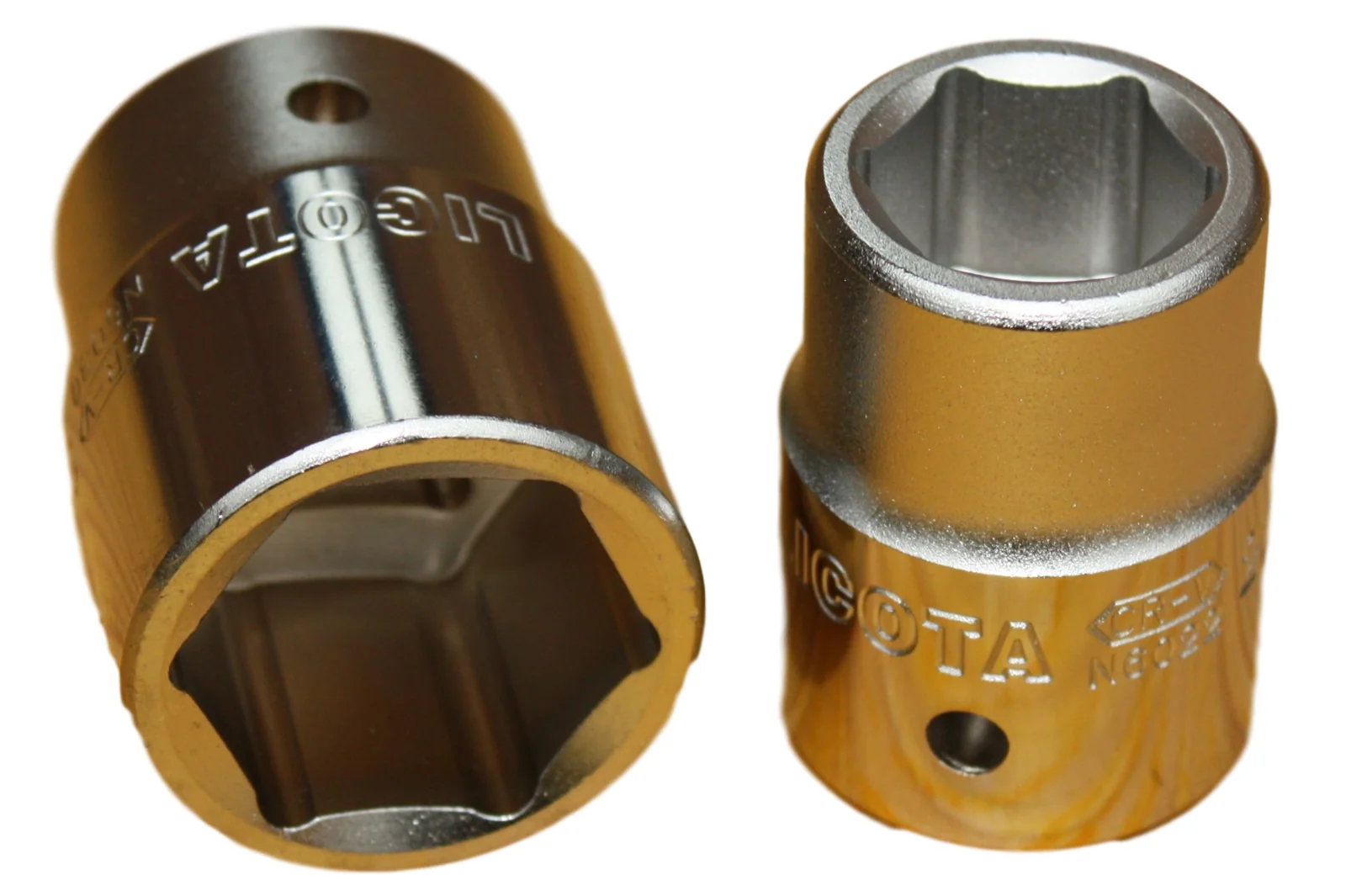
A basic principle of workshop equipment and trade supplies is that every tool has a specific purpose. If you need to tighten a hexagonal nut to a precise torque, a socket set is the right choice. Products such as the 1/2 inch socket, 12mm () or the 1/2 inch socket, 14mm () provide a secure fit without causing damage. Choosing the wrong tool not only leads to poorer results, but is also a key tool-safety issue. It is better to invest in the right tool than risk expensive consequential damage or injuries.
How do I care for my water pump pliers properly?
Tools are made to be used, that much is clear. They get dirty, wet and come into contact with various materials. However, completely neglecting maintenance is a common mistake. After being used in a wet garden, pliers are often simply thrown into the toolbox or left covered in oil and swarf. This drastically shortens their service life and affects their performance.
<>Rust, dirt and the effect on performance
Moisture is the biggest enemy of steel tools. Surface rust is initially only a cosmetic issue, but it can take hold and weaken the material structure. Dirt and moisture in the joint mechanism are much worse. Sand, metal swarf and dried mud act like sandpaper. The joint becomes stiff, adjustment starts to jam and the precise fit is lost. Pliers that can no longer be adjusted easily and accurately are barely usable and lead directly to mistake number 1.
Additional advice
Store your pliers in a dry place. A tool wall or drawer insert is ideal. Avoid storing tools loose in a box, where they can knock against each other and collect moisture.
Cleaning and maintenance tips for a long service life
Maintenance is simple and takes only a few minutes. Wipe the pliers with a dry cloth after every use. If they are heavily soiled, for example after working in the garden and outdoor area, use a brush and a little water. Dry the pliers thoroughly afterwards. Occasionally apply a drop of penetrating oil (e.g. WD-40 or Ballistol) to the sliding joint and move it back and forth several times. This displaces moisture, loosens dirt and keeps the mechanism moving freely. This way, your pliers will remain a reliable partner for years.
How can I recognise the load limit of my pliers?
Sometimes a threaded connection is extremely tight. Instinct says: use more force! But water pump pliers, like any tool, have mechanical limits. Trying to overcome these limits with aids is a dangerous mistake that often ends with a loud bang and a broken tool.
Cheater bars and the risk of tool breakage
Sliding a pipe over the handles of the pliers, a so-called “cheater bar” or extension, to increase leverage is one of the riskiest practices. The forces acting on the joint and handles multiply. The pliers are not designed for this level of stress. The most likely consequences are a bent handle or a broken joint pin. The tool fails suddenly, and the released energy can cause serious hand and facial injuries.
Leverage is physically tempting, but using extensions on unsuitable tools is grossly negligent. Material limits are quickly exceeded and failure is unpredictable.
Using your body: the right posture and force transmission
Instead of relying on brute force with aids, use your body correctly. Make sure you have a firm stance. Hold the pliers with both hands at the ends of the handles to use the maximum natural leverage. Pull with a smooth, controlled movement rather than jerking. If the connection cannot be loosened this way, the pliers are the wrong tool. Rust remover, heat or an impact driver from the power tools category are more professional alternatives. For extremely tight pipe connections, a more robust pair of pliers such as the Alligator water pump pliers 250 mm () may be worth considering.
By avoiding these five common mistakes, you will improve not only your safety but also the quality of your work. Well-maintained water pump pliers are a reliable companion for many years. Take the time to understand your tools and use them correctly – it is worth it.
Frequently asked questions
- What is the difference between water pump pliers and a pipe wrench?
- Water pump pliers have an adjustable slip joint and parallel jaws, making them ideal for workpieces of different sizes, such as nuts or pipes. A traditional pipe wrench has a hook-shaped, oppositely toothed jaw that grips in one direction, making it especially suitable for working on pipes.
- Can I use water pump pliers for any hex nut?
- Although it often works, it is not ideal. The teeth can damage the edges of the nut. For hex nuts and bolts, socket wrenches or open-ended spanners are a better choice because they distribute force over a larger surface and prevent slipping and damage.
- How can I tell if my water pump pliers are worn out?
- Signs of wear include worn or rounded teeth that no longer provide a secure grip. A loose or stiff joint that can no longer be adjusted precisely is another indication that it is time to replace the pliers.
- Why does the size adjustment on my pliers keep slipping?
- The joint usually slips when the pliers are positioned the wrong way and the pressure force opens the joint instead of securing it. It can also indicate poor quality or severe wear in the joint mechanism.
- Can I use a pipe as an extension for more leverage?
- No, this is extremely dangerous. A so-called "Cheater Bar" overloads the joint and handles of the pliers. The tool can suddenly break and cause serious injuries. Instead, use larger pliers or a suitable tool with a longer handle.
You may also be interested in
- How to use water pump pliers correctly: A DIY guide
- Thinking of buying a water pump pliers set? Your guide to Cr-V pliers
- Drill pump: 5 common mistakes and how to avoid them
- How to operate a water pump correctly: Complete guide
- 5 common mistakes when using rubber tie-downs (and how to avoid them)
- 5 common mistakes when removing roots from pipes