
Kurz erklärt: Ihre Rattenfalle funktioniert nicht, weil oft der falsche Köder, eine unkluge Platzierung oder menschlicher Geruch den Fangerfolg verhindern. Geduld ist ebenso entscheidend wie die Anzahl der Fallen. Vermeiden Sie diese Fehler, um Ratten effektiv zu fangen, anstatt sie nur schlauer zu machen.
- Fehler 1: Der falsche Köder - Warum Erdnussbutter nicht immer gewinnt
- Fehler 2: Die falsche Platzierung - Wo lauern Ratten wirklich?
- Fehler 3: Menschlicher Geruch an der Falle - Wie Sie Ihre Spuren verwischen
- Fehler 4: Zu viel Ungeduld - Warum Sie der Falle Zeit geben müssen
- Fehler 5: Eine einzige Falle ist keine Lösung - Wie viele Fallen brauchen Sie wirklich?
- Ratten schlau machen? Die Psychologie der Nager verstehen
Sie haben eine Rattenfalle aufgestellt. Der Köder ist weg, aber die Falle ist leer. Oder schlimmer noch, die Falle bleibt wochenlang unberührt. Frustration macht sich breit. Das Problem liegt selten an der Falle selbst, sondern an kleinen, aber entscheidenden Fehlern in der Anwendung. Ratten sind keine einfachen Gegner; sie sind intelligent, misstrauisch und anpassungsfähig.
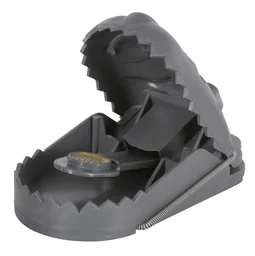
Die gute Nachricht: Mit dem richtigen Wissen überlisten Sie die Nager. Es geht darum, ihre Gewohnheiten zu verstehen und ihre Sinne gegen sie zu verwenden. Ein robustes Werkzeug wie die Rattenfalle "ratStop" () ist die Grundlage für den Erfolg. Ihre hohe Schlagkraft und der empfindliche Auslösemechanismus lassen dem Tier keine Chance. Doch selbst die beste Falle braucht die richtige Strategie.
Fehler 1: Der falsche Köder - Warum Erdnussbutter nicht immer gewinnt
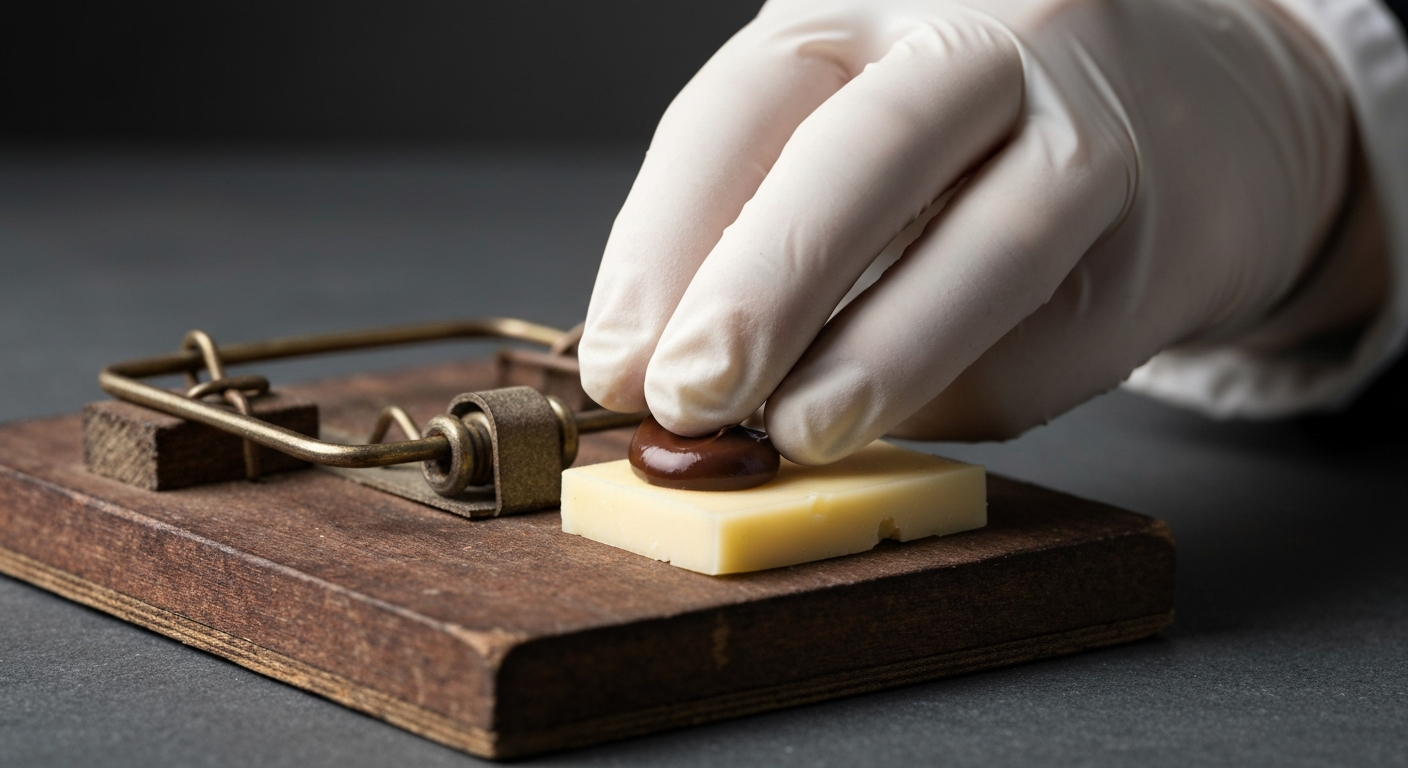
Das Bild der Maus mit dem Käse ist ein Mythos aus Zeichentrickfilmen. Ratten mögen Käse, aber sie lieben hochkalorische, stark duftende Nahrung. Erdnussbutter ist ein beliebter Tipp, hat aber einen Nachteil: Clevere Ratten lecken sie oft vorsichtig vom Auslöser, ohne die Falle auszulösen.
Setzen Sie auf klebrige und feste Köder. Nuss-Nougat-Creme oder Schokoaufstrich sind Favoriten. Sie duften intensiv und zwingen die Ratte, am Auslöser zu arbeiten, um an die Leckerei zu gelangen. Kleine Stücke Speck, Trockenfrüchte oder sogar ein in Schokolade getauchter Wattebausch funktionieren hervorragend. Drücken Sie den Köder fest in die dafür vorgesehene Vertiefung der Falle. Das Ziel ist, dass die Ratte ziehen und zerren muss, was die Auslösung garantiert.
Fehler 2: Die falsche Platzierung - Wo lauern Ratten wirklich?
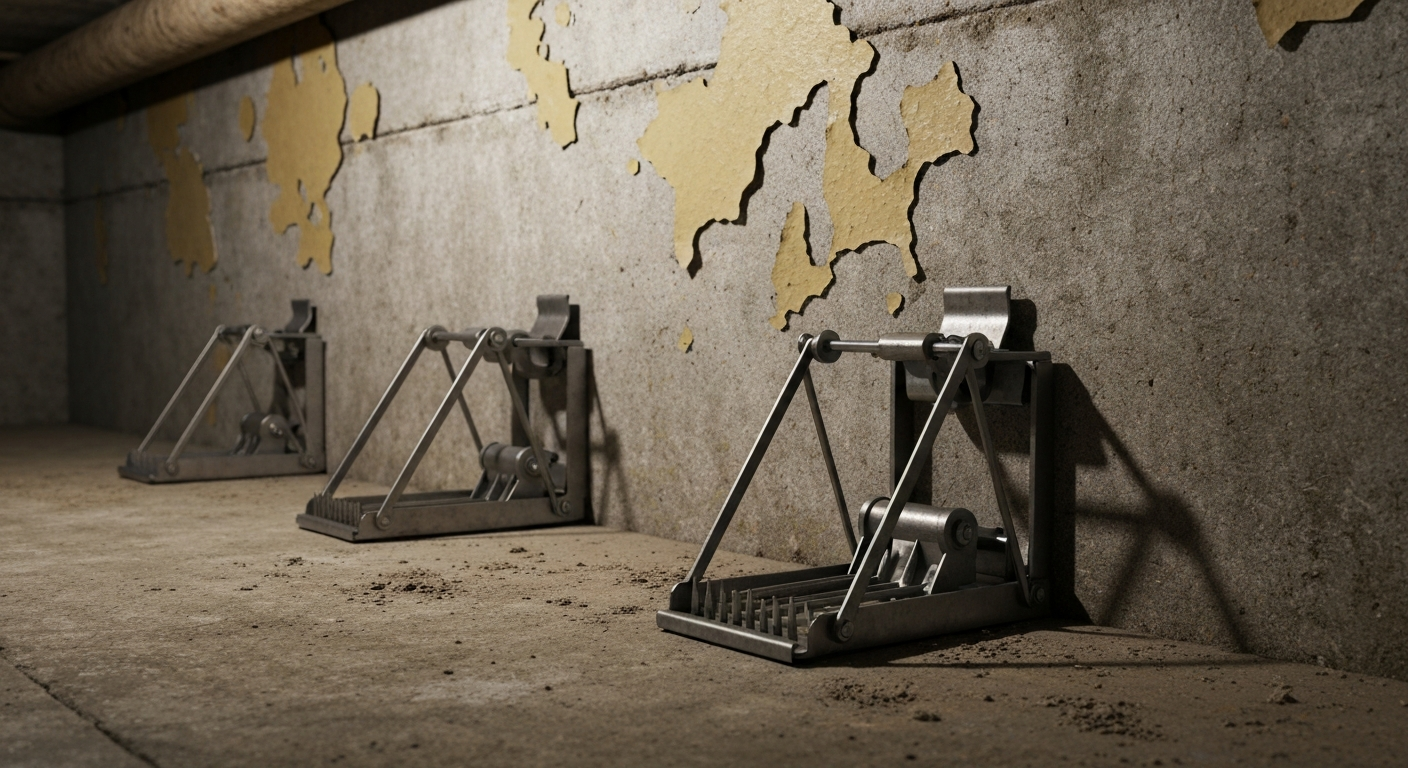
Eine Falle mitten im Raum wird selten erfolgreich sein. Ratten sind Beutetiere. Sie meiden offene Flächen und bewegen sich fast ausschließlich entlang von Wänden und in Deckung. Ihre Tasthaare helfen ihnen dabei, sich im Dunkeln zu orientieren. Diese festen Routen nennt man „Laufwege“.
Suchen Sie nach Anzeichen für diese Wege. Finden Sie Kotspuren, Nagespuren oder dunkle Schmierspuren an den Wänden? Diese entstehen durch das Körperfett und den Schmutz im Fell der Tiere. Das sind die Autobahnen der Ratten. Platzieren Sie Ihre Falle genau hier. Stellen Sie die Falle mit der Köder- und Auslöseseite direkt an die Wand. So muss die Ratte auf ihrem gewohnten Pfad direkt über den Auslöser laufen, um weiterzukommen.
Überprüfen Sie dunkle Ecken, Bereiche hinter Geräten und potenzielle Eintrittsstellen. Oft nutzen Ratten die Nähe von Leitungen, etwa hinter der Waschmaschine, wo ein Ablaufschlauch in die Wand führt, oder in der Nähe von gelagerten Gegenständen im Keller.
Profi-Tipp
Platzieren Sie die Falle immer im 90-Grad-Winkel zur Wand, sodass der Köder zur Wand zeigt. Auf ihrem Weg entlang der Wand läuft die Ratte direkt in die Falle, anstatt nur daran vorbeizuschnüffeln. In besonders aktiven Bereichen können Sie auch zwei Fallen direkt nebeneinander stellen, mit den Auslösern nach außen.
Fehler 3: Menschlicher Geruch an der Falle - Wie Sie Ihre Spuren verwischen
Ratten haben einen extrem feinen Geruchssinn. Er warnt sie vor Fressfeinden und hilft bei der Nahrungssuche. Eine brandneue Falle riecht nach Fabrik, Metall und Plastik. Eine von Ihnen aufgestellte Falle riecht nach Mensch. Beides sind Warnsignale für ein misstrauisches Tier.
Tragen Sie bei jeder Handhabung der Falle Handschuhe. Das ist nicht nur aus hygienischen Gründen wichtig, sondern verhindert primär die Übertragung Ihres Geruchs. Neue Fallen sollten Sie „altern“ lassen. Reiben Sie die Falle mit etwas Erde, Laub oder Schmutz aus der unmittelbaren Umgebung ein, in der sie platziert wird. So nimmt die Falle einen vertrauten Umgebungsgeruch an und wirkt weniger bedrohlich.
Die olfaktorische Wahrnehmung von Ratten ist hochentwickelt. Sie können nicht nur den Geruch von Menschen erkennen, sondern auch den von Stresshormonen anderer Ratten, was sie vor potenziellen Gefahren warnt.
Besonders im Schuppen oder der Garage, wo Sie vielleicht Ihren Wasserschlauch lagern, nehmen Fallen schnell Umgebungsgerüche an. Nutzen Sie dies zu Ihrem Vorteil und lassen Sie die Falle dort einige Tage liegen, bevor Sie sie beködern und scharf stellen.
Fehler 4: Zu viel Ungeduld - Warum Sie der Falle Zeit geben müssen
Ratten leiden unter „Neophobie“, der Angst vor allem Neuen. Ein plötzlich auftauchender Gegenstand auf ihrem etablierten Laufweg ist höchst verdächtig. Die Ratte wird ihn zunächst meiden, beobachten und erst nach einiger Zeit als ungefährlich einstufen. Wenn Sie die Falle jeden Tag an einen neuen Ort stellen, beginnt dieses Misstrauen immer von vorn.
Wenden Sie die Taktik des „Vorfütterns“ an. Platzieren Sie die Falle mit einem attraktiven Köder, aber stellen Sie sie NICHT scharf. Lassen Sie die Ratte ein oder zwei Nächte lang ungestört den Köder fressen. Sie lernt, dass dieser neue Gegenstand eine sichere Futterquelle ist. In der dritten oder vierten Nacht füllen Sie den Köder nach und aktivieren den Mechanismus. Die angelernte Gier besiegt die Vorsicht.
Wichtiger Hinweis
Kontrollieren Sie die Fallen täglich, aber fassen Sie sie nicht unnötig an oder bewegen Sie sie. Eine tägliche Kontrolle aus der Distanz genügt. Ein gefangenes Tier muss schnell entfernt werden, sowohl aus Tierschutzgründen als auch um andere Ratten nicht zu warnen.
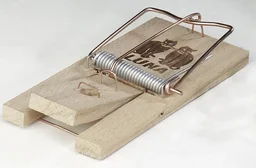
Geduld ist hier Ihr stärkster Verbündeter. Manchmal hilft es auch, verschiedene Fallentypen zu kombinieren. Eine moderne Kunststofffalle neben den bewährten Holz Rattenfallen () kann unterschiedliche Reaktionen bei den Tieren hervorrufen und die Erfolgschancen steigern.
Fehler 5: Eine einzige Falle ist keine Lösung - Wie viele Fallen brauchen Sie wirklich?
Wenn Sie eine Ratte sehen, können Sie sicher sein, dass es weitere gibt. Ratten sind soziale Tiere und leben in Familienverbänden. Eine einzige Falle aufzustellen, ist wie der Versuch, einen Waldbrand mit einem Glas Wasser zu löschen. Sie fangen vielleicht ein Tier, aber der Rest der Population lernt daraus und wird noch vorsichtiger.
Bei einem sichtbaren Befall sollten Sie massiv vorgehen. Platzieren Sie mindestens 3 bis 5 Fallen, bei einem stärkeren Befall sogar mehr. Setzen Sie die Fallen entlang der identifizierten Laufwege im Abstand von etwa 3 bis 5 Metern. Nutzen Sie verschiedene Köder in den unterschiedlichen Fallen, um herauszufinden, was in Ihrer speziellen Situation am besten funktioniert.
Eine Sättigungsstrategie mit mehreren Fallen erhöht den Jagddruck auf die Population signifikant und reduziert die Zeit, die einzelne Ratten haben, um aus den Fehlern ihrer Artgenossen zu lernen.
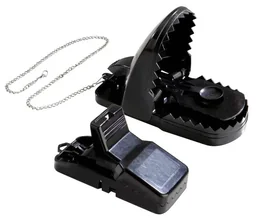
Ein Set wie die Rattenfallen im 2er-Pack () ist ein guter Anfang, um mehrere strategische Punkte gleichzeitig abzudecken. Mehr Fallen bedeuten eine höhere Wahrscheinlichkeit, dass eine neugierige oder unvorsichtige Ratte gefangen wird, bevor sie die Gefahr erkennt.
Zusätzlicher Rat
Nach dem Fangerfolg kommt die Prävention. Dichten Sie alle möglichen Zugänge ab. Selbst kleine Lücken um Rohre sind Einfallstore. Verwenden Sie Stahlwolle oder sichern Sie Lüftungsöffnungen mit engmaschigem Gitter, das Sie mit robusten Schlauchschellen fixieren. Beseitigen Sie Nahrungsquellen und halten Sie die Umgebung sauber.
Ratten schlau machen? Die Psychologie der Nager verstehen
Der Spruch „Ratten schlau machen“ hat einen wahren Kern. Diese Tiere lernen extrem schnell aus negativen Erfahrungen. Eine Ratte, die eine Falle auslösen sieht, ohne selbst hineinzugeraten, oder die knapp entkommt, wird für diese Art von Falle „gebildet“ sein. Sie wird sie in Zukunft meiden und vielleicht sogar Artgenossen warnen.
Deshalb ist die Qualität der Falle so entscheidend. Eine Falle muss beim ersten Mal zuverlässig und schnell töten. Eine schwache Falle, die das Tier nur verletzt, produziert extrem misstrauische Überlebende. Wechseln Sie Ihre Taktik, wenn Sie merken, dass die Fallen gemieden werden. Ein anderer Köder, eine leichte Veränderung der Position oder ein anderer Fallentyp kann die erlernte Vorsicht durchbrechen.
Denken Sie immer daran: Sie jagen ein intelligentes Tier. Erfolg haben Sie nicht durch rohe Gewalt, sondern durch Strategie, Geduld und das Verständnis für das Verhalten Ihres Gegners. Vermeiden Sie diese fünf Fehler, und Ihre Falle wird endlich zuschnappen.
Häufige Fragen
- Welcher Köder ist für Rattenfallen am besten?
- Vergessen Sie Käse. Hochkalorische, stark riechende Köder wie Nuss-Nougat-Creme, Schokolade, Trockenfrüchte oder Speck sind deutlich effektiver. Drücken Sie den Köder fest in die dafür vorgesehene Halterung, damit die Ratte ihn nicht einfach stehlen kann.
- Wo sollte ich eine Rattenfalle aufstellen?
- Platzieren Sie Fallen direkt an Wänden, da Ratten offene Flächen meiden. Suchen Sie nach Laufwegen, erkennbar an Kot, Nagespuren oder Schmierspuren. Ideale Orte sind dunkle, geschützte Bereiche hinter Möbeln, Geräten oder in Kellerecken.
- Warum gehen Ratten nicht in die Falle?
- Ratten sind misstrauisch gegenüber neuen Objekten (Neophobie). Eine Falle mit menschlichem Geruch oder eine an einem ungeschützten Ort platzierte Falle wird gemieden. Geben Sie der Ratte Zeit, sich an die Falle zu gewöhnen, indem Sie diese zunächst ohne Aktivierung aufstellen.
- Muss ich bei der Handhabung einer Rattenfalle Handschuhe tragen?
- Ja, unbedingt. Tragen Sie Handschuhe, um Ihren menschlichen Geruch nicht auf die Falle zu übertragen, was Ratten abschrecken kann. Außerdem schützen sie Sie aus hygienischen Gründen vor Krankheitserregern, wenn Sie die Falle leeren.
- Wie viele Rattenfallen sollte ich verwenden?
- Eine Falle ist selten ausreichend. Ratten leben in Gruppen. Bei einem Befall sollten Sie mehrere Fallen (mindestens 3-5) entlang der bekannten Laufwege in einem Abstand von wenigen Metern aufstellen. Dies erhöht die Fangwahrscheinlichkeit erheblich.
Das könnte Sie auch interessieren
- Rattenfalle kaufen: Der ultimative Guide für 2024
- Rattenfalle vs. Rattengift: Was ist sicherer und wirksamer?
- Rattenfalle ratStop aufstellen: Die Schritt-für-Schritt Anleitung
- Ratten im Haus? Effektive Strategien zur Bekämpfung
- Ratten im Garten bekämpfen: Effektive Methoden
- Raupenleim richtig anwenden: Die 5 häufigsten Fehler