
In brief: To get started gardening, choose a sunny spot and easy-care plants. Mix compost into the soil and water at the roots. Use basic tools and check on your plants regularly. With a little patience, you can turn your garden into a green oasis.
Imagine having your own green space, harvesting homegrown vegetables and enjoying fragrant flower beds. Many people never get started because they think they don’t have a “green thumb.” But gardening success isn’t a secret; it’s a skill you can learn. With the right know-how and a few simple basics, you can get your gardening journey off to a great start.
These 7 tips will guide you step by step toward your first gardening wins. Skip the complicated instructions. Focus on the basics and learn to read the signals your plants are giving you.
1. Choosing the right spot: Why sun and shade matter
Before you plant a single seed, take a look around your yard. Sunlight is one of the most important resources for almost all plants. The sun’s path across your property determines where each plant will thrive. Sun-loving basil won’t do well in full shade, while a hosta can scorch in the hot midday sun.
Spend a day noting which areas get sun and when. This will help you identify different zones:
- Full sun: More than 6 hours of direct sunlight per day. Ideal for most vegetables, including tomatoes, cucumbers and peppers, as well as Mediterranean herbs and prairie perennials.
- Partial shade: Around 3 to 6 hours of sun, ideally in the morning or late afternoon. Many shade-loving plants, lettuces and perennials thrive here.
- Shade: Less than 3 hours of direct sun. Ferns, mosses, hostas and ivy grow here.
You’ll find information about light requirements on every seed packet or plant label. Use it as your guide when planning your garden beds. Ignore it, and you’ll be working against a plant’s natural needs from the start.
Putting the right plants in the right place is the key to garden design.
2. How do you choose the right plants to start with?
The selection at the garden center can feel overwhelming. Resist the temptation to start with exotic or demanding plants. Begin with hardy, easy-care varieties. Success is the best fuel for your motivation.
Plants that forgive beginner mistakes
For a good start, choose plants that grow quickly and are less prone to diseases and pests.
- Vegetables: Radishes, loose-leaf lettuce, zucchini and Swiss chard offer a quick harvest and don’t require much gardening experience.
- Herbs: Mint (grow it in a pot because it spreads quickly), chives, parsley and rosemary are easy to grow and add flavor to your cooking.
- Flowers: Marigolds (Calendula), nasturtiums, sunflowers and asters are easy to grow and full of color. With a colorful mix such as aster seeds, you can create a long-lasting sea of blooms with little effort.
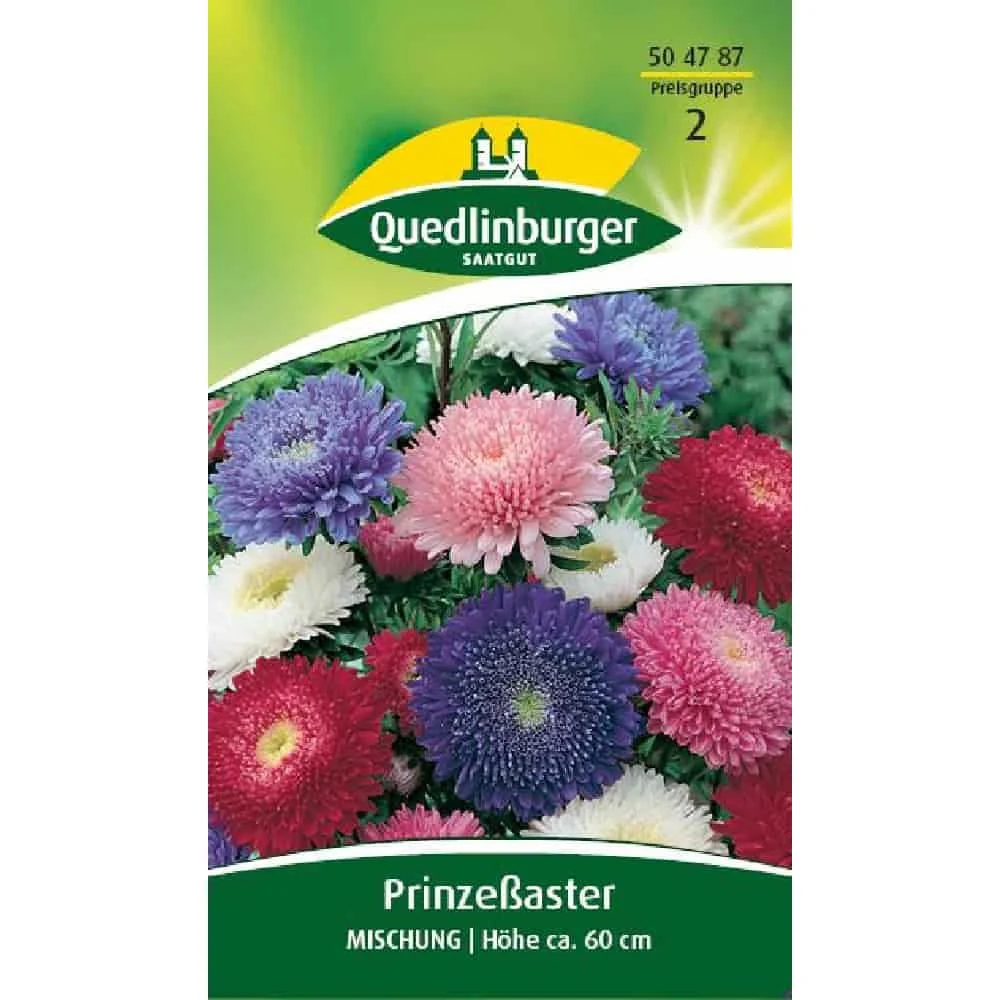
Read the descriptions carefully. Details about mature height, bloom time and care requirements will help you choose plants that suit your garden beds and the time you have available. Find a reliable source for seeds in our Seeds + Seed Packets category.
Pro tip
Try companion planting by growing different vegetables and flowers side by side. For example, marigolds planted among tomatoes can help keep harmful nematodes away, while the scent of lavender may deter aphids from roses. This way, plants can support one another.
3. Not all soil is the same: How to prepare it properly
Healthy, nutrient-rich soil is the foundation for strong plants. Prepare the soil before you plant. Poor, compacted soil gives roots neither the support nor the nutrients they need.
Thoroughly loosen the soil in your new garden bed with a garden fork or spade. Remove weeds, including their roots, as well as larger stones. Good soil preparation now will save you time weeding later.
Improve your garden soil
You can improve most garden soil with a few simple steps. The key is adding organic matter.
- Sandy soil: It dries out quickly and doesn’t hold nutrients well. Mix in finished compost or high-quality garden soil to help it retain water and nutrients.
- Clay soil: It is heavy, often wet and prone to compaction. Loosen it with sand and compost to improve drainage and airflow and help prevent waterlogged soil, which can cause root rot.
A 3-5 cm layer of finished compost worked into the soil surface supports soil life and provides your plants with essential nutrients. Find more Garden + Plant Supplies for improving your soil in the Westfalia Shop.
Additional advice
Start your own compost pile. Kitchen scraps (vegetables, fruit, coffee grounds) and yard waste (grass clippings, leaves) gradually turn into valuable “black gold.” A composter is a sustainable, affordable way to improve your soil over time.
4. Watering correctly: How much water do your plants really need?
Incorrect watering is one of the most common sources of problems for beginner gardeners. Too much water is just as harmful as too little. Waterlogging causes the roots to rot, while drought makes the plant wilt.
The golden rules of watering
Don't rely on a rigid schedule. Water requirements depend on the plant, the weather and the soil. Try the finger test: Insert a finger about 2-3 cm into the soil. If it feels dry at that depth, it's time to water.
- Water in the morning: In the morning, the soil is cool and the water can penetrate deeply without evaporating immediately. Leaves watered in the evening remain damp overnight, encouraging fungal diseases.
- Water the roots, not the leaves: Wet leaves, especially in bright sunlight, can lead to scorching. Water directly onto the soil around the root area.
- Water deeply, not superficially: It is better to water less often but thoroughly. This moistens the soil deeply and encourages the plants to develop deeper roots, making them more resilient during dry periods.
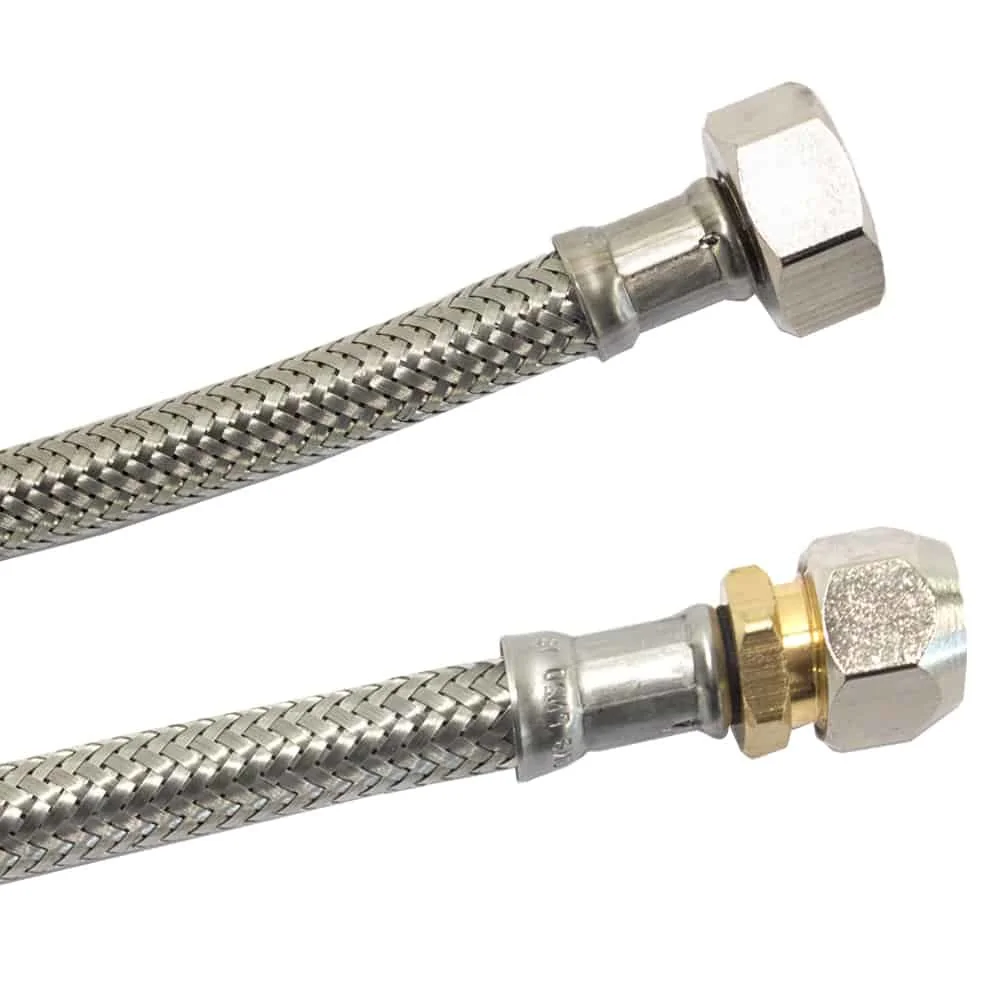
A high-quality, durable garden hose makes the job much easier. The stainless steel
Important note
Pay particular attention to the right amount of water when growing plants in pots and containers. The limited volume of soil dries out much faster than a garden bed. However, excess water must be able to drain through a drainage hole in the bottom of the pot to prevent root rot.
5. The right equipment: What tools do you need as a beginner?
You don't need a professional tool shed to get started. Focus on a few high-quality basic tools. Cheap tools bend quickly, rust and cause frustration instead of enjoyment.
The essential basic equipment
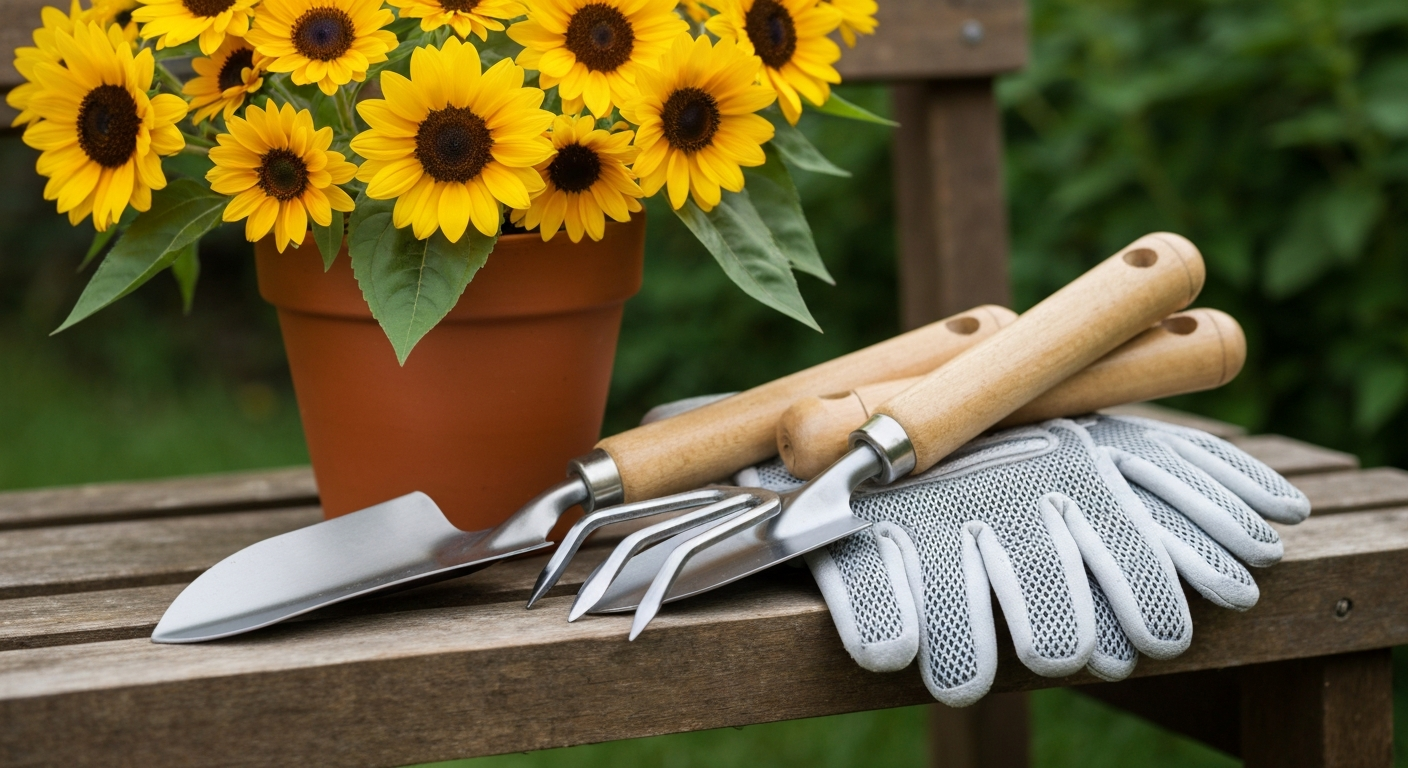
- Hand trowel: Your most important tool for planting and transplanting smaller plants and weeding garden beds.
- Digging fork or spade: For turning and loosening the soil and digging planting holes.
- Garden rake: For breaking up clods of soil and levelling the surface of the bed.
- Gardening gloves: Protect your hands from dirt, thorns and blisters.
- Watering can or garden hose: For targeted watering.
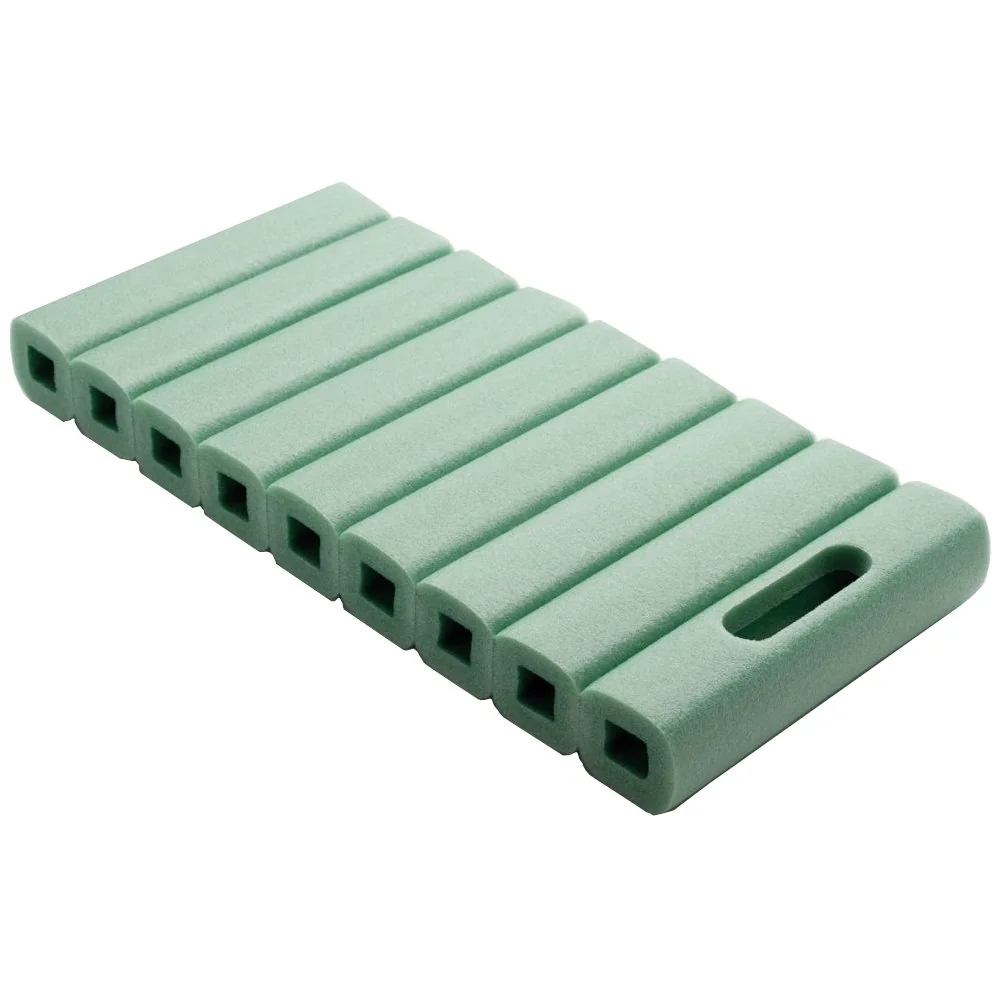
Think about your comfort, too. Kneeling in the garden for hours can be painful for your joints. A sturdy garden kneeling pad is a small investment that makes a big difference. You can find an overview of useful helpers in the garden tools category.
6. Patience and observation: Learn from your garden
A garden doesn't develop overnight. It is a living system that is constantly changing. That's why one of the most important gardening tips is: be patient. Not every seed will germinate, and not every plant will grow perfectly. That's normal.
Make time regularly to walk around your garden. Observe your plants closely. What do the leaves look like? Are there signs of pests? Are they growing strongly, or do they look weak? The better you get to know your garden, the sooner you will recognise what it needs. This attentive observation is the true “green thumb”.
Document your successes and failures. A small gardening journal or photos can help you learn from your experiences next year. Over time, you will develop a deep understanding of the relationships within your small ecosystem.
A garden is a great teacher. It teaches patience and careful observation; it teaches hard work and thrift; above all, it teaches unconditional trust.
7. Protection from pests and weather: Simple first steps
A healthy garden can often protect itself. Strong plants in good soil are less susceptible to diseases and pests. Nevertheless, young plants sometimes need a little support.
Natural helpers and simple barriers
As a beginner, avoid chemical pesticides. There are many simple, natural ways to protect your plants.
- Mulching: A layer of grass clippings, straw or bark mulch on the bed suppresses weeds, retains moisture in the soil and protects soil life from intense sunlight.
- Encourage beneficial insects: Plant flowering herbs and flowers to attract bees, ladybirds and other beneficial insects. Ladybird larvae, for example, are voracious aphid eaters.
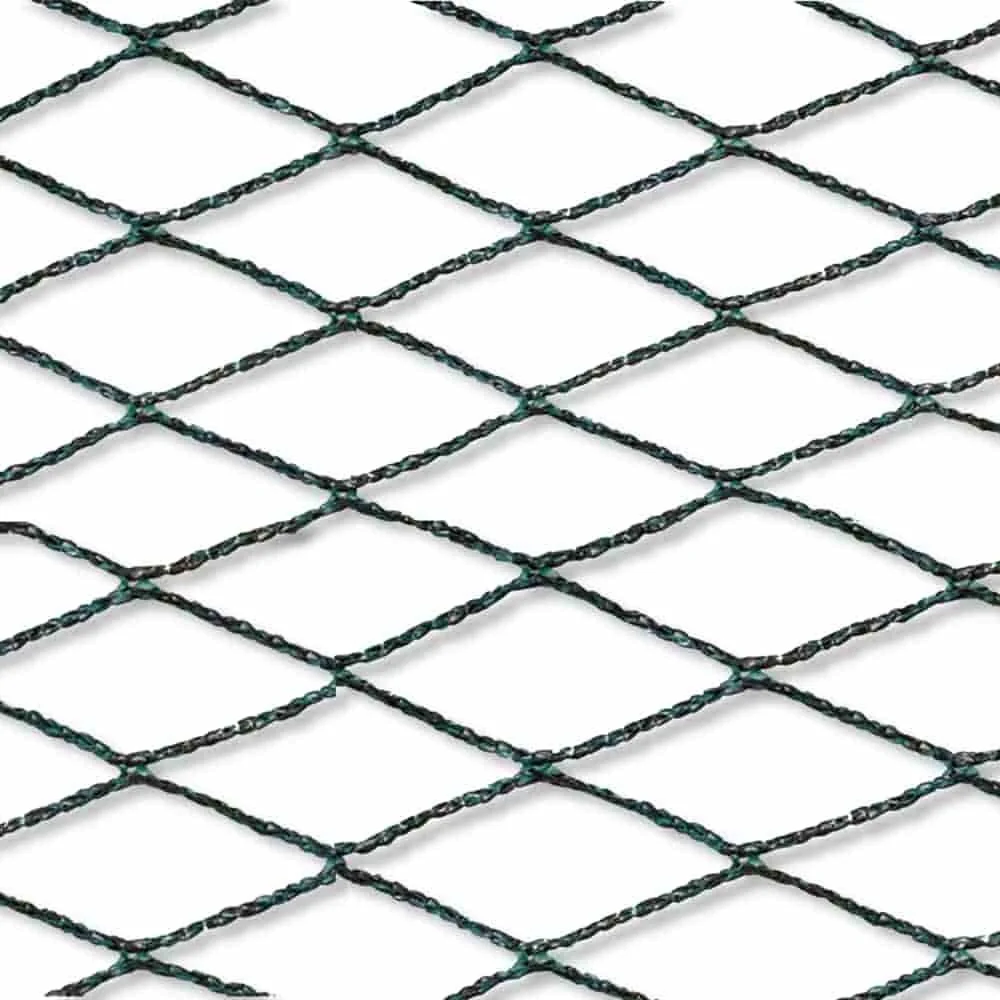
- Physical barriers: Simple nets can help protect against birds that pick at freshly sown seeds or hungry rabbits. A product such as the tear-resistant pond protection net can be repurposed to effectively protect your young seedlings without using chemicals.
Getting started with gardening is a journey, not a destination. Start small, choose the right plants and enjoy the process. Every task in the soil connects you with nature and rewards you with growth, blossoms and a bountiful harvest. Grab your gloves—your garden is waiting for you.
Frequently Asked Questions
- What are the easiest plants to grow for beginner gardeners?
- Start with hardy, low-maintenance plants. Herbs such as mint and chives, vegetables such as radishes and leaf lettuce, and flowers such as marigolds, asters, or sunflowers can handle small mistakes and produce quick results. They usually need little more than sun, water, and loose soil.
- How often should I water my garden?
- There’s no hard-and-fast rule. Check the soil with your finger: if it’s dry 2-3 cm below the surface, water your plants. It’s better to water less often but thoroughly, right at the roots. Early morning is best, so the water has time to soak in before the sun evaporates it.
- What gardening tools do I really need?
- A few high-quality tools are all you need to get started. A garden fork for loosening the soil, a hand trowel for smaller jobs, a rake for levelling the ground, and a sturdy pair of gardening gloves are essential. A comfortable kneeling pad also protects your joints while you work.
- How can I improve my garden soil easily?
- The easiest way is to mix in mature compost. It adds nutrients to the soil, helps sandy soil retain water, and loosens heavy clay soil. In spring or autumn, work a 3-5 cm layer of compost into the surface of the soil.
- When is the best time to start gardening?
- Spring, after the last frost (usually from mid-May), is the ideal time to sow or plant most plants. You can start planning and preparing the soil earlier, though. Late summer and autumn are also good times to plant many varieties, such as garlic and hardy perennials.
You may also be interested in
- 7 Ideas to Improve Any Garden: Simple Outdoor Tips
- Top 7 Tips: Gardening & DIY with the 2-in-1 Seat and Kneeler
- Smart Gardening Hacks: Make Gardening a Breeze
- Efficient Gardening: 10 Expert Tips for Cordless Grass Shears & X-Grubber
- Making Gardening Easier: 10 Smart Tips for Garden Bags
- Spring Gardening: How to Get the Season Off to a Perfect Start