
In brief: Pour the perfect beer with the right combination of temperature (approx. 6-8°C), correct CO2 pressure and clean equipment. Hold the glass at an angle, open the tap quickly and fill it in two pours. A clean system and high-quality hoses are essential for pure flavour.
A freshly poured beer is the perfect end to a long day or the centrepiece of a successful celebration. But anyone with their own beer dispenser knows the challenges: sometimes too much foam, sometimes a flat taste. It doesn't have to be that way. With the right knowledge and equipment, you can turn your home bar into the best pub in town. These seven expert tips show you how to pour the perfect beer.
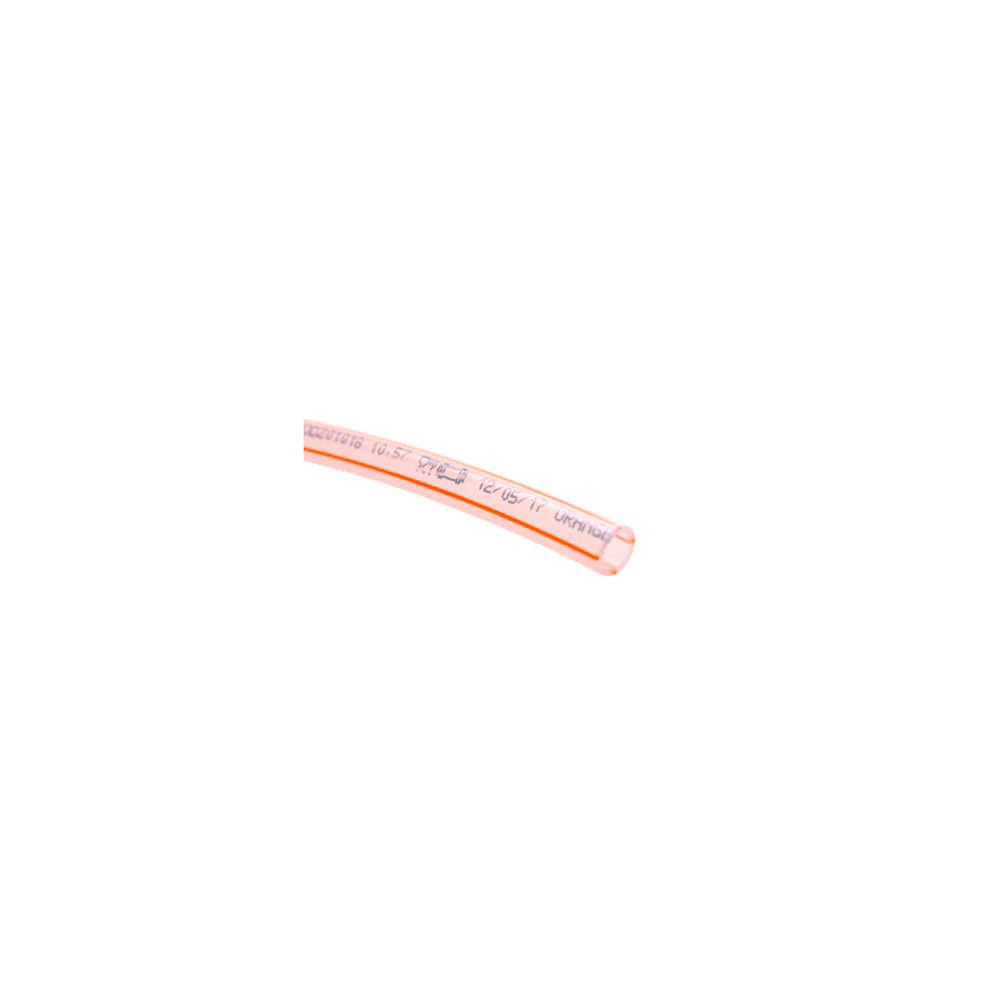
The foundation of an authentic beer experience is often hidden from view. Before the beer even reaches the glass, it flows through lines. The quality of these lines is crucial. A low-quality hose can transfer plasticisers or an unwanted taste to the beer. Choose certified quality such as the beer hose, beer line 3/8" (). This food-safe hose ensures that your beer tastes exactly as the brewer intended: pure and fresh.
1. The right temperature is crucial
Temperature is the first and perhaps most important factor for a perfect pour. Beer that is too warm produces uncontrolled foam because carbonation escapes more quickly at higher temperatures. Beer that is too cold, on the other hand, tastes flat and does not fully develop its aroma. Every type of beer has its ideal serving temperature.
Ideal serving temperatures at a glance:
- Pilsners & lagers: 6-8 °C
- Wheat beer: 7-9 °C
- Kölsch & Altbier: 8-10 °C
- Strong beers (e.g. Bock): 9-12 °C
- Ales & stouts: 10-13 °C
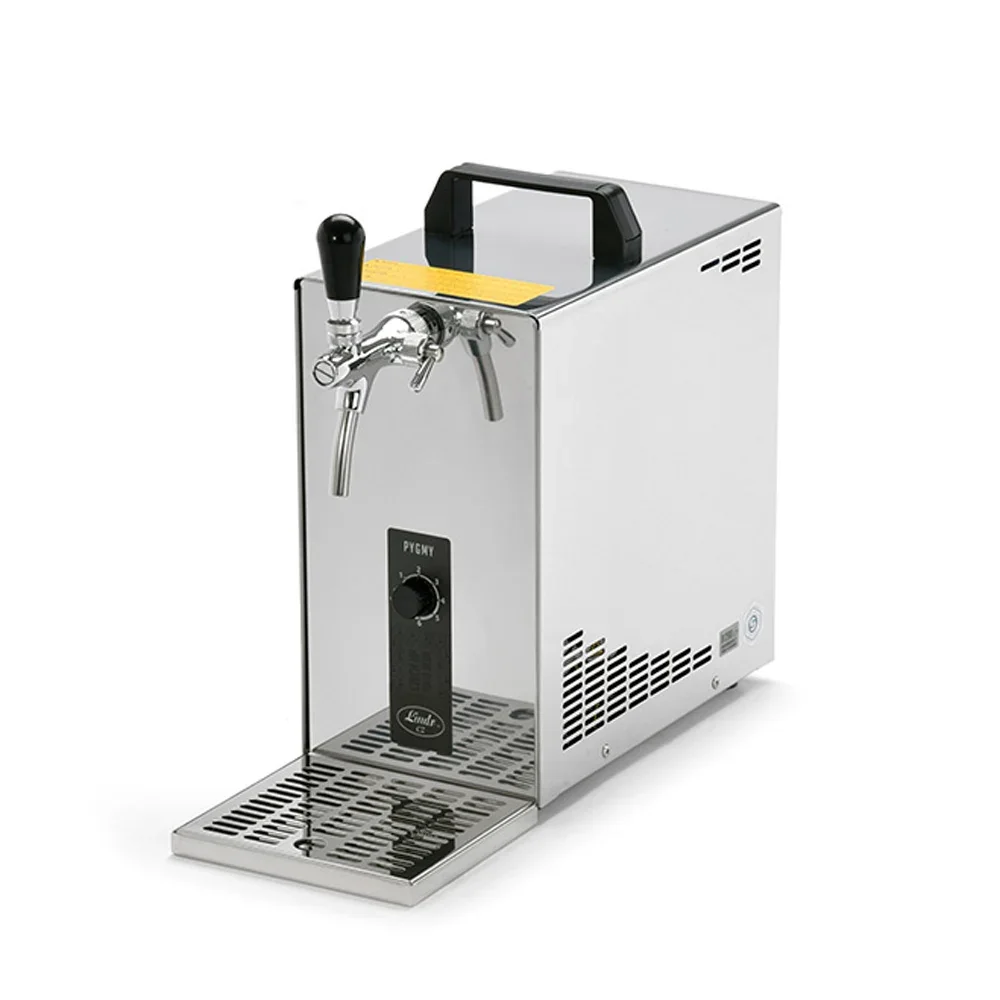
Make sure your beer keg has enough time to pre-chill, ideally 24 hours in a cold room or refrigerator. A modern beer dispenser such as the PYGMY 25 beer dispenser () with an integrated dry cooler helps you keep the temperature constant while pouring. These inline coolers bring the beer to the ideal temperature within just a few minutes.
Temperature is not just a number on a thermometer; it is the language in which beer tells its story. Only at the right temperature does it reveal its true character.
2. How do I set the dispensing pressure correctly?
Dispensing pressure, generated by CO2, has two jobs: it transports the beer from the keg to the tap and keeps the carbonation dissolved in the beer. If the pressure is too low, CO2 escapes from the beer and it becomes flat. If it is too high, additional CO2 is forced into the beer, causing excessive foaming. Setting the correct pressure is a delicate balance.
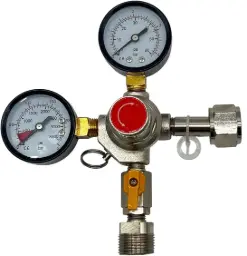
The required pressure depends on three main factors: the beer temperature, the beer's CO2 content (equilibrium pressure) and the system's resistance (hose length, hose diameter and height difference). A high-quality pressure reducer () is essential for this. It allows precise adjustment and keeps the pressure constant.
As a rule of thumb, you need an additional 0.1 bar of pressure for every metre of height difference between the centre of the keg and the tap. For every 2°C increase in temperature, the equilibrium pressure should be increased by approx. 0.1 bar. You can often find an exact table in the instructions for your beer dispenser or pressure reducer. Start with an estimated value (often around 1.2 bar) and adjust in small increments until the beer flows clearly and at the right speed.
Important note
Never use a faulty pressure reducer or a damaged CO2 cylinder. Check all connections for leaks before starting up the system, for example with leak detection spray. CO2 is an asphyxiating gas – always ensure good ventilation in the room where the CO2 cylinder is kept.
3. The Art of Pouring the Perfect Beer
Even with the perfect temperature and ideal pressure, a lot can go wrong during the actual pouring process. The right technique is crucial for an attractive head and the perfect drinking experience. With a little practice, the process becomes second nature.
Step-by-step guide to the perfect pour:
- Rinse the glass: Rinse the beer glass with cold, clear water immediately before pouring. A wet glass reduces friction, allowing the beer to flow more smoothly and produce less foam. Do not leave any washing-up liquid residue, as it will destroy the head.
- Hold it at an angle: Hold the glass at an angle of approximately 45 degrees beneath the tap. The tap nozzle should not touch the glass.
- Open the tap fully: Open the tap completely with one quick, smooth movement. A tap that is only partially open agitates the beer and produces too much foam.
- Fill and straighten: Let the beer run down the inside of the glass. When the glass is about two-thirds full, slowly straighten it to form the head.
- Let it settle and top up the head: Close the tap, set the glass down briefly and let the foam settle. Then add the head with a short, firm burst from the tap.
The glassware also plays a role. A clean, suitable glass, such as the beer glass set (), helps optimise head formation and aroma development.
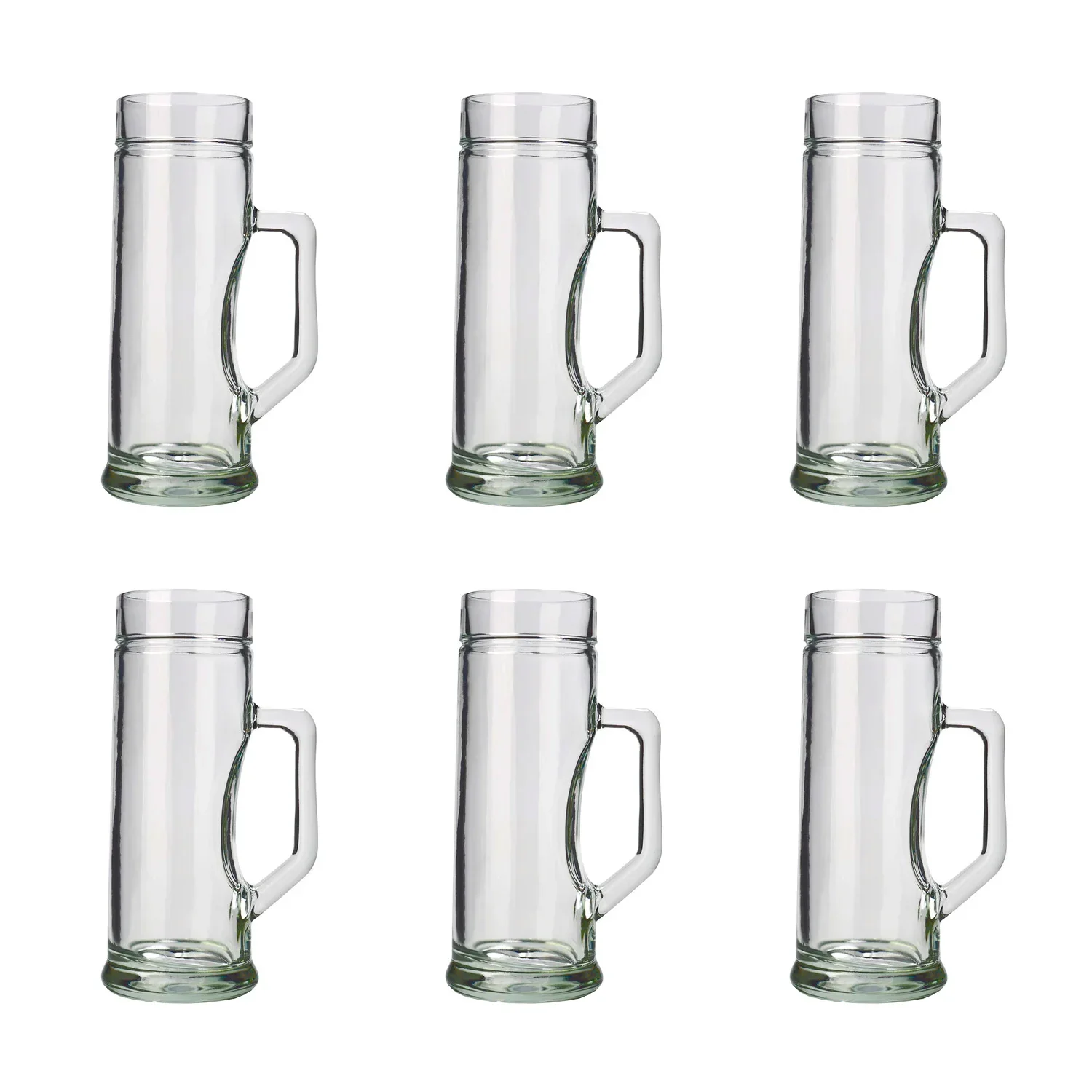
Additional advice
Wheat beer requires a special technique. The glass is held almost horizontally for much longer and only straightened at the very end to create the characteristic, voluminous head. Practise this technique to impress your guests.
4. Why is cleaning your beer dispensing system so important?
A clean beer dispensing system is not optional; it is an absolute necessity. Organic deposits can form in the lines, on the tap and on the couplings after only a short time. Yeasts, bacteria and so-called beer stone (calcium oxalate) multiply and not only severely affect the taste of the beer, but can also be harmful to your health.
A rancid or musty taste is a clear indication of a dirty system. Establish a regular cleaning routine. After every keg change, a thorough chemical clean with special cleaning agents is essential. The lines are flushed with a cleaning solution to remove all residue. Daily cleaning involves wiping down the tap and emptying and cleaning the drip tray.
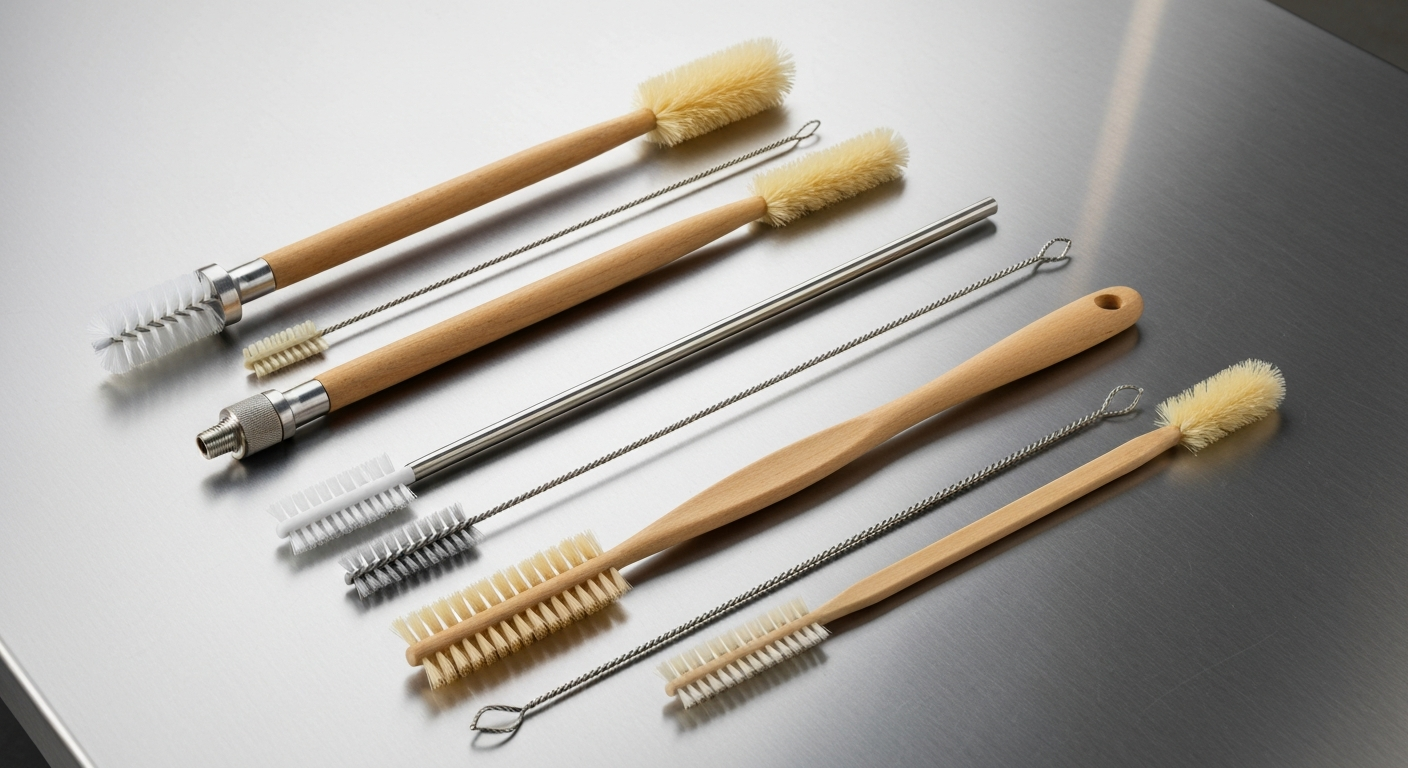
It is best to keep your cleaning utensils, such as brushes, sponges and adapters, neatly organised. Suitable baskets available for immediate delivery help you keep everything close at hand. A well-maintained system guarantees pure beer enjoyment and a long service life for your equipment. The right atmosphere completes the experience in your home bar. With the right lamps available for immediate delivery, you can create an inviting ambience.
5. Hoses and lines: the hidden heart of your system
The beer and CO2 lines are the arteries of your beer dispensing system. Their properties directly affect flavour, hygiene and pouring performance. As already mentioned, using food-grade material, such as the beer hose (), is essential. However, the diameter and length of the hoses also play an important role.
A longer or thinner hose creates more frictional resistance. This resistance slows the beer down on its way to the tap. This is not a disadvantage, but a physical factor you can use to your advantage. If your beer flows too quickly despite the pressure being correctly set, a longer beer hose may be the solution. It calms the beer flow and enables a clean pour. Suitable connectors such as the hose adapter () ensure tight and secure connections.
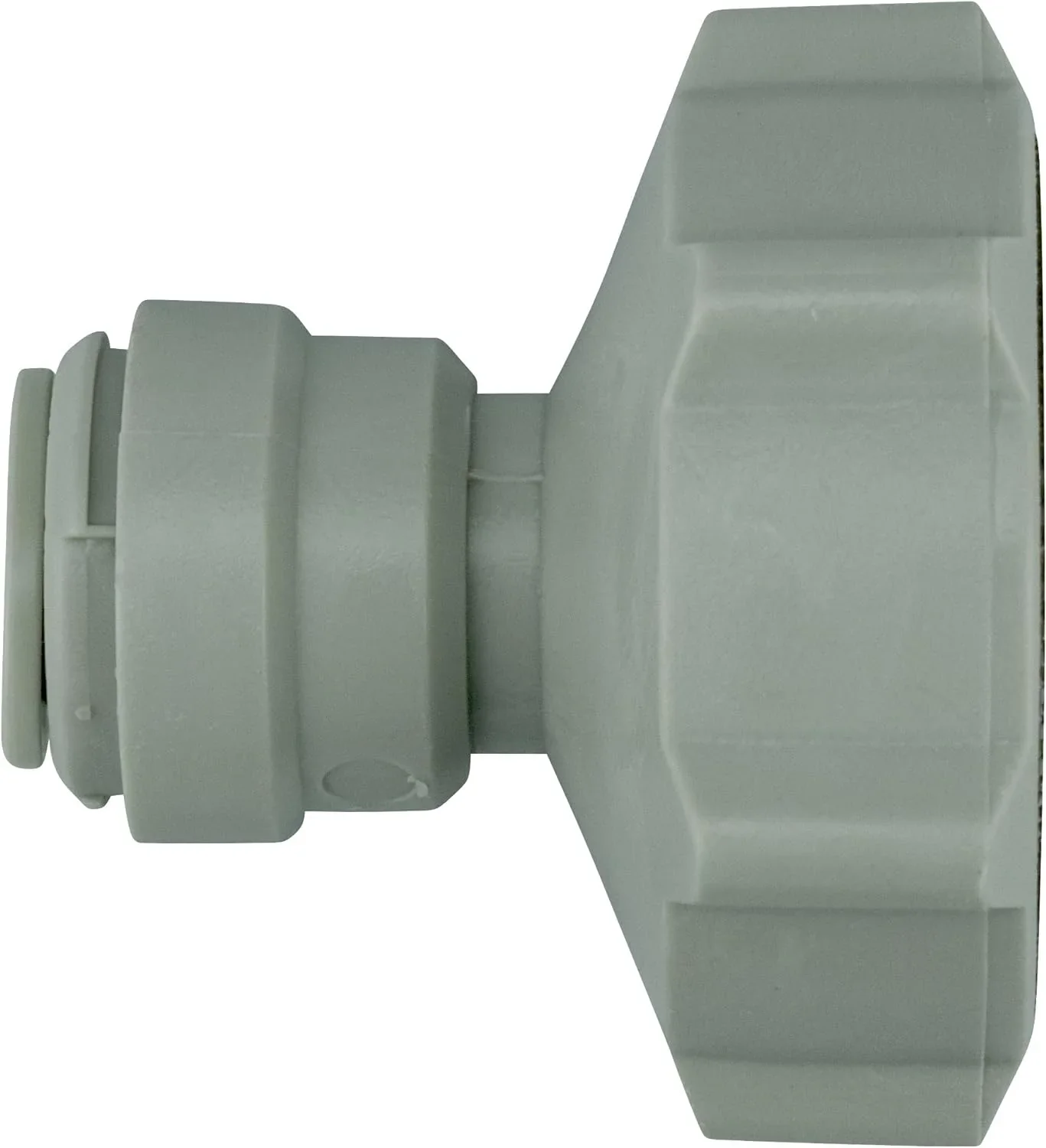
Beer hoses are wear parts. Over time, they can become porous, discolour or develop a biofilm on the inside that can no longer be completely removed even by cleaning. You should therefore replace the hoses regularly, at the latest every one to two years. This is a small investment that pays off in consistently high beer quality.
Pro tip
Use a hose with a higher pressure rating for the CO2 line than for the beer line. Mark the hoses by colour to prevent mix-ups during installation. Keeping the gas and beverage sides clearly separate makes maintenance considerably easier.
6. Choosing the right gas
For most beers, especially Pils, lager or wheat beer brewed in the German tradition, pure carbon dioxide (CO2) is the propellant of choice. It is a natural component of beer and provides the desired sparkle and a stable head. It maintains the balance of the carbon dioxide dissolved in the beer.
In some cases, especially with English or Irish beers such as stouts and some ales, a mixed gas is used. This generally consists of 70 % nitrogen (N2) and 30 % CO2. Nitrogen is considerably less soluble in liquids than CO2. The result is a beer with very fine, tiny bubbles and an especially creamy, dense and long-lasting head, like the one associated with Guinness. To operate with mixed gas, you need a special stout tap that forces the beer through fine nozzles, creating the creamy foam.
For starting your home bar, a CO2 system is the right and most versatile choice. It covers over 95 % of all common beer varieties and is straightforward to use. Check seals and valves regularly. Many replacement parts are AVAILABLE from us.
The soul of a beer is its carbonation. The right gas is the guardian of that soul. It preserves the sparkle the brewer gave the beer, from the keg to the glass.
7. How can I identify common beer dispensing problems and fix them?
Even with the best preparation, problems can occur. The key is to identify and resolve the cause quickly. Here are the most common beer dispensing problems and their solutions.
Problem: Only foam comes out of the tap
- Possible causes: The dispensing pressure is too high. The beer temperature is too high. The keg has recently been moved or shaken. The beer tap is not fully open.
- Solutions: Reduce the pressure on the pressure regulator in small increments. Check the cooling and give the beer more time to chill. Leave a freshly connected keg to rest for at least one hour. Always open the beer tap with one quick, full movement.
Problem: The beer is flat and has hardly any foam
- Possible causes: The dispensing pressure is too low, causing carbon dioxide to escape from the beer. The CO2 cylinder is empty. A line or connection is leaking.
- Solutions: Increase the pressure on the pressure regulator. Check the pressure gauge on the CO2 cylinder and replace it if necessary. Check that all hose connections and seals are securely fitted.
Problem: The beer tastes musty or sour
- Possible causes: The beer dispensing system is dirty. The beer lines are old and have developed a biofilm. The beer in the keg is old or has gone bad.
- Solutions: Carry out an immediate, thorough chemical cleaning of the entire system. Replace old or discoloured hoses with new, food-safe models such as the beer hose (). Check the best-before date on the keg.
With a little patience and systematic troubleshooting, you can get any problem under control. A perfectly poured beer is the reward for your care and attention.
Pouring beer is a craft based on the interplay of technology, physics and care. If you master the key factors of temperature, pressure and hygiene and use the right technique, nothing stands in the way of enjoying the perfect beer from your own beer dispensing system. Think of your system as a precision instrument that delivers outstanding results with the right care and components. Cheers!
Frequently Asked Questions
- What pressure do I need for my beer dispensing system?
- The ideal dispensing pressure depends on the beer temperature, CO2 content and hose length. A good starting point for most beers at a cellar temperature of 6-8°C is around 1.2 to 1.4 bar. Adjust the pressure in small increments until the beer flows perfectly.
- Why does only foam come out of my beer dispensing system?
- Excessive foam often has simple causes: The beer is too warm, the dispensing pressure is set too high, or the keg was moved shortly before tapping. Check these three points first. A beer tap that is only half open can also cause excessive foaming.
- How often do I need to clean a beer dispensing system?
- Clean the system thoroughly with a chemical cleaner after every keg change. Clean the drip tray and beer tap daily with hot water. Professional deep cleaning by a specialist is recommended at least once a year.
- Can I use any beer hose for my system?
- No, only use food-safe hoses with the appropriate certification. Hoses such as the beer hose (PRODUCT_23375) are specially designed for contact with beverages and CO2 and do not impart any unwanted taste to the beer.
- What is the difference between CO2 and mixed gas?
- Pure CO2 (carbon dioxide) is the standard for most German beer varieties and provides lively carbonation. Mixed gas (nitrogen/CO2) is used for beers such as Guinness or some ales. It creates finer bubbles and a creamier, more stable head.
You might also be interested in
- Beer dispensing system: Why is my beer foaming? Problems & solutions!
- Changing a beer hose: Step-by-step guide
- Buying a beer hose: Which 3/8-inch hose is the right one?
- Beer hose materials: Which hose is right for your perfect beer?
- 7 tips: Get maximum performance from your cordless rain barrel pump
- Beer in the home and garden: Practical hacks