
In brief: Horsetail tea is a natural plant-strengthening product that you can easily make yourself. The silica it contains strengthens cell walls and makes plants more resistant to fungal diseases such as powdery mildew and rust. Spray the diluted tea preventively onto leaves and stems. This remedy is a classic in organic gardening and replaces chemical fungicides.
Horsetail Tea: Make Your Own Natural Plant Protection
Chemical plant protection products are not always the first choice. Many gardeners rely on tried-and-tested home remedies. Horsetail tea is one such classic. It strengthens plants from within and makes them more resilient.
It is simple and inexpensive to use. You only need the plant, water and time. The result is an effective strengthening product for your entire garden. It is one step towards more natural plant protection.
Pro tip
Use an enamelled or stainless-steel pot to make the tea. Aluminium or copper pots can undergo unwanted chemical reactions with the plant compounds and reduce its effectiveness.
What is field horsetail and why does it work?
Field horsetail, also known as bottlebrush, is an ancient plant. It contains a high proportion of silica. This substance is deposited in the cell walls of treated plants.
The result is firmer and more stable tissue. Fungal spores find it harder to gain a foothold and cannot penetrate as easily. The plant develops a robust natural defence.
Silica is a building block for stable cell walls. A plant with a good silica balance is less susceptible to mechanical damage and fungal infections. Field horsetail provides it in a form that plants can use.
In addition to silica, the tea provides other minerals and secondary plant compounds. These support overall plant growth. Its effects are therefore comprehensive.
How to identify and collect the right plant
Do not confuse field horsetail with other plants. Its characteristic features are hollow, jointed stems with whorled side branches. It feels rough because of the silica deposits.
Collect the upper two thirds of the plant. The best time is early summer. This is when the concentration of active compounds is highest. Make sure you choose a clean collection site.
Avoid locations beside busy roads or fertilised fields. Pollutants may cling to the plants there. Meadow edges or your own garden are ideal if the plant grows there.
How do you make the tea step by step?
Making it follows a simple principle: soak, boil and steep. Allow around two days for the entire process. The active preparation time is short.
You need 1 kg of fresh or 150 g of dried field horsetail. Place the plant in a large pot. Pour over 10 litres of rainwater or standing tap water.
Important note
Do not boil the tea indoors without adequate ventilation. When the plant is heated, it produces a distinctive, strong smell that many people find unpleasant. It is best to use an outdoor cooking area or a barbecue.
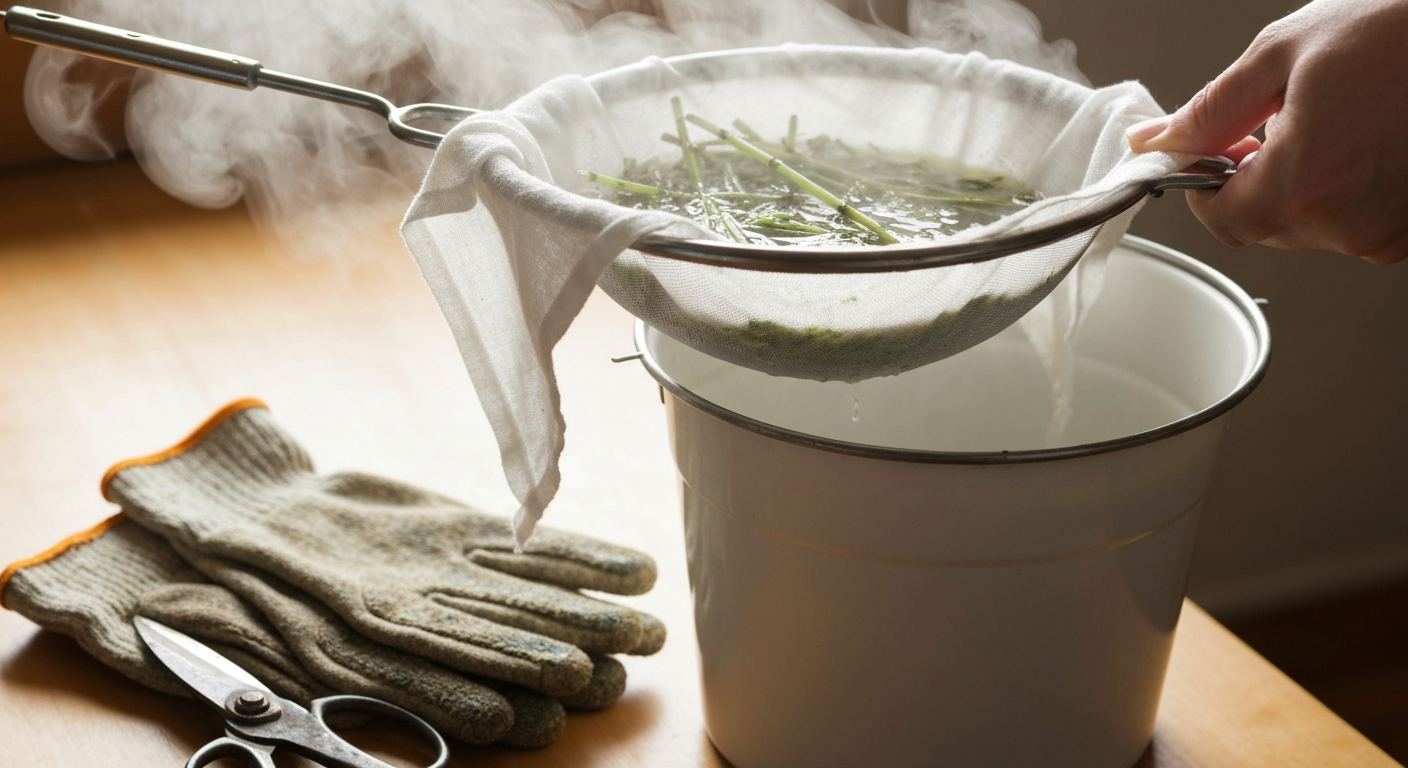
Leave the mixture to soak for 24 hours. This starts the fermentation process. Then heat the contents of the pot and simmer for half an hour.
Once it has cooled, strain out the plant material. A coarse sieve or an old tea towel is suitable for this. The finished tea has a brownish colour.
How to use it correctly in the garden
Never use the concentrated tea neat. Dilute it with water at a ratio of 1:5. For severe infestations or very robust plants, the mixing ratio can be 1:3.
Pour the mixture into a clean spray bottle or a garden sprayer. Thoroughly spray the leaves and stems of your plants from all sides. Also wet the undersides of the leaves.
The success of the treatment depends heavily on timing. Start preventive spraying early in the growing season. You can often no longer completely cure a severe, visible fungal infection with the tea alone, but you can contain it.
Repeat the application every one to two weeks. Spray again after heavy rainfall. The best time of day is early morning.
What problems does horsetail tea help with?
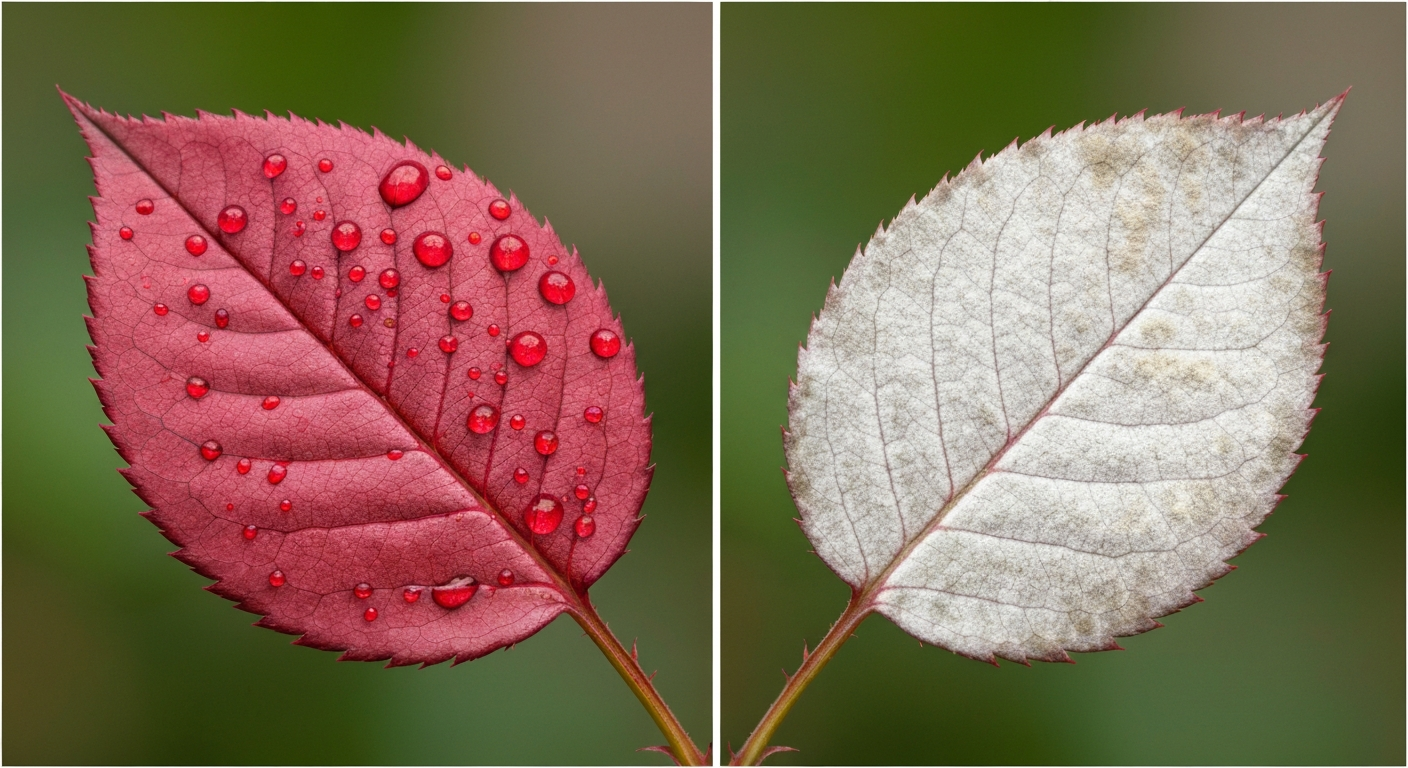
This home remedy is primarily a strengthening and preventive treatment. Its main strength lies in helping plants defend against fungal diseases. It can alleviate many common garden problems.
- Powdery and downy mildew: On roses, cucumbers, grapevines or gooseberries.
- Rust fungi: On roses, hollyhocks or celery.
- Scab: On apple and pear trees.
- Late blight and brown rot: As a preventive treatment for tomatoes and potatoes.
- General plant strengthening: For vigorous growth in vegetables and ornamental plants.
You can also use the tea to improve the soil. Pour it diluted directly around the roots. This promotes healthy root growth and soil activity.
Additional advice
Combine horsetail tea with other plant-strengthening home remedies for a complete treatment. Alternating it with nettle feed (as fertiliser) and comfrey tea (for potassium) supplies your plants with a comprehensive range of nutrients and natural defence.
Which plants benefit most?
Almost all garden plants tolerate and benefit from the tea. Treat particularly susceptible crops regularly. These include many popular fruit and vegetable varieties.
Tomatoes, cucumbers and courgettes in greenhouses and outdoors respond well. Roses and other ornamental plants prone to powdery mildew are also strengthened. Fruit trees such as peach trees benefit from treatment against peach leaf curl.
What equipment do you need to make and apply it?
The right equipment is helpful for organic gardening with home remedies. It makes the work cleaner and more efficient. A few basic tools are recommended.
A large stainless steel pot is the foundation. You will also need a sturdy sieve and several storage containers, ideally made of dark glass or plastic. A good sprayer is essential for application.
A is perfect for diluting and applying the tea. For larger areas, a is worthwhile. It saves time and ensures even distribution.
Gloves are advisable when handling concentrated tea. The or reliably protect your hands. Find suitable equipment in our garden tools category.
How to store horsetail tea and how long it lasts
Store the prepared tea immediately after it has cooled. Use dark, sealable containers for this purpose. A cool, dark place such as a basement or garage is ideal.
Stored this way, the tea will keep for several weeks to several months. Only dilute the amount you currently need. The remaining concentrate will stay fresh for longer.
Watch for changes. If mold forms or the tea smells rotten, dispose of it. A slightly fermented smell is normal after longer storage.
Field horsetail tea as part of organic gardening
This home remedy is more than an alternative to chemicals. It is part of a holistic gardening philosophy. You use a native plant to protect other plants.
The tea completes a cycle. Weeds become a valuable resource. You reduce waste and promote biodiversity in your garden. This strengthens the entire ecosystem.
Discover more natural solutions in our range of natural fertilizers and plant care. Combine the tea with other methods for a healthy, productive garden.
Get started this season. Collect field horsetail, prepare the tea and observe its effects. Your garden will thank you.
Frequently Asked Questions
- How often should plants be treated with field horsetail tea?
- Spray the tea on the leaves every one to two weeks as a preventive measure. In the event of an acute fungal infection such as powdery mildew, you can repeat the treatment every three to five days. Apply it in the early morning so the foliage can dry by evening.
- Can field horsetail tea also be used on vegetables?
- Yes, this home remedy is excellent for vegetable plants such as tomatoes, cucumbers and zucchini. It helps prevent common fungal diseases. Nevertheless, rinse harvested vegetables thoroughly before eating them to remove any residue from the tea.
- Where can I find field horsetail to collect?
- Field horsetail often grows in damp, nutrient-rich locations such as field edges, embankments or gardens with heavy, clay soil. Only collect it from uncontaminated areas, away from busy roads or conventionally farmed fields.
- How long does homemade field horsetail tea keep?
- After cooling, store the prepared tea in sealable glass bottles or canisters. When stored in a cool, dark place, such as a basement, it will keep for several weeks. Only dilute it with water immediately before use.
- Does field horsetail tea also work against pests such as aphids?
- Its main benefit is strengthening plants against fungal diseases. A direct pesticidal effect against pests such as aphids has not been proven. However, stronger plants are less susceptible to secondary damage following an aphid infestation. Other home remedies, such as nettle tea, can help against aphids.
You might also be interested in
- Garlic tea against aphids: Effective natural protection
- Plant protection without toxins: Your guide to a healthy garden
- Biological weed control: DIY home remedies
- Make your own mosquito spray: Natural protection for your garden and home
- Control garden pests naturally
- Baking soda against weeds: Effective & eco-friendly remedies