
In brief: A good airbrush compressor delivers consistent pressure, runs quietly and provides enough power for your application. Affordable diaphragm compressors are a good choice for beginners, while professional work calls for an oil-free piston compressor with a tank. Check the pressure, airflow and noise level.
Choosing the right airbrush compressor is key to getting great results. A poor-quality model can deliver uneven pressure, make too much noise or overheat quickly. In our 2026 test and comparison, we cover the key features and help you find the right type for your projects. Whether you’re new to the tools section or ready to upgrade your equipment.
Table of contents
Airbrush compressor types compared
Not all compressors work the same way. Their design affects performance, noise level and ideal applications.
Diaphragm compressors
These models are a popular choice for beginners and hobbyists. A vibrating diaphragm generates the pressure. They are compact, lightweight and relatively quiet, and their oil-free design is a major advantage. The tradeoffs are limited power and slight pressure fluctuations, since they usually run without a tank.
Diaphragm compressors are ideal for occasional projects, small areas in model making or practice. They’re a great starting point if you’re looking for an affordable airbrush compressor set.
Oil-free piston compressors
Piston compressors are powerful all-rounders. A piston compresses air inside a cylinder, and an oil-free design is essential for airbrushing. Many models have an integrated pressure tank for a smooth, steady airflow. They deliver more power, but are often somewhat louder and heavier than diaphragm models.
Compressors with a tank
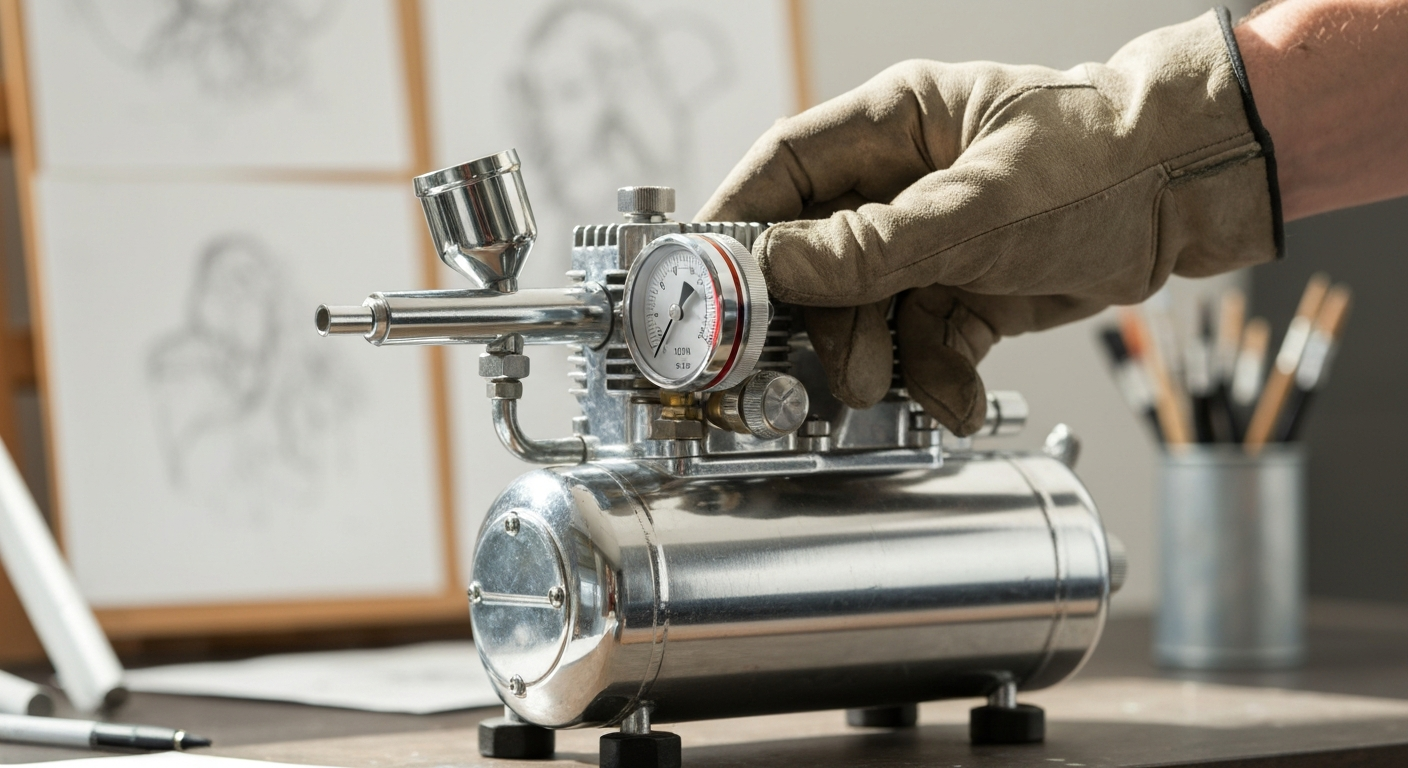
A pressure tank, also called a receiver, can make a big difference. The compressor fills the tank to a preset pressure, and you draw air from it while spraying. This has three benefits: the motor starts less often, which extends its service life and reduces noise; the air is cooler; and the pressure stays consistent.
What to look for in an airbrush compressor
What makes a good airbrush compressor? Check these technical specifications.
Maximum pressure (bar/psi): Most airbrush projects require 1,5 to 2,5 bar. Choose a compressor with a maximum pressure of at least 3-4 bar to give yourself enough room for fine adjustments.
Airflow (l/min): The key figure is the actual airflow delivered under load (FAD). For detailed work with one airbrush, 20-30 l/min is enough. For larger airbrushes or continuous use, look for 40-60 l/min or more.
Noise level (dB): If you work at home or share your workspace, noise matters. Diaphragm compressors often run at 50-60 dB, while piston compressors range from 60-75 dB. Compare the dB ratings before you buy.
Design and weight: Need to take your compressor with you? A compact, portable model is a practical choice. For a permanent studio setup, look for a sturdy housing and a rubberized base.
Don’t overlook the moisture separator. Compressing air creates condensation, and an integrated water separator protects your airbrush and workpiece from unsightly water splashes. Some budget sets don’t include one.
Understanding pressure and performance
More power isn’t always better. The key is finding the right balance.
Pressure control and pressure gauge
Precise pressure control is essential. A pressure gauge shows the current working pressure, and good controls let you make fine adjustments at lower pressures. Some compressors have two separate gauges: one for tank pressure and one for the outlet pressure to the airbrush.
Power consumption and efficiency
Wattage gives you an idea of a compressor’s power, but it doesn’t tell the whole story. An efficient motor with good cooling lasts longer and is less likely to overheat. Check the duty cycle: a compressor rated for a 100% duty cycle can run continuously.
Find the right compressor for your project
The best compressor is the one that fits your project.
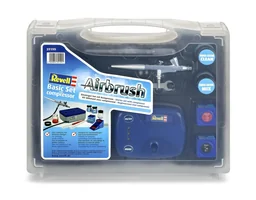
For model making and miniatures: These projects call for precision on a small surface. A quiet, compact diaphragm compressor without a tank is usually enough. Consistent low pressure matters more than high airflow. A set such as the is a great way to get started.
For custom painting and art: Larger canvases, motorcycle helmets and furniture often require longer spray times and larger airbrushes. A piston compressor with a tank (from 5 litres) is a great fit. It delivers the steady airflow you need for even coats of color.
For cosmetics and nail art: Hygiene and noise levels are especially important. Special, very quiet, compact medical compressors or high-quality oil-free diaphragm models are good choices. They must deliver completely clean, dry air.
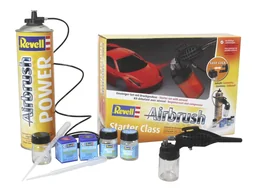
Start with a complete set. It usually includes a compressor, airbrush, hose and sometimes paints. You can learn how the system works, then upgrade individual components such as the airbrush later. Our tested is one option for getting started.
Caring for and maintaining your compressor
A little care can significantly extend your compressor’s service life.
- After each use, release the air from the tank and open the drain valve to remove condensation.
- Store the compressor in a dry, dust-free room.
- Check the hoses regularly for cracks and make sure the connections are secure.
- If your compressor has an air filter, replace or clean it according to the manufacturer’s instructions.
Most airbrush compressors require little maintenance. Avoid overloading them and keep them protected from dust and moisture.
Airbrush Compressor Comparison: Models Tested
We compare different types of airbrush compressors in this overview. The table makes it easy to compare the key features at a glance.
Here are the highest-rated airbrush compressors in our range:
| Model | Customer rating | Availability |
|---|---|---|
| Basic Set with Compressor | – | Currently unavailable |
| Complete Set #starter class# | – | Currently unavailable |
| Fritz Göbel Hoof Pick & Brush Yellow - Essential Hoof Care Tool | – | Currently unavailable |
| Fritz Göbel Hoof Pick with Brush - Blue - Durable Hoof Cleaning Tool | – | Currently unavailable |
| Fritz Göbel Hoof Pick with Brush - Durable Tool | – | Currently unavailable |
Models and Sets We Tested
Our test covers several categories. The is a solid starter set for getting started with airbrushing. It includes the basic equipment you need for small projects.
For hobbyists who want more power and consistent performance, the is worth considering. It often comes with a small tank and improved pressure control.
Professional users looking for powerful, reliable equipment should explore our compressors category. It also includes industrial-grade models designed for continuous operation.
Conclusion and Buying Guide
The right airbrush compressor depends on your budget, projects, and workspace.
For beginners and occasional users: Start with an affordable, oil-free diaphragm compressor without a tank. It is quiet, lightweight, and ideal for learning the basics and handling small jobs. A complete set can save you time and money.
For advanced hobbyists: Consider an oil-free piston compressor with a pressure tank (5-10 litres). The steady airflow, cooler air, and quieter operation during longer sessions make the extra cost worthwhile. Look for a model with a good moisture separator.
For professionals and commercial users: Choose a compressor with a large tank, a high duty cycle (100%), and enough airflow to power even larger spray guns. Durability and a long service life are top priorities.
Whatever model you choose, a good compressor is the foundation for clean airbrush results. Start by assessing your needs, then choose the right model from our airbrush compressor range.
Frequently Asked Questions
- What type of compressor is best for airbrush beginners?
- We recommend a quiet diaphragm compressor without a tank for beginners. It requires little maintenance, is lightweight, and works well for small model-building projects or practice. A set that includes an airbrush is a great choice.
- Do I need an airbrush compressor with a tank?
- A pressure tank is useful for longer jobs. It smooths out pressure fluctuations and maintains steady airflow. The compressor also needs to start less often, which can extend its service life and reduce noise.
- How loud should an airbrush compressor be?
- Noise level has a big impact on comfort. Diaphragm compressors are often quieter than 60 dB, while piston compressors can be louder. For indoor use or if you have noise-sensitive neighbors, choose the quietest model you can find.
- What does oil-free mean for an air compressor?
- Oil-free compressors do not use lubricant in the compression chamber. This is important for airbrushing because it prevents oil mist from entering the airflow and contaminating your work. Oil-free models also require less maintenance.
- Can I use a regular air compressor for airbrushing?
- Yes, but you will need a pressure regulator, moisture separator, and oil filter. Airbrush compressors are designed to deliver clean, dry air with minimal pulsation and precisely adjustable pressure.