
In brief: The best way to get rid of ants in raised beds is with barriers and scents. Sprinkle chalk, coffee grounds or cinnamon around the beds. These natural remedies disrupt the ants' sense of direction. Attract natural predators. For persistent nests, use baking soda mixtures selectively. Chemical products should be a last resort.
Get Rid of Ants in Raised Beds: Natural Methods
Ants in raised beds are not a disaster. They can even be useful. They loosen the soil and clear away waste. However, a large colony harms your plants. Ants encourage aphids and undermine roots. We'll show you natural ways to drive them away.
Chemicals are out of the question for many gardeners. That's sensible. Poisons have no place in your vegetable bed. Fortunately, many home remedies work just as well. They protect the environment and your harvest.
Why Do Ants Settle in Raised Beds?
Your raised bed offers ants ideal conditions. The loose, nutrient-rich soil is perfect for building a nest. The wooden frame provides shelter. The ants often find plenty of food here, too.
The symbiosis with aphids is particularly problematic. Ants milk aphids like livestock. They protect them from predators. In return, they receive sweet honeydew. This indirectly promotes another pest.
Pro tip
Check the undersides of leaves regularly. If you spot aphids early, you can also curb an ant infestation. Blast the aphids off with a strong jet of water. Beneficial insects such as ladybug larvae provide lasting help.
How Do I Recognize an Ant Infestation in a Raised Bed?
You see the ants on the plants or along the edge of the bed. Ant trails lead to the nest. You often find small piles of soil on the surface. These are piles of soil from their tunnels.
Affected plants may suddenly wilt. Their roots are no longer firmly anchored. Carefully lift a plant. Looking at the root ball will provide certainty. If it is crisscrossed with fine tunnels, take action.
Early signs: Many ants cross the edge of the bed. They collect seeds. The soil looks unusually crumbly and disturbed.
The First Step: Disrupt Their Scent Trails
Ants navigate using scents. Break up these chemical trails. This confuses the colony and stops further ants from arriving.
Sprinkle a broad line of chalk powder around the bed. Garden lime works, too. The ants avoid this alkaline barrier. Reapply it after rain.
“Ants are masters of logistics. Disrupt their communication and the colony becomes stressed. This is often the first step toward successfully driving them away.”
Coffee grounds are a versatile remedy. They give off a strong smell. The ants lose their bearings. At the same time, the grounds fertilize your plants. Spread them dry and loosely.
Which Home Remedies Reliably Get Rid of Ants?
Your home probably contains several effective remedies. They're inexpensive and safe for you and most beneficial insects.
Cinnamon and cloves: The strong smell acts as a deterrent. Sprinkle ground cinnamon or crushed cloves directly on the ant trails and around the bed. The essential oils are unbearable for ants.
Baking soda and sugar mixture: Mix baking soda with powdered sugar in a ratio of 1:1. The sugar attracts the ants. They carry the baking soda into the nest. There it reacts and harms the colony. Place the bait in shallow lids outside the bed.
Important note
Baking soda kills ants. It is not purely a deterrent. Use it selectively and only in cases of severe infestation. Make sure pets and children cannot reach the bait.
Vinegar solution: Mix one part household vinegar with three parts water. Spray this solution along the trails. It completely destroys the scent trails. The smell dissipates quickly. Repeat the application several times.
Use Plants as Natural Guards
Certain plants act like a living protective wall. Ants dislike their essential oils.
Plant lavender, thyme or marjoram along the edges of the bed. These herbs have an intense fragrance. They keep ants at a distance and enhance your cooking. Marigolds (Tagetes) are also effective. Their roots release substances that affect organisms in the soil.
For best results, combine different methods. A coffee-ground barrier combined with lavender planting works on two fronts.
What Should I Do About a Nest in My Raised Bed?
If you discover a nest in the root zone, you need to act more decisively. Relocation is the gentlest solution.
Place a flowerpot filled with wood wool or straw upside down over the nesting area. Within a few days, the ants often move into this new shelter with their queen. Afterward, move the pot to a suitable location farther away in the garden.
“Relocating rather than exterminating should always be your first thought. Ants are important to the garden ecosystem. They eat pest insects and are themselves food for birds.”
If this doesn't work, intensive disturbance can help. Pour larger amounts of water into the nest entrances several times a day. The damp soil becomes unbearable for the brood. The ants often give up and move out.
In our range of Garden + Plant Accessories, you'll find practical watering cans and spray nozzles for this gentle method.
Additional advice
Attract natural predators. An insect hotel for earwigs and lacewings can help. Birds also enjoy eating ants. A birdbath or water station near the bed will attract them.
Install Physical Barriers
Protect your raised bed over the long term. Build barriers when creating or renovating it.
Stick a wide strip of copper tape to the inner top edge of the raised bed. Copper creates an unpleasant sensation when the ants touch it. Double-sided tape also acts as an effective barrier. The ants get stuck to it.
Fill the gap between the raised bed and the ground with fine quartz sand or diatomaceous earth (kieselguhr). This layer is difficult for the small creatures to cross. It acts like a desert.
When are chemical products useful?
In cases of severe infestation or when the nest cannot be located, special products can help. Use them responsibly and never directly in the vegetable-growing area.
is a granulated product for watering and spreading. It works on contact. Spread it along ant trails outside your raised bed. The ants carry it back to the nest.is a ready-to-use spray for crawling insects. It works immediately on contact. Use it sparingly and only where needed, for example on the ant trail leading to the nest.are bait stations with nest action. The attractive substance draws worker ants in. They take the bait back and feed it to the entire colony, including the queen. The nest gradually dies out.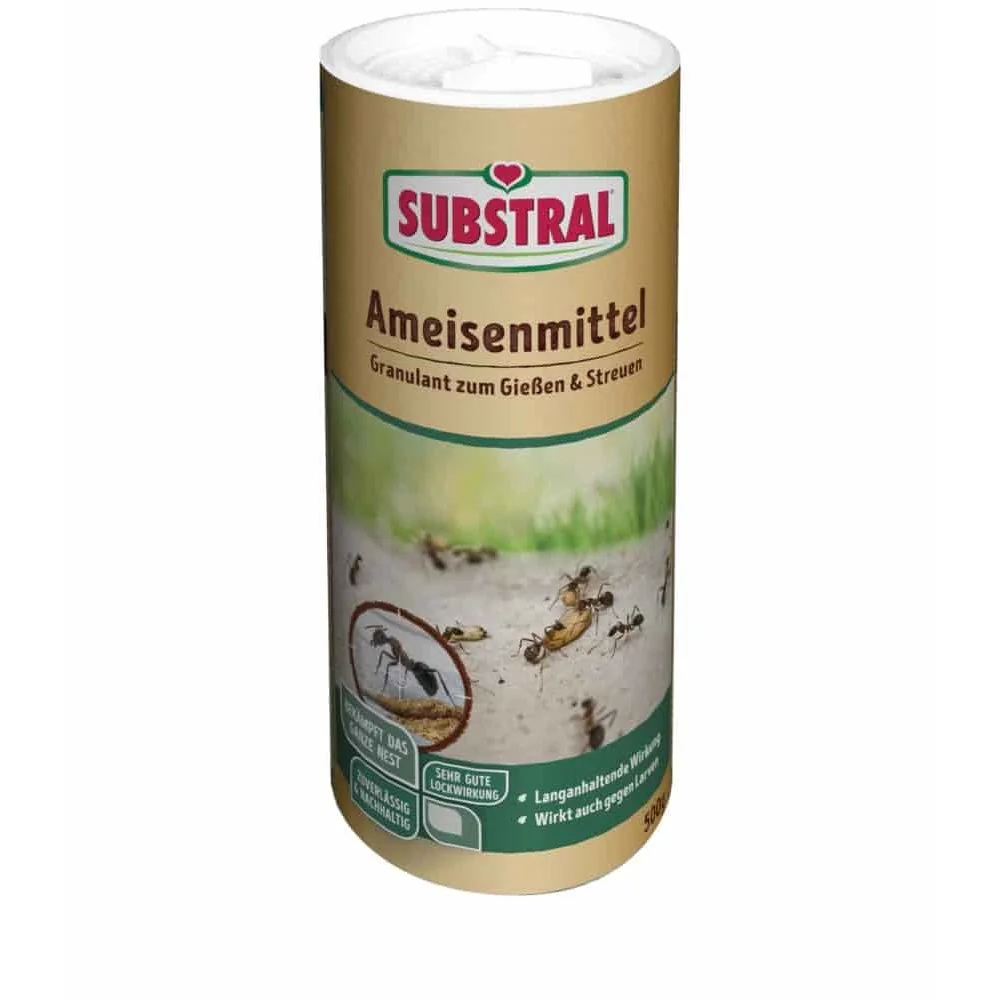
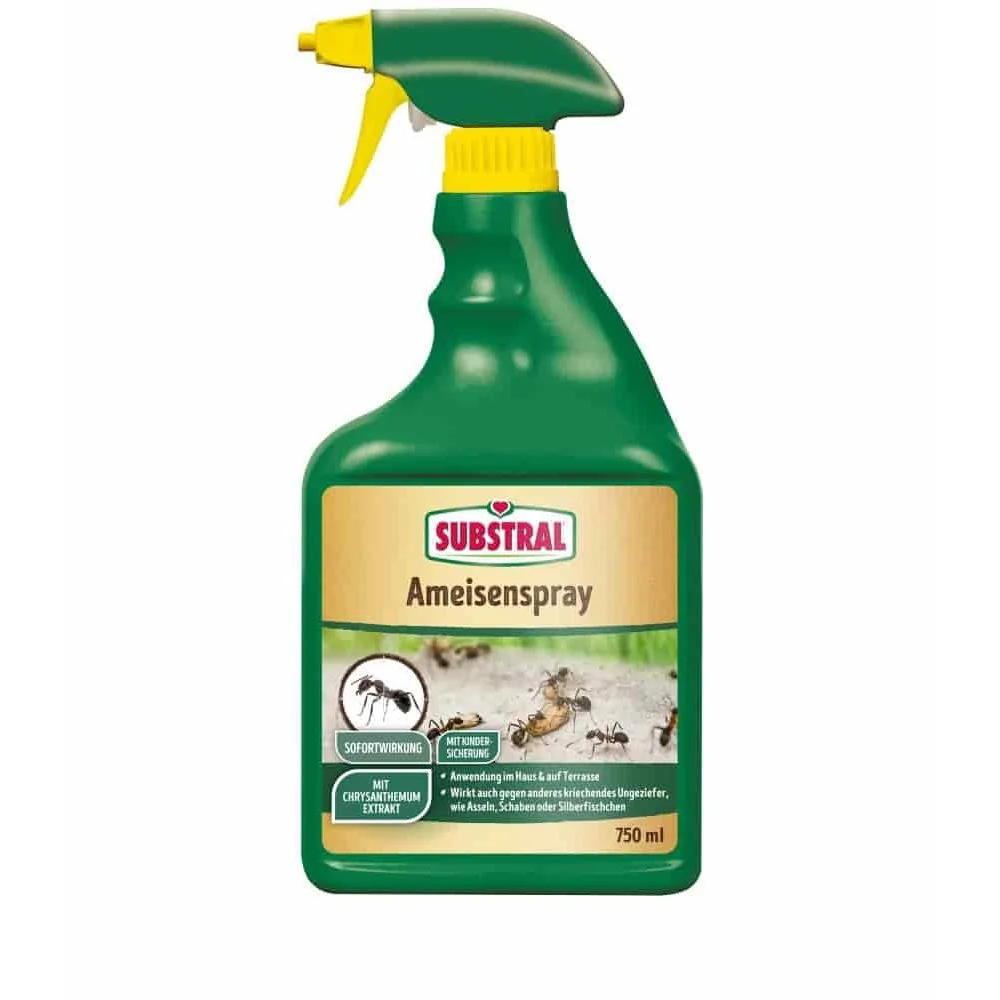
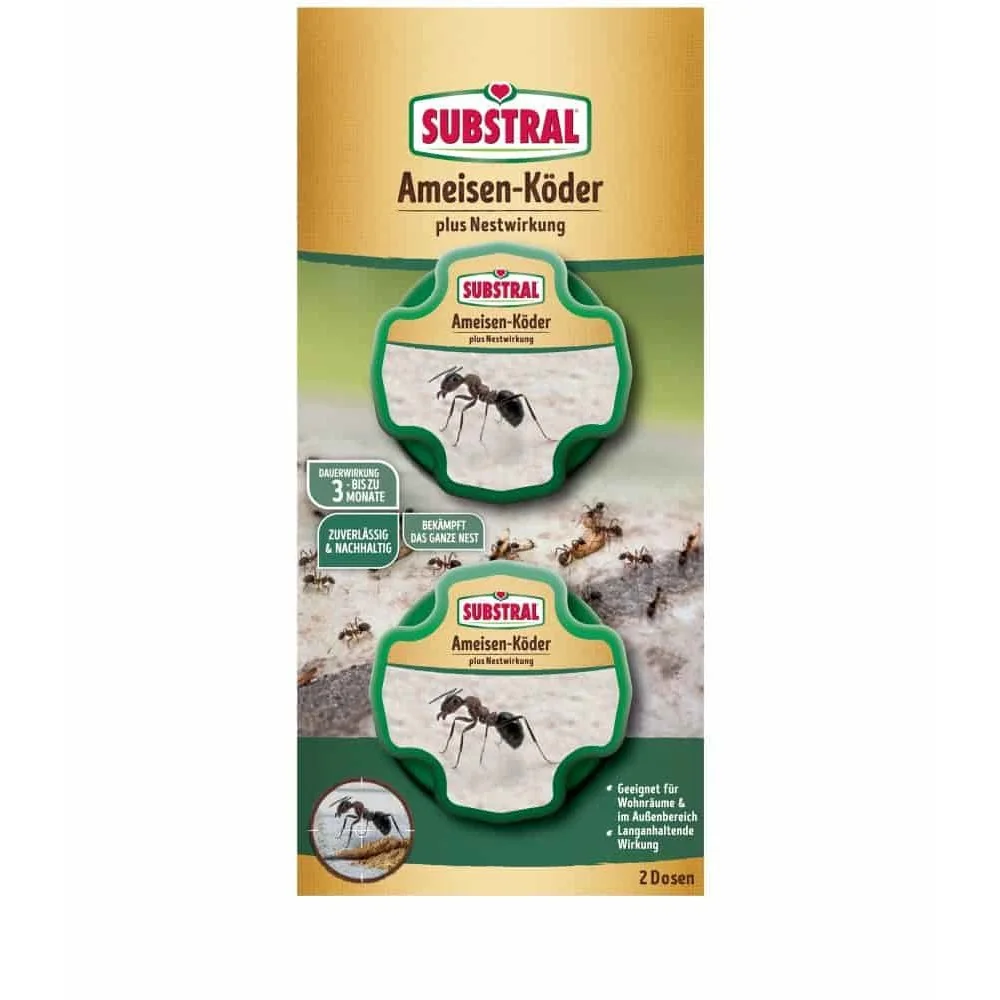
You can find these products in our category for garden tools and plant protection. Always read the instructions before use.
Prevention is better than getting rid of ants
Make your raised bed unattractive to ants from the outset. A sturdy liner or dimpled membrane fitted inside the walls makes access more difficult. The base of the raised bed should be protected against voles with fine-mesh wire. This also helps keep ants out.
Keep the surrounding area clean. Remove fallen fruit and any leftover vegetables immediately. These attract ants. A tidy garden area with the right garden equipment is less susceptible to infestations.
Water regularly, but avoid waterlogging. Evenly moist soil is less attractive to many ant species than dry, crumbly earth.
Maintaining balance in your raised bed
A few ants are normal. Only take action if there is significant damage. Keep an eye on your plants.
Healthy, vigorous growth can withstand minor disturbances. Strengthen your plants with the right fertilisation. A thriving raised bed can resolve many problems on its own.
Choose variety. Mixed planting confuses pests. Plant strongly scented herbs among your vegetables. This creates a resilient ecosystem in which ants cannot gain the upper hand.
With patience and the right natural methods, you can get rid of ants in your raised bed. You protect your harvest while preserving the natural balance in your garden.
Frequently asked questions
- Why are ants in a raised bed a problem?
- Ants protect aphids to feed on their honeydew. They build nests around the roots, disrupting the growth of young plants. Their tunnels loosen the soil too much. They can also carry away seeds and damage seedlings.
- Which home remedy works fastest against ants?
- A mixture of baking powder and icing sugar works quickly as bait. The ants carry it back to the nest, where it releases gas. Alternatively, a wide barrier of chalk or coffee grounds immediately disrupts their scent trails. This cuts off the colony's supply routes.
- Will coffee grounds harm my raised-bed plants?
- No, quite the opposite. Coffee grounds have a mild fertilising effect, slightly acidify the soil and loosen it. However, only spread them thinly and do not work them deep into the soil. This helps deter ants while nourishing your plants. Avoid thick layers.
- How can I stop ants getting into my raised bed?
- Use physical barriers. Attach copper tape or double-sided tape to the edges of the bed. Fill the gap between the ground and the raised bed with fine sand or rock dust. This layer acts as a protective barrier for your bed.
- Can I use chemical ant killers in a vegetable bed?
- We advise against using chemical products in raised beds. The poisons can accumulate in the soil and in your vegetables. If necessary, use them only in isolated spots outside the bed. Instead, choose biological alternatives from specialist retailers.
You might also be interested in
- Natural ant control: plants and herbs for protection
- Ants in plant pots: effective home remedies to get rid of them
- How to get rid of ants: home remedies and sustainable methods
- How to get rid of ants in masonry: effective methods
- Growing vegetables in raised beds: the best tips and tricks
- Ants in the lawn: the best home remedies and tips