
Kurz erklärt: Ein anpassbares Gartensieb ist für die meisten Gärtner die bessere Wahl. Es kombiniert mehrere Siebmaschen-Größen in einem Werkzeug, spart Platz und Geld. Damit sieben Sie flexibel Kompost, Erde oder Sand für jedes Projekt, von der Anzucht bis zur Beetvorbereitung, ohne mehrere einzelne Siebe kaufen zu müssen.
Inhaltsverzeichnis
Jeder Gärtner kennt das Ziel: lockere, feinkrümelige Erde, frei von Steinen und groben Stücken. Sie ist die Grundlage für gesunde Pflanzen und eine reiche Ernte. Doch der Weg dorthin führt oft über schwere, klumpige Erde oder unfertigen Kompost. Ein Gartensieb ist hier kein Luxus, sondern ein fundamentales Werkzeug. Es stellt sich nur die Frage: Reicht ein einfaches Standard-Sieb oder investieren Sie besser in ein flexibles, anpassbares Modell?
Die Antwort liegt in der Vielseitigkeit Ihrer Gartenprojekte. Für Gärtner, die mehr als nur eine Aufgabe bewältigen wollen, bietet ein Kombi-Gerät entscheidende Vorteile. Das XL Gartensieb 2 in 1 anpassbar ist ein Paradebeispiel für diese Flexibilität. Mit zwei austauschbaren Einsätzen liefert es Ihnen wahlweise eine Maschenweite von 4 mm oder 12 mm. So verwandeln Sie mit einem einzigen Werkzeug groben Kompost in feinen Dünger oder befreien Aushub von störenden Steinen.
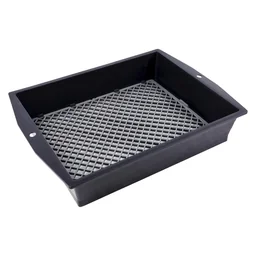
Was genau macht ein Gartensieb?
Ein Gartensieb ist im Grunde ein Trennwerkzeug. Sie schaufeln Material wie Erde, Kompost oder Sand hinein und schütteln es. Feine Partikel fallen hindurch, während grobe Bestandteile wie Steine, Äste, unverrottetes Material oder Lehmklumpen im Sieb zurückbleiben. Das Ergebnis ist ein homogenes, verfeinertes Substrat, das Sie gezielt einsetzen können.
Die häufigsten Anwendungsfälle sind klar definiert. Sie sieben Kompost, um wertvolles „Gärtnergold“ zu gewinnen, das Sie direkt zur Nährstoffversorgung Ihrer Pflanzen nutzen. Sie verfeinern Gartenerde, um ein perfektes Saatbett für empfindliche Samen zu schaffen. Oder Sie reinigen Sand, um ihn als Fugenmaterial für Terrassenplatten oder als auflockernde Komponente für schwere Böden zu verwenden. Jede dieser Aufgaben stellt unterschiedliche Anforderungen an das Endprodukt und damit an die Maschenweite des Siebes.
Die Qualität des Bodens ist das Fundament eines jeden erfolgreichen Gartens. Das Sieben ist kein zusätzlicher Schritt, es ist ein entscheidender Teil der Bodenaufbereitung, der den Unterschied zwischen kümmerlichem Wuchs und üppiger Ernte ausmacht.
Warum ist die richtige Siebmaschen-Größe entscheidend?
Die Größe der Löcher im Sieb, die Maschenweite, bestimmt die Feinheit des gesiebten Materials. Eine falsche Wahl führt entweder zu unbrauchbarem Ergebnis oder zu unnötig viel Arbeit. Deshalb ist es entscheidend, die passende Größe für Ihr Vorhaben zu kennen.
Feine Siebe (bis 6 mm)
Eine feine Maschenweite, wie die 4-mm-Option des , ist ideal für anspruchsvolle Aufgaben. Wenn Sie eigenes Anzuchtsubstrat herstellen, benötigen Sie eine extrem feine, lockere Erde, damit zarte Keimlinge ungehindert wurzeln können. Auch für die Rasenreparatur ist feines Material unerlässlich. Gesiebte Erde oder Kompost füllt kahle Stellen auf und bietet den Grassamen optimalen Bodenkontakt. Ebenso gewinnen Sie feinen Sand, der sich perfekt zum Verfugen von Pflastersteinen eignet und Unkrautwachstum hemmt.
Mittlere Siebe (ca. 8-10 mm)
Diese Allrounder-Größe ist perfekt für die allgemeine Kompostaufbereitung. Sie trennt fertigen Humus von groben Teilen, die einfach zurück auf den Komposthaufen wandern und weiter verrotten. Gleichzeitig bleibt die Struktur des Komposts erhalten, inklusive kleinerer Ästchen und nützlicher Lebewesen. Auch zur Verbesserung von Beeterde ist diese Maschenweite gut geeignet. Sie entfernen kleinere Steine und Wurzelunkräuter, ohne die Erde zu „pulverisieren“ und ihre natürliche Struktur zu zerstören.
Grobe Siebe (ab 12 mm)
Wenn es darum geht, große Mengen Erde von Bauschutt, Wurzeln und großen Steinen zu befreien, greifen Sie zu einer groben Maschenweite. Die 12-mm-Seite des anpassbaren Siebs ist hierfür bestens geeignet. Sie arbeiten schnell und effizient. Ein weiterer Einsatzbereich ist die Herstellung von Mulchmaterial. Gesiebter Grünschnitt oder Rindenmulch lässt sich so von zu großen Stücken befreien. Grob gesiebter Kompost dient zudem als unterste Schicht in Hochbeeten, wo er für eine gute Belüftung sorgt.
Zusätzlicher Rat
Das Material, das im Sieb zurückbleibt, ist kein Abfall. Gröbere Kompoststücke sind ein hervorragender „Starter“ für einen neuen Komposthaufen. Steine können Sie für Drainageschichten in Pflanzkübeln oder für Gartenwege wiederverwenden.
Der große Gartensieb Vergleich: Standard vs. Anpassbar
Bei der Wahl des richtigen Werkzeugs stehen Sie vor einer grundlegenden Entscheidung: ein klassisches Sieb mit fester Maschenweite oder ein modernes, anpassbares Modell.
Standard-Gartensiebe
Klassische Gartensiebe, wie das runde
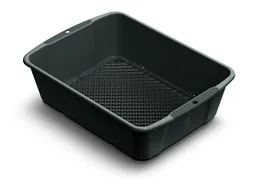
Gartensieb RESPANA oder die eckige Variante , haben eine einzige, fest verbaute Maschenweite. Ihr Vorteil liegt in der simplen und robusten Konstruktion. Es gibt keine losen Teile, was sie sehr langlebig macht. Der Nachteil ist offensichtlich: Sie sind Spezialisten. Für jede gewünschte Feinheit benötigen Sie ein separates Sieb. Das führt schnell zu drei oder vier verschiedenen Sieben, die Platz im Geräteschuppen beanspruchen und zusätzliche Kosten verursachen.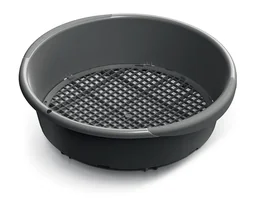
Anpassbare Gartensiebe
Hier liegt die Stärke von Modellen wie dem . Sie kaufen ein Werkzeug und erhalten die Funktionalität von mehreren. Durch austauschbare Einsätze wechseln Sie die Maschenweite in Sekunden und passen das Sieb an die jeweilige Aufgabe an. Das spart nicht nur Geld im Vergleich zum Kauf mehrerer Einzelsiebe, sondern vor allem wertvollen Stauraum. Ein anpassbares Gartensieb ist die kosteneffiziente und platzsparende Lösung für den vielseitigen Gärtner, der heute Anzuchterde und morgen groben Kompost verarbeiten möchte. Ein ähnliches Prinzip verfolgt das
Gartensieb 2 in 1. <>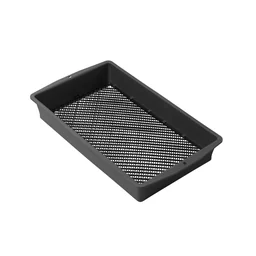
Wie nutzen Sie ein anpassbares Gartensieb optimal?
Die Arbeit mit einem Gartensieb ist einfach, aber einige Techniken helfen Ihnen, schnell und ohne große Anstrengung zum besten Ergebnis zu kommen.
- Material vorbereiten: Lockern Sie stark verdichtete Erde oder Kompost vor dem Sieben mit einer Grabegabel auf. Je trockener das Material, desto leichter lässt es sich sieben. Feuchte Erde verklumpt und verstopft die Maschen.
- Richtige Maschenweite wählen: Wählen Sie den passenden Siebeinsatz für Ihr Projekt. Fein (z.B. 4 mm) für Saatbeete, grob (z.B. 12 mm) für die erste Kompost-Sortierung.
- Sieb positionieren: Legen Sie das Gartensieb stabil auf eine Schubkarre oder einen großen Mörtelkübel. So fangen Sie das gesiebte Material direkt auf und können es leicht transportieren.
- Effizient sieben: Füllen Sie das Sieb nicht zu voll, maximal bis zur Hälfte. Mit kräftigen, aber kontrollierten Rüttelbewegungen nach links und rechts oder vor und zurück trennen Sie die Materialien. Bei hartnäckigen Klumpen helfen Sie mit der Hand (mit Handschuhen) nach und zerdrücken die Erdballen auf dem Gitter.
Profi-Tipp
Bauen Sie sich einen einfachen Holzrahmen, der auf Ihre Schubkarre passt und auf den Sie das Sieb legen. Wenn Sie den Rahmen leicht schräg stellen, rutscht das grobe Material beim Schütteln von selbst an eine Seite und lässt sich leichter entfernen.
Die Anwendungsbereiche im gesamten Garten + Outdoor Bereich sind vielfältig. Im Gemüsebeet schaffen Sie durch gesiebte Erde eine ideale Startbedingung für Ihr Saatgut. Für den Rasen erzeugen Sie ein feines Top-Dressing, das Unebenheiten ausgleicht. Am Komposthaufen trennen Sie das fertige Gold vom Rest und beschleunigen so den gesamten Rotteprozess.
Woran erkennen Sie ein hochwertiges Gartensieb?
Qualität zahlt sich aus, auch beim Gartensieb. Ein gutes Produkt begleitet Sie viele Jahre. Achten Sie auf folgende Merkmale.
Material
Gartensiebe bestehen meist aus Kunststoff oder Metall. Moderne Kunststoffe, wie sie beim verwendet werden, sind leicht, absolut rostfrei und witterungsbeständig. Sie sind einfach zu reinigen und bei guter Materialqualität sehr schlagfest. Metall-Siebe aus verzinktem Stahl oder Edelstahl sind extrem robust und widerstandsfähig, aber auch deutlich schwerer. Bei beschädigter Beschichtung können sie rosten.
Verarbeitung
Der Rahmen muss stabil sein und darf sich unter Last nicht verbiegen. Das Siebgitter sollte fest und sicher im Rahmen verankert sein. Bei anpassbaren Modellen ist der Mechanismus zum Wechseln der Einsätze entscheidend. Er muss leichtgängig, aber gleichzeitig sicher sein, damit die Einsätze bei der Arbeit nicht herausfallen.
Wichtiger Hinweis
Tragen Sie bei der Arbeit mit trockener Erde und Kompost immer Handschuhe und bei starker Staubentwicklung eventuell eine Atemschutzmaske. Im Kompost können Schimmelsporen enthalten sein, die Sie nicht einatmen sollten.
Ergonomie
Ein breiter Rand oder ausgeformte Griffe erleichtern das Halten und Rütteln erheblich. Die Größe des Siebes sollte zu Ihrer Schubkarre passen, damit es sicher aufliegt. Ein zu großes oder zu kleines Sieb macht die Arbeit unnötig kompliziert und anstrengend. Das XL-Format vieler moderner Siebe ist ideal für gängige Schubkarren-Größen.
<>Mehr als nur Erde sieben: Kreative Einsatzmöglichkeiten
Ein Gartensieb ist vielseitiger, als Sie vielleicht denken. Seine Fähigkeit, Materialien nach Größe zu trennen, macht es zu einem nützlichen Helfer bei vielen weiteren Aufgaben rund um Haus und Garten. Betrachten Sie es als Teil Ihres grundlegenden Garten + Pflanzenzubehör.
Haben Sie einen Gartenteich? Mit einem groben Sieb reinigen Sie Teichkies oder Filtersubstrat von Schlamm und Pflanzenresten. Nach dem Herbstlaubfall können Sie mit dem Sieb Blätter und Äste aus dem Wasser Ihres Pools oder Regenfasses fischen. Bei der Ernte von Kartoffeln, Möhren oder anderen Wurzelgemüsen legen Sie das Gemüse ins Sieb und schütteln die anhaftende Erde direkt auf dem Beet ab. So tragen Sie weniger Schmutz ins Haus. Selbst der Sand für den Kindersandkasten lässt sich von Blättern, Steinchen und anderem Unrat befreien.
Das richtige Werkzeug für die richtige Aufgabe zu haben, ist die halbe Miete. Ein Werkzeug, das sich an verschiedene Aufgaben anpassen lässt, ist pure Effizienz.
Die Entscheidung zwischen einem Standard-Gartensieb und einem anpassbaren Modell ist letztlich eine Entscheidung für mehr Flexibilität. Während ein einfaches Sieb eine Aufgabe gut erledigt, meistert ein vielseitiges Sieb wie das eine ganze Reihe von Herausforderungen. Für den passionierten Gärtner, der Wert auf optimierte Prozesse und vielseitig einsetzbares Werkzeug legt, ist die Wahl klar. Es ist die smarte Investition in einen aufgeräumten Geräteschuppen und perfekte Ergebnisse bei jedem Projekt, von der Sanitär + Bewässerung bis zur Beetgestaltung.
Häufige Fragen
- Welche Maschenweite brauche ich für Kompost?
- Für reifen Kompost, der als Dünger dient, ist eine Maschenweite von 8-12 mm ideal. Sie entfernt grobe, unverrottete Teile, lässt aber wichtige Struktur und nützliche Organismen durch. Für feine Anzuchterde aus Kompost verwenden Sie eine kleinere Maschenweite von 4-6 mm.
- Kann man mit einem Gartensieb auch Steine aus der Erde entfernen?
- Ja, absolut. Ein Gartensieb ist perfekt dafür geeignet. Verwenden Sie eine grobe Maschenweite (z.B. 10-15 mm), um größere Steine und Wurzelreste effizient aus Ihrer Gartenerde zu sieben. Das Ergebnis ist ein feinkrümeliges, steinfreies Beet, ideal für die Aussaat und Bepflanzung.
- Wie reinige ich ein Gartensieb am besten?
- Reinigen Sie Ihr Gartensieb direkt nach der Benutzung mit einer Bürste und Wasser. Hartnäckige Erdreste weichen Sie kurz ein. Lassen Sie es vollständig trocknen, bevor Sie es lagern, besonders Metall-Siebe, um Rost vorzubeugen. Ein sauberes Sieb verhindert die Übertragung von Pflanzenkrankheiten.
- Lohnt sich ein anpassbares Gartensieb wirklich?
- Ja, für die meisten Gärtner lohnt es sich. Statt drei oder vier verschiedener Siebe benötigen Sie nur ein einziges Werkzeug. Das spart nicht nur Geld, sondern vor allem wertvollen Platz im Geräteschuppen und macht Sie für alle anfallenden Siebarbeiten im Garten flexibel.
- Aus welchem Material sollte ein gutes Gartensieb sein?
- Die Wahl hängt von Ihrer Präferenz ab. Kunststoff-Siebe sind leicht, rostfrei und preiswert. Hochwertige Metall-Siebe sind extrem langlebig und robust, aber schwerer. Für den vielseitigen Einsatz ist ein stabiles Kunststoffmodell wie das XL Gartensieb 2 in 1 eine ausgezeichnete Wahl.
Das könnte Sie auch interessieren
- Gartensieb kaufen: Warum das XL 2-in-1 Modell die beste Wahl ist
- Schlechte Erde? 7 Tipps mit dem Gartensieb für gesunde Pflanzen
- Effiziente Ernte: Die besten Helfer & Tipps für Ihren Garten
- Bewässerungssysteme im Garten: Welche Option ist die beste?
- Sichtschutznetz vs. Matte: Der große Vergleich für Ihren Garten
- Gartenschlauch-Systeme: So wählen und warten Sie für effizientes Gießen