
Kurz erklärt: Ein effektiver Arbeitsschutz kombiniert Komfort, zuverlässigen Schutz und die passende Norm. Unser Vergleich zeigt, dass moderne Helme mit Automatikverdunklung und ergonomische Kniepolster die größten Vorteile bieten. Entscheidend ist die Auswahl nach Ihrem konkreten Einsatzgebiet und den geltenden Sicherheitsstandards.
Sicherheit ist keine Verhandlungsbasis. Im Jahr 2026 hat sich der Markt für Arbeitsschutz weiterentwickelt, mit einem klaren Fokus auf intelligente Technologien und verbesserten Tragekomfort. Unser Test und Vergleich hilft Ihnen, aus der Vielzahl der Angebote die Schutzausrüstung zu finden, die zu Ihren Anforderungen passt. Wir analysieren Funktionen, Normen und Einsatzgebiete.
Egal ob Sie professionell im Handwerk tätig sind oder anspruchsvolle Hobbyprojekte realisieren: Die richtige Ausrüstung schützt Ihre Gesundheit und ist die Grundlage für konzentriertes, sicheres Arbeiten. Stöbern Sie auch in unserem umfangreichen Werkzeug Sortiment, um komplett ausgestattet zu sein.
Inhaltsverzeichnis
Welche Arbeitsschutz-Kategorien gibt es?
Arbeitsschutz unterteilt sich in verschiedene Kategorien, die jeweils spezifische Körperbereiche schützen. Eine systematische Einteilung hilft bei der Auswahl.
Kopf- und Gesichtsschutz
Diese Kategorie umfasst Schutzhelme, Visiere, Schweißhelme und Gehörschutz. Der Schutz des Kopfes ist prioritär, da Verletzungen hier oft schwerwiegende Folgen haben.
Augenschutz
Schutzbrillen gegen Splitter, Chemikalien, Staub oder optische Strahlung wie beim Schweißen fallen hierunter. Die Abdichtung zur Gesichtshaut und die Vergütung der Gläser sind entscheidend.
Atemschutz
Von einfachen Staubmasken bis zu partikelfilternden Halbmasken (FFP) schützen diese Produkte die Lunge. Die Filterklasse muss zur Partikelgröße und Gefahrenstoffkonzentration passen.
Hand- und Körperschutz
Dazu zählen Handschuhe für verschiedene Gefahren (Schnitt, Hitze, Chemie), Schutzanzüge, Sicherheitsschuhe und Kniepolster. Der Materialaufbau definiert den Schutzlevel.
Kombinieren Sie Schutzausrüstung sinnvoll. Eine Schutzbrille allein nützt wenig, wenn Sie keinen Gehörschutz bei lauten Maschinen tragen. Denken Sie immer an das Gesamtpaket für Ihre Tätigkeit.
Kaufkriterien im Test: Worauf achten?
Bei der Auswahl von Arbeitsschutz bewerten wir verschiedene Kriterien. Diese entscheiden über Sicherheit, Komfort und Langlebigkeit.
Normen und Zertifizierungen
Das wichtigste Kriterium ist die Konformität mit geltenden Sicherheitsnormen. Achten Sie auf das CE-Zeichen und spezifische EN-Normen. Diese bestätigen, dass das Produkt europäischen Sicherheitsanforderungen entspricht.
Material und Verarbeitung
Hochwertige Materialien wie Polycarbonat für Brillen oder antistatische Beschichtungen für Helme sind ein Qualitätsmerkmal. Prüfen Sie Verarbeitungsdetails wie Nähte, Verschlüsse und Einstellmöglichkeiten.
Tragekomfort und Ergonomie
Schutzausrüstung, die nicht getragen wird, schützt nicht. Gute Polsterung, verstellbare Riemen, Atmungsaktivität und ein ausgewogenes Gewicht sind für die Akzeptanz entscheidend.
Kompatibilität
Stellen Sie sicher, dass die einzelnen Komponenten zusammenpassen. Ein Schutzhelm muss zum Beispiel Platz für einen Gehörschutz bieten, eine Brille sollte unter einem Visier getragen werden können.
Die meistbewerteten Arbeitsschutz aus unserem Sortiment im direkten Vergleich:
| Modell | Kundenbewertung | Verfügbarkeit |
|---|---|---|
| Automatik Schweißhelm mit Zusatz LED 🏆 Testsieger | ★ 4,9 (18) | Auf Lager |
| "X-PAD" Entlastet - Komfortabel - Robust | – | Derzeit nicht verfügbar |
| - | – | Derzeit nicht verfügbar |
| - | – | Derzeit nicht verfügbar |
| - | – | Derzeit nicht verfügbar |
Die besten Produkte im Vergleich 2026
Unser Vergleich stellt konkrete Produkte aus aktuellen Tests gegenüber. Wir beleuchten ihre Stärken und idealen Einsatzszenarien.
Automatik-Schweißhelm mit Zusatz-Funktionen
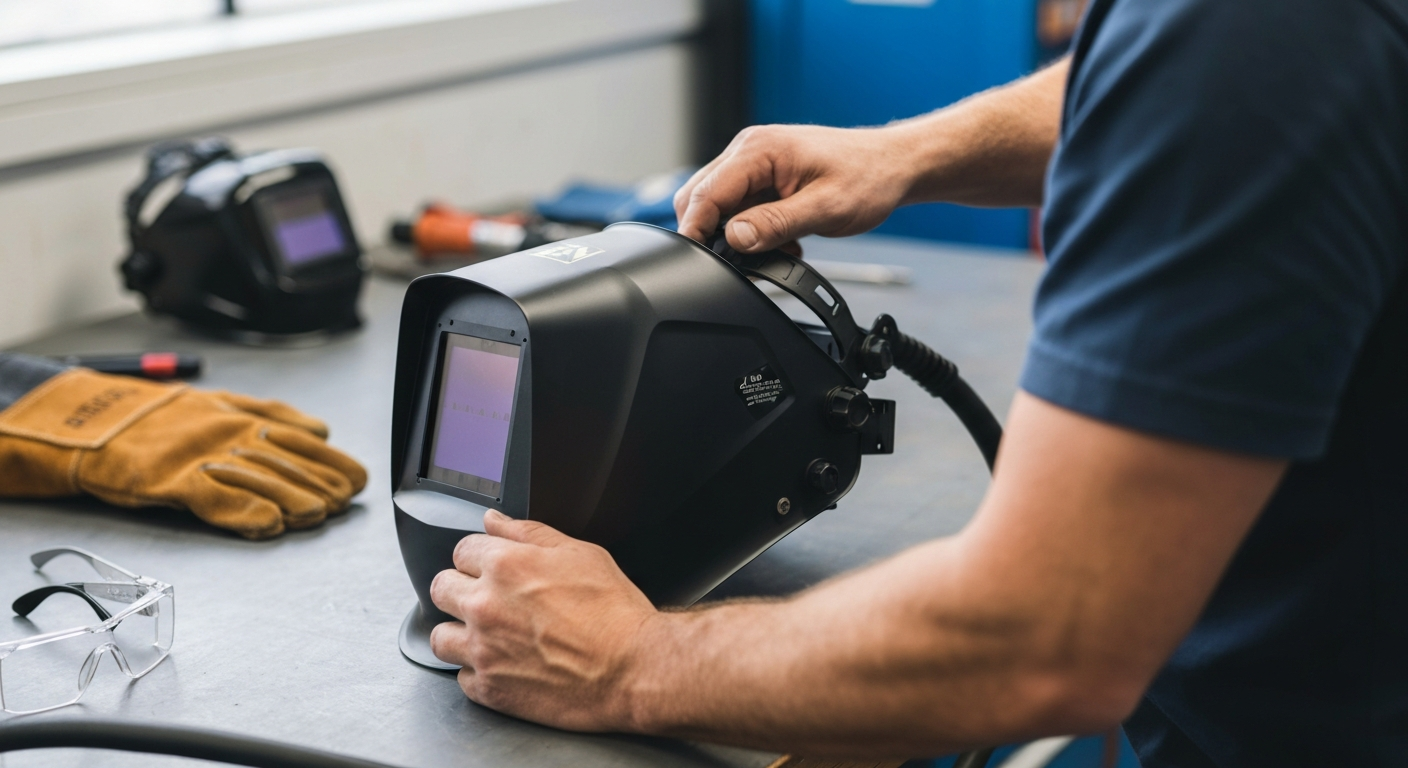
Moderne Schweißhelme setzen auf Automatikverdunklungsfilter (ADF). Ein aktuelles Top-Modell ist der . Seine Stärken liegen in der extrem schnellen Reaktionszeit des Filters und dem großen Sichtfeld.

Zusätzliche LED-Arbeitsleuchten erhellen den Arbeitsbereich vor dem Zünden des Lichtbogens, was die Präzision und Sicherheit erhöht. Die Einstellungen für Empfindlichkeit und Dunkelstufe lassen sich individuell an verschiedene Schweißverfahren anpassen.
Prüfen Sie regelmäßig die Funktion des Automatikfilters. Legen Sie den Helm nie direkt starkem Sonnenlicht aus, dies kann die Sensoren beschädigen. Lagern Sie ihn im mitgelieferten Schutzbeutel.
Ergonomische Kniepolster für langen Einsatz
Für Arbeiten in kniender Position sind bequeme und robuste Polster essenziell. Das Produkt überzeugt hier mit seinem innovativen Aufbau. Das Gelkernsystem verteilt den Druck gleichmäßig und entlastet die Gelenke spürbar.
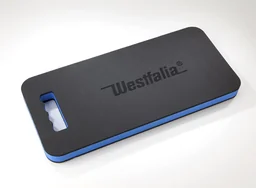
Der robuste, aber flexible Außenmantel aus strapazierfähigem Material widersteht scharfen Kanten und Feuchtigkeit. Die Befestigungssysteme ermöglichen ein sicheres Sitzen am Bein ohne einzuschneiden.
Weitere beachtenswerte Kategorien
Neben den genannten Highlights verdienen weitere Bereiche Aufmerksamkeit. Im Bereich Atemschutz sind Masken mit Ausatemventil und verformbarem Nasenbügel ein Komfortgewinn.
Bei Schutzbrillen sind Modelle mit beschlaghemmender Belüftung und austauschbaren Gläsern für verschiedene Lichtverhältnisse eine lohnende Investition. Sehen Sie sich die gesamte Palette im Bereich Arbeitsschutz an.
Anwendungsgebiete und Empfehlungen
Die Wahl des richtigen Arbeitsschutzes hängt stark vom konkreten Einsatz ab. Hier finden Sie gebündelte Empfehlungen für typische Tätigkeiten.
Holz- und Metallbearbeitung
Hier sind Schutz gegen Splitter, Staub und Lärm zentral. Kombinieren Sie eine eng anliegende Schutzbrille (EN 166) mit Gehörschützer (EN 352) und Staubmaske (mind. FFP2). Für Schleifarbeiten ist ein Partikelfilter unverzichtbar.
Schweißarbeiten
Neben einem Helm mit ADF (EN 379) benötigen Sie flammhemmende Schutzkleidung, Lederhandschuhe und Sicherheitsschuhe mit Stahlkappe. Achten Sie auf Funkenresistenz in Ihrer Umgebung.
Arbeiten mit Chemikalien
Der Schutz orientiert sich am Sicherheitsdatenblatt der Chemikalie. Oft notwendig sind chemikalienbeständige Handschuhe (Materialangabe beachten), eine Brille mit Seitenschutz und bei Dämpfen ein passender Atemschutz.
Die hier genannten Empfehlungen sind allgemeiner Natur. Bei betrieblicher Nutzung ist immer die Gefährdungsbeurteilung gemäß Arbeitsschutzgesetz und die Einhaltung spezifischer Berufsgenossenschaftsregeln maßgeblich.
Pflege und Wartung
Arbeitsschutz bleibt nur sicher, wenn er richtig gepflegt wird. Vernachlässigte Ausrüstung kann versagen.
Regelmäßige Inspektion
Überprüfen Sie vor jedem Einsatz Ihre Ausrüstung visuell. Suchen Sie nach Rissen, starken Abnutzungen, verhärteten Polstern oder trüben, zerkratzten Sichtscheiben. Defekte Teile sofort austauschen.
Richtige Reinigung
Reinigen Sie Helme, Brillen und Visiere mit mildem Seifenwasser und einem weichen Tuch. Vermeiden Sie aggressive Lösungsmittel, die Kunststoffe angreifen oder Beschichtungen zerstören können. Polster nach Möglichkeit abnehmbar und waschbar wählen.
Fachgerechte Lagerung
Lagern Sie Arbeitsschutz trocken, vor direkter Sonneneinstrahlung und vor extremen Temperaturen geschützt. Nutzen Sie dafür die mitgelieferten Aufbewahrungstaschen oder -boxen. So vermeiden Sie Verformungen und Materialermüdung.
Zukunftstrends im Arbeitsschutz
Die Entwicklung im Arbeitsschutz geht hin zu mehr Intelligenz, Vernetzung und Individualisierung. Diese Trends werden den Markt prägen.
Smarte Sensoren und IoT
Helme oder Westen mit integrierten Sensoren könnten zukünftig Vitaldaten des Trägers überwachen oder gefährliche Gaskonzentrationen in der Umgebung erkennen und warnen. Die Datenübertragung erfolgt drahtlos.
Verbesserte Materialien
Leichtere und gleichzeitig festere Verbundwerkstoffe erhöhen den Tragekomfort ohne Schutz zu opfern. Atmungsaktive, aber absolut dichte Membranen werden Schutzanzüge angenehmer machen.
Personalisierter Schutz
3D-Scanning und additive Fertigung könnten es ermöglichen, Schutzausrüstung wie Ohrstöpsel oder Einlagen für Sicherheitsschuhe passgenau für den individuellen Nutzer herzustellen. Das maximiert den Komfort.
Die Wahl des richtigen Arbeitsschutzes ist eine Investition in Ihre Gesundheit und Produktivität. Orientieren Sie sich an den Normen, Ihrem konkreten Arbeitsumfeld und dem Tragekomfort. Mit den hier vorgestellten Produkten und Kriterien treffen Sie eine fundierte Entscheidung für sicheres Arbeiten im Jahr 2026 und darüber hinaus.
Häufige Fragen
- Welche Arbeitsschutz-Normen sind am wichtigsten?
- Die wichtigsten Normen sind die europäischen CE-Kennzeichnungen, die die grundlegende Sicherheit belegen. Zusätzlich gibt es spezifische Normen wie EN 166 für Augenschutz oder EN 397 für Industrieschutzhelme. Prüfen Sie immer, ob das Produkt für Ihren spezifischen Einsatzzweck zugelassen ist.
- Wie oft muss Arbeitsschutz ausgetauscht werden?
- Der Austausch hängt von Material, Nutzung und Herstellerangaben ab. Helme sollten nach einem starken Aufprall sofort ersetzt werden. Bei Polstern und Kleidung ist regelmäßige Sichtkontrolle auf Risse und Abnutzung entscheidend. Folgen Sie stets den Wartungsvorschriften des Herstellers.
- Was macht einen guten Schweißhelm aus?
- Ein guter Schweißhelm bietet eine automatische Verdunklungsfilter (ADF) mit schneller Reaktionszeit, einen weiten Blickwinkel und ergonomische Einstellmöglichkeiten für Kopfgröße und Neigung. Zusatzfunktionen wie einstellbare Empfindlichkeit oder LED-Arbeitsleuchten erhöhen den Komfort.
- Kann ich Arbeitsschutz auch als Privatperson kaufen?
- Ja, Sie können Arbeitsschutz auch für private Projekte kaufen. Achten Sie auch hier auf die passenden Sicherheitsnormen. Für den gelegentlichen Gebrauch im Heimwerkerbereich sind oft Produkte der unteren oder mittleren Schutzklasse ausreichend.
- Welche Schutzausrüstung brauche ich zum Schleifen?
- Beim Schleifen sind Schutzbrille (gegen Funken und Partikel) und Atemschutz (gegen Feinstaub) unverzichtbar. Je nach Werkstück und Maschine können auch Gehörschutz und Schutzhandschuhe notwendig sein. Informieren Sie sich im Arbeitsschutz-Bereich über die passende Ausrüstung.