
In brief: Choosing the right baking pans and accessories is essential for successful, delicious results. A high-quality, adjustable baking sheet offers maximum flexibility, while specialty pans for baguettes or muffins help you achieve professional results. Materials such as nonstick aluminum, silicone and ceramic each have specific advantages and disadvantages when it comes to heat distribution and handling. Our 2026 test and comparison helps you find the ideal bakeware for your projects.
Successful baking depends not only on the recipe, but also to a considerable extent on having the right tools. Your choice of baking pans and accessories affects the browning, shape and even the flavor of your creations. In our comprehensive 2026 test and comparison, we examine the most important categories and show you which products perform well in practice and what to look for when buying.
Tip: Start by investing in a versatile, high-quality baking sheet and a round springform pan. These two essentials already cover a large proportion of baking projects.
Which types of baking pans are essential?
A well-equipped bakeware cupboard is based on a few versatile essentials. These basic pans are worth considering.
The all-purpose baking sheet
A baking sheet is the workhorse of every oven. It is used for cookies, sheet cakes, pizza, roasted vegetables and much more. Adjustable models are particularly practical, as they make removing and serving food easier. A set such as the
combines this functionality with useful accessories.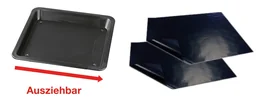
Important features include:
- Stability: A thicker, warp-resistant sheet is less likely to bend in the heat.
- Nonstick coating: Makes cleaning easier and prevents food from sticking and burning.
- Rim height: A slightly raised rim keeps liquids such as fat or fruit juice contained.
The versatile springform pan
Round springform pans are ideal for cheesecakes, cake bases and many sponge cakes. The removable base makes it easy to release baked goods. A suitable
can also prevent batter from leaking through when baking delicate cake layers.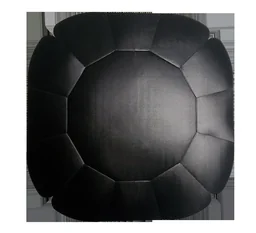
Specialty pans for special occasions
If you have a favorite dish, specialty pans are well worth considering. A
is one of the few ways to bake authentic, crusty baguettes with their characteristic shape at home. It distributes heat evenly around the dough and helps form a crisp crust.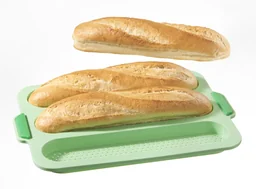
How do the materials differ?
The material of a baking pan determines its heat distribution, weight and care requirements.
Aluminum: The classic choice
Aluminum baking pans are lightweight, affordable and conduct heat very well and quickly. This results in fast browning. Modern versions often feature a high-quality nonstick coating, such as the one on the
. One disadvantage is that thin aluminum can dent easily.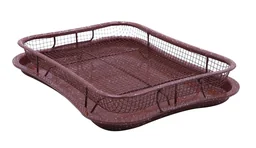
Ceramic: For even heat
Ceramic dishes such as casserole or gratin dishes retain heat exceptionally well and release it very evenly. They are perfect for dishes that require gentle heat over a longer period. However, the material is heavy and prone to breaking.
Silicone: Flexible and nonstick
Silicone baking molds are extremely user-friendly. They are flexible, easy to wash and baked goods come out almost by themselves. They are ideal for muffins, small cakes or icings. However, bear in mind that they often need support, such as a baking sheet, and may conduct heat less effectively.
Warning: Never use metal tools such as knives, spatulas or forks in nonstick baking pans or on baking sheets. Abrasive cleaning sponges can also permanently damage the coating.
Which baking accessories make life easier?
As well as the pans themselves, useful accessories can make everyday baking more professional.
Oven grill baskets for crispy results
An oven grill basket such as the makes it possible to get fried-style results, such as crispy chicken wings or fries, in the oven using considerably less fat. The triple nonstick coating and raised position ensure hot air circulates all around the food.
Pastry boards and baking mats
A large, sturdy pastry board provides a hygienic, heat-resistant work surface for rolling out dough, preparing pizzas or cooling baked goods. It protects your kitchen countertop.
Reusable baking sheets and parchment paper
They save time when cleaning and prevent food from sticking. Reusable baking sheets can be used repeatedly, while parchment paper helps you remove delicate cookies safely. A set such as offers a practical combination.
How do I find the right baking pan for my dish?
Your choice should primarily be guided by how you plan to use it. Ask yourself these questions:
- What do I bake most often? Heavy baking sheets or baking stones are ideal for bread and pizza, while a springform pan is suitable for sponge cakes.
- How important is presentation? Specialty pans such as bundt or heart-shaped pans are mainly a matter of appearance and gifting.
- How much space do I have? Large baking sheets and bulky pans require plenty of storage space.
What are the most common mistakes when using baking pans?
Even with the best baking pans, results can be disappointing if you make a few basic mistakes.
Not greasing or flouring the pan
Even nonstick pans can have spots where batter sticks, especially with very sugary or low-fat mixtures. Lightly greasing the pan with butter or oil is almost always a good precaution. This usually isn't necessary with silicone molds.
Holding a hot pan under cold water
Thermal shock can permanently warp metal and cause ceramic to crack. Always let baking pans cool completely to room temperature before cleaning them.
Incorrect oven rack position
Most baked goods cook best on the middle rack. A rack that's too high exposes food to intense heat from above and can burn the bottom, while one that's too low can leave the top pale.
Note: Check your oven seal regularly and calibrate the temperature if necessary. An inaccurate oven temperature is a common but often overlooked cause of baking failures, regardless of the quality of the pan.
Baking Pans Test & Comparison 2026: Our Recommendations at a Glance
After analyzing the market and considering practical needs, we recommend the following products for different uses.
Our most-reviewed baking pans and accessories compared:
| Model | Customer rating | Availability |
|---|---|---|
| 3-piece value set: Adjustable baking pan + 2 reusable baking sheets | – | Currently unavailable |
| Apple fritter pan, 8-hole, Ø 33 x 3 cm | – | Currently unavailable |
| BBQ ceramic baking dish | – | Currently unavailable |
| Pastry board 55 x 35 x 2 cm | – | Currently unavailable |
| Oven grill basket "Super Crisper", 3-layer nonstick coating | – | Currently unavailable |
Buying Guide: How to Make the Right Choice
To wrap up, here are the most important buying criteria. Quality pays off over time: with proper care, high-quality baking pans can last for decades.
- Material and construction: Look for sturdy walls, an even coating and a smooth finish without sharp edges.
- Compatibility: Will the pan fit in your oven? Also consider the width of adjustable baking pans.
- Care: Are the pans dishwasher-safe? That's a major convenience.
- Versatility: How many different dishes can you bake in the pan? Multipurpose products often offer the best value.
Explore our wide selection of baking pans and accessories in the Baking Pans & Baking Accessories category. For more kitchen tools, visit Kitchen Tools & Cooking Accessories. Find all our household items in the Household overview.
With the right baking pans and accessories, you can turn your oven into a reliable source of delicious treats. From crusty bread and moist cakes to perfectly roasted vegetables, the right tools help your baking projects turn out just right.
Frequently Asked Questions
- What is the best material for baking pans?
- There isn't one best material for every use. Aluminum conducts heat exceptionally well and is lightweight, making it ideal for cakes and bread. Ceramic distributes and retains heat evenly, making it perfect for casseroles and roasts. Silicone is flexible and nonstick, so baked goods release easily, but it often conducts heat less effectively. The right choice depends on how you plan to use it.
- Do I need a special baking pan for pizza?
- For crispy pizza crust, we recommend a heavy, preheated steel or aluminum baking pan or a pizza stone. A thin, adjustable standard baking pan can warp in the heat and lead to uneven baking. A thick-walled pan or dedicated pizza pan stores and transfers heat to the crust more effectively.
- How do I clean nonstick baking pans properly?
- Once nonstick bakeware has cooled, clean it with warm water, mild dish soap and a soft sponge or cloth. Avoid harsh cleaners, scouring pads and metal utensils, which can scratch the delicate coating. To remove baked-on residue, soak the pan in a little water and dish soap.
- Are silicone baking molds safe to use?
- High-quality silicone baking molds made from food-grade, certified silicone, such as BfR- or FDA-approved silicone, are safe when used properly. Look for the relevant certification and avoid cheap products from unknown sources. Wash the molds before using them for the first time and follow the specified maximum temperature.
- When should I buy specialty baking pans?
- Specialty baking pans for baguettes, muffins or other baked goods are worthwhile if you want to make them regularly and to a high standard. They help ensure consistent shape and size and even baking. For occasional bakers, versatile basics such as round springform pans or rectangular baking pans are often the more practical choice.