
In brief: A blooming balcony oasis starts with choosing the right containers, high-quality potting soil and plants suited to your light conditions. Combine flowering plants with structural plants such as grasses or small shrubs. Regular watering and feeding, along with timely pruning of faded stems, will keep your balcony in bloom from spring through fall.
Balcony Planting: A Guide to a Blooming Oasis
Your balcony is more than a concrete space. It is a place to live, a piece of nature up high. With the right plants, you can transform it into a private sea of flowers. This guide takes you through planning, choosing plants and ongoing care.
Let's start with the basics.
How do I get started with balcony planting?
First, assess your starting situation. The three most important factors are light, wind and weight.
Note how many hours of direct sunlight your balcony receives each day. Full sun means more than six hours. Partial shade means three to six hours. Shade means less.
Check the wind conditions. Higher floors are more exposed. Plants there need sturdy stems and possibly wind protection.
Consider the weight. A fully waterlogged planter filled with soil is heavy. Check your balcony's load capacity.
Choosing the right plant containers
Containers are the foundation. They store water, support roots and are an important design element.
Classic window boxes are ideal for balcony railings. Deep planters provide room for larger root systems. Hanging baskets make use of vertical space.
Materials have advantages and disadvantages. Terracotta is breathable but can crack in frost. Plastic is lightweight and frost-resistant but stores less heat. Wood has a natural look but needs an inner lining.
Important note
Every plant container must have drainage holes in the bottom. Waterlogging is the most common reason balcony plants die. Cover them with a layer of expanded clay or gravel for drainage.
The size of the pot determines growth. Containers that are too small dry out quickly and restrict the plant.
What is the best soil for balcony flowers?
Garden soil is unsuitable. It is too heavy, becomes compacted quickly and may contain diseases.
Use high-quality potting soil for container plants. It has a stable structure, is airy and stores water well. Special soil for flowering plants often contains a starter fertiliser for the first few weeks.
For particularly thirsty plants such as petunias, you can mix in water-retaining granules. For cacti or Mediterranean herbs, add sand or expanded clay.
Do not fill the containers to the brim. Leave two to three centimetres of space for watering.
The most important nutrients for flowers
Plants in containers have a limited supply. After about six weeks, the starter fertiliser in the soil will have been used up.
From then on, fertilise regularly. A liquid flower fertiliser mixed into the watering can feeds plants directly. Fertiliser sticks release nutrients slowly.
Nitrogen (N) promotes leaf growth. Phosphorus (P) supports flower formation. Potassium (K) strengthens cells and resilience.
A balanced flower fertiliser contains all three components.
“The dose makes the poison. With balcony plants, it is better to fertilise more often at a weak concentration than rarely and too heavily. Roots burned by overfertilisation hardly recover.”
How do I choose the right balcony flowers?
The choice is huge. Base your selection on your location and the level of care you want to provide.
Flowers for sunny balconies
Many classic plants tolerate full sun. However, they need plenty of water.
Pelargoniums (geraniums) are virtually indestructible. They bloom in red, white, pink and purple. Trailing pelargoniums like are ideal for window boxes and hanging baskets.
Petunias and calibrachoas offer a flood of flowers. They are true long-lasting bloomers.
Sunflowers add height and cheerfulness. Choose compact varieties for your balcony.
Other sun lovers include wishbone flowers, verbena and moss roses.
Flowers for partially shaded and shady balconies
Plants that would burn in the blazing midday sun thrive here.
Fuchsias, with their elegant bell-shaped flowers, love cool, humid locations. offers a beautiful selection.
Begonias, both tuberous and elatior begonias, bloom reliably in the shade. Their leaves are often decoratively patterned.
New Guinea impatiens can also tolerate more sun than classic busy Lizzies.
White and light-coloured flowers and silvery leaves, such as those of flowering tobacco, brighten shady corners visually.
Pro tip
Use the thriller-filler-spiller principle: one upright focal plant (e.g. a geranium), several filler plants (e.g. bidens or lobelia) and trailing or spreading plants (e.g. trailing strawberries or ivy) around the edge. This creates depth and fullness.
How do I plant window boxes correctly?
The technique determines how well plants get started. It is best to work on a mild, overcast day.
Prepare all the containers. Add the drainage layer. Fill in the first few centimetres of soil.
Carefully remove the plants from their pots. Gently loosen the root ball if it is very compact.
Plant the tallest specimen first, usually in the centre or at the back. Then arrange the filler and trailing plants around it.
Make sure there is enough space. Plants planted too close together compete for light and nutrients. They are also more susceptible to fungal diseases.
Fill all gaps with soil. Press the soil down gently. Water thoroughly until water runs out of the drainage holes.
Planting ideas for special accents
Flowers are not the only way to make a balcony beautiful. Include foliage plants such as colourful ornamental grasses or PURPLE_LEAF.
Small shrubs such as dwarf conifers or flowering camellias, like in the
, add structure and come back year after year.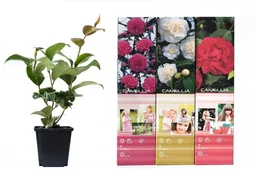
Make use of vertical space with climbing plants such as cypress vine or sweet pea on a trellis.
Themed planting schemes are appealing: an herb balcony with basil, thyme and rosemary. A snack balcony with strawberries, tomatoes and chilli peppers.
“Don't be afraid of colour! A monochrome balcony in different shades of blue looks elegant and calming. A contrasting mix of yellow and purple is lively and powerful. The effect is in the eye of the designer.”
How do I care for my balcony plants throughout the seasons?
Regular care ensures long-lasting blooms. It involves just a few simple tasks carried out regularly.
Watering: The key to success
Water thoroughly. Briefly sprinkling the plants only wets the surface. Wait until water runs out of the bottom.
The best time to water is early in the morning. The plants can use the water throughout the day. Watering in the evening can encourage fungal diseases on cool nights.
Use collected rainwater if possible. It contains little limescale and is at a suitable temperature.
Automatic watering systems with drip emitters are a worthwhile investment for holidays.
Feeding and deadheading
From the sixth week after planting, feed weekly with liquid fertiliser at half strength.
Removing spent flowers is essential. The plant puts its energy into new buds instead of seed production.
With long-flowering plants such as petunias, you can cut back all the shoots by one third in midsummer. They will then produce fresh, bushier growth.
Additional advice
Check your plants regularly for pests such as aphids or spider mites. If detected early, they can often be controlled with a strong jet of water or biological products based on rapeseed oil. Isolate heavily infested plants.
Overwintering perennial plants
Not all balcony plants are annuals. Container plants such as olive trees, camellias and some perennials can be overwintered.
Before the first frost, move them to a bright, cool (5-10°C), frost-free location. A conservatory, bright basement or garage with a window are suitable.
Reduce watering considerably. The soil should remain only slightly moist. Stop feeding.
In spring, after the Ice Saints, gradually acclimatise the plants to sunlight again.
Products for your balcony planting from Westfalia
The right tools make the work easier. These products support you when designing and caring for your balcony.
For a profusion of blooms in hanging baskets and window boxes: Hanging Geranium Salmon Red. This robust variety tolerates sun and light shade.
For shady to partially shaded locations with elegant flowers: Fuchsia Deep Purple. It impresses with its deep purple and red flower cups.
For quick, colourful planting: and offer practical sets with selected, vigorous plants.
For a perennial, structural element with magnificent spring flowers: Blooming 3-piece Camellia Set. They need a sheltered, partially shaded position and acidic soil.
Find more inspiration for your flower seeds and practical plant accessories in our shop.
Final thoughts
A blooming balcony is not a matter of chance, but it is not magic either. With good preparation, the right choice of plants and consistent basic care, you can make it happen.
Start small, perhaps with one window box or two containers. Learn what your plants need. You will become more confident each season.
Your balcony paradise is waiting to be created. Get started.
Frequently asked questions
- Which balcony flowers bloom all summer?
- Petunias, pelargoniums (geraniums), calibrachoa, nemesia and verbena are long-flowering plants. With good care and regular deadheading, they continuously produce new buds from early summer until the first frost. Weekly feeding with a liquid flower fertiliser is important.
- How deep do window boxes need to be for flowers?
- A minimum depth of 18-20 cm is sufficient for most annual summer flowers. For deep-rooted plants such as small shrub roses, perennials or vegetables, window boxes or containers should be at least 30-40 cm deep. Deeper containers hold more water and provide better support for the roots, which is particularly important in sunny, windy locations.
- Can you still plant window boxes in midsummer?
- Yes, this is no problem. Choose robust, already flowering plants from the garden centre and plant them during the cooler evening hours. Make sure to water them thoroughly during the first few weeks. Late-flowering varieties such as autumn asters and heathers, or colourful foliage plants such as wire vine (Muehlenbeckia), are particularly suitable for autumn planting.
- How often do balcony flowers need watering?
- On hot, sunny days, daily watering is often necessary, while on cool, overcast days, once or twice a week may be sufficient. The best time is early in the morning. Use your finger to check whether the top two centimetres of soil are dry. Avoid waterlogging by using containers with drainage holes and a drainage layer.
- What can I plant underneath to make window boxes look fuller?
- Low-growing filler plants such as trailing strawberries, ivy, ornamental sage or colourful-leaved coral bells (Heuchera) conceal bare stems of the main plants. They create a dense, lush look and protect the soil from drying out too quickly. Combine them with upright feature plants such as sunflowers or lilies for height.
You might also be interested in
- Planting a balcony: Summer flowers for sun and shade
- Balcony ideas: Turn your balcony into a green oasis
- A holiday on your balcony: Create your outdoor paradise
- Balcony plant care: The complete guide to healthy flowers
- Choosing colourful spring-flowering plants for your balcony
- The best plants for your window box