
In brief: In August, balcony and patio gardening is all about watering during hot weather, feeding plants to extend their bloom and removing spent flowers. Check regularly for pests, trim herbs, and start sowing fall vegetables or planting late-blooming flowers.
August is the height of summer. Balconies and patios are bursting with flowers, tomatoes are ripening, and herbs are releasing their intense aromas. But the heat takes its toll. Now is the time to keep your plants healthy, harvest your crops and start preparing for a colorful fall. With the right care, you can extend the season and enjoy your outdoor living space well into late summer.
Why is caring for your balcony and patio so important in August?
Midsummer puts extra demands on plants in pots and planters. Intense sunlight and high temperatures cause water to evaporate quickly. Plants need plenty of water, and the limited soil in their containers may already be low on nutrients. Without a little help, plants can wilt, stop blooming or become more vulnerable to pests.
August is also a month of transition. Your care helps maintain the flowers you have now while preparing plants for cooler days. A few targeted steps can encourage another flush of blooms and even give you a late harvest of vegetables and herbs. Good care now is the best way to enjoy a golden fall on your balcony.
How should you water balcony plants in midsummer?
In August, water is essential for balcony plants. But watering the wrong way can do more harm than good. The golden rule is to water thoroughly while avoiding waterlogged soil. Soak the root ball until water runs out of the drainage holes in the pot. After about 15 minutes, pour out any excess water in the saucer.
The best time to water is early in the morning. The soil is cool, so water can soak in deeply without evaporating right away. Avoid wetting leaves in the hot midday sun, as water droplets can act like magnifying glasses and scorch them. On extremely hot days, you may need to water a little in the evening, too. First, check with your finger whether the top layer of soil (approx. 2-3 cm deep) is dry.
Pro tip
For thirsty plants, use pots with a water reservoir. They gradually release moisture to the roots, helping plants through hot days or a weekend away. A layer of pine bark or expanded clay on the soil also helps reduce evaporation.
Automatic systems keep plants watered without daily effort. A well-planned garden irrigation system with drip hoses and a timer does the work and supplies each plant according to its needs. This saves time and precious water.
Which plants need pruning and feeding now?
Many plants are at their peak in August. To keep them from running out of energy, give them a boost with fertilizer and a little pruning. This encourages more blooms and a plentiful harvest.
Remove spent flowers for a fresh display of blooms
Regularly removing faded flowers, also known as “deadheading,” is one of the most effective gardening tasks in August. Consistently pinch or cut off spent blooms from summer flowers such as geraniums, petunias, marigolds and calibrachoa. The plant can then put its energy into new buds instead of producing seeds. A handy tool set such as the
is ideal for these delicate jobs.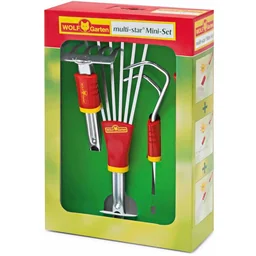
Regularly removing spent flowers rewards you with a beautiful second flush of blooms. The plant puts its energy into new buds instead of producing seeds.
Harvest herbs and keep them growing strong
Your herbs are especially aromatic now. Harvest them regularly to keep plants bushy and prevent flowering, which can affect their flavor. For Mediterranean herbs such as rosemary, thyme and sage, cut whole stems instead of picking individual leaves. After it flowers, cut lavender back by about one third to keep it from becoming woody. Use your harvest fresh, dry it or freeze it.
Give plants the nutrients they need in August
Balcony plants need plenty of nutrients. By August, the limited nutrients in potting soil may be largely used up. Once a week, give flowering and fruiting plants liquid fertilizer along with their water. Choose a fertilizer with plenty of potassium and phosphate to encourage blooms and fruit. Find the right fertilizer in our shop. From the end of August, gradually cut back on feeding to prepare plants for fall dormancy.
What can you plant on your balcony and patio in August?
Gaps left by harvested vegetables or annual summer flowers don't have to stay empty. August is a great time to add fall color and grow another crop. The soil in planters is still warm, which helps seeds germinate and new plants get established.
Plant fall flowers such as chrysanthemums, asters, stonecrop (sedum) or heather (calluna). They add vibrant color as summer blooms begin to fade. In attractive containers such as these
rattan balcony planters, they make an especially striking display.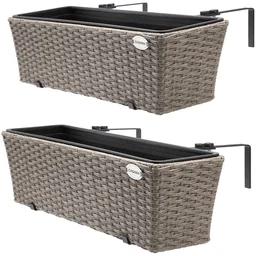
More tips
Use fresh, high-quality potting mix for new plants. Old soil is often depleted, compacted and may contain pathogens. Quality soil from our garden and plant accessories range is the foundation for healthy, vigorous fall plants.
There's still time for a late vegetable harvest. Sow fast-growing varieties such as radishes, lamb's lettuce, cut-and-come-again lettuce or spinach now. You can also get a head start on next spring: plant crocus, daffodil or tulip bulbs in planters and containers. This sets the stage for the first splash of color after winter.
How can you protect your plants from pests and diseases?
Warm, often humid August weather creates ideal conditions for pests and fungal diseases. Check your plants regularly so you can spot and deal with problems early.
Inspect your plants every few days, especially the undersides of leaves and new shoots. Sticky patches (honeydew) are a sign of aphids. Fine webs between leaves are a telltale sign of spider mites, which thrive in hot, dry weather. At the first sign of an infestation, you can often wash pests off with a strong jet of water or remove affected parts of the plant. Organic treatments such as neem oil or insecticidal soap can help with more serious infestations.
Important note
Avoid chemical pesticides, especially on edible plants such as herbs and vegetables. Instead, encourage beneficial insects such as ladybugs or use organic sprays. Good air circulation between plants can also help prevent fungal diseases.
Powdery mildew appears as a white, powdery coating on the leaves and is common in warm, humid weather. Remove affected leaves right away and dispose of them in the trash, not the compost. Good overall plant care, with a balanced supply of water and nutrients, strengthens your plants' natural defenses and helps them resist diseases and pests.
How can you prepare your balcony and patio for late summer?
Along with caring for your plants, maintaining your outdoor living space is another important task in August. This helps you make the most of the last warm days and keeps your garden equipment protected as fall approaches.
Cleaning and maintenance for worry-free enjoyment
Choose a warm day to remove algae, moss and dirt from patio floors, railings and flower pots. Empty any unused pots and clean them thoroughly so they’re ready for next season. Check your balcony furniture. Do any screws need tightening, or do wooden surfaces need oiling? A cozy seating area such as the
polyrattan set invites you to sit back and relax when it’s clean and well maintained.
Late summer is a time to enjoy your outdoor space and look ahead. A clean, tidy patio is inviting and makes getting ready for fall and winter much easier.
Protecting your equipment
Late summer can bring the first heavy showers and storms. Secure delicate decorations and textiles when bad weather is in the forecast. Appliances such as grills and patio heaters should also be protected from the elements to extend their service life. A suitable cover such as the
cover protects your patio heater from rain and dirt, keeping it ready to use on cooler evenings in September.
August is a lively month on the balcony and patio. With regular care, a little planning and the right steps, you can keep your flowers looking their best and set the stage for a colorful, enjoyable end to the gardening year.
Frequently asked questions
- How often should I water balcony plants in August?
- It depends on the weather, location and size of the plant. Check the soil every day. If it’s dry 2-3 cm below the surface, water thoroughly, preferably in the morning. On hot days, you may need to give your plants a second, lighter watering in the evening. Avoid waterlogged soil.
- Should I still fertilize plants in August?
- Yes. Heavy feeders such as geraniums and petunias may have used up the nutrients in their pots. Weekly applications of liquid fertilizer through the end of August or beginning of September encourage more flowers and help plants stay healthy through the rest of summer.
- Which plants can I still plant on my balcony in August?
- August is a great time to plant fall-blooming flowers such as asters, chrysanthemums and heather. You can also sow vegetables such as radishes, lamb's lettuce and spinach. It’s also a good time to plant flower bulbs for spring.
- What should I do with spent flowers in August?
- Remove spent flowers regularly. This process, known as deadheading, stops the plant from putting its energy into producing seeds. Instead, it encourages new buds and flowers, extending the blooming season.
- How can I tell if my balcony plants have pests?
- Check your plants every few days, especially the undersides of their leaves. Sticky leaves can indicate aphids, while fine webs suggest spider mites. Yellow or mottled leaves can also be warning signs. Take action as soon as you spot the first signs.
You may also be interested in
- August gardening calendar: What to sow, plant and care for now
- July gardening tips: What to do in midsummer
- Sun-loving balcony plants: Best picks for south-facing balconies and full sun
- Urban gardening: How to garden on a balcony or patio
- Balcony plant care: A complete guide to healthy flowers
- Getting your balcony ready for spring: Practical tips