
In brief: The most common mistakes when creating a bamboo privacy screen are choosing the wrong variety, using inadequate rhizome barriers, insufficient watering and incorrect pruning. Avoid invasive running varieties for small gardens. Install a sturdy rhizome barrier made from at least 2 mm thick HDPE. Water regularly, especially during the first year and periods of drought. Only cut old canes close to the ground, never the tips.
Bamboo Privacy Screen: 5 Common Mistakes to Avoid
A dense, evergreen bamboo privacy screen creates privacy and an Asian feel. However, planning and care mistakes can spoil the result. We show you how to get everything right, from choosing the right variety to long-term care.
1. The wrong bamboo for your garden
Not every bamboo is suitable for every situation. The main distinction is between clumping and running varieties. Clumping bamboo, such as Fargesia varieties, grows compactly and spreads slowly. It is the safe choice for smaller gardens and can be planted without a rhizome barrier.
Running varieties, usually Phyllostachys, grow quickly and produce underground shoots. They often reach greater heights, but require a rhizome barrier. Also consider the desired mature height and winter hardiness. Not all varieties tolerate our winters equally well.
Important note
Never plant invasive running bamboo varieties without a professionally installed rhizome barrier. The rhizomes can grow beneath paths, patios and even foundations, causing major damage. Removing them is extremely laborious.
Ask specialist retailers or nurseries about the specific characteristics. Choosing the right variety is half the battle when creating an easy-care privacy screen. You will find everything you need for planting and care in our garden tools category.
2. The rhizome barrier is underestimated or installed incorrectly
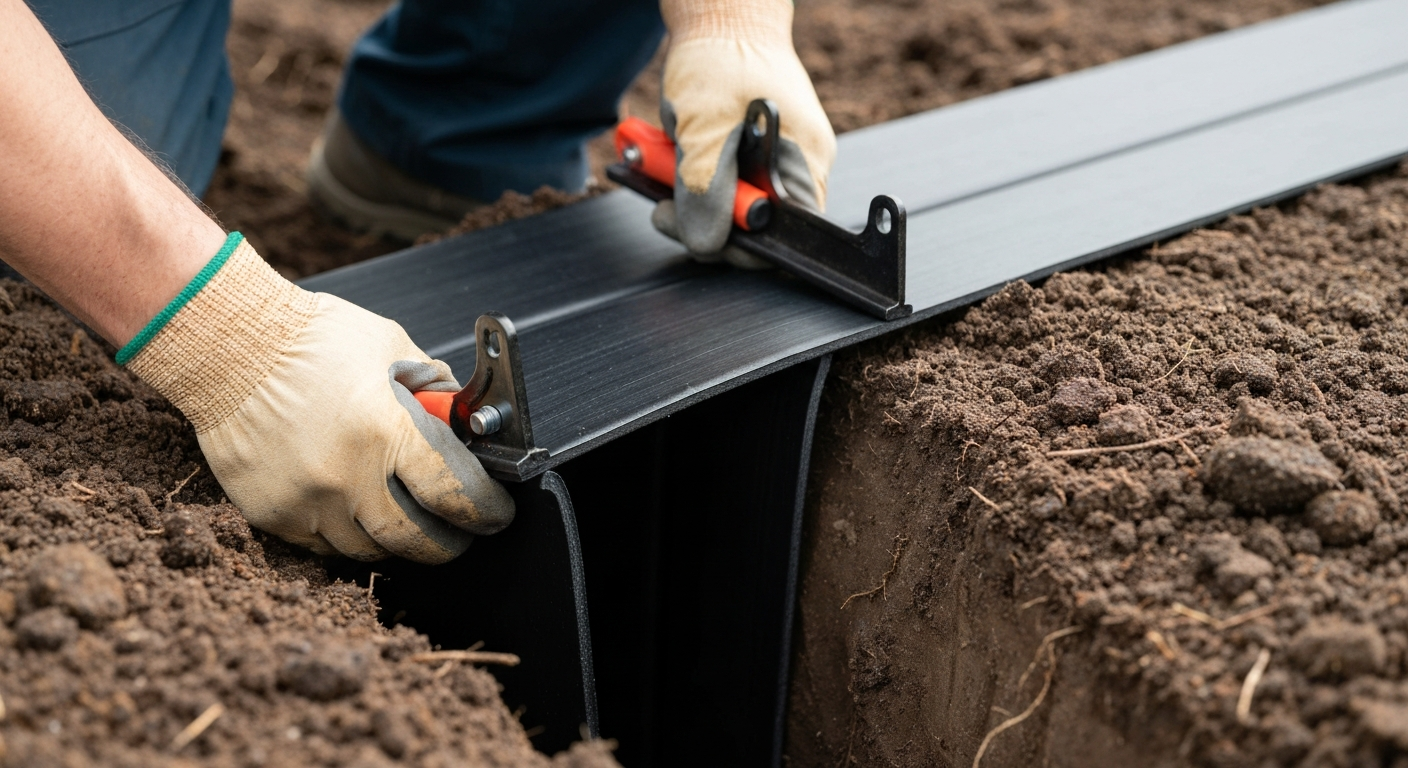
For running bamboo, a rhizome barrier is not optional but essential. The most common mistake is using unsuitable material. Pond liner or thin plastic sheets can be pierced by the powerful rhizomes.
Use only specialist rhizome barrier film made from high-density polyethylene (HDPE) with a thickness of at least 2 mm. The barrier must be installed in a ring around the entire planting area. Leave no gaps, including at the overlap, which should be securely bolted together with an aluminium rail profile.
The rhizome barrier must act like an impenetrable pot. Install it at least 65 cm deep and leave 5 cm above ground. This prevents the rhizomes from simply growing over the top.
The enclosed area should be generously sized. Bamboo needs space for its roots. A space that is too small restricts the plant’s growth and vitality. Allow enough room for each plant.
How do I plant bamboo with a rhizome barrier correctly?
First, dig a trench for the rhizome barrier. Insert the ring and fill the bottom layer with gravel for drainage. Then add well-drained, humus-rich planting soil. Plant the bamboo, water it thoroughly and fill the remaining space with soil. A suitable irrigation system makes care easier from the outset.
3. The wrong location and unsuitable soil
Bamboo is adaptable, but not to everything. A common mistake is planting it in waterlogged soil. Bamboo does not tolerate “wet feet”. Its roots then begin to rot. Check how well your soil drains. Heavy clay soils should be loosened with sand and humus.
The ideal location offers full sun to light shade. Very dark, north-facing locations result in sparse, slow growth. Bamboo prefers a sheltered spot. Strong, cold easterly winds in winter can cause winter burn, in which the plant dries out because it cannot draw water from frozen soil.
Expert tip
Before planting, improve the soil generously with mature compost or planting soil. This encourages the plants to establish. After planting, cover the soil surface with a thick layer of bark mulch. It retains moisture, suppresses weeds and protects the shallow roots in winter.
You will find products such as bark mulch and specialist planting soils in our plant accessories range. Good soil preparation is an investment in the future of your bamboo hedge.
4. Watering and fertilizing mistakes
Bamboo needs a lot of water, especially during the first two years and with evergreen leaves that continue to lose moisture in winter. The classic mistake is shallow watering. The roots grow deep, so you need to water thoroughly until the entire root ball is moist.
Allow the soil to dry slightly between waterings, but do not let it dry out completely. A sign of acute water shortage is curling leaves. Container-grown plants need daily attention in summer. A high-quality garden hose or drip irrigation system is invaluable here.
Many people forget to water in winter. On frost-free days in winter, you need to water evergreen bamboo, especially in sunny, windy weather. The plant loses moisture but cannot draw up more water from frozen soil. This is a common cause of death.
The right fertilizer for strong growth
Bamboo is a heavy feeder. A lack of nitrogen leads to pale green leaves and weak growth. Fertilize in spring with a nitrogen-rich slow-release fertilizer or a specialist bamboo fertilizer. A second, lighter application in early summer is beneficial. Do not fertilize after August so that the shoots can mature before winter.
Additional advice
Organic fertilizers such as horn shavings or compost work slowly and gently. They also improve the soil structure. In autumn, spread a thick layer of leaves or grass clippings as mulch over the root zone. This protects the soil and provides nutrients as it decomposes.
5. Incorrect pruning and inadequate care
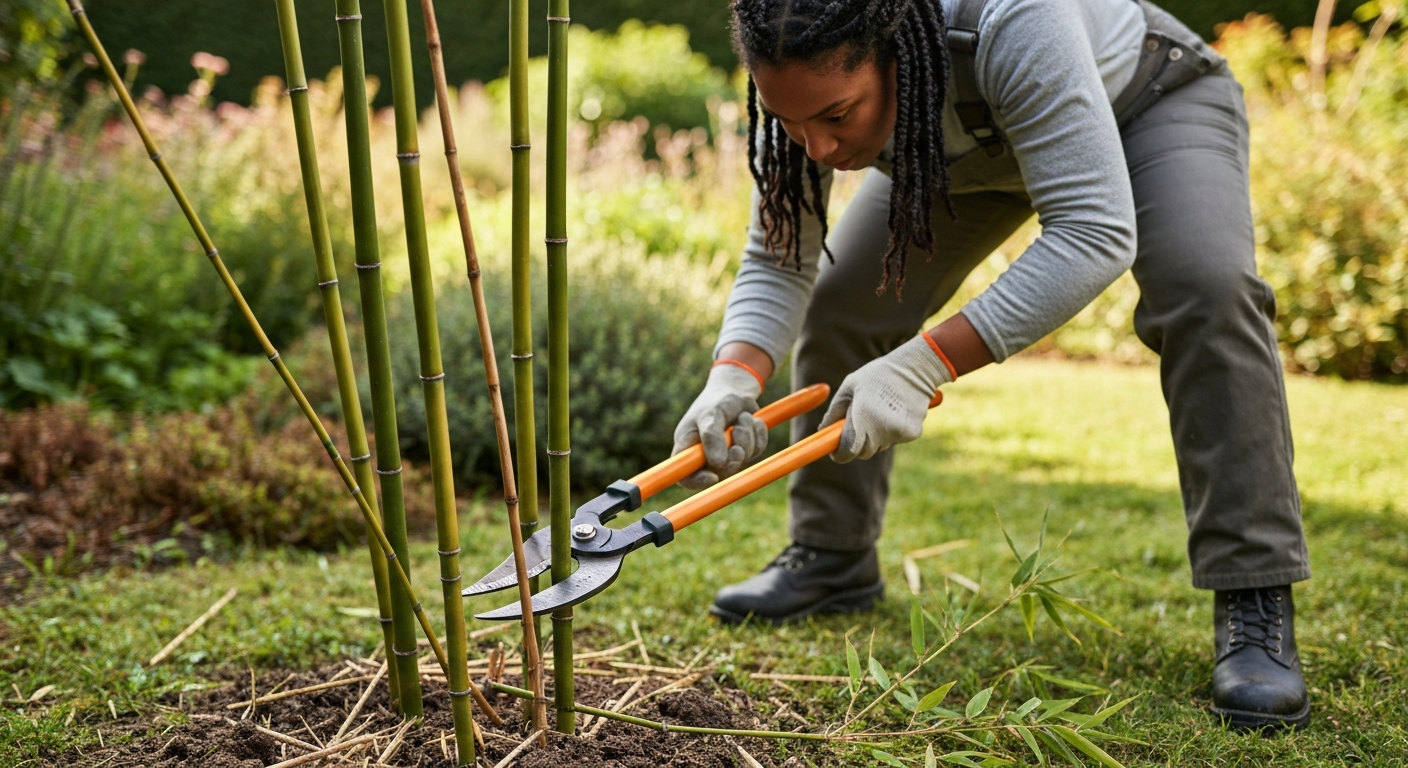
The biggest pruning mistake is cutting the canes off at a specific height. If you cut off the tip of a bamboo cane, it will not continue growing taller. Instead, it will produce side shoots, resulting in a bushy but unnatural appearance.
Instead, cut out entire canes close to the ground. Each year, remove some of the oldest, woody and thin canes. This encourages renewal and allows light and air into the interior of the hedge. New, strong canes can then grow. The best time to do this is late spring, when the new shoots appear.
Care throughout the year
In autumn, leave fallen leaves on the root zone. They provide natural winter protection and mulch. With running varieties, regularly check the area outside the rhizome barrier for escapes. In severe frost, you can protect young plants with garden fleece.
In spring, check the ties on tall-growing varieties. Loose supports can cause chafing. With this thoughtful, year-round care, your bamboo privacy screen will form a dense, green wall for many years.
The Right Accessories for Your Bamboo Privacy Screen
For planning, installation and maintenance, you need the right tools and materials. We have put together the most important products for you.
: A sturdy, professional rhizome barrier is essential for controlling running bamboo. This model, made from robust HDPE, is easy to install and provides long-lasting protection.
: High-quality garden shears are essential for thinning and maintenance pruning. These bypass pruners make clean cuts that heal quickly and help prevent disease from entering.
: Special bamboo fertiliser provides your plants with an optimal supply of nitrogen, potassium and trace elements. Its slow-release effect ensures even, healthy growth throughout the season.
Find more useful gardening aids, from spades for planting to watering cans for young plants, in our extensive Garden + Outdoor range.
Conclusion: The Right Knowledge for the Perfect Privacy Screen
A bamboo privacy screen is a worthwhile investment. Avoid the five classic mistakes – choosing the wrong variety, using an inadequate rhizome barrier, selecting a poor location, providing insufficient water and nutrients, and pruning incorrectly. With the right preparation and regular, appropriate care, you can enjoy your evergreen, vibrant boundary for many years. Allow time for proper setup and you will save yourself a great deal of trouble and work later on.
Frequently Asked Questions
- Which type of bamboo is best for a privacy screen?
- For privacy hedges, hardy clumping varieties such as Fargesia robusta 'Campbell' or Fargesia murielae 'Jumbo' are particularly suitable. They do not spread invasively. Phyllostachys varieties are suitable for Mediterranean gardens, but they require a rhizome barrier. The best choice depends on the desired height, hardiness and available space.
- How deep does a rhizome barrier for bamboo need to be?
- A rhizome barrier made from sturdy HDPE should be buried at least 65 to 70 cm deep. Most rhizomes grow in the top 30-50 cm of soil, so this depth provides a safety margin. Leave 5 cm above ground to prevent surface spreading. The barrier must be installed in a complete ring and sealed securely, with no gaps at the ends.
- How often does a bamboo privacy screen need watering?
- During its first year after planting, bamboo needs regular watering, especially in dry conditions. Water thoroughly so that the root ball is properly moistened. Established hedges need watering every 5-7 days during prolonged dry spells. Rolled-up leaves are a sign of drought stress. A layer of bark or leaf mulch significantly reduces evaporation.
- When and how should I prune my bamboo privacy screen?
- The best time to prune is late spring, after the new culms have emerged. Remove only old, dead or excessively thin culms at ground level using a sharp saw. Never cut off the tops of the culms, as this results in unnatural growth. Regular thinning promotes rejuvenation and keeps the hedge dense.
- Why is my bamboo privacy screen turning brown or losing leaves?
- Brown leaves or leaf loss can have several causes, with drought stress being the most common. Other possible reasons include waterlogging caused by poorly drained soil, nutrient deficiencies, overly vigorous pruning or severe winter frost affecting young plants. Check the soil moisture and fertilise in spring with a special bamboo fertiliser or organic slow-release fertiliser.
You May Also Be Interested In
- Bamboo Privacy Screens: The Best Varieties and Planting Tips
- How to Attach a Privacy Screen: The 5 Most Common Mistakes
- Flexible Privacy Screens for Pushing into the Ground: Quick Solutions for Gardens & Balconies
- Build Your Own Wooden Privacy Screen: Instructions and Ideas
- Garden Privacy Screen Ideas for Privacy and Design
- How to Care for a Privacy Screen: Keep It Clean and Durable