
In brief: A bedroom becomes a relaxing retreat through a considered choice of calming colours such as soft blues or warm beige tones, indirect lighting and a clear, uncluttered space. Choose furniture with closed storage solutions and reduce electronic distractions. Decor should feel personal but not overcrowded to create visual calm.
Bedroom Design Ideas: Create a Relaxing Retreat at Home
Your bedroom is more than a place to sleep. It is your personal retreat. Its design has a direct impact on how well you rest. With thoughtful choices of colour, furniture and lighting, you can create a peaceful haven.
How do I choose the right colour for my bedroom?
Colour is the strongest mood-setter. Calming bedroom colours are muted and have low saturation. They have a soothing effect on the autonomic nervous system.
Blue tones signal calm and have been shown to promote relaxation. Grey provides a neutral, elegant foundation. Warm beige and cream shades create a cosy feel.
Avoid bright feature walls or strong contrasts. They can feel stimulating. Test paint samples in different lighting conditions in the room.
Expert tip
Paint the ceiling and walls in the same colour. This makes the room appear longer and creates a cohesive, calming shell. Use textiles or subtle wall decor for accents.
Colour schemes for different needs
Create a cool, airy feel with light grey-blue blends. Combine them with natural wood and white tones.
Earthy shades are ideal for greater warmth and comfort. Think sand, terracotta or matt olive green. Add textile materials for extra cosiness.
Why is the right lighting so important?
Light controls our day-night rhythm. Bright, cool light in the evening inhibits melatonin production. This makes it harder to fall asleep.
Choose warm-white light sources with a colour temperature of no more than 2700 Kelvin. Install dimmable lights.
Avoid a harsh central ceiling light. Instead, combine indirect ambient lighting with targeted reading lights. An

Important note
Blue light from smartphones, tablets or televisions significantly disrupts sleep quality. Switch these devices off at least one hour before going to bed. Replace screen time with a book or relaxing music.
Practical lighting solutions
Bedside lamps with adjustable, swivelling arms are practical. Switches should be within reach from the bed.
LED strips under the bed frame or behind the headboard provide gentle ambient lighting. They are unobtrusive and look modern.
“Light is the invisible architect of a room. In the bedroom, it should illuminate the mood rather than the ceiling.”
How do I choose the right furniture?
Furniture defines how the room functions and flows. Your bed is the centrepiece. Choose a high-quality mattress and a sturdy frame.
Bedside tables should hold everything you need. Floating designs such as the
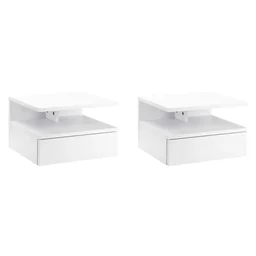
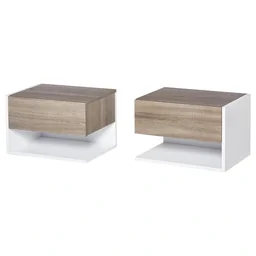
Storage should meet your needs without feeling overwhelming. Closed wardrobes look calmer than open shelving. Make use of vertical space and the area under the bed.
Additional advice
Plan your furniture only after establishing the pathways through the room. The door should open fully. The route to the bed must remain clear. Leave at least 70 cm of space around the bed for freedom of movement and a sense of airiness.
Smart storage ideas
Combine different systems. A large wardrobe stores clothing and textiles. Under-bed drawers provide space for bed linen or seasonal clothing.
Small alcoves or sloping ceilings can be used effectively with made-to-measure drawers or shelves. Hanging organisers on the wardrobe door are also efficient.
What role does bedroom decor play?
Decor personalises the room. However, it should not feel overcrowded. A few high-quality pieces have more impact than lots of small ones.
Focus on a tactile experience. Choose a soft rug, cosy cushions made from natural materials and curtains with a good drape.
Plants such as spider plants or snake plants improve the indoor climate and bring nature indoors. A beautiful painting or photograph on the wall adds a personal touch.
“Tidiness is invisible decor. A well-organised bedroom with a defined place for everything gives the mind peace before you even switch off the light.”
Decor with purpose and function
Choose accessories that are useful as well as attractive. A beautiful bowl for jewellery at night. An elegant alarm clock.
Textiles are the quickest way to change colour and pattern. Swap your bed linen or add a new runner. Find inspiration for textile accents with decorative cushions.
How can I design my bedroom on a small budget?
A fresh coat of paint in a calming colour makes the biggest difference for very little money. Declutter thoroughly and remove anything you no longer need.
Simply replace the handles on old wardrobes and cabinets. This can completely change their look. Use second-hand furniture and customise it with paint or new legs.
Focus your budget on a few high-quality key pieces. A good mattress is more important than an expensive bed frame. Mood lighting with a beautiful string of lights from the Decorative String Lights category is affordable and effective.
Small upgrades with a big impact
Replace sockets and light switches with new, stylish models in brass or matte black.
Hang curtains high and wide to make windows look larger. A new rug under the bed defines the area and dampens sound.
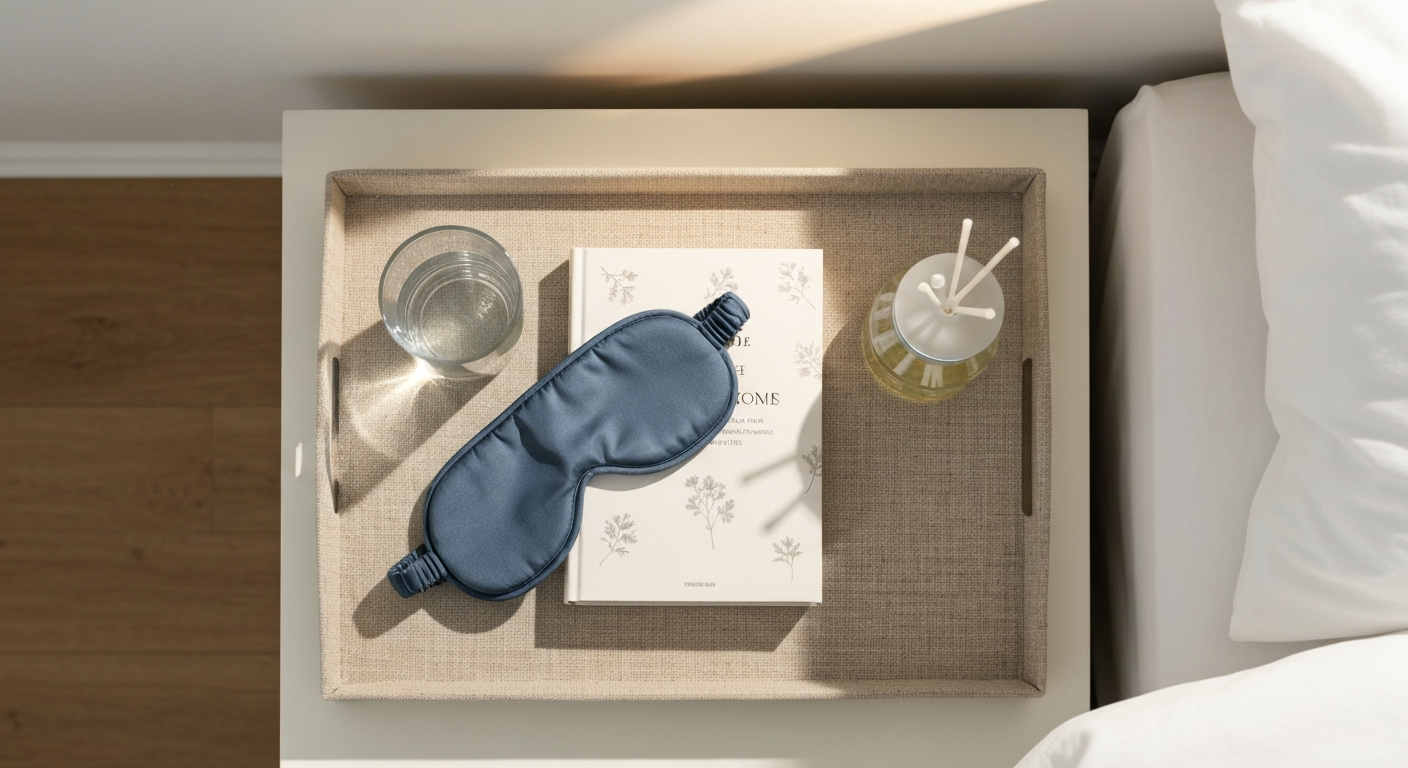
Create a place to keep the things you use during your daily rituals. A small chest of drawers or a tray with a candle and book signals that this is where relaxation begins.
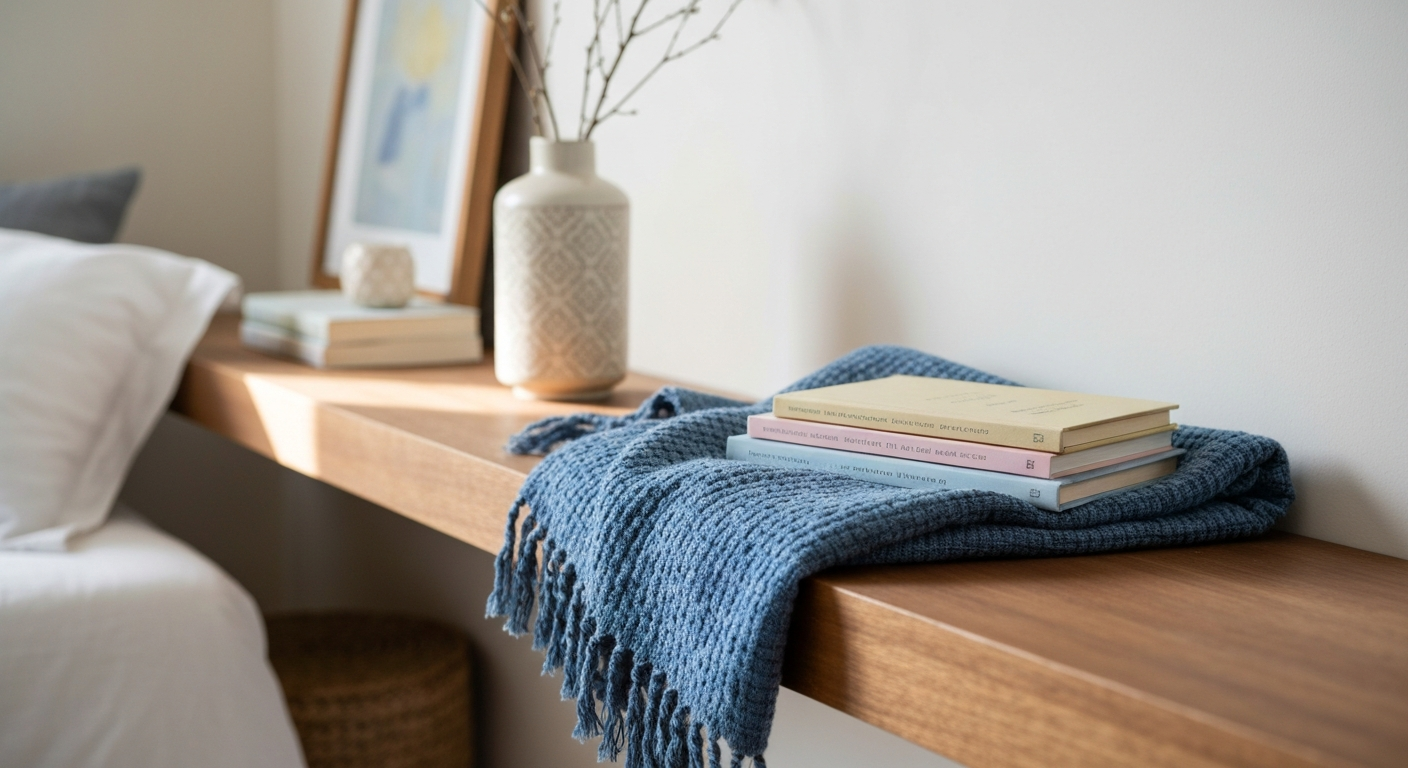
Your bedroom is your personal sanctuary. Designing it does not require a large budget, but it does require clear decisions. Start with the colour. Provide soft lighting. Choose furniture that supports organisation. Then add personal touches.
This creates a room that welcomes you every evening and helps you start each morning feeling energised. A true haven of wellbeing is created by reducing things to the essentials and focusing on your needs.
Frequently asked questions
- Which colours are best for a relaxing bedroom?
- Soft, muted shades promote relaxation. Blue and grey tones have a calming, cool effect, while warm beige, cream and soft green shades create a cosy atmosphere. Avoid bold contrasts and visually busy patterns across large areas. Your own sense of comfort is what matters most.
- How can I make a small bedroom look bigger?
- Use light, consistent colours for the walls and large pieces of furniture. Mirrors make the room appear larger. Choose furniture with slim proportions and floating designs that leave the floor clear. Versatile storage solutions such as under-bed drawers or wall shelves help reduce clutter.
- What makes good bedroom lighting?
- Use several dimmable light sources instead of one bright ceiling light. Warm white light (max. 2700 Kelvin) is relaxing. Combine indirect ambient lighting with bedside lamps for reading. Decorative lights or string lights are ideal for creating atmospheric accents.
- How much storage do I need in my bedroom?
- Plan storage for all the items you do not use every day to prevent clutter. Make use of the space under the bed, tall wardrobes and wall space. Closed systems such as cupboards or boxes create a calmer look than open shelving. A well-planned system is more important than sheer storage capacity.
- Which bedroom decor is useful?
- A few carefully chosen accessories create atmosphere without making the room feel busy. A beautiful picture, an easy-care plant or a distinctive textile is often enough. Pay attention to tactile quality. You can also find inspiration for subtle accents in categories such as decorative objects.