
In brief: Create a cozy bedroom with a combination of a restrained color palette, a high-quality mattress, controlled lighting, and smart furniture. Avoid distractions such as electronics and clutter. Plants and personal touches give the room character and a sense of calm. A well-designed bedroom is the foundation for restful sleep.
Bedroom Design: Tips for Greater Wellbeing
Your bedroom is more than a room for sleeping. It is your personal retreat. The right furnishings directly affect your sleep quality and daily wellbeing. We show you how to use smart bedroom ideas to create an oasis of calm.
The foundation consists of functional furniture, a harmonious color scheme, and control over light and air. Every element should support rest and relaxation. Start by taking stock: What currently bothers you? What would you like to change?
How do I choose the right color palette?
Colors have an immediate effect on our minds. Calming shades are ideal for a cozy bedroom. Think soft gray, muted blue, warm beige, or understated green. These colors lower your pulse and prepare you for the night.
Avoid high-contrast combinations or bright accents. They are stimulating and can keep you awake. If you want to add color, use it selectively. A wall print, cushion, or throw in a stronger shade is enough.
Pro tip
Test large color samples on the wall. The light in the room changes how they look. A shade appears different in the afternoon than it does in the evening under artificial light. Only decide after checking the effect at different times of day.
White is a safe base, but it can feel cold. Choose cream tones or white with a warm undertone. These variations create a soft, inviting atmosphere. Combine different textures in similar colors to add depth.
Why is choosing the right furniture so important?
Furniture defines the room. You need storage space, a comfortable bed, and practical surfaces for keeping things within reach. An overcrowded bedroom feels cramped. In this case, less is often more. Focus on the essentials: bed, closet, and nightstands.
The bed is the centerpiece. Invest in a sturdy frame and a high-quality mattress. The size should suit you and the space available. Leave enough room to walk around all sides. A floating bed looks lighter than a solid model with built-in storage.
Storage solutions need to be clever. A large closet hides clutter. Principles for organizing a child's room apply here too: Everything needs a designated place. Use boxes and baskets for small items.
Nightstands are essential. They provide space for a lamp, a book, and a glass of water. Models such as the
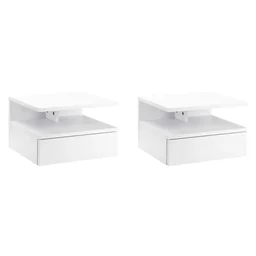
“The bedroom should be free from associations with work. If you do not have a separate home office, hide your laptop and all office supplies in a closet at the end of the day. This psychological separation is fundamental to recovery.”
How do I create the perfect lighting?
Light controls our circadian rhythm. In the bedroom, you need different light sources for different situations. A dimmable ceiling light provides general illumination. Indirect lighting behind the bed or in alcoves creates a cozy atmosphere.
Warm white LED bulbs with a color temperature below 3000 Kelvin are the best choice. They imitate the light of the setting sun. Cold, bright light sources signal alertness to the brain. Install separate switches for the different lighting circuits right by the bed.
Important note
The blue light emitted by smartphones, tablets, and TVs suppresses the production of the sleep hormone melatonin. Turn these devices off at least one hour before going to bed. Read a book in dim lighting instead.
Reading lamps should be adjustable and direct the light precisely onto your side without dazzling your partner. Floor lamps with upward-facing shades spread light indirectly and softly around the room. Candles or LED tea lights add a calming, flickering touch.
Practical lighting solutions for every evening
Timers for lamps can help you fall asleep. Program them so that the light gradually turns off. Motion sensors with a dimmed setting are useful for nighttime trips to the bathroom. You do not have to search for the light switch.
Smart home systems offer maximum control. They dim the lights by voice command or automatically set evening routines. However, operation should remain simple. Complicated technology can be frustrating and counterproductive to relaxation.
What role do climate and air quality play?
The room temperature should be between 16 and 19 degrees Celsius. Air that is too warm makes it harder to fall asleep. Air the room thoroughly before going to bed. Fresh air lowers CO2 levels and noticeably improves sleep quality.
Humidity is an often underestimated factor. The ideal level is between 40 and 60 percent. Air that is too dry irritates the airways, while excessive humidity encourages mould growth. A hygrometer gives you certainty about the current conditions in your cosy bedroom.
An air humidifier can help. Devices such as the

Additional advice
Houseplants such as snake plants or spider plants improve air quality by filtering pollutants and producing oxygen. They are easy to care for and thrive even in low light. Be careful not to choose plants with a strong scent.
In summer, insects can disturb your sleep. Fly screens on the windows are the best solution. For additional protection, an electronic insect trap such as the
is ideal. It operates quietly and without chemical agents that could pollute the room air.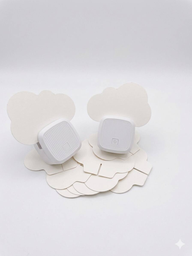
How can I create order and reduce distractions?
Visual clutter creates stress for the subconscious. A tidy bedroom signals calm. Put clothes away, organise cables and remove unnecessary items from surfaces. The duvet should be aired thoroughly and smoothed out in the morning.
Give everything a home. Use the drawers of your bedside tables for small items. Use attractive boxes on the chest of drawers. A laundry basket with a lid hides dirty clothes. These simple bedroom organisation tips work wonders.
Electronics are the biggest source of disruption. If possible, banish the TV, laptop and charging stations from the room. If that is not possible, switch them off completely rather than leaving them on standby. Small LEDs and humming noises can affect your sleep.
“The quality of your sleep environment is an active part of your health. Invest time in designing this room, just as you invest in a healthy diet. The ROI is deeper, more restorative sleep and more energy during the day.”
Textiles: The key to feeling comfortable
The tactile experience is central. Choose bed linen made from natural materials such as cotton, linen or silk. These fabrics are breathable and feel pleasant against the skin. The fabric weight indicates how heavy it is: lightweight options for summer and heavier ones for winter.
A rug next to the bed keeps your feet warm in the morning. It also dampens sound. Curtains should be able to block out all light if you wish. Fabrics in different textures – smooth, crinkled and woven – make the room interesting and cosy.
Add personal touches for the soul
A bedroom should also reflect your personality. Without this personal touch, it can feel sterile, like a hotel room. Add carefully chosen accents with art you love. A framed photo, a distinctive vase or a collector’s item on the chest of drawers is all you need.
However, decoration should not be excessive. A few carefully selected pieces have more impact than lots of small items. Rotate the objects occasionally. This creates a sense of novelty without having to buy anything new. That way, your bedroom ideas stay fresh.
Do not forget your other senses. A fragrance lamp with your favourite oil, a beautiful wind chime or a special book on the bedside table can enrich the experience. These details transform the room into your very own personal retreat.
Creating a restful bedroom is a process. Start with the basics: bed, colour, lighting and order. Then gradually add the elements that bring you joy. Your wellbeing will thank you. For more inspiration for your home, also visit our Garden + Outdoor or Nursery Ideas categories.
Frequently Asked Questions
- Which colours are best for a bedroom?
- Calming, muted shades such as soft greys, blues, beiges or greens are ideal. They have a relaxing effect and promote restful sleep. Avoid bright, stimulating colours such as signal red or neon shades. Accents in natural or pastel colours create a harmonious atmosphere that helps you unwind.
- How much storage space does a bedroom need?
- Plenty of storage is essential for preventing clutter. Plan for closed wardrobes for clothing and open shelves or chests of drawers for decorative items. Make use of storage space under the bed. A tidy room immediately feels calmer and supports relaxation before bedtime.
- Can I have plants in my bedroom?
- Yes, certain plants improve the air quality and have a calming effect. Spider plants, snake plants and aloe vera are easy to care for and filter pollutants from the air. Make sure the plants do not release strong fragrances and that you are not allergic to them. They bring nature into the room and enhance your sense of wellbeing.
- What type of lighting is best for a bedroom?
- Choose layered lighting. Dimmable main lighting, indirect light for a cosy ambience and focused reading lamps on the bedside tables provide flexibility. Warm white light (under 3000 Kelvin) creates an inviting atmosphere. Avoid cold, bright light in the evening.
- What is the most common bedroom design mistake?
- The most common mistake is overcrowding the room with too much furniture, colour and decoration. This creates visual clutter and a restless atmosphere. A minimalist approach with carefully selected, high-quality pieces and a clear colour palette is much more effective at creating a restful atmosphere that supports the room's main purpose.
You may also be interested in
- Bedroom design ideas: Create a cosy retreat at home
- Interior design tips: Create a stylish and comfortable home
- Feng Shui in the living room: How to improve energy flow and wellbeing
- Interior design: Tips for a harmonious home
- Setting up a smart home: Your guide to greater comfort & security
- Make the most of your wardrobe: Clever organisation for more space