
In brief: Bee decline has several main causes: the loss of natural habitats, the widespread use of insecticides, parasites such as the varroa mite and monocultures. You can protect bees directly by avoiding pesticides that are harmful to bees, planting native flowering plants and providing nesting aids. Ecological gardening creates lasting sources of food and shelter.
Bee Decline: Causes & How to Protect Bees in Your Garden
Bees are indispensable. They pollinate most of our crops and wild plants. Their decline threatens biodiversity and our food security. The good news: your garden can become a safe haven. Here you will learn the specific causes of bee decline and which protective measures really work.
Important note
Do not use synthetic chemical insecticides or broad-spectrum herbicides such as glyphosate in your garden. These poisons do not only kill pests; they also harm or kill bees and other beneficial insects in the long term. Your choice of plant protection products has a major impact on the health of your garden ecosystem.
What are the main causes of bee decline?
The problem is complex. The decline of honeybee colonies and wild bee species is caused not by one factor alone, but by the interaction of several factors.
Loss of habitat and food sources
Sealed surfaces, intensive farming and overly tidy gardens reduce the availability of nesting sites and flower-rich meadows. Monocultures provide food for only a short time. After that, there is a shortage.
The use of pesticides
Insecticides from the neonicotinoid group work systemically. The plant absorbs them, and the pesticide ends up in the pollen and nectar. Bees take it in and carry it back to their hive. The consequences include disorientation, a weakened immune system and death.
“The widespread use of pesticides in agricultural landscapes is one of the major causes of insect decline. Gardens can play an important counterbalancing role as pesticide-free refuges.”
Parasites and diseases
The varroa mite severely weakens honeybee colonies. It transmits viruses and feeds on the brood. Without treatment by beekeepers, affected colonies die. Introduced parasites can also cause problems for wild bees.
Climate change and extreme weather
Drought, late frosts and unusually warm winters disrupt the natural rhythms of plants and bees. Flowering begins earlier, while the bees are not yet active. Synchronisation falls out of step.
How can I create a bee-friendly garden?
Ecological gardening considers cycles and communities of living organisms. Your aim is not a flawless ornamental garden, but a vibrant, diverse space. Every measure helps.
Choosing the right plants
Choose native flowering plants and perennials. They often provide more nectar and pollen than highly bred ornamental plants with double flowers. These are of little value to bees. Plan a succession of flowers from March to October.
- Spring: Willow catkins, crocuses, lungwort, blackthorn
- Summer: Lavender, sage, thyme, phacelia (bee-friendly)
- Autumn: Ivy, asters, sedum
Create a wildflower meadow or mow your lawn less often. Clover, daisies and dandelions are important food sources. In the Garden + Outdoor section, you will find suitable seeds.
Expert tip
Plant in groups. Bees tend to forage on one plant species at a time and prefer to visit several flowers of the same type in succession. One square metre of bellflowers is more attractive than ten individual plants scattered throughout the garden. This saves the bees energy.
Avoiding chemicals
The most important step towards ecological gardening. Control pests with mechanical methods, by encouraging beneficial insects or with biological products. Aphids can often be dealt with using a strong jet of water or by introducing ladybird larvae.
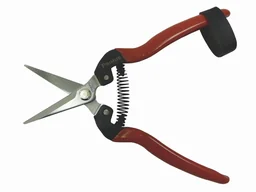
For clean cuts when deadheading perennials or pruning shrubs, sharp are ideal. They prevent crushing, which can allow diseases to enter – without the use of poison.
“Every garden owner has the power to create a pesticide-free zone on their few hundred square metres. Across Germany, these areas add up to a huge network of safe habitats.”
Providing water
Bees need water to drink and to cool their hive. Provide a shallow dish of water with a few stones or marbles as landing places. This prevents the bees from drowning. A garden irrigation system with a soaker hose can also create damp areas.
What nesting aids do wild bees need?
Only around 10% of native wild bee species live in colonies like honeybees. More than 90% are solitary, meaning they live alone. They need very specific nesting sites.
Open ground and deadwood
Many species nest in the ground. Leave sunny, bare sandy or clay areas undisturbed. A pile of deadwood or pithy stems from blackberry or mullein can also provide perfect nesting tubes. Do not tidy everything away. In the garden tools range, you will find equipment for gentle garden care.
Buying or building an insect hotel
Pay attention to quality. Suitable options include hardwood blocks with cleanly drilled holes of various diameters, 2-10 mm, or bundles of reed and bamboo tubes with smooth, cut ends. Hang the hotel in a sunny place protected from rain and wind. Avoid cheap models with glass tubes, straw or pine cones.
Additional advice
Do not clean an insect hotel. Old nesting tubes are often recolonised the following year or shelter overwintering offspring. A “tidy” hotel is worthless. Let nature take its course inside it.
Rock piles and dry-stone walls
They store heat and offer perfect hiding places in their gaps. A dry-stone wall made of natural stones without mortar is a living habitat for many insects, lizards and plants.
How can I protect bees from other dangers?
Besides pesticides, gardens often contain underestimated sources of danger.
Take care when mowing and pruning
Mow sections of meadow in stages, never all at once. This ensures that there are always places for shelter and food. Before cutting bushes or perennials, check whether bees are currently active there.
Transparent obstacles
Bees do not recognise large glass surfaces on conservatories or greenhouses as obstacles. Mark them with stickers or patterns. Water in rain barrels without an escape route can also become a deadly trap. Cover them or place a wooden stick inside.
Avoiding light pollution
Bright artificial light at night disorients nocturnal insects and can lead them away from their path. Use dim, warm-white lighting in the garden and do not leave it on all night.
Conclusion: Every Garden Matters
Bee decline is a man-made problem. The solution starts right outside your front door. By avoiding pesticides, planting native species and allowing natural structures to develop, you create a resilient ecosystem. Your bee-friendly garden is a stepping stone in a connected network of habitats. It provides a better quality of life not only for bees, but also for butterflies, birds and you. Start today with one small bee-friendly area. Nature will thank you.
Frequently Asked Questions
- Which insecticides are particularly dangerous to bees?
- Systemic insecticides from the neonicotinoid group are particularly dangerous. They are absorbed by the plant and are present in pollen and nectar. Certain pyrethroids and organophosphates can also cause acute harm to bees. Avoid synthetic chemical pesticides completely in your home garden.
- When do the most important bee plants flower?
- Bees need food from early spring through to late autumn. Important plants include early bloomers such as willow and crocus, summer plants such as lavender and phacelia, and autumn bloomers such as ivy and asters. Plan a continuous succession of blooms using native species.
- Can I build a bee hotel myself?
- Yes. Use hardwood blocks with cleanly drilled holes (2-10 mm in diameter) or bundles of pithy stems. Make sure there are no sharp, splintered edges. Hang the hotel in a sunny location protected from rain and wind. Avoid commercially available models with glass tubes or unsuitable materials.
- Does an English lawn harm bees?
- A closely mown, species-poor ornamental lawn provides bees with neither food nor habitat. It is an ecological desert. Instead, leave areas with clover, daisies and dandelions, or mow in sections. A wildflower meadow is the best alternative.
- How can I tell if a bee is injured or weak?
- A bee crawling on the ground, unable to fly or barely moving is often weakened. In a sheltered place, offer it a solution of lukewarm water and a little sugar or honey. Once it has recovered, carefully place it on a flower.
You might also be interested in
- Bee-Friendly Garden: How to Help Our Pollinators
- Insect Decline in the Garden: Causes and What You Can Do Right Now
- Solitary Bees in the Garden: Create and Protect Their Habitat
- Garden for Biodiversity: Encourage Insects and Abundant Blooms
- Bee-Friendly Balcony Plants: How to Support Biodiversity in a Small Space
- Wasps in the Garden: Causes and Effective Strategies