
In brief: Beginners can keep bees successfully by starting with a course or local beekeeping association, choosing a sunny, sheltered apiary location and carrying out regular inspections. Each colony needs suitable hives, protective clothing, a smoker and food reserves. You must also register your bees with the veterinary authority and plan for Varroa control, swarm management and safe honey harvesting.
Keeping bees means more than setting up a hive in your garden. You take responsibility for living animals, monitor the development of a bee colony and intervene only when the colony needs support. Weather, nectar availability, colony strength and disease determine your work routine.
Beginner beekeepers are best advised to start with two colonies and guidance from an experienced beekeeper. A course at a beekeeping association will show you how to lift frames, assess brood, estimate food reserves and identify a queen. Read specialist literature before buying your first bees. As preparation, for example, you could use
.
Honey bees differ significantly from wild bees. Honey bees live in a large colony managed by a beekeeper and overwinter together. Wild bees usually live alone. A nesting aid such as a bee hotel supports wild bees, but it does not replace a honey bee hive.
What do you need to keep bees?
Before buying bees, plan how much time you can regularly commit from March to October. During swarm season, you may need to inspect the colonies once a week. Work largely pauses in winter, but you still need to monitor food reserves, weather protection and the condition of the hive.
Start with two colonies and a mentor
Two colonies provide a useful comparison. You can identify differences in brood patterns, colony strength and food consumption more quickly. You can also respond more effectively if one colony is weaker, without immediately having to take material from a single colony.
A beekeeping mentor can accompany you during your first inspections and correct your technique directly at the hive. This is particularly helpful when deciding whether you are looking at a queen cell, a normal worker cell or a food cell. Pictures in books can only partly replace this practical experience.
Expect ongoing tasks: preparing hives, wiring frames, melting down wax, checking food supplies, documenting Varroa treatments and processing honey hygienically. Buy accessories that match your hive system. Different dimensions make all subsequent work more difficult.
- Time: During the season, you need set inspection dates and time in reserve for urgent interventions.
- Space: The location must be safely accessible without requiring you to walk in front of the hive entrance.
- Budget: In addition to hives and colonies, allow for food, treatment products, spare frames and protective clothing.
- Knowledge: Learn to recognise signs of swarming, brood diseases, Varroa control and feeding before getting your first colony.
Expert tip
Keep a separate hive record for each colony. Note the date, weather, colony strength, amount of brood, food quantity, queen status and every treatment. Short, factual notes will show you after a few weeks whether a colony is developing normally or needs targeted help.
How do you choose the right location for your beehives?
Your beehive location affects your colonies’ health and flight patterns. Choose a dry spot with morning sun, shelter from cold winds and some shade during the hottest part of the afternoon. Standing water, drafty corners of buildings and concrete areas in full sun can stress the hives.
Check flight direction, distance and neighbors
Position the entrances so the bees don’t fly directly over a patio, a frequently used path or your neighbor’s seating area. A dense hedge, fence or privacy screen encourages bees to fly higher. Once past the obstacle, they usually continue at a greater height.
Keep the area in front of the entrances clear. Grass trimmers, lawn mowers and playing children can disrupt bees as they enter and leave the hive. Create a firm, level surface and make sure the hives are stable. A slight slope toward the front helps rainwater drain out of the hive.
Plan for food sources and water
Honey bees need flowering plants from spring through fall. Fruit blossoms, maple, willow, canola, black locust, basswood, herbs and fall flowers provide forage throughout the season. A single flowering shrub won’t provide enough forage for several colonies to feed continuously.
Expand the range in your garden with the right garden and plant supplies.
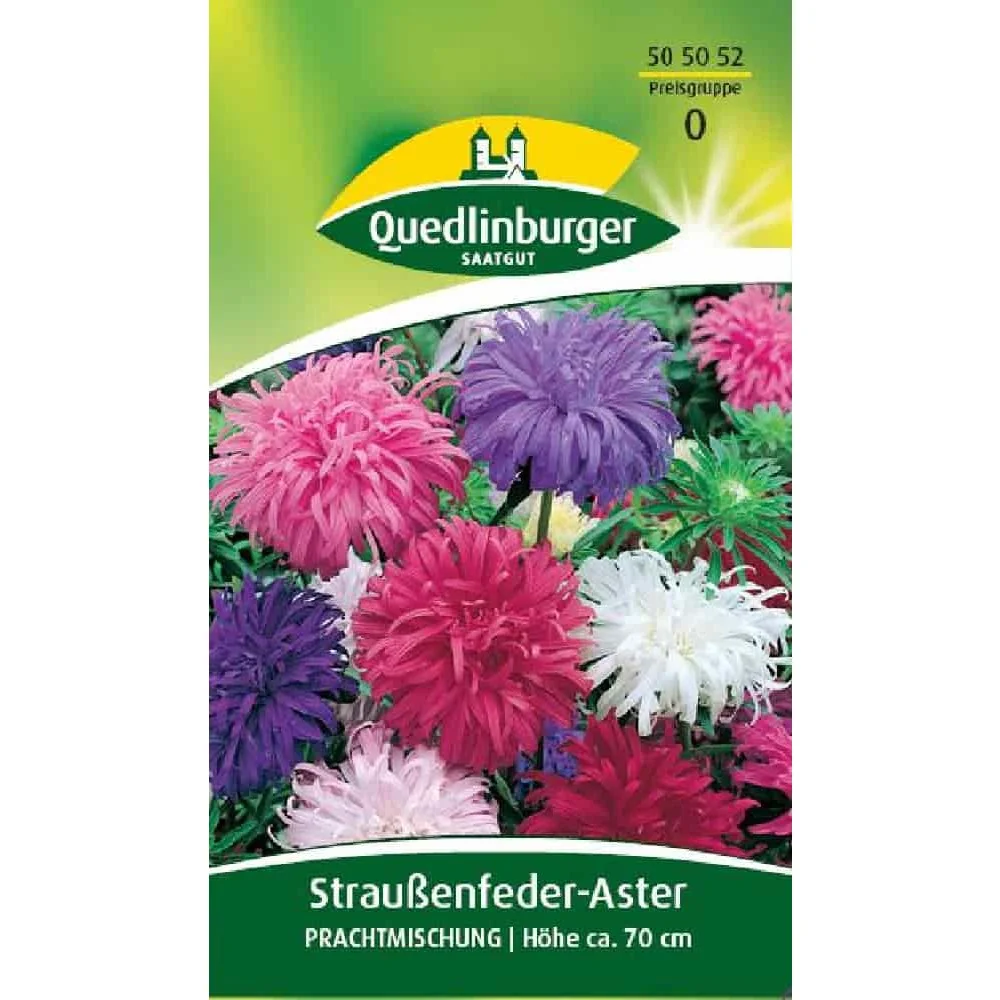
, the bee tree in a 3,5-liter container can provide a late-summer source of nectar. , a bee-friendly aster mix provides flowers in fall. Check the location, soil and blooming period before planting.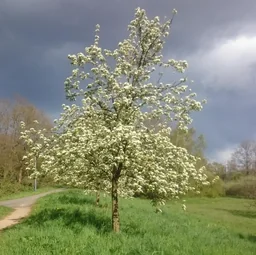
Set up a shallow, clean water source with landing spots before the bees start looking elsewhere. A water station with pieces of cork, wood or stones helps keep bees from drowning. Keep the water topped up, especially during dry spells. Find suitable supplies in our garden irrigation range.
Practical access and safe working conditions
You need to be able to reach the hives in all weather. Make sure there’s a firm path, enough space behind the hives and a way to carry honey supers. The garden equipment around the apiary should be sturdy, easy to maintain and free of sharp edges.
Avoid placing hives right next to busy areas. Let your neighbors know in advance and explain when you’ll be working with the colonies. Being considerate and directing the bees’ flight path clearly can prevent many conflicts.
“Successful beekeeping begins with observing the colony and choosing a location that meets the bees’ natural needs.”
What equipment do beginner beekeepers need?
Your basic equipment should be safe, clean and compatible. You don’t need to buy every specialty tool on your first day. For your first inspections, you need a complete, functional set of equipment and someone to show you how to use it.
Hives, frames and beekeeping tools
Depending on the system, a hive consists of a bottom board, supers, frames, a lid and a hive cover. The supers give the colony room for brood and honey. Frames must fit the hive exactly. Choose a system that’s widely used by your local beekeeping association so you can exchange equipment more easily and use secondhand parts.
- Hive tool: Separates propolis-sealed supers and lifts frames.
- Smoker: Calms bees with small amounts of cool smoke.
- Bee brush: Gently moves individual bees off frames.
- Feeder: Provides feed in a controlled way while reducing robbing.
- Scale or lifting aid: Shows the weight, giving you a rough idea of food stores.
- Hive record book and marker pen: Record observations and dates.
Choosing the right protective clothing
A veil protects your face and neck. A light-colored, smooth jacket or suit makes it harder for bees to cling to you. Sleeves and pant legs must fasten securely. Wear closed-toe shoes and gloves if they make you feel safer. Many experienced beekeepers eventually use less hand protection, but beginners shouldn’t feel pressured to do so.
Check the smoker before every inspection. It should produce cool smoke and must not send sparks onto the hive or dry grass. Use suitable, untreated fuel. Gasoline, denatured alcohol and painted materials don’t belong in the smoker.
Consider wild bee nesting aids separately
, the “Insect 70” bee nesting box is a nesting aid for solitary bees and other insects. It’s not a substitute for a hive with a honey bee colony. Place this type of nesting aid in a dry, sunny, sheltered spot and don’t clean it with harsh products.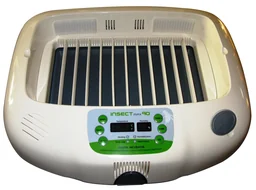
This distinction helps set expectations. A bee hotel doesn’t produce honey and doesn’t need weekly inspections like a honey bee colony. It complements hobby beekeeping by supporting a range of pollinators in the garden.
Additional advice
Store frames in a dry, well-ventilated place protected from wax moths. Check used hives for old comb, mold and signs of disease. Buy used equipment only if you can verify its origin and sanitary condition. If in doubt, have it inspected by your local beekeeping association.
How do you care for a bee colony throughout the year?
Caring for a bee colony means assessing its development and food stores at the right time. Do not open the hive according to a rigid calendar; instead, base your inspections on the weather, available forage and colony strength. Work calmly and with a clear purpose. Every inspection should answer a specific question.
Spring: Check food, brood and space
After the first warm days of flying, check whether the colony has enough food and whether the queen has established a continuous brood nest. A strong colony will soon need more space for its growing brood. Do not expand too early, because bees cannot heat large, cold spaces effectively.
Observe the hive entrance before opening the hive. Many pollen-gathering bees indicate brood. Individual bees with deformed wings, unusual restlessness, heavy spotting or unusually large numbers of dead bees require expert assessment.
Swarming season: inspect weekly
In late spring and early summer, a strong colony grows quickly. Lack of space, a large brood nest and an older queen can encourage swarming. During this period, inspect the colony about once a week for queen cells and other signs of swarming. Do not simply destroy queen cells without a plan, as the colony may start the process again.
A beekeeping mentor can show you when adding space, using an additional board or creating a nucleus colony is appropriate. To create a nucleus colony, you remove bees and brood from a strong colony and build up a new one. This reduces swarming pressure and increases the number of colonies, but it requires knowledge of queens and feeding.
Summer: Honey supers and Varroa control
Add a honey super when the brood nest is filling the available space well and the colony is strong enough. Check whether the bees accept the new space. Do not remove any honey while the colony still needs its own food stores.
Preparation for winter begins after the final honey harvest. Check the Varroa mite infestation using an approved method and treat the colony according to the instructions of the responsible specialist advisor. Use only approved products and follow waiting periods and application instructions.
Treatment without measuring the infestation may be too late or unnecessary. Record the infestation level, product, date and result. Varroa mites weaken bees, transmit viruses and threaten the colony overwintering, which is why monitoring is one of the most important tasks in hobby beekeeping.
Autumn and winter: Secure food stores
After the honey harvest, feed the colony only if its food stores are insufficient. How much food a colony needs depends on the hive system, colony strength, climate and existing stores. Weigh the hive or ask your local association to show you how to assess the amount of food available.
Feed small, controlled portions and avoid open feeding stations. Open feed attracts foreign bees and can trigger robbing. Late interventions disturb the colony less than repeatedly opening the hive in cold weather; nevertheless, keep the entrance clear and the apiary site dry.
Leave the bees largely undisturbed in winter. Do not open the hive during frost and do not knock on the hives. From the outside, check whether the entrances are clear, whether storms have caused damage and whether animals can access the hives.
“The Varroa mite is one of the most significant health problems affecting honey bees and requires systematic monitoring throughout the year.”
What regulations apply to beekeepers?
In Germany, you must register your bee colonies with the responsible veterinary authority. This also applies to small hobby apiaries. Before setting up your apiary, find out which authority is responsible, what local requirements apply and whether the location may need to be changed.
Animal health and disease-control law
The Bee Diseases Ordinance requires beekeepers to make certain reports and take specific measures. If a notifiable bee disease occurs or is suspected, do not act alone. Restricted zones, inspections and bans on moving colonies may affect the entire regional bee population.
Keep clear records of your hives, colonies, nucleus colonies and movements. Buy colonies only from trustworthy sources and ask for health certificates if you are transporting bees over longer distances. Contaminated comb, unknown colonies and unclear origins increase the risk of introducing disease.
Neighbours, plant protection and insurance
Discuss the apiary site with the owner and your neighbours. Find out about required distances, property boundaries and possible local authority requirements. If a neighbour has an allergic reaction or regularly spends time directly in the bees’ flight path, you need to redirect the flight path or choose another location.
Coordinate plant protection measures in the surrounding area. Spraying while bees are flying can damage colonies. Ask farms, garden owners and the local authority about planned applications and comply with protection requirements.
Public liability insurance for beekeeping protects you against financial consequences if your bees cause damage. Check whether your personal liability insurance covers beekeeping. Beekeepers’ associations often offer suitable group policies or advice on insurers.
Important notice
Do not place a colony in your garden on a whim. Register your beekeeping activity, clarify ownership and neighbour-related issues, and assess the site before the bees arrive. If you suspect disease, a severe Varroa infestation or unusual losses, contact the veterinary authority or a bee health expert.
How do you harvest honey safely and hygienically?
The first season is primarily about building strong, stable colonies. Beginners do not need to harvest large quantities of honey in their first year. Leave the colony enough food stores and remove only surplus honey frames that it does not need for brood rearing and winter supplies.
How to recognise ripe honey frames
Honey should be largely ripe before you extract it. A high proportion of capped cells shows that the bees have reduced the water content and stored the honey. If you are unsure, check the water content with a refractometer and follow the requirements of the Honey Ordinance and the quality guidelines of the Deutscher Imkerbund.
Work cleanly and efficiently during the harvest. Do not use frames containing brood, open food residues or visible contamination. Remove the bees gently and transport the honey supers in a sealed, bee-proof container.
Extracting, straining and bottling
In the honey extraction room, you need clean, food-safe work surfaces, a suitable uncapping knife, an extractor, strainers, a bottling container and suitable jars. Allow the honey to rest after straining so that air bubbles and wax particles rise to the surface. Bottle it only once the surface is clean.
Label every jar correctly. This includes the legal name of the product, net quantity, best-before date, lot identification, and the name and address of the responsible bottler. If you sell honey, additional labelling and hygiene regulations apply. Before your first sale, ask your beekeepers’ association, food control authority or chamber of agriculture for advice.
A realistic start-up plan
Start with a course in autumn or winter, when you have time to choose your equipment. Assemble your hives and frames in good time, set up an apiary site and plant forage plants. In spring, bring in your first colonies as soon as the weather and location are suitable.
- Attend a beginner’s course and find a beekeeping mentor.
- Choose two colonies from a traceable regional source.
- Register the apiary site with the veterinary authority and discuss it with your neighbours.
- Each week, specifically check brood, food, space and signs of swarming.
- Monitor and treat Varroa according to an agreed plan.
- Harvest honey only when the colonies are strong and have sufficient food stores.
Anyone who wants to keep bees needs patience, good powers of observation and a clear annual plan. Hobby beekeeping rewards careful work with fascinating insights into a highly organised society. With two colonies, good guidance and a suitable apiary site, you can lay the foundations for healthy bees and responsible beekeeping.
Frequently Asked Questions
- How many beehives should a beginner start with?
- Start with two colonies. This allows you to compare development, food consumption and colony strength, and helps you respond more effectively to minor problems. A single colony gives you nothing to compare it with and makes creating splits more difficult. Beginners are often overwhelmed by more than two or three colonies when it comes to inspections, varroa treatment and honey harvesting.
- Where can I keep bees?
- The apiary needs a dry, sheltered location with morning sun and sufficient distance from paths, patios and neighbouring properties. A hedge or fence directs the bees' flight path upwards. You should also check local regulations, property law and obtain the owner's permission.
- How often do I need to inspect a bee colony?
- During swarming season, you will usually inspect a strong colony weekly; outside this period, inspections can be less frequent, depending on your schedule and the weather. Do not open the hive out of curiosity. Check the brood, food stores, queen status, available space and signs of disease specifically. A beekeeping mentor can help you assess the colony.
- How much does beekeeping cost for beginners?
- For two colonies, hives, protective clothing, tools, feed, varroa treatments and honey-processing equipment, you should budget several hundred to over a thousand euros. The total depends on whether you buy new or second-hand equipment, the hive system and how you process the honey. Courses, membership fees and ongoing treatment costs are additional.
- Do bees in the garden need extra sugar water?
- Healthy colonies feed themselves when there is sufficient forage available. Only provide liquid feed or fondant following expert advice, for example in the event of food shortages, after the honey harvest or when establishing a split. Never feed bees during the honey harvest, and avoid open food sources that could trigger robbing.
You might also be interested in
- Keeping Chickens in the Garden: A Beginner's Guide
- Attracting Bees to Your Garden: How to Create a Pollinator Paradise
- Protecting Wild Bees and Honey Bees: How You Can Help
- Bee Decline: Causes & How to Protect Bees in Your Garden
- Supporting Wild Bees & Insects: How to Make Your Garden and Balcony Insect-Friendly
- Keeping Chickens for Beginners: How to Maximise Egg Production