
In brief: Control diseases and pests on your bell vine with targeted care and early action. Powdery mildew appears as a white coating and requires an airy location and, if necessary, fungicides. Aphids suck sap from shoot tips and can be controlled with soapy water or beneficial insects such as ladybirds. Waterlogging causes root rot – use well-drained soil and water moderately. Prevention through robust varieties, the right location and regular checks offers the best protection.
Bell Vine: How to Control Diseases and Pests Effectively
The bell vine (Cobaea scandens) enchants with its bell-shaped flowers. But like all climbing plants, it is not immune to diseases and pests. Targeted care and a quick response will protect your plant.
Which diseases threaten bell vine?
Fungal diseases are the most common problems. You can identify them by changes to the leaves and shoots.
Identifying and treating powdery mildew
Powdery mildew appears as a white, flour-like coating on the upper and lower surfaces of leaves. The leaves later turn yellow and dry out. The fungus prefers warm, dry weather with high humidity.
Remove infected plant parts immediately. Burn them or dispose of them with household waste, not in the compost. Ensure better air circulation around the plant.
Expert tip
Plant-strengthening products such as horsetail extract help prevent powdery mildew. Spray the mixture on the leaves every two weeks as a preventative measure. The silicic acid it contains strengthens the plant tissue.
Preventing root rot caused by waterlogging
Root rot develops when the roots remain permanently wet. The leaves wilt even though the soil is moist. The roots then become brown, soft and rotten.
Always use well-drained soil. A pot must have drainage holes. Only water when the top layer of soil has dried slightly. If the plant is affected, repot it and cut off rotten roots.
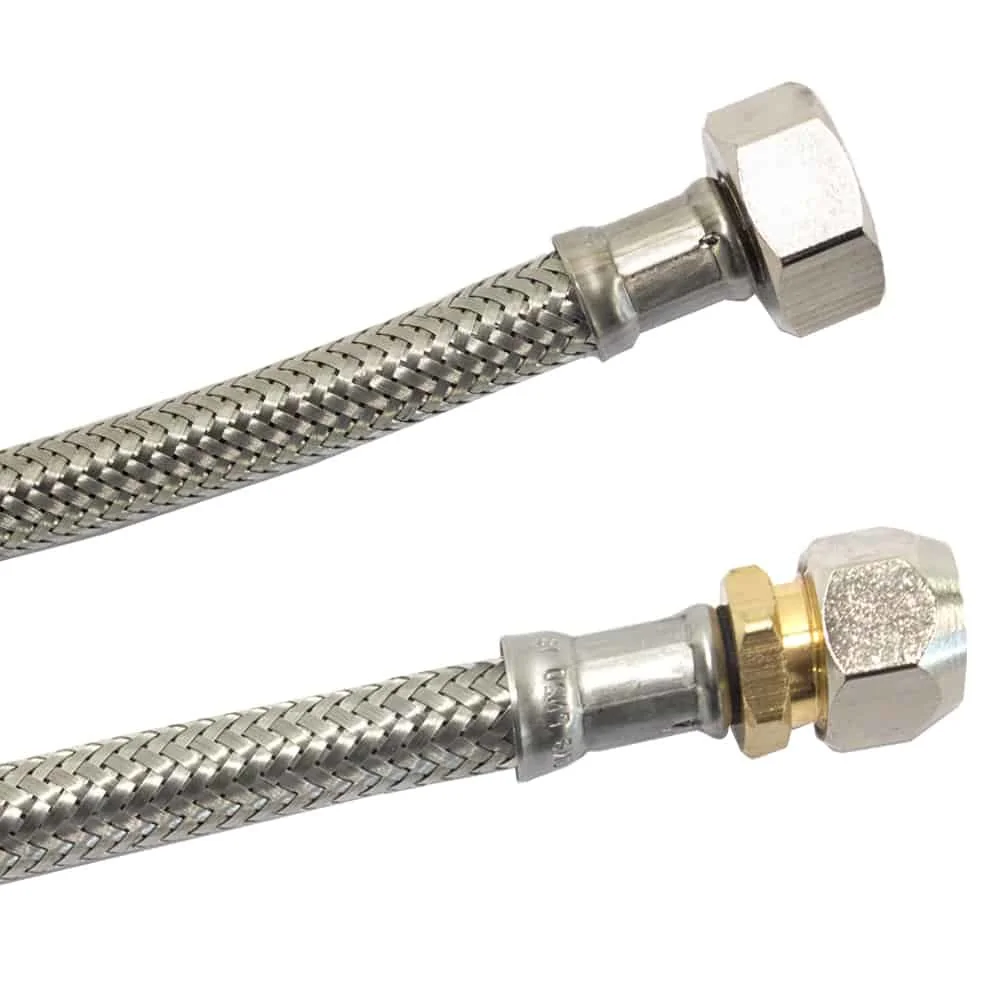
Suitable garden irrigation helps control the amount of water. A garden hose with a spray nozzle allows targeted watering.
How do I control pests on climbing plants?
Aphids, spider mites and whiteflies are typical pests. They weaken the plant by sucking its sap.
Removing aphids effectively
Aphids live in colonies on young shoot tips and the undersides of leaves. They suck plant sap and excrete sticky honeydew.
For a light infestation, spray the aphids off with a strong jet of water. Repeat this for several days. A solution of soft soap and water suffocates the insects. Spray the undersides of the leaves thoroughly.
The best protection against a mass infestation is a healthy garden ecosystem. Encourage beneficial insects such as ladybirds and lacewings with flower-rich hedges and insect hotels.
Preventing spider mites in dry conditions
Spider mites thrive in warm, dry air. You can identify them by fine webs in leaf axils and yellow-speckled leaves.
Increase humidity by regularly spraying the plant with water. Beneficial insects such as predatory mites control spider mites biologically. Suitable products are available from specialist retailers.
Important note
Use chemical plant protection products only as a last resort and strictly according to the instructions for use. Check that they are approved for ornamental plants and protect bees and other beneficial insects.
Why is prevention so important?
Healthy, robust plants are better able to withstand pests and diseases. Choosing the right location and providing proper care are the foundation.
The ideal location for bell vine
Plant your bell vine in a sunny, warm and sheltered spot. Full sun promotes vigorous growth and abundant flowering. The soil should be nutrient-rich, humus-rich and well drained.
Avoid planting too closely together. Sufficient space from other plants improves air circulation and reduces fungal infections. A trellis gives the climbing plant support.
You will find useful garden tools in our range for planting and care.
Proper care strengthens the plant
Water regularly but moderately. Waterlogging is fatal. During the growing season, fertilise every two weeks with a liquid fertiliser for flowering plants. Remove faded flowers regularly to encourage further flowering.
In autumn, cut the annual bell vine back close to the ground. Protect perennial specimens in mild regions from frost with a layer of leaves or brushwood.
Balanced fertilisation strengthens the plant's cell walls and makes it more resistant to sap-sucking insects and fungal spores. Organic fertilisers work slowly and protect soil life.
How do I protect my bell vine in winter?
Bell vine is not hardy. You must protect it from frost or bring it indoors in good time.
Overwintering indoors
Bring potted plants indoors before the first frost. A bright, cool room at around 10°C is ideal. Water only occasionally so that the root ball does not dry out. Do not fertilise.
Check the plant regularly in its winter quarters for pests such as spider mites, which multiply in warm heated air.
Additional advice
Before bringing the plant into its winter quarters, inspect it thoroughly for pests. A preventative rapeseed oil-based spray can kill hidden larvae and eggs and help ensure a pest-free winter.
Protection outdoors
In very mild regions, you can try protecting the plant in the bed over winter. Cut the plant back. Cover the root area thickly with leaves, brushwood or straw.
A garden furniture cover or garden fleece protects the above-ground parts from severe frost and moisture. Remove the cover on mild days to prevent mould from forming.
The pond protection net is also suitable as a lightweight cover for larger areas or to protect against heavy leaf fall.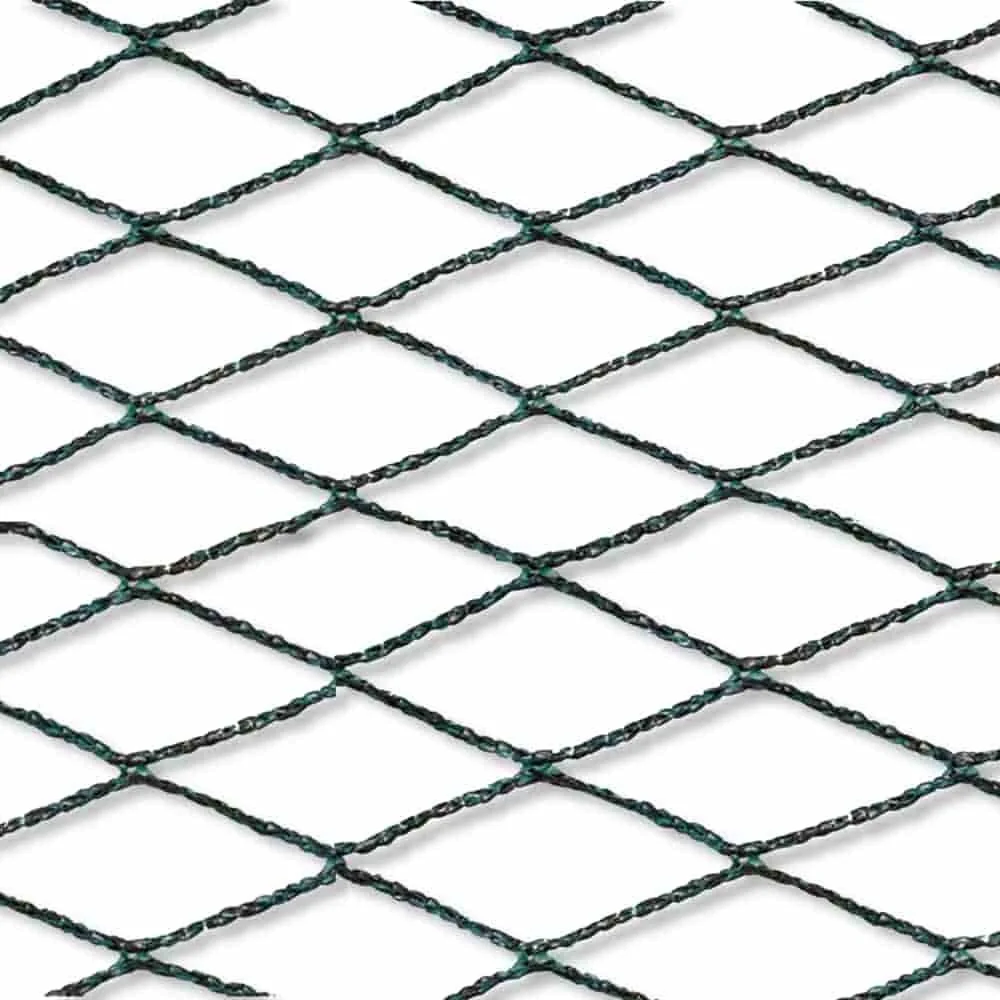
Which products support plant health?
The right equipment makes it easier to care for and protect your climbing plants.
Watering and climbing supports
A high-quality hose such as
Climbing plant mixes are ideal for new plantings.
contains four different varieties, including Rhodochiton and Cobea, for varied greenery.
Protection from weather and leaves
A sturdy tarpaulin such as
, the scaffold sheeting, protects more than just building sites. It is suitable as temporary weather protection for delicate plants or for covering compost.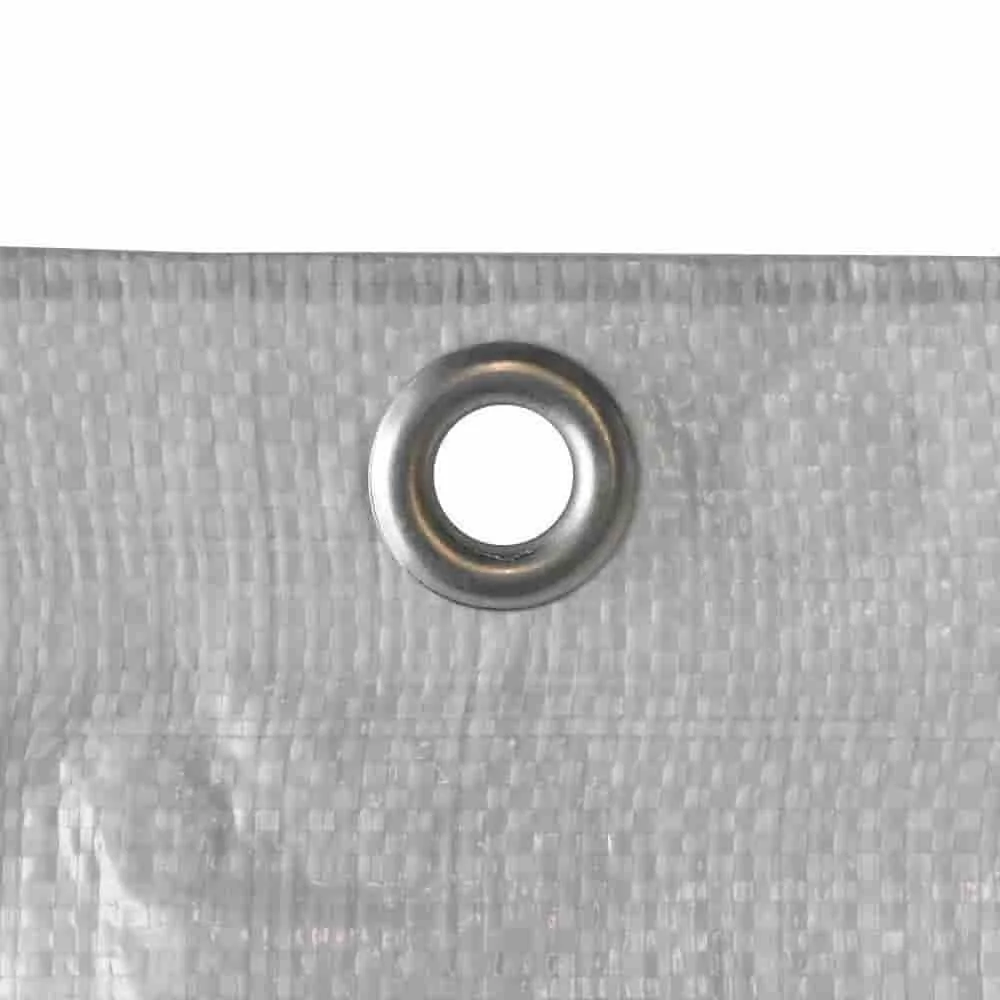
With these measures and products, you can keep your bell vine healthy and full of flowers. If you have further questions about gardening, our categories offer a comprehensive range of equipment.
Frequently Asked Questions
- What are the most common diseases affecting bell vines?
- The most common diseases are fungal infections such as powdery mildew and downy mildew, which appear as white-grey coatings or yellowish spots on the leaves. Root rot caused by waterlogging is also common. Grey mould (Botrytis) can occur in cool, damp weather. Prevention includes a well-ventilated location, moderate watering and resistant varieties.
- How can I tell if my bell vine has aphids?
- You can identify aphids by colonies on young shoot tips and the undersides of leaves. The small green or black insects suck sap from the plant. This causes curled, distorted leaves and sticky honeydew on the leaves, which often attracts sooty mould. For a light infestation, spraying the plant with water is sufficient.
- What helps against powdery mildew on bell vines immediately?
- In the event of an acute powdery mildew infestation, remove heavily affected leaves. Treat the plant with an approved fungicide from a specialist retailer or a home remedy such as a mixture of 1 part fresh milk and 9 parts water. Improve air circulation by pruning neighbouring plants.
- Can pests on climbing plants also be controlled biologically?
- Yes, biological control is very effective. Use beneficial insects such as ladybird larvae against aphids. Lacewing larvae and parasitic wasps are also helpful. Against slugs, use runner ducks or collect them by hand. Strengthen the plant preventively with plant teas such as nettle or horsetail extract.
- How can I prevent pests from infesting my bell vine?
- Prevention starts with the right location: sunny, well-ventilated and not planted too closely. Choose robust varieties. Water directly at the roots, not over the leaves. Keep the soil well-drained and apply mulch. Check your plants regularly, especially the undersides of leaves and shoot tips.
You may also be interested in
- How to identify and successfully treat plant diseases
- Cucumber diseases: How to identify and control them to keep cucumbers healthy
- How to identify and effectively control rose diseases
- How to identify and effectively control houseplant pests
- Leaf spot disease: How to identify, treat and prevent it
- How to identify and effectively control lawn diseases