
In brief: The right bedroom wall color can promote restful sleep. According to Feng Shui, soft, earthy shades such as beige, sand and delicate blues work best. These colors have a calming effect on the nervous system and create a harmonious atmosphere. Avoid active, bright colors such as red or vivid orange.
What is Feng Shui, and why is it important in the bedroom?
Your bedroom is more than just a room with a bed. It is your own private retreat, a place to unwind from the hustle and bustle of everyday life. This is where you recharge. The ancient Chinese practice of Feng Shui focuses on exactly that: arranging your surroundings so that life energy, or “Chi,” can flow freely and harmoniously.
In the bedroom, the goal is to encourage calm Yin energy. You can do this by keeping the room tidy, arranging furniture thoughtfully and, above all, choosing colors with care. The wrong wall color can trigger stress without you realizing it and disturb your sleep, while the right shade can help you relax deeply. Aim to create a space that feels safe and comfortable.
Colors are the mother tongue of the unconscious.
Which colors promote sleep according to Feng Shui?
For the bedroom, Feng Shui primarily recommends colors found in nature. They have a grounding, calming and balancing effect. Bright, bold shades don't belong here. Focus on soft, muted hues that create a peaceful atmosphere.
The power of skin tones
Think of the range of human skin tones. This palette, from delicate cream and beige to sand, warm rose and soft peach, is ideal for the bedroom. These colors can evoke warmth, closeness and security. They create a soothing environment where you can truly unwind.
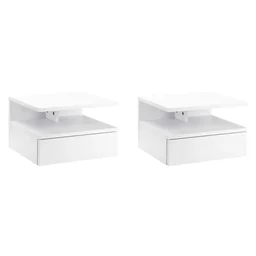
These shades are versatile and pair beautifully with furniture made from natural materials such as wood. A floating bedside table like the
Additional advice
Always test colors on the wall where you plan to use them. Buy small sample pots and paint a larger area. See how the color changes in daylight and under artificial lighting in the evening before applying the final coat.
Blue: The color of calm
Blue is a classic color for relaxation. It calls to mind a wide-open sky or a calm sea and can have a soothing effect on the nervous system. Blue may lower blood pressure and slow your pulse, creating ideal conditions for falling asleep.
Choose soft, light shades of blue such as sky blue, dove blue or faded denim blue. Blue that is too dark or intense can quickly feel oppressive. However, an accent wall behind the bed in a medium blue shade can add pleasant depth to the room.
Green: Nature and renewal
Green stands for growth, harmony and nature. It is the color of balance and can have a stabilizing, restorative effect. A green bedroom feels like a walk in the woods: refreshing yet calming at the same time. This color can help you regain your balance after a demanding day.
Muted shades of green such as sage, mint, eucalyptus or moss green are especially suitable. These natural hues create a connection with the outdoors and encourage a sense of peace and well-being.
Expert tip
Pair green walls with real plants to strengthen the connection with nature. Plants can improve indoor air quality and add a sense of vitality and freshness. Choose easy-care varieties that tolerate lower light, such as snake plants or pothos.
Earth tones: Stability and comfort
Warm earth tones create a sense of stability and security. Colors such as taupe (a warm gray-brown), soft terracotta, clay brown or greige (a mix of gray and beige) can help you feel grounded and create a cozy, protective retreat. These colors are perfect if you want an especially comfortable, warm place to sleep.
Earth tones pair beautifully with soft textiles and varied textures. Think linen bedding, a wool rug or velvet pillows. These materials highlight the comforting warmth of the wall color.
Which colors should you avoid in the bedroom?
Just as some colors can promote sleep, others can disrupt your night's rest. These are strongly activating Yang colors that demand energy and attention—exactly the opposite of what you need to fall asleep.
- Red and vivid orange: These colors make a bold statement. They represent energy, passion and activity. On a bedroom wall, they can contribute to inner restlessness, nervousness and even sleep problems.
- Bright yellow: Although yellow can lift your mood, a pure, vivid shade may be too stimulating. A sunny yellow wall can feel energizing in the morning, but in the evening it may make it harder to wind down.
- Pure, cool white: An entirely white room can quickly feel sterile, empty and cold. It may lack a cozy feel. Instead, choose warm off-white shades such as cream or eggshell.
- Black and very dark gray: In large amounts, these colors can feel oppressive, heavy and even depressing. Used as small accents, they can add elegance, but as the dominant wall color they can make the room feel darker and less airy.
Important note
Everyone responds to colors differently. If you strongly dislike a recommended color, trust your instincts. The most important thing is to feel comfortable and secure in your bedroom. Feng Shui offers guidelines, not rigid rules.
How can you put color psychology into practice?
You do not need to renovate your entire home right away. Often, small changes are enough to make a big difference. Start gradually and notice how the atmosphere in the room changes.
An accent wall as a compromise
If painting an entire room one color feels like too much, create an accent wall. This is usually the wall behind the head of the bed. You can use a slightly darker or more intense shade from your chosen color palette here. This creates a visual focal point, gives the room structure, and looks stylish without being overwhelming.
Use textiles and decorations selectively
After the wall color, textiles have the greatest impact. New bedding, curtains, decorative pillows, or a rug can introduce color quickly and easily. A worn or unsuitable rug can disrupt the harmony. With a special color spray such as the
in black or the in anthracite, you can freshen up old rugs and match them to your new color scheme. Browse our selection of rugs in a variety of colors for fresh inspiration.

Special case: Feng Shui colors in a child's bedroom
A child's bedroom is a multifunctional space. It's a place to sleep, play, and learn. That's why it makes sense to create different zones. As in adult bedrooms, the area around the bed should feature calm, gentle colors. Soft shades of blue, green, or pink promote restful sleep.
The right color for a bedroom isn't a coincidence, but a conscious choice for a space that recharges our batteries.
You can be a little bolder in the play area. Soft, stimulating colors such as light yellow or delicate orange can encourage creativity and fun. However, avoid bright, bold shades here too, as they could overstimulate your child. You can create a harmonious overall design by incorporating matching children's bedroom colors into the furniture as well. A color-coordinated children's bed and a matching wardrobe color create a cohesive, peaceful look.
Conclusion: Your path to a personal sanctuary
Your bedroom's design has a direct impact on your quality of life. By applying Feng Shui principles and choosing the right colors, you can transform this important room into a source of energy. Choose calming, natural colors, avoid harsh shades, and keep the space tidy.
Trust your intuition when choosing colors. The color that feels best to you is the right one. Use these tips as inspiration and start today to transform your bedroom into a place of deep rest and renewal.
Frequently asked questions
- What is the best bedroom color according to Feng Shui?
- According to Feng Shui, soft, nature-inspired colors are ideal. These include delicate shades of blue, calming sage green, and earthy “skin tones” ranging from cream and beige to soft rose. These colors promote relaxation and a sense of security, which are essential for restful sleep.
- Can I use red in the bedroom?
- Red is a highly energetic color and should be used very sparingly in the bedroom. It's not a good choice for a wall color because it can create a restless atmosphere. As a small accent, such as on a decorative pillow, it can symbolize passion, but it shouldn't dominate the room.
- Do I need to paint the walls to use Feng Shui color principles?
- No, you don't need to reach for a paintbrush right away. Textiles can also create a calming effect through color. Bedding, curtains, pillows, or a rug in the recommended shades can significantly change the feel of a room and create a harmonious atmosphere.
- Is pure white a good bedroom wall color?
- Pure, cool white can quickly feel sterile and impersonal in a bedroom. Feng Shui recommends warmer alternatives such as off-white, eggshell, or very light beige. These shades create a softer, more welcoming, cozier environment that supports relaxation.
- Do the same Feng Shui color rules apply to children's bedrooms?
- Partly. A child's bedroom is used for both sleeping and playing, so dividing it into zones makes sense. The sleeping area benefits from the same calm colors as an adult bedroom. In the play area, you can use more stimulating colors, such as soft yellow or orange, as accents to encourage creativity.
You may also be interested in
- Feng Shui in the living room: How to boost positive energy and well-being
- Bedroom design: Tips for greater well-being
- Color schemes: Which colors go with green in living spaces?
- Painting a child's bedroom: Practical color scheme tips
- How to darken your windows: Effective ways to sleep better
- Choosing wall paint: Tips for the perfect finish