
In brief: Effective marten protection combines different methods. The best solutions in 2026 include reliable ultrasonic devices, mechanical barriers such as spike mats, and scent deterrents such as sprays or scent sticks. The right choice depends largely on your vehicle and where you park it. Our comparison highlights the pros and cons of each system and offers clear recommendations.
A marten chewing through a cable in your engine bay can lead to expensive repairs. Finding the right protection, though, can be confusing. Ultrasonic devices, flashing lights, sprays or spikes—which option works best? Our 2026 marten deterrent test and comparison breaks it down. We explain how the different methods work, compare specific products and offer a practical buying guide to help you find the right solution for your vehicle.
Table of contents
- How does marten protection work? The main methods explained
- What types of marten protection are available? A comparison
- The best marten protection products in 2026
- How do I choose the right product? A buying guide
- How to install and use marten protection correctly
- Conclusion: The best protection against marten damage
How does marten protection work? The main methods explained
Marten protection does not rely on just one method. Products target the animal's different senses to deter it or prevent it from biting. The three main approaches are acoustic, visual and mechanical, and scent-based deterrents.
Acoustic methods take advantage of the marten's sensitive hearing. Ultrasonic devices emit high-frequency sounds that people cannot hear but that are unpleasant to the animal. They are designed to make the engine bay an uncomfortable place to stay.
Visual and mechanical methods use visual cues or physical barriers. These include flashing LED lights to startle martens and spike mats to prevent them from biting cables and hoses.
Scent-based methods target the sense of smell. Special sprays or scent sticks release strong odours that martens dislike and avoid. Some products mimic the scent of predators.
Tip: No method offers a 100% guarantee. Combining two or three different approaches significantly improves your chances of success and makes it harder for martens to get used to the deterrents.
What types of marten protection are available? A comparison
Ultrasonic and acoustic devices
These electronic devices are very popular. They are installed in the engine bay and run on batteries or connect to the vehicle's 12-volt power supply. Modern devices such as the
(12-volt car marten deterrent - M100 new) automatically change frequencies to stop martens from getting used to the sound.
Advantages: Easy to install, often cover a larger area and can also deter other rodents.
Disadvantages: Engine noise or insulation in the engine bay can reduce their effectiveness. Animals may also vary in their sensitivity to the sound.
Mechanical protection: spike mats and covers
This passive method is highly reliable. Products such as the
(expandable spike mat, 10 pieces) wrap around vulnerable cables. The plastic spikes stop martens from biting without damaging the hoses.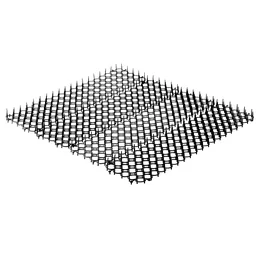
Advantages: Provides lasting physical protection, works regardless of the animal's behavior and is weather-resistant.
Disadvantages: Takes longer to install, must cover every vulnerable cable and hose, and only protects the areas it covers.
Visual deterrents: flashing lights and LEDs
Devices such as the
(car marten deterrent/LED flashing light 12 volt) use irregular flashes to scare away nocturnal martens. They are fitted in the engine bay and often switch on only in the dark or when they detect vibrations.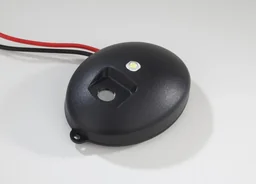
Advantages: Provides a clear visual stimulus, uses energy-efficient LED technology and often includes a motion sensor.
Disadvantages: Martens may ignore the lights if they are poorly positioned, and the lights have limited effect under the hood during the day.
Scent deterrents: sprays and sticks
These chemical or natural repellents can be sprayed directly onto vulnerable areas in the engine bay or placed there as sticks. The
(anti-marten spray 500 ml) is a typical example.
Warning: Never use sprays on a hot engine or near spark plugs or open flames. Wear gloves and make sure the area is well ventilated.
Advantages: Easy to use, work immediately and complement other methods well.
Disadvantages: Their effect is temporary and wears off after a few days or in the rain, so they need to be reapplied regularly.
The best marten deterrents of 2026
Our comparison focuses on products that balance effectiveness, ease of use and reliability. The table below compares the leading options side by side.
Here are the most-reviewed marten deterrents in our range:
| Model | Customer rating | Availability |
|---|---|---|
| Battery-powered ultrasonic marten deterrent. | – | Currently unavailable |
| Indoor ultrasonic marten deterrent, 230V | – | Currently unavailable |
| Marten repellent spray, 500 ml | – | Currently unavailable |
| Marten repellent sticks, 10 pieces with holder | – | Currently unavailable |
| Car marten deterrent with flashing LED, 12 Volt | – | Currently unavailable |
The right product depends on your situation. A car parked in a garage has different needs from one left outdoors overnight. Keep this in mind when choosing a deterrent.
Note: Product availability may change. Check the latest technical specifications and installation instructions on the product pages in our marten deterrent range.
How do I choose the right product? A buying guide
Ask yourself these four questions before you buy:
- Where do I usually park my car? In a garage, carport or outdoors? For outdoor parking, weatherproof mechanical solutions such as spike mats are often a good choice.
- How often and for how long is my car parked? If it will be parked for a long time, such as during a holiday, choose continuous protection such as spike mats or permanently installed ultrasonic devices rather than a spray.
- Am I comfortable doing DIY work? Installing spike mats takes more time and skill than fitting an ultrasonic device or applying a spray.
- Has my car already been damaged, or do I just need preventive protection? After a marten attack, combine a fast-acting spray with longer-term measures.
For most car owners, the best approach is to combine an electronic device, such as an ultrasonic deterrent, with basic mechanical protection, such as spike mats around key cables and hoses. This helps deter martens and physically protects vulnerable parts.
How to install and use marten deterrents correctly
Even the best technology won't work if it's installed incorrectly. Follow these tips for the best results.
Installing ultrasonic devices and flashing lights
Securely mount the device in the engine compartment, away from very hot areas such as the exhaust manifold and moving parts such as fan belts. Aim the sound or light outlet at likely entry points, often from the front or underneath. Make sure the power supply is secure.
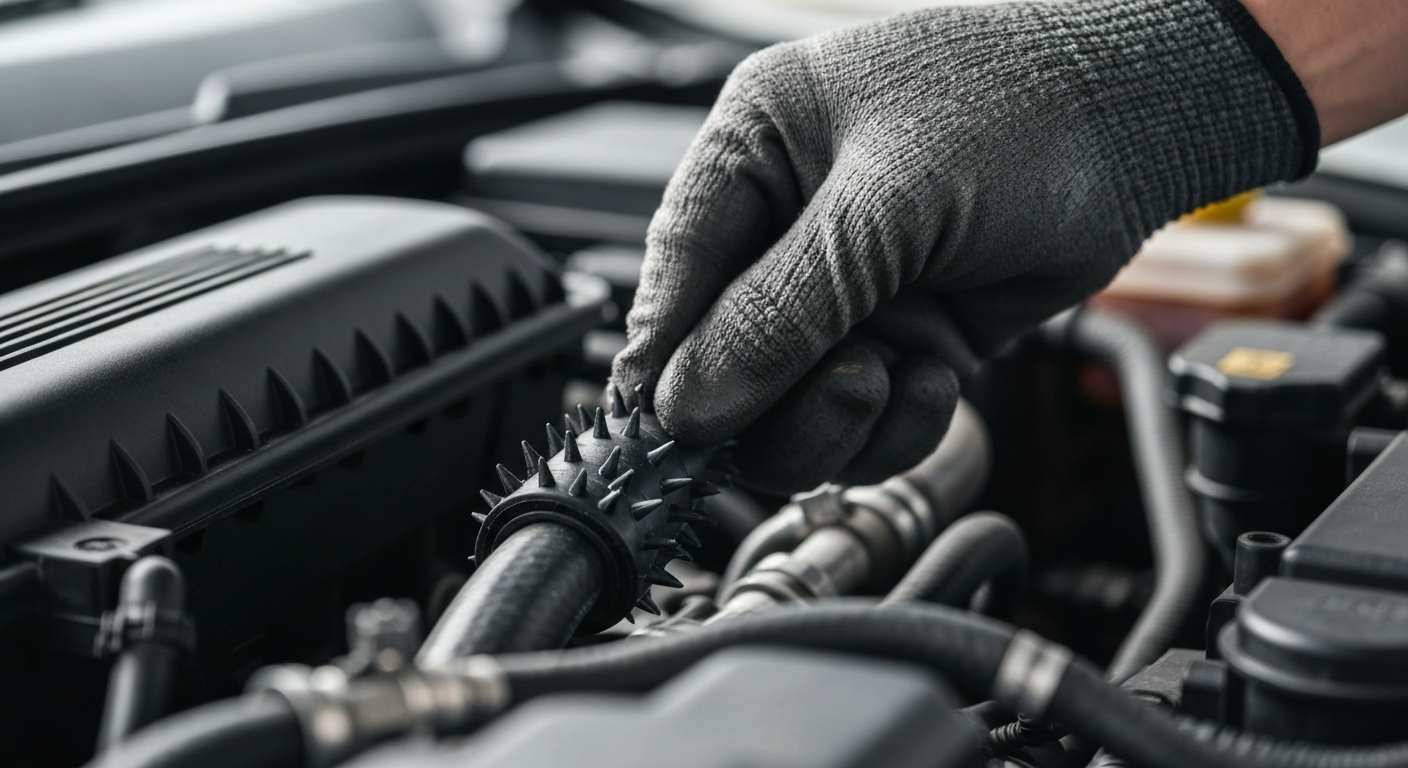
Installing spike mats
Wrap the mat firmly around all larger wiring looms and rubber hoses, without squeezing them. Thick cables leading to the battery, along with brake and coolant lines, are especially vulnerable. Make sure there are no gaps.
Using sprays and scent products
With the engine cold, spray the areas at risk evenly. Reapply as directed by the manufacturer, especially after rain or a long drive, since heat causes the scent to evaporate. Place scent sticks on stable, heat-resistant surfaces.
For more ideas and a wide range of suitable car accessories, browse our categories.
Conclusion: The best protection against marten damage
The best marten deterrent in 2026 isn't a single product but a smart system. Combine the strengths of different methods. A reliable ultrasonic device such as the deters martens with sound. Sturdy spike mats such as the protect cables and hoses if an animal gets inside. A marten repellent spray such as the provides quick, scent-based protection after installation or in an emergency.
Invest in quality and think long term. A layered protection system generally costs less than replacing a chewed brake or coolant hose. Protect your car before damage occurs and enjoy the peace of mind that effective marten protection brings.
Frequently asked questions
- How does ultrasound deter martens?
- Ultrasonic devices emit high-frequency sounds that people can't hear but martens find unpleasant. The sounds disrupt the animals' communication and sense of direction, encouraging them to avoid the area. Changing frequencies regularly is important so martens don't get used to the sound. For the best results, combine an ultrasonic device with other methods.
- Where should I install a marten deterrent in my car?
- Place the deterrent as close as possible to the area at risk, usually in the engine compartment. Mount it securely, away from moving parts and heat sources. If the device has a motion sensor, point it towards a likely entry point. Always read the manufacturer's instructions carefully before installation.
- Do marten repellent sprays provide lasting protection?
- No, sprays don't provide permanent protection. Their strong scents deter martens, but the effect fades over time, especially in rain or heat. Sprays work well as a temporary solution, for example after a marten attack, or alongside mechanical protection for a longer-lasting effect.
- Do spike mats really prevent marten damage?
- Yes, spike mats can be a highly effective mechanical barrier. Wrapped around hoses and cables, they make it difficult for martens to bite through them. Choose a sturdy, corrosion-resistant material and make sure all vulnerable lines are fully covered. This is one of the most reliable ways to prevent damage.
- Can I combine different marten deterrent methods?
- Absolutely. We recommend combining different approaches: acoustic deterrents such as ultrasound, mechanical barriers such as spike mats, and scent-based products such as sprays. Using several methods helps deter martens from multiple directions and offsets the weaknesses of any one approach. This layered protection can significantly reduce the risk of damage.