
In brief: A high-quality car tool kit has a durable build, a practical selection of common sizes, and secure storage. A compact basic set is often enough for occasional repairs, while professionals may need a more comprehensive set and specialized tools. Quality materials help your tools last longer.
Looking to expand your car tool collection or equip your garage from scratch? With so many options available, it can be hard to know where to start. Our 2026 reviews and comparison will help you find a set that delivers. Whether you work on your car now and then or run a professional shop, the right tools can save you time, money, and frustration.
Contents
What car tools do I need?
The answer depends largely on what you plan to use them for. A DIY mechanic needs different tools from a professional automotive technician. Start with a versatile basic set that covers the most common sizes.
Specialized tools come in handy for jobs you do often, such as changing tires or servicing brakes. Examples include torque wrenches and brake tools. Before you buy, think about which jobs you tackle regularly.
Tools for beginners
Start with a compact set. A car tool kit for beginners often includes screwdrivers, combination pliers, and basic socket wrenches. Choose a set that's up to light-duty jobs.
Tools for advanced users
Taking on more complex repairs? Expand your set with specialized tools. Allen keys and Torx bits, for example, are useful additions. Invest in tools built to last.
Professional tools
Precision and durability are essential in a professional shop. High-quality name-brand tools and comprehensive sets are worth the investment. Your tools need to stand up to daily use.
Tip: You don't need to buy the biggest set right away. Build your tool collection as you go. That way, you won't spend money on tools you'll never use.
Buying criteria explained
Consider a few key factors when buying car tools. Material quality comes first. High-quality steel lasts longer and is less likely to break.
Handle comfort matters, too. Ergonomic handles help you work more efficiently and reduce strain on your hands. Look for a comfortable, non-slip grip.
A complete, well-organized set saves time. A clear layout in a case or roll-up tool bag makes it easy to find what you need. A messy workspace can cost you valuable time.
Materials and construction
Chrome vanadium steel (Cr-V) is a standard material for quality tools. It combines high hardness with good toughness. Tools made from lower-quality steel can bend or break quickly.
Surface treatments help protect tools from corrosion. Chrome-plated or nickel-plated tools are less likely to rust, which is especially useful in a damp workshop.
Size and range
A set doesn't need to include an endless number of pieces. What matters is a useful range of sizes. Check that it covers the most common bolt sizes on your vehicle.
Some sets include specialized tools, such as magnetic pickup tools or universal joints. These can be useful, but they also add to the price. Consider whether you'll actually need them.
Storage and transport
A sturdy tool case protects your investment. Cases made from durable plastic or metal are a good choice. For roll-up tool bags, look for tough nylon and secure fasteners.
Every tool should have a designated spot inside. Molded compartments or blocks keep tools from shifting around and make it easier to check that everything is back in place after a job.
Warning: Never use damaged or worn tools. A rounded screw head or cracked screwdriver can cause an accident and make a screw impossible to remove. Replace defective tools right away.
The best products reviewed
Our 2026 comparison highlights top picks in several categories. We put these sets through their paces. Read our detailed reviews below.
Sturdy Hose Clamp Set
The hose clamp set with the ID
stands out for its simple, effective design. The galvanized clamps in sizes 10-16 mm suit many standard applications in the engine compartment. You can tighten or loosen the screw connection with standard tools.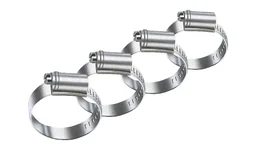
The galvanized coating offers basic rust protection. This set is a reliable choice for occasional use or as an emergency tool in your trunk. It can save you a trip to the repair shop for minor leaks.
Comprehensive Master Wrench Set
The XXL Master Wrench Set
is designed for ambitious DIY mechanics. Its wide range covers many sizes, and the well-organized case makes storage easy.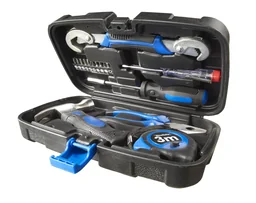
The handles feel comfortable and give you plenty of leverage. The steel is strong enough to help loosen stubborn fasteners. This set is a solid foundation for bigger projects.
Compact Socket Set
For roadside use or minor repairs, the 1/4" socket set
is a great fit. The 12 pieces cover common sizes from 4-13 mm, and the compact storage block takes up little space.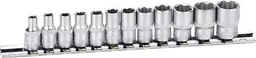
Its handy size makes it easier to work in tight spaces. The quality is more than adequate for occasional use, and it's a practical companion for any road trip.
Note: Availability of the products mentioned may vary. Before planning a repair, check that the tools you need are in stock. This can help you avoid a frustrating wait.
Comparison Table
Compare the top-rated car tools in our range:
| Model | Customer rating | Availability |
|---|---|---|
| 4-piece galvanized hose clamp set, 10-16 mm 🏆 Best in test | ★ 4,8 (9) | In stock |
| "XXL Master Wrench Set" | – | Currently unavailable |
| Single-stage air-hydraulic jack | – | Currently unavailable |
| 1/4" socket set, 4 - 13 mm, 12-piece | – | Currently unavailable |
| 1kW gasoline generator / inverter | – | Currently unavailable |
Care and Storage
Proper care can significantly extend the life of your tools. Wipe dirt and oil off your tools after each use, using a mild cleaner if needed.
Dry every part thoroughly before putting your tools away. Moisture inside the case can cause corrosion. An occasional light coat of oil on metal surfaces provides extra protection.
Storing Tools in the Workshop
Keep your tools in a dry, clean place. Tool walls and shadow boards make it easy to see what you have and spot anything that's missing.
Avoid direct sunlight and significant temperature changes, which can make plastic parts brittle. A steady room temperature is ideal.
Transporting Tools in Your Vehicle
For tools kept in your vehicle, use a water-resistant tool roll or sturdy toolbox. Secure it so it can't slide around. Loose tools can become dangerous in a crash.
Check your emergency tool kit regularly. Make sure every tool works and is free of rust. An annual check is usually enough.
Workshop Safety
Safety comes first in the workshop. Wear safety glasses and gloves when working with force or sharp edges to protect yourself from falling parts and metal shavings.
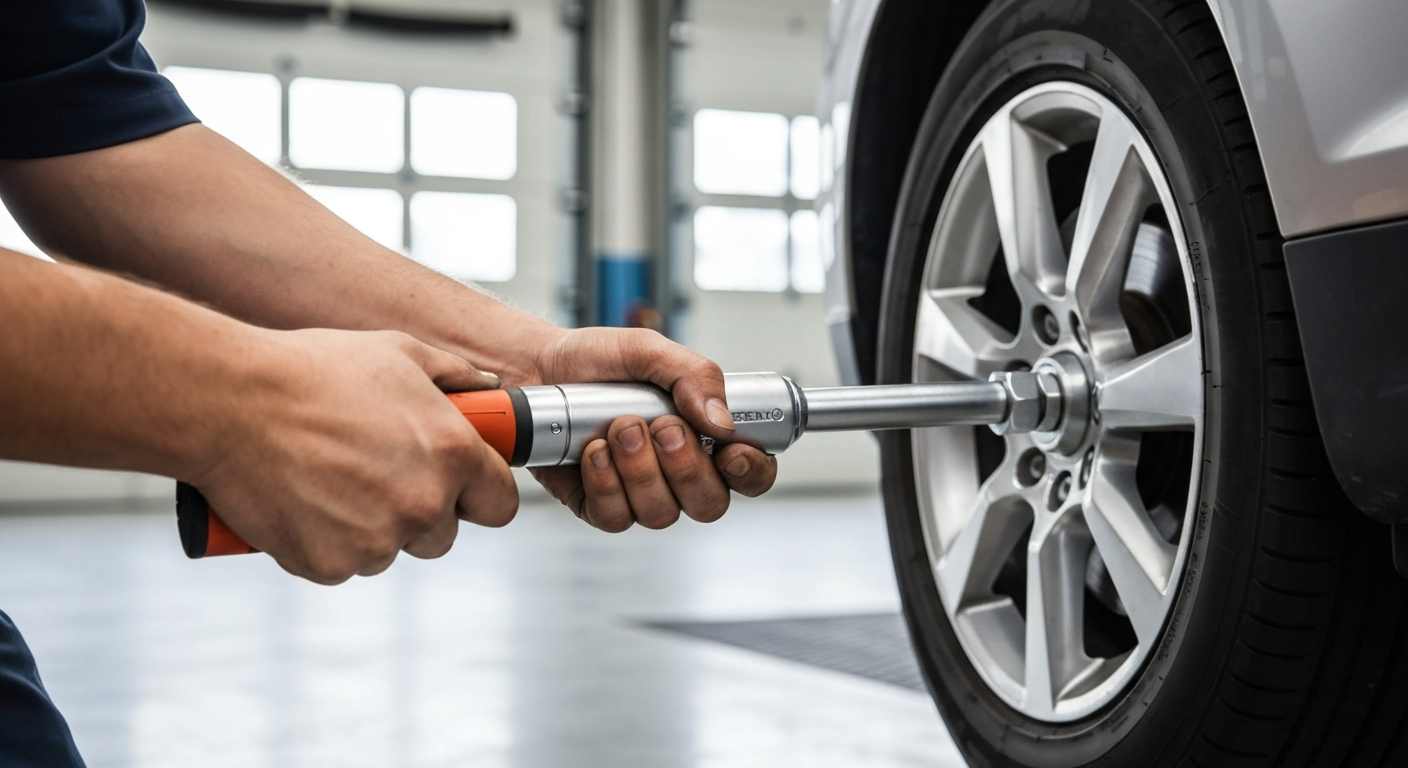
Chock the wheels and use a stable floor jack. Never rely on the jack alone to support your vehicle. Always use jack stands or supports approved for your vehicle.
Applying Force
Apply force carefully and under control. Using an extra-long lever or a pipe for added leverage can overload a tool and cause it to break. For stubborn connections, use a penetrating oil or apply controlled heat.
Keep your body out of the path a tool could take if it slips or breaks. A wrench can fly off unpredictably if it breaks. A stable stance helps reduce the risk of injury.
Electrical Safety
Always disconnect the battery before working on electrical systems. Use insulated tools on electrical components, and be mindful of the risk of short circuits from metal tools.
Damp or conductive conditions increase the risk of electric shock. Work in a dry area and keep metal tools away from your body.
Conclusion
Choosing the right car tools is an investment in your independence and safety. A high-quality basic tool set gives you a solid foundation for many repairs. Add specialty tools as you need them.
Our comparison shows that there are suitable options for every need and budget. Focus on material quality and a practical selection rather than the number of pieces. With proper care and storage, your tools can serve you reliably for many years. The right equipment helps you handle most vehicle repairs with confidence and safety.
Frequently Asked Questions
- What basic car tools should everyone own?
- A solid starter set includes sockets in common sizes, screwdrivers, an adjustable wrench, combination pliers, and a torque wrench for changing wheels. These tools cover many common car repairs.
- What should I look for in a quality socket set?
- Look for forged chrome vanadium steel for strength and resistance to breakage. The drive fittings should be precisely machined, and the handles should be comfortable to hold. Clear, durable size markings make it easier to find the right socket.
- Do I need specialty tools for DIY car repairs?
- General-purpose tools are enough for routine jobs. You may need specialty tools, such as hex keys, Torx bits, or strut tools, for certain makes or more extensive repairs.
- How should I organize my car tools?
- Use an organized toolbox or tool cart with a place for each tool. This saves time and helps prevent tools from getting lost. For tools you take on the road, sturdy roll-up tool bags or compact plastic cases are ideal.
- Are inexpensive tools suitable for occasional use?
- Inexpensive tools may be enough for simple jobs you only do occasionally. However, they may be less safe and durable, and there's a greater risk of damaging your vehicle.
You may also be interested in
- Socket Set Reviews & Comparison 2026
- Car Diagnostic Tool Reviews & Comparison 2026: The Best Devices Put to the Test
- Vehicle Reviews & Comparison 2026: The Best Vehicles Compared
- Tool Box Reviews & Comparison 2026: The Best Models Put to the Test
- Power Tool Reviews & Comparison 2026: The Best Tools Compared
- Fully Equipped Tool Cart Reviews & Comparison 2026