
In brief: The right construction dehumidifier depends on the room size and amount of moisture. Compact units such as PRODUCT_130041 are suitable for small renovation projects. New builds call for powerful models such as PRODUCT_130203. Key factors include dehumidification capacity, energy use and tank size. Our comparison can help you choose.
Moisture is one of the biggest threats to any building project. After laying screed, plastering or water damage, failing to dry the space properly can lead to lasting damage, mold and costly delays. A powerful construction dehumidifier is essential in these situations.
Choosing the right unit can be challenging. Models vary widely in performance, efficiency and ease of use. Our 2026 comparison explains what to look for and compares the most important features.
Contents
- What types of construction dehumidifier are available?
- How do you calculate the required capacity?
- What are the most important buying criteria?
- Test: These are the best construction dehumidifiers of 2026
- How do you use a construction dehumidifier effectively?
- Are there useful alternatives?
- Which construction dehumidifier is right for you?
What types of construction dehumidifier are available?
Two main types dominate the market: refrigerant dehumidifiers and desiccant dehumidifiers. Most units for typical DIY and professional applications use refrigerant technology.
They draw in humid air, cool it rapidly and condense the moisture. The water collects in a tank or drains directly away. The dried air is then reheated and returned to the room.
Desiccant dehumidifiers use a drying agent such as silica gel. They are especially effective in very cold rooms. For most renovation and new-build projects, however, a powerful refrigerant dehumidifier is more than adequate.
How do you calculate the required capacity?
A construction dehumidifier's capacity is measured in litres of water removed per 24 hours. This figure is based on standard conditions. In practice, actual performance depends heavily on temperature and humidity.
Room volume is a useful starting point. Multiply the room's length, width and height. With a moderate moisture load, such as after renovation work, a medium-capacity unit may be enough for 150-200 m³.
Drying fresh screed or dealing with water damage creates an exceptionally high moisture load. Don't run a unit at its stated limit. Choose a considerably more powerful model or operate several units at once.
Too little capacity can greatly extend drying time and increase energy use. Consider a more powerful model from our construction dehumidifier range.
What are the most important buying criteria?
Dehumidification capacity isn't the only factor to consider. Pay attention to these features:
- Airflow: A high airflow rate in m³/h circulates the room air more often and speeds up drying.
- Energy efficiency: Powerful units can use a lot of electricity. An efficient model helps keep running costs down.
- Tank capacity: A large condensate tank means less frequent emptying. A hose for continuous drainage is even more convenient.
- Ease of use: Castors and a sturdy housing make the unit easier to move. An intuitive control panel is a plus.
- Noise level: In occupied buildings, constant noise can be disruptive. A quieter model is more comfortable to use.
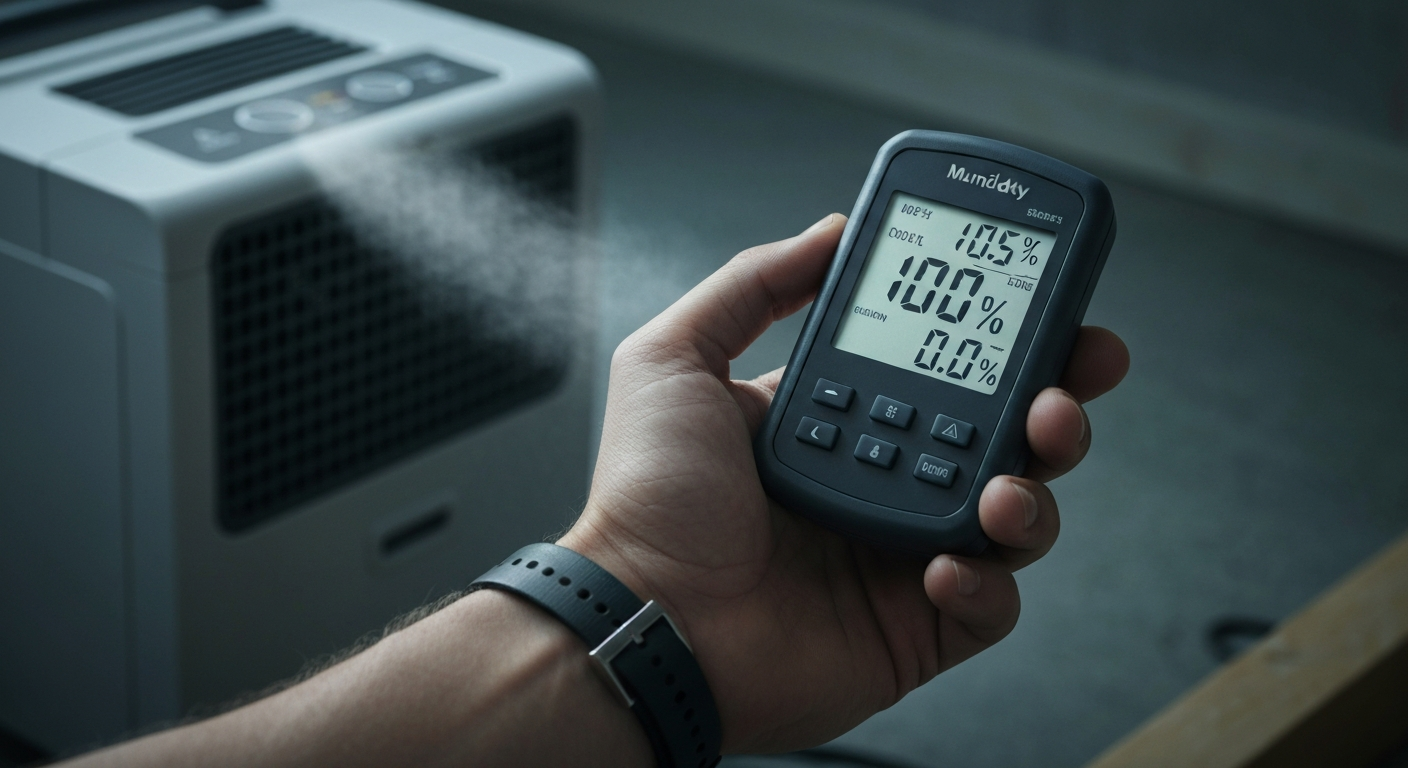
Why airflow matters
This factor is easy to overlook. A unit with high dehumidification capacity but low airflow has to cool the air more to remove moisture, which is inefficient. Higher airflow can get the job done with a smaller temperature difference and often uses less energy.
Test: These are the best construction dehumidifiers in 2026
Our comparison is based on technical analyses, practical requirements, and overall efficiency. Here you’ll find a selection of powerful models for different applications.
Our top-rated construction dehumidifiers compared:
| Model | Customer rating | Availability |
|---|---|---|
| CONSTRUCTION DEHUMIDIFIER GBT 50 | – | Currently unavailable |
| CONSTRUCTION DEHUMIDIFIER GBT 90 | – | Currently unavailable |
| Construction dehumidifier Secco Forte 450 | – | Currently unavailable |
| Construction dehumidifier Secco Forte 500 | – | Currently unavailable |
| Construction dehumidifier Secco Forte 900 | – | Currently unavailable |
Secco Forte 450: A compact choice for renovation projects
The
is ideal for smaller areas affected by water damage or for drying individual rooms after a renovation. Its compact design and reliable performance make it a versatile all-around choice. It’s easy to operate and runs relatively quietly.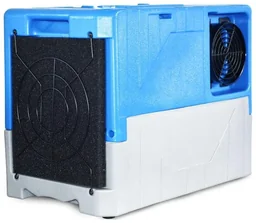
This model is an excellent choice for targeted drying after water damage in a bathroom or for drying a freshly plastered room. It also fits easily into tight spaces.
Secco Forte 500: A well-balanced all-around choice
The
offers an excellent balance of performance and portability. It builds on proven models and is ideal for medium-sized apartments, single-family homes after floor screed work, or as a go-to machine for contractors. Its extra capacity offers peace of mind when moisture levels are high.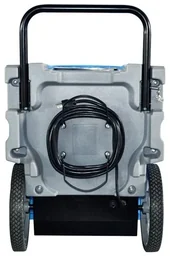
Secco Forte 900: A powerhouse for new construction
For large spaces or extremely high moisture levels, the
really shines. This high-performance model is designed for drying new construction, large commercial spaces, or areas with severe water damage. Its high airflow promotes rapid circulation, significantly shortening overall drying time.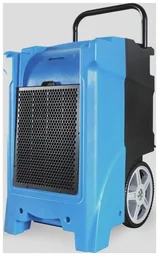
You can use several smaller machines or one large unit. A powerful construction dehumidifier like the Secco Forte 900 is often more efficient and easier to manage than two less powerful machines. Always plan for enough capacity on large projects.
How do you use a construction dehumidifier effectively?
Even the best construction dehumidifier won’t do much if it’s used incorrectly. Close all windows and doors in the area you’re drying. This creates a closed loop so the air can be dehumidified over and over.
Place the machine as close to the center of the room as possible. Keep it away from walls and very damp materials so air can circulate evenly. For continuous operation, always use the hose to drain condensate.
Check progress regularly with a moisture meter. This helps you tell when the desired moisture level has been reached so you can turn off the machine.
Proper placement is key
Many people place the dehumidifier right in front of the dampest wall. It’s better to let the air circulate freely. Make sure nothing blocks the air intake or outlet. Air needs to flow through the machine so the drying effect reaches the entire room.
Are there any useful alternatives?
For very small, localized moisture problems, tools such as infrared heaters or powerful fans may sometimes help. However, they only dry the surface, not the air or the building materials.
Renting equipment may be more cost-effective for a one-time project. If you’re a contractor or renovate frequently, investing in your own construction dehumidifier from our construction equipment category is worthwhile.
Which construction dehumidifier is right for you?
Choose based on your project’s specific needs. For drying a 20 m² room after a burst pipe, a compact machine like the Secco Forte 450 is ideal. If you’re a contractor who regularly works with fresh floor screed, choose the powerful Secco Forte 500.
Planning to dry an entire new construction or a large basement? The Secco Forte 900 is hard to beat. Choosing the right performance level saves time, energy, and frustration.
Whichever model you choose, a professional construction dehumidifier is essential for keeping building materials dry and in good condition. Use our buying guide to find the right machine for your needs.
Frequently asked questions
- When do I need a construction dehumidifier?
- You need a construction dehumidifier whenever building work leaves elevated residual moisture in materials such as screed, plaster or masonry. This is essential after laying wet screed, following water damage or in new builds to speed up drying and prevent structural damage and mould growth.
- What is the difference between a construction dehumidifier and a dehumidifier?
- Construction dehumidifiers are designed for extreme moisture loads and large volumes of air. They work efficiently at lower temperatures and are built to be more robust. Standard dehumidifiers for living spaces are designed for lower moisture levels and would quickly become overloaded on a construction site.
- How do I calculate the required capacity of a construction dehumidifier?
- Use the room volume and moisture load as a guide. A general rule of thumb is to allow one unit for approximately 100-150 m³ of room volume when drying new builds or after water damage. Very damp materials such as fresh screed require more powerful units or several devices.
- Can I operate a construction dehumidifier in winter?
- Yes, modern construction dehumidifiers, including the models tested, work effectively even at low temperatures. They warm the intake air to reduce its relative humidity before removing the water. Make sure the room remains frost-free so that the condensate does not freeze inside the unit.
- What should I bear in mind when operating one?
- Close windows and doors to ensure a closed air circulation system. Empty the condensate tank regularly or connect a hose for continuous drainage. Place the unit in a clear space on a stable, level surface and ensure an adequate power supply.