
In brief: Choosing the best cordless router depends on your main requirements. Compact 18V models are ideal for precise, lightweight work and maximum mobility. Demanding projects involving hardwood or frequent use benefit from the power of a 36V or 54V system. In addition to voltage, the no-load speed, router-bit collet and ergonomics are key factors. A powerful battery system with high capacity and short charging time is essential for uninterrupted work.
The world of tools is going cordless. This development is also advancing rapidly in routing. Where an inconvenient cable once restricted freedom of movement, modern cordless routers now offer impressive power and runtimes. Our 2026 review and comparison explains what matters when choosing a model and which options perform best for different applications.
Table of contents
What are the real benefits of cordless routers?
The most obvious advantage is complete freedom of movement. You can work on a construction site, in the garden or in hard-to-reach areas without an annoying cable getting in the way. This not only improves comfort but also safety, as there is no risk of tripping.
You also save time during setup. There is no need to find a socket or unroll an extension cable. Simply take the router out of its case and get started. Modern lithium-ion batteries also provide consistent power until they are discharged, so cutting performance remains steady throughout use.
Tip: If you already own other tools from a battery system, investing in a compatible router is doubly worthwhile. You can swap batteries and always have a spare available.
Buying guide: The key criteria at a glance
Before choosing a model, you should clearly define your own requirements. Ask yourself: How often will I use the router, and for which materials? What level of precision is needed? Have I already invested in a particular battery system?
Voltage and battery system
The nominal voltage (18V, 36V, 54V) provides an initial indication of the power class. However, the actual available power in watts is more important. High-voltage systems deliver more torque for demanding routing work in hardwood or for extended use.
Pay attention to battery capacity (in Ah). Higher capacity means longer runtimes, but also more weight. Charging speed is an often underestimated factor, especially for professionals.
Speed and power
A high no-load speed enables clean cuts, especially when using small router bits and softwoods. Electronic variable speed control is very practical for adjusting the speed to the material and router-bit diameter.
Power consumption in watts shows how powerful the motor is. High power is essential for routing grooves or working with large router bits.
Important: Maximum power is often achieved only with freshly charged high-performance batteries. Older or smaller batteries can cause a loss of power.
Handling and ergonomics
The weight of the router, particularly with the battery attached, plays a major role in fatigue during longer jobs. A secure grip and low-vibration guidance are essential for precise results.
Clear, precise depth adjustment is a must. A parallel guide fence and the option to connect a vacuum cleaner significantly improve convenience.
Accessories and compatibility
The router-bit collet is crucial. Common sizes are 6 mm, 8 mm and 1/4 inch. Professional models often offer a 12-mm or 1/2-inch collet for greater stability. Make sure you can find suitable cordless router accessories, such as the
12-piece router bit set with 3 cutting edges.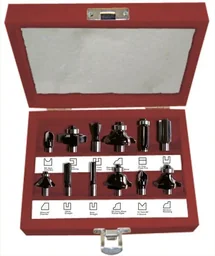
For specialist jobs such as biscuit joining, dedicated models like the
Biscuit joiner WFF760 are hard to beat. They offer side guidance and precise adjustment options for perfect biscuit joints.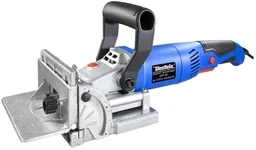
The best cordless routers compared directly
The comparison below provides an overview of current top models from different power classes. The table helps you compare technical data and features directly.
The highest-rated cordless routers in our range compared directly:
| Model | Customer rating | Availability |
|---|---|---|
| Biscuit joiner WFF760, 760 Watt 🏆 Test winner | ★ 4,9 (32) | In stock |
| 12-piece router bit set with 3 cutting edges, 42 mm shank length | ★ 4,8 (26) | In stock |
| 12-piece 12 mm TCT router bit set | – | Currently unavailable |
| 12-piece 12 mm TCT router bit set | – | Currently unavailable |
| 12-piece 8 mm TCT router bit set | – | Currently unavailable |
Which Router Is Right for Which Application?
For the occasional DIY user who rounds off an edge or cuts a groove from time to time, a compact 18V router with a medium-capacity battery is the best choice. It is lightweight, easy to handle and powerful enough.
Advanced DIY users or tradespeople who use the router regularly should opt for a 36V model. These routers offer an excellent balance of power, runtime and handling for most projects.
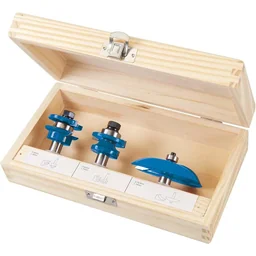
For professional use on construction sites, where heavy materials need to be worked on every day, 54V models or comparable high-performance systems are the first choice. Combine these with a robust router bit set such as the
or the for maximum results.
Note: Voltage alone isn't everything. Motor quality, gearbox efficiency and cooling are at least as important for sustained performance.
Care and Maintenance of Your Cordless Router
Thoroughly clean the router of dust and chips after every use. The moving parts of the depth adjustment and collet in particular must be kept clean. Do not use a compressed-air compressor, as it can blow dust into the bearings.
Never leave the batteries discharged in the tool after work. Store them in a dry place at a moderate temperature. Regularly check the collet for wear, as a worn collet can cause router bits to slip and lead to dangerous situations.
The Future of Cordless Routing Technology
Development in cordless routers is far from over. In the coming years, we expect further improvements in energy efficiency, making even longer runtimes possible with the same battery capacity. Charging times will continue to decrease.
Smart electronics that detect, for example, when nails are being cut and switch off immediately will improve tool safety. Integration with digital tool ecosystems, which can document work progress or display maintenance intervals, will increase. One thing is certain: in the field of handheld routers, the cable will increasingly become the exception.
Frequently Asked Questions
- Which jobs make switching to a cordless router worthwhile?
- A cordless router is worthwhile wherever mobility and flexibility matter: on construction sites without a power connection, during on-site installation work or in the workshop to avoid troublesome cables. It is ideal for jobs such as cutting grooves, trimming edges or fitting hinges directly on site. For stationary, hours-long routing work at a workbench, however, a corded model may still offer advantages.
- Which voltage (18V, 36V, 54V) is right for me?
- 18V routers are lightweight, easy to handle and perfect for precise finishing work and frequent, short-term use. 36V models offer an excellent power-to-weight ratio for more demanding work in hardwood or for longer jobs. The 54V class (or comparable high-voltage systems) is aimed at professionals who need maximum torque reserves and runtime for heavy materials. Make sure the voltage is compatible with your existing cordless tool system.
- How important is the no-load speed of a cordless router?
- No-load speed is crucial for clean results. High speeds (over 20.000 U/min) are ideal for clean cuts in softwood and for fine-cutting router bits. For harder materials or larger router bit diameters, slightly lower but powerful speeds are often better. Modern cordless routers frequently offer electronically variable speed control, allowing you to adjust the speed perfectly to the material and router bit.
- Can I also use a cordless router for grooving and dowelling?
- Yes, absolutely. For cutting grooves and especially for biscuit joints, you need a router with sufficient power and good depth guidance. Models in the 36V class or higher are recommended here. Special models are available for precise biscuit joint routing, offering lateral guidance and exact depth adjustment. For simple grooves, a powerful 18V router with a suitable guide rail is often sufficient.
- What should I look for when buying router bits for a cordless router?
- First and foremost, check the shank diameter (often 6 mm, 8 mm or 1/4 inch, and on professional models also 12 mm or 1/2 inch) to ensure it fits your router's collet. The quality of the cutting edges determines the cut quality and service life. A cordless router bit set with the most common profiles is a good starting point. For hard or abrasive materials, router bits with tungsten carbide-tipped (TCT) cutting edges are the best choice.