
In brief: Our 2026 cordless tool comparison shows that the right system depends on voltage, battery technology and compatibility. 10.8-volt tools are ideal for light household tasks, while demanding projects call for 18-volt systems with powerful batteries. Look for a versatile battery platform you can expand as your needs change. Here are our top picks.
Cordless tools have transformed the way we work. Today’s battery-powered tools can rival corded models, with the added freedom to work almost anywhere. Whether you’re putting up shelves, building a garden shed or working on a professional job site, choosing the right cordless tool system can make a real difference to your efficiency and results.
Our 2026 cordless tool test and comparison helps you make sense of the options. We compare complete battery platforms as well as individual tools, focusing on performance, ease of use and long-term expandability. That makes it easier to find a system that suits your needs.
Contents
Voltage and performance: How to choose the right system
A cordless tool’s rated voltage, measured in volts (V), is a useful first indicator of its performance and the jobs it can handle.
10.8-volt systems: Lightweight and easy to handle
Tools rated at 10.8 V (often marketed as 12V-Max) are among the lightest cordless tools available. Their compact size and low weight make them a good choice for:
- Precision assembly work, such as furniture making or electrical installations.
- Extended overhead work, where every gram counts.
- Occasional jobs around the home or in a hobby workshop.
A compact cordless drill/driver is a typical example, suited to driving screws up to around M6. These tools have limited power, so they may not be up to drilling into concrete or hardwood.
18-volt systems: The all-rounders
18-volt systems are the standard choice for demanding DIY projects and professional use. They strike a good balance between power, runtime and handling, and can tackle most everyday jobs:
- Drilling and driving screws in wood, metal and masonry.
- More demanding sanding and cutting jobs.
- Garden tasks using tools such as hedge trimmers and leaf blowers.
Many manufacturers offer a full range of tools on the same voltage platform. This lets you power a drill, jigsaw, angle grinder and more with batteries from one system.
Check compatibility carefully: An "18 V" battery will not necessarily fit every 18-volt tool. Battery connectors vary by manufacturer, so make sure the battery and tool belong to the same system.
Battery technology and runtime: More than just a number
Modern cordless tools almost exclusively use lithium-ion (Li-Ion) batteries, which have replaced older nickel-cadmium and nickel-metal hydride batteries. Their advantages include:
- No memory effect: Recharge the battery whenever you need to, without reducing its capacity.
- Low self-discharge: A charged battery can retain its charge for months.
- High energy density: Plenty of power in a compact battery.
Runtime depends on battery capacity, measured in ampere-hours (Ah). Under the same conditions, a 2.0 Ah battery will run for less time than a 4.0 Ah battery. Smaller batteries are often lighter and suitable for occasional jobs. If you work for longer stretches, a high-capacity battery is a worthwhile investment.
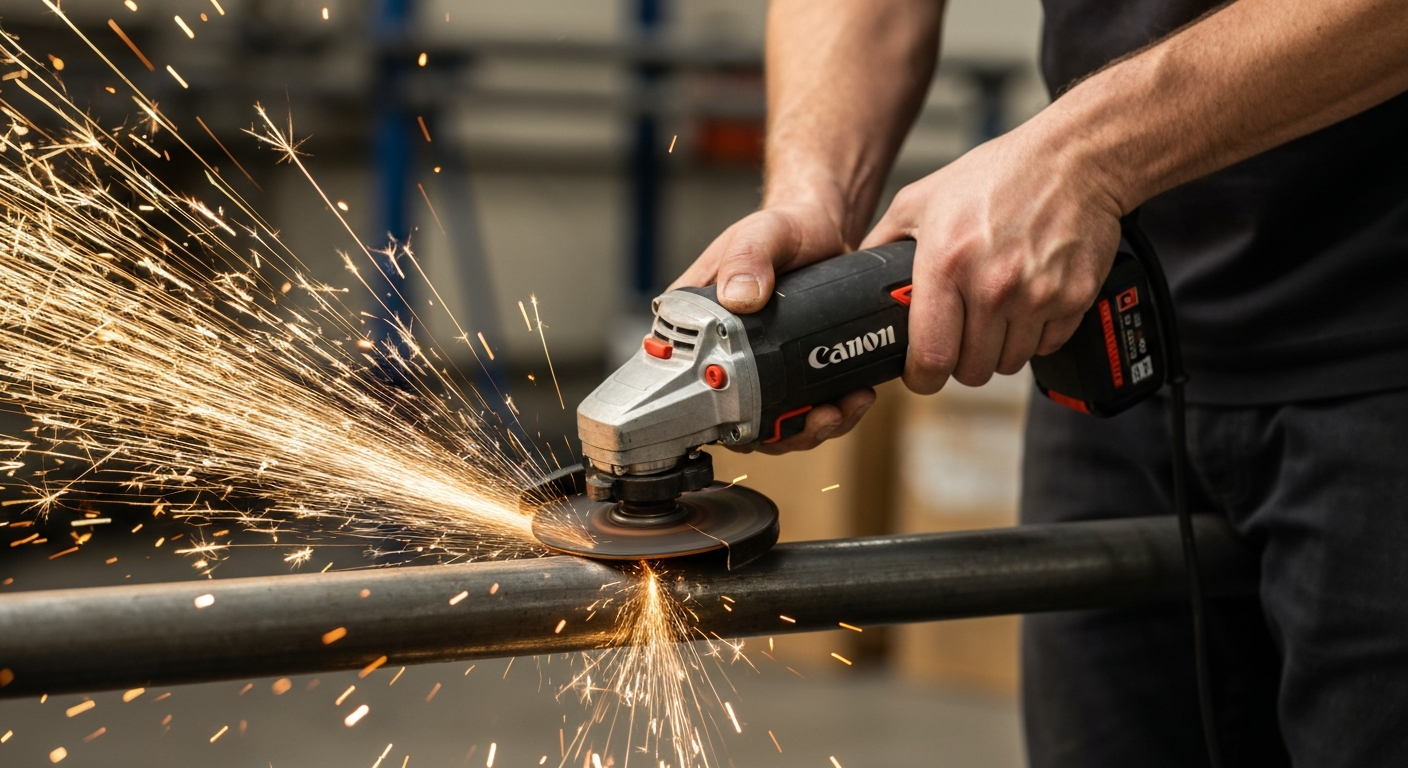
The best systems compared side by side
In our hands-on comparison, we tested several cordless tool systems under real-world conditions. We evaluated handling, performance across different materials, runtime, and the overall tool and battery management package.
Power for demanding jobs
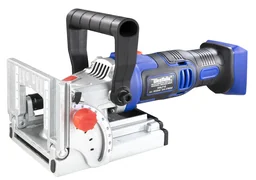
For heavy-duty work, such as routing dovetails or cutting through thick lumber, you need a powerful tool with a robust battery. That’s where the , an 18 V cordless dovetail router, really shines. The tool-only version is a perfect addition if you already use the 18-volt system. It puts the battery’s full power to work efficiently.
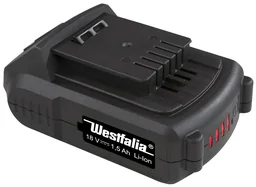
A high-quality battery is essential for tools like these. The , an 18 Volt Li-Ion battery with 1,5 Ah, is a solid starting point. It’s lightweight and offers a good power-to-weight ratio. For longer jobs, though, we recommend batteries with higher capacity.
Beginner tip: Start with a kit. You get a complete set of components that work perfectly together. You can often add more tools later for less by buying tool-only versions without a battery or charger.
Tool kits with added benefits
Complete kits are ideal if you want to get started with a powerful cordless tool system right away. The , the “EasyFlex” kit with a 2,5 Ah battery and charger, provides a well-balanced setup for medium-duty jobs. Its capacity is enough for most DIY projects.
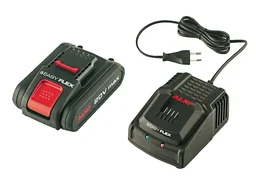
If you need more capacity for long workdays or power-hungry tools such as saws, the , the “EnergyFlex” kit with a 4,0 Ah battery is an excellent choice. Its high capacity means fewer charging interruptions and delivers consistent performance, even under continuous load.
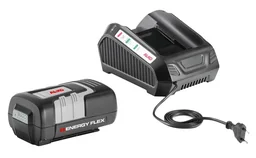
Here are the highest-rated cordless tools in our lineup, compared side by side:
| Model | Customer rating | Availability |
|---|---|---|
| 18 V cordless dovetail router (tool only) 🏆 Test winner | ★ 4,9 (24) | In stock |
| 18 Volt Li-Ion battery 1,5 Ah | ★ 4,8 (20) | In stock |
| "EasyFlex" value pack - 2,5 Ah battery and charger | – | Currently unavailable |
| "EnergyFlex" value pack - 4,0 Ah battery and charger | – | Currently unavailable |
| "Quick" quick-release nut for angle grinders | – | Currently unavailable |
Buying guide at a glance
Make your buying decision systematically. Ask yourself these three questions:
- What will I use the tools for most? Light assembly work = 10,8V. General use, remodeling, and gardening = 18V.
- How often and how long will I work? Occasional use = smaller battery (1,5-2,5 Ah). Regular, extended use = larger battery (4,0 Ah or more).
- Do I want to expand my system later? If so, choose an established brand with a wide selection of tools that use the same battery system.
Invest in quality. A good cordless tool can serve you for many years. Cheap deals often disappoint when it comes to performance, runtime, and especially battery life.
Important: Check that replacement batteries and spare parts are available. A no-name system that’s cheap today may be useless in three years if you can’t find a compatible battery. Established brands offer greater peace of mind over the long term.
Accessories and expanding your system
The true value of a cordless tool system becomes clear when you consider how easily you can expand it. The right core system opens up a world of possibilities. Along with standard drills and drivers, you’ll find a wide range of specialty tools:
- Cordless vacuums for quick cleanup around your workspace.
- Cordless work lights for clear visibility.
- Garden tools such as hedge trimmers and string trimmers.
The key benefit: You can use the same batteries and chargers with all your tools. This saves money and cuts down on clutter in your workshop. Plan ahead from the start. Think in terms of a system, not just a single tool.
Maintaining your cordless tools and extending their service life
With the right care, your batteries can last for many years. Keep these points in mind:
- Storage: Store batteries at room temperature (approx. 15-20°C). Extreme cold or heat, such as in a car during summer or winter, can damage the cells.
- Charging: Use the original charger. Modern chargers communicate with the battery, optimize the charging process, and help prevent overheating.
- Cleaning: Keep the contacts on the battery and tool clean. Use only a dry, soft cloth.
If a battery’s performance drops noticeably, replace it. Don’t keep using damaged or swollen batteries. They pose a safety risk.
What to expect in 2026: Trends and developments
Cordless tool technology is advancing rapidly. Clear trends are emerging for 2026:
- Even faster charging times: Technologies such as supercharging will become more widespread to minimize downtime.
- Smart batteries: More sensors in the battery will report not only the charge level, but also the health of the cells, while automatically optimizing power delivery for each connected device.
- Increased durability: Improved protective circuits and more robust housings will make the devices less sensitive to dust, splashes, and impacts.
Choosing a modern, established cordless tool system is also an investment in the future. You benefit from today's performance and are well equipped for tomorrow's additions.
Choose quality, think in systems, and select the voltage and battery capacity to suit your projects. That way, working with the right cordless tool is not only more enjoyable, but also more efficient and professional.
Frequently asked questions
- Which battery voltage is right for me?
- The right voltage depends on your projects. 10.8-volt systems are lightweight and ideal for small screwdriving jobs or drilling into soft materials. For general-purpose use, such as building, remodeling or gardening, 18-volt systems are the first choice. They provide the power needed for more demanding tasks such as wall chasing or sanding.
- What does the Ah (amp-hour) rating mean on a battery?
- The amp-hour (Ah) rating indicates the battery's capacity. In theory, a battery with 2.0 Ah supplies 2 amps of current for one hour. In practice, a higher Ah rating means longer tool runtime between charges. Smaller batteries are practical for short, frequent jobs. High-capacity batteries are better suited to long periods of continuous work.
- Can I interchange batteries from different manufacturers?
- No, batteries and chargers are generally specific to each manufacturer. Every brand has its own connector system and voltage logic. It is therefore best to choose one system and stick with it. The advantage is that, within a system range, batteries and chargers are usually compatible with all the tools, giving you long-term flexibility and saving money.
- How should I store and care for lithium-ion batteries?
- Store batteries at room temperature, in a dry place and protected from direct sunlight. Avoid deep discharge. If a tool will not be used for an extended period, remove the battery. Modern chargers feature a maintenance charge. It is best to charge the battery at room temperature. Extreme cold or heat during charging can damage the cell chemistry and shorten the battery's service life.
- Is it worth buying a kit with a battery and charger?
- Yes, kits are particularly worthwhile when you are starting out with a cordless tool system. You get a complete starter kit consisting of the tool, battery and charger, all perfectly matched. This is generally cheaper than buying the components separately. Later, you can often buy cheaper "tool only" models, meaning the tool without a battery or charger.