
In brief: The right electric fence charger depends on your power supply, fence length and the animals you keep. Compact 9V battery-powered chargers are often enough for small horse paddocks, while large cattle pastures need a powerful 12V battery or 230V mains-powered charger. Modern models with smart features offer extra control. Our test helps you find the right charger for your needs.
A reliable electric fence is essential for keeping animals safely contained. At the heart of every electric fence is the charger, which sends out the high-voltage pulses that discourage animals from crossing the boundary. Choosing the right model can be challenging, so our 2026 test and comparison covers the key models and technologies to help you decide.
Table of contents
What makes a good electric fence charger?
A quality electric fence charger is robust and weatherproof. Theft protection is a useful extra. Look for a clear, easy-to-read display that shows whether the charger is working and indicates the battery level.
The performance specifications should match your setup. Check the maximum fence length, pulse energy in joules and compatibility with your fencing material, such as tape, rope or wire. A charger that's too weak won't keep your fence secure, while an overly powerful model costs more than you need to spend.
Tip: Allow for a power reserve. For example, if your fence is 5 km long, choose a charger rated for 6-7 km. This helps offset power losses caused by vegetation or damp conditions.
Choosing a power source
The power source largely determines where you can use the charger and how much maintenance it needs. There are three main options.
Battery-powered chargers (9V batteries)
These compact chargers are ideal for mobile setups, small paddocks or as a backup. They're easy to install and can be used almost anywhere. The downsides are the ongoing cost of replacement batteries and limited power. They're a good fit for temporary fencing or small horse pastures with short fence runs.
Rechargeable battery chargers (12V)
12V battery chargers are versatile all-rounders for agriculture. A rechargeable battery delivers plenty of power and can last through an entire season. These chargers work independently of mains power, but are heavier than battery-powered models. Battery capacity, measured in ampere-hours (Ah), gives you an indication of runtime.
Mains-powered chargers (230V)
For permanent fences near a barn, a 230V mains-powered charger is often the best choice. It provides consistent power without the need to recharge. Installation requires a fixed power line and a protected housing. Mains-powered chargers are reliable, but less flexible than portable models.
Warning: Install a mains-powered charger in a dry place where animals can't reach it. Use a GFCI and check the cable regularly for damage to help prevent electric shocks and short circuits.
Understanding power and range
Manufacturers' fence-length ratings are based on ideal conditions. In practice, several factors can reduce the effective range.
Pulse energy (joules): This indicates the strength of the electric shock. For sheep and goats, 0.5-1 J is often enough. For horses and cattle, 2-5 J is recommended. Long fences with vegetation or wildlife protection may require a charger rated above 5 J.
Fence length: Look for the rating "under difficult conditions". It's more realistic than the maximum figure. A powerful electric fence charger can still deliver a reliable shock when wet grass touches the fence.
Modern features put to the test
Newer models offer extra features that make everyday use easier.
- Smart features: Chargers such as the can be monitored through an app, with fault alerts sent straight to your smartphone.
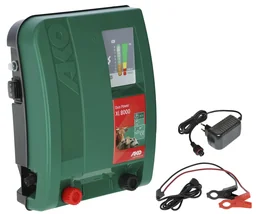
- Dual-circuit technology: Systems such as the generate two independent pulses. This improves reliability and can help with difficult grounding conditions.
- Battery and fault indicators: A clear display can warn you early about a low battery or a short circuit in the fence.
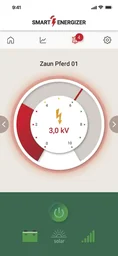
Note: Smart features are useful, but they need a stable mobile network connection at the site. Check reception beforehand. Simple audible or visual alerts on the charger are a reliable alternative that doesn't depend on connectivity.
Safe installation and regular maintenance
Correct installation is essential for your charger to work properly. Mount it securely and protect it from the weather. Place the ground rod in moist soil. If the soil is dry, pour water around the ground rod.
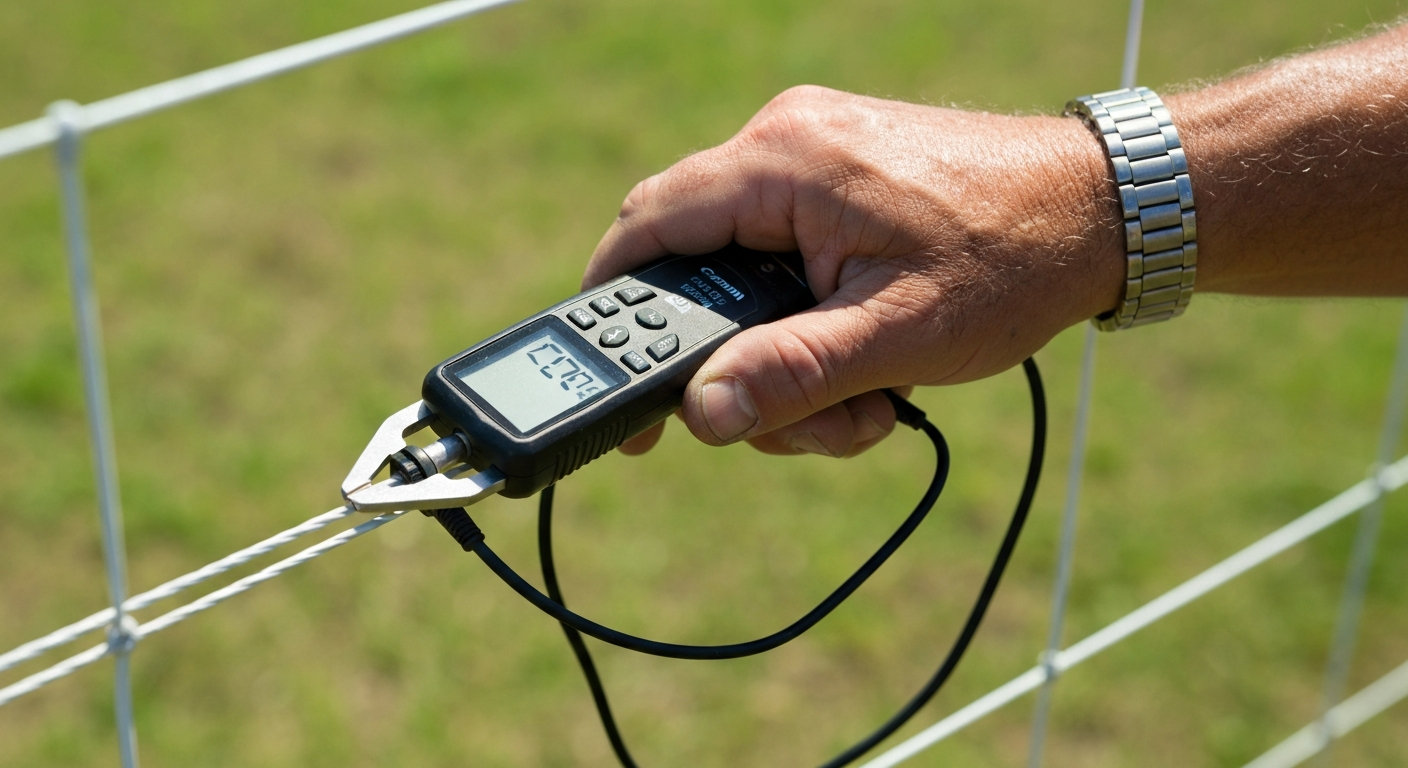
Regular maintenance includes checking the battery or rechargeable battery level and clearing dust from the housing vents. Check the fence line with a fence tester rather than touching it. These steps help keep your animals safe over time.
Electric Fence Chargers Tested: A Comparison
Our test highlighted models for different applications. The
impressed us as a powerful, versatile battery-powered unit with very good runtime. For the largest areas and demanding conditions, a model with dual-circuit technology is a top choice.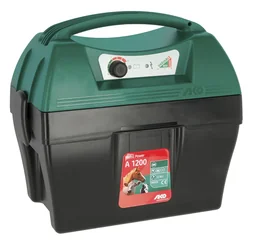
Our highest-rated electric fence chargers at a glance:
| Model | Customer rating | Availability |
|---|---|---|
| AKO Compact Power B 40 2 x 1,5 V battery-powered unit | – | Currently unavailable |
| AKO Compact Power B180 electric fence energizer, 9V | – | Currently unavailable |
| AKO Compact Power B260 multi electric fence energizer, 9V | – | Currently unavailable |
| AKO Compact Power N 700 230 V mains-powered unit | – | Currently unavailable |
| AKO Duo Power X6000 smart electric fence energizer | – | Currently unavailable |
Buying Guide by Animal and Application
The right charger depends largely on the animals you need to contain.
For horses
Horses have a high pain tolerance and a thick coat. A pulse of at least 2 Joule is needed to create a deterrent effect. Medium-range battery-powered units are a good choice because they’re flexible to use and provide enough power.
For cattle
Cattle pastures are often large, so powerful 12V battery-powered or 230V mains-powered units are needed. The pulse energy should be at least 3 Joule, especially for suckler herds. A robust housing is important.
For sheep and goats
Smaller animals are more sensitive. Compact battery-powered or small rechargeable units are often sufficient. A regular, consistent pulse is important, as the animals may try to "avoid the electric shock" by moving quickly.
In the end, there’s no one-size-fits-all electric fence charger—just the right one for your pasture, animals, and the way you work. Choose quality, allow for enough power reserve, and maintain the system regularly. That’s how you can keep your pasture secure.
Frequently Asked Questions
- Which electric fence charger is best for horses?
- For horses, a charger with a pulse energy of at least 2 Joule is recommended because they have a thicker coat. A pulse that’s too weak may not be felt reliably. Make sure the range is sufficient for your paddock.
- How long does a battery last in an electric fence charger?
- Runtime depends largely on the charger model and the load on the fence. Simple 9V block batteries can last several months with light use. Powerful devices with large 12V batteries can last a whole season before they need recharging.
- Can I use an electric fence charger in a wooded area?
- Yes, but keep in mind that vegetation can touch the fence and drain power. Choose a more powerful charger with higher pulse energy to compensate for this loss. Regularly clearing vegetation along the fence line is essential.
- What does the Joule rating mean on an electric fence charger?
- Joule (J) measures pulse energy. It indicates how much energy is delivered in each electric shock. A higher Joule rating means a stronger, more penetrating pulse, which is important for animals with thick coats or long, overgrown fences.
- Do I need to ground an electric fence charger?
- Yes, proper grounding is essential. The circuit is completed through the ground and the animal. Inadequate grounding significantly weakens the pulse. Use at least one 1 metre-long earth rod and install it in moist soil.