
In brief: A first aid kit is essential in an emergency. In our 2026 test and comparison, we explain what to look for: a current DIN standard, complete contents, intended use and build quality. The right choice depends on whether you need a kit for your car, home or sports activities. Our comparison will help you find the right one.
A first aid kit is more than a box of bandages. In an emergency, its quality and contents can determine how quickly and effectively help is available. Our 2026 test and comparison takes a close look at first aid kits. We explain what matters when choosing one and compare different models for cars, home and leisure.
Table of contents
What DIN standards and types of first aid kits are available?
Not all first aid kits are the same. Laws and standards specify the contents for certain uses. The best-known standard is DIN 13164 for motor vehicles. It specifies exactly which supplies must be included and in what quantities. Passenger cars are required to carry a first aid kit that meets this standard.
DIN 13157 applies to businesses and workplaces. These kits usually contain more supplies because they are designed for larger groups of people. There is no mandatory standard for private homes or sports. You can choose freely, though many people use the standards above as a guide.
Car first aid kit (DIN 13164)
A car first aid kit is essential in every vehicle. When buying one, look for the correct standard designation, "DIN 13164", and check the date of issue. One example is the
. Check that all supplies are individually wrapped and sterile.
First aid bags and kits for home and sports
For home, travel or sports, a practical bag is often a better choice. It's easier to carry and can be stocked to suit your needs. The first aid bag for "Sports and leisure"
is a good place to start. These kits should be durable and water-resistant.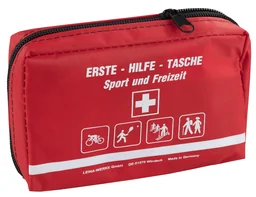
Important: A car first aid kit is no longer valid if it no longer meets the current standard or its supplies have expired. Check it regularly. A kit that does not meet the standard may be flagged during an inspection.
How do we test and compare first aid kits?
Our comparison is based on objective criteria. We assess both the contents and how practical the kit is to use. A good first aid kit should be easy to use in an emergency.
Complete contents and compliance with standards
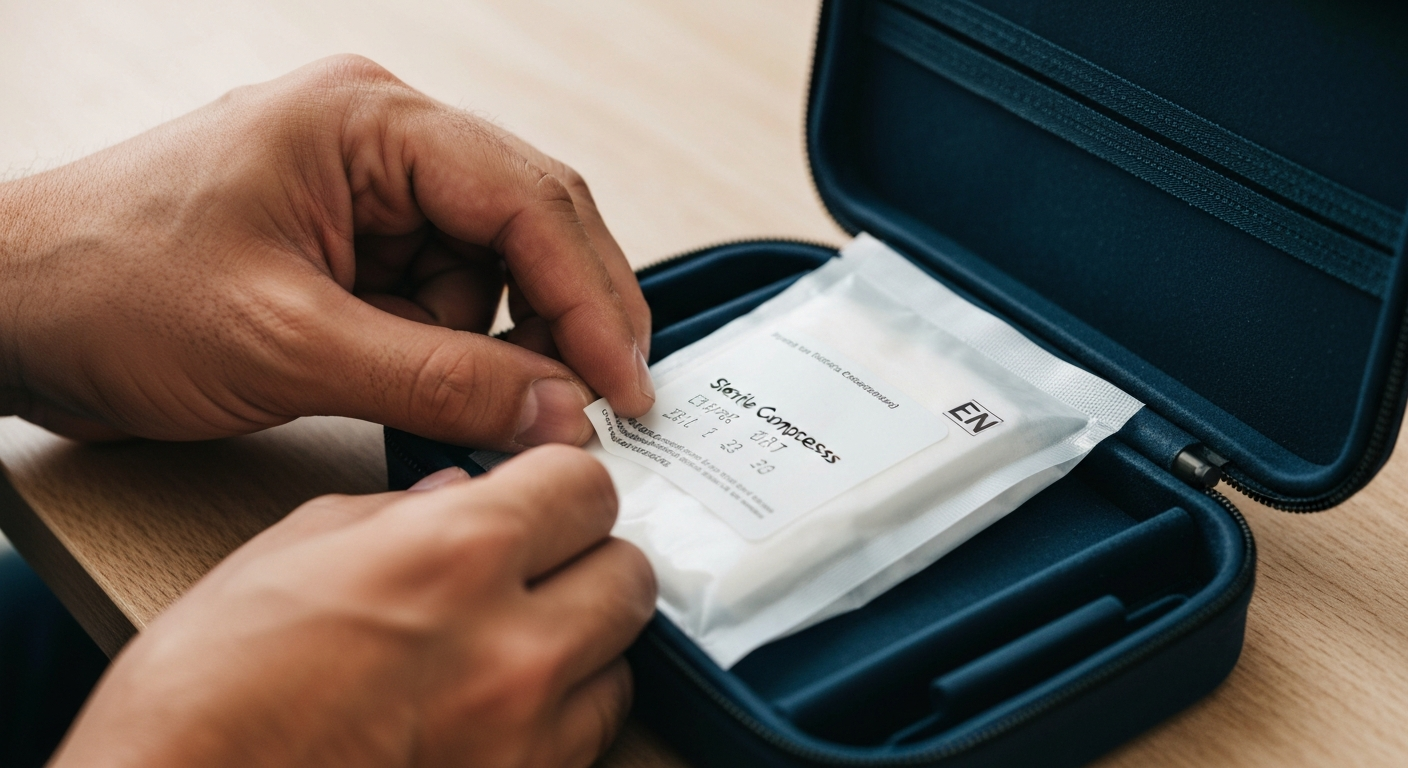
First, we check whether the listed contents match the relevant standard or the manufacturer's specifications. Every compress, dressing and pair of scissors should be included. We check the quantities and make sure each item is sterile.
Build quality and durability
The case or bag should be durable. We assess the quality of the material, hinges and fasteners. A first aid kit may be dropped or stored in a car through hot and cold weather. It needs to withstand these conditions.
Ease of use and organization
Every second counts in an emergency. That's why we assess how quickly and easily you can find the supplies you need. Clear labels, compartments or a transparent lid compartment are major advantages. A disorganized kit wastes valuable time.
Tip: Take time to practice using your first aid kit. Get familiar with its contents and fasteners. This can help you feel more confident and act faster in an emergency.
The best first aid kits compared
Here you'll find an overview of selected first aid kits and sets we've compared for you. The table helps you see the key features and uses at a glance.
Our highest-rated first aid kits compared:
| Model | Customer rating | Availability |
|---|---|---|
| "PRIMUS" disposable emergency breathing aid 🏆 Top pick | ★ 4,8 (4) | In stock |
| Car first aid kit DIN 13164-2014 | – | Currently unavailable |
| Red car first aid bag according to DIN 13164 | – | Currently unavailable |
| Excellent Care medicine cabinet - bathroom furniture - stainless steel - glass | – | Currently unavailable |
| Excellent Care medicine cabinet - bathroom furniture 25x12x45 CM | – | Currently unavailable |
Buying guide: What should you look for?
Choosing the right first aid kit depends on how you plan to use it. Ask yourself these questions before you buy.
Where will you use the first aid kit most?
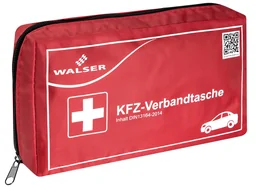
- For the car: Choose a kit that meets the current DIN 13164 standard, such as the .
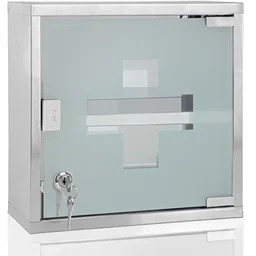
- For the home: A kit that meets DIN 13157 or a well-stocked home first aid kit is ideal. A small first aid cabinet with a key, such as the also keeps supplies neatly organised.
- For sports and outdoor activities: Choose a lightweight, durable bag that is easy to carry.
How good is the quality of the contents?
Look beyond the standard. Are the gauze bandages absorbent? Are the adhesive bandages gentle on skin? The quality of each component affects how well it works. Cheap materials can tear quickly or fail to stick properly.
Note: A high-quality first aid kit is a worthwhile investment at home, too. In an emergency, you need to be able to rely on your supplies.
How to use, store and maintain your first aid kit
A first aid kit is only useful if you store and maintain it properly. Keep it away from heat and direct sunlight. In summer, a car trunk can reach extreme temperatures, which may shorten the lifespan of the contents.
Check your kit regularly
Set a date each year to check the contents. Make sure everything is there and check the expiration dates. Replace used or expired items right away. Many manufacturers offer refill kits.
Tailor your kit to your needs
Consider adding extra supplies. If someone in your family has allergies, keep their medication near the kit. Families with young children may find children's bandages useful.
Optional extras and useful additions
Modern first aid kits often include more than the basics. Resuscitation aids can be especially useful. The single-use emergency resuscitation aid "PRIMUS"
enables hygienic mouth-to-mouth resuscitation and helps protect the person giving aid.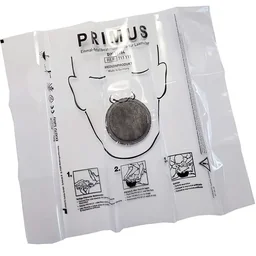
For tidy storage in the bathroom or hallway, a medicine cabinet is a practical choice. It protects supplies from dust and children. A cabinet like the keeps everything close at hand and organised.
Conclusion: Safety comes first
The best first aid kit is one that fits your lifestyle and is ready when you need it. Drivers need a kit that meets the required standard. At home, prioritise quality and an organised layout. For outings, a compact bag is a good choice.
Choose quality supplies and check your kit regularly. A first aid kit is an investment in the safety of your family, colleagues and yourself. Choose carefully and be prepared.
Frequently asked questions
- What first aid kit is required in a car?
- In Germany, cars must carry a first aid kit that meets DIN 13164. It must comply with the current version of the standard. Check the expiration dates of the contents regularly. An expired or incomplete kit may be flagged during a traffic inspection and may not provide the supplies needed in an emergency.
- How often should I check my first aid kit?
- Check your first aid kit at least once a year to make sure it is complete. Pay particular attention to the expiration dates of sterile, single-use items such as compresses and dressing packs. Replace used or expired supplies right away. It’s a good idea to write the next check date on the kit.
- What is the difference between DIN 13164 and DIN 13157?
- DIN 13164 sets out the requirements for car first aid kits. DIN 13157 applies to workplace first aid kits. Both standards specify the exact contents and quantities. Private homes and sports activities are not legally required to have a kit, but kits meeting these standards provide a good basic set of supplies.
- Can I put together my own first aid kit?
- Yes, you can put together your own kit. Use a DIN standard as a guide to make sure it contains a useful range of basic supplies. Choose high-quality items in sterile packaging. For a car kit required by law, however, a certified ready-made kit is recommended.
- What should a good first aid kit contain besides dressings?
- A well-stocked first aid kit should contain disposable gloves, a survival blanket, scissors, tweezers and a first aid booklet, as well as dressings. For activities such as sports, cold packs or a resuscitation aid may also be useful. The single-use emergency resuscitation aid PRODUCT_84860 is one example of an extra you could add.