
In brief: The best greenhouses for 2026 feature robust materials such as aluminium and polycarbonate, effective ventilation systems and sizes that suit your garden. The key decision is between permanent, heated greenhouses for year-round use and mobile propagation or overwintering solutions. Comparing construction methods and features will help you find the ideal model for your plants.
Would you like to extend your growing season, protect delicate plants or cultivate exotic species? A greenhouse makes it possible. But the choice is vast, from compact propagation greenhouses to heated aluminium conservatories. Our 2026 test and comparison will help you keep track of the options. We introduce the most important models and construction types and provide specific buying recommendations.
Table of contents
Materials and construction compared
The choice of material usually concerns the frame and glazing. Both components determine durability, insulation and maintenance requirements.
Frame: aluminium, steel or wood?
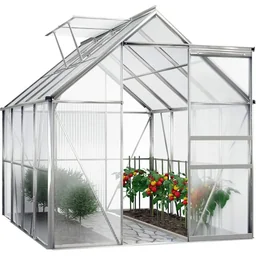
Aluminium is the undisputed favourite for private gardens. It does not rust, is lightweight and yet sturdy. High-quality profiles are thermally insulated to reduce condensation. An example in this category is the .
Steel, often hot-dip galvanised, is extremely sturdy and suitable for large greenhouses. It is cheaper than aluminium, but can rust where the coating is not perfect.
Wood (e.g. pine or Douglas fir) provides an excellent climate and good insulation. However, it requires regular maintenance and is more susceptible to the effects of the weather.
Glazing: glass, polycarbonate or film?
Real glass is classic, lets in plenty of light and is long-lasting. It does not scratch, but can break in hail or through vandalism. Toughened glass is heavier and more expensive.
Polycarbonate twin-wall sheets are the modern standard. They are shatterproof, lightweight and provide very good insulation through their air chambers. Light transmission is slightly lower than with glass.
Film is the most affordable option. It is suitable for seasonal propagation or temporary gardening projects. Its lifespan is limited and it provides little insulation.
Beware of cheap models: Very lightweight aluminium profiles or thin, yellowish polycarbonate can deform in storms or become brittle quickly. Invest in quality for a long service life.
Finding the right size
A common mistake is choosing a greenhouse that is too small. Remember that you need space not only for plants, but also for tools, walkways and possibly a place to sit.
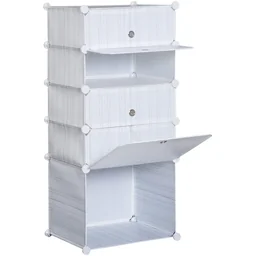
Allow at least half a metre of working space along the beds. The height should be chosen so that you can work comfortably in the centre. An adjustable storage greenhouse such as the offers particular flexibility thanks to its adjustable height.
Also consider whether you want to use the greenhouse all year round. Overwintering potted plants requires less floor space than growing vegetables throughout the year.
Features and comfort
The basic features make the difference between simple protection and a functional workspace.
Ventilation is essential
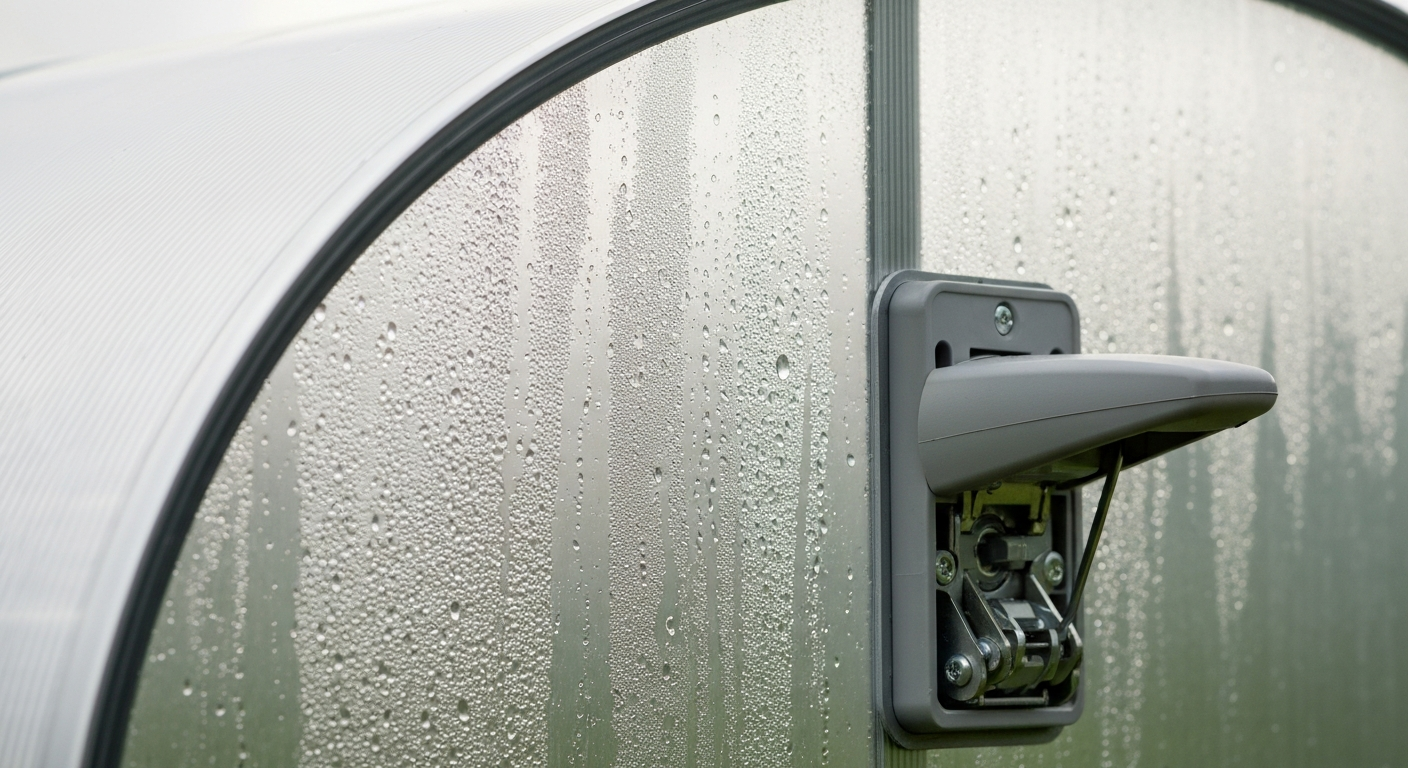
Without air circulation, your greenhouse becomes a sauna in summer. Ideally, your model should combine side and roof ventilation. Automatic window openers that open by themselves when the temperature rises are an extremely worthwhile investment. They prevent heat damage, even when you are not at home.
Doors and floors
A double door makes it easier to enter with a wheelbarrow. The floor should either be made from a solid material such as concrete slabs or covered with weed control fabric and a layer of bark mulch.
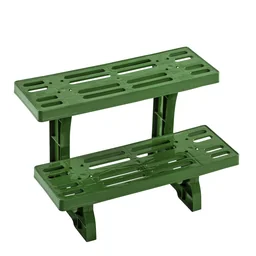
Practical tip: Incorporate shelves or a sturdy potting bench from the outset. They greatly increase the usable space and help organise your pots and gardening materials. A multi-tier potting bench, such as a model like the , makes optimum use of the light.
Here you can see how a well-equipped greenhouse with shelving and ventilation can be used to best effect:
Bestsellers Compared
Our 2026 comparison presents a selection of popular models with different strengths. The following table helps you compare them directly.
The highest-rated greenhouses in our range compared directly:
| Model | Customer rating | Availability |
|---|---|---|
| 2-in-1 Propagation and Overwintering Tent Arctic 100 | – | Currently unavailable |
| 2-in-1 Greenhouse and Raised Bed - Polycarbonate Housing - Grey - 120 x 54 x 112/122 cm | – | Currently unavailable |
| 2-Tier Plant Bench | – | Currently unavailable |
| Adjustable Storage Greenhouse, White and Grey | – | Currently unavailable |
| Aluminium Roof Window Calypso, Without Glass, Emerald | – | Currently unavailable |
Availability note: The products listed are reference models for specific types of greenhouse. Please check the greenhouse range for currently available products and their exact specifications.
For propagation and overwintering: the 2-in-1 tent
If you do not have a permanent space or only want seasonal protection, flexible tents are ideal. The (Arctic 100) is an example of a practical tent that can be used both for early propagation and for overwintering potted plants in frost-free conditions. It can be assembled and dismantled quickly.

The all-rounder: the sturdy aluminium greenhouse
For permanent installation and year-round use, a solid aluminium greenhouse is the best choice. The with two roof windows offers plenty of space, good ventilation and a durable construction. It is the ideal foundation for ambitious home gardeners.
Assembly and location
Choosing the right location is crucial for growing success. Choose a spot that is as sunny and sheltered from the wind as possible. The long side should run from east to west to ensure maximum sunlight throughout the day.
Assembling a permanent greenhouse takes time and some practical skill. Plan for a solid foundation, for example using concrete point foundations or a strip foundation. This provides stability and prevents weeds or frost from getting underneath.
Preparation is everything
Read the instructions in full before starting assembly. Organise all the parts and tools you need. With larger greenhouses, a second person is essential.
Buying advice and conclusion
Your personal pre-purchase checklist should include the following points: 1. Intended use (propagation, overwintering, year-round growing?), 2. Available space and required size, 3. Budget for the greenhouse and any accessories such as heating or shading, 4. Time required for assembly and maintenance.
To sum up: for permanent, year-round use, sturdy aluminium greenhouses with polycarbonate glazing are the first choice. They combine durability, good insulation and low maintenance requirements. For seasonal tasks such as propagation or overwintering, more affordable and flexible solutions such as tents or polytunnels are ideal.
Choose the model that suits not only your plants but also your garden routine. With the right choice, you can extend the growing season and enjoy gardening even more in the long term.
Frequently Asked Questions
- Which material is the most durable for a greenhouse?
- Aluminium frames are the most durable choice because they are rustproof, strong and weather-resistant. For glazing, twin-wall polycarbonate sheets are a good alternative to glass: they are shatterproof, provide good insulation and are lighter. Basic plastic sheeting is less durable.
- Do I need planning permission for a greenhouse?
- This depends on the size, location and local regulations. Small, mobile greenhouses usually do not require permission. Planning permission may be required for large, permanently installed models. Be sure to check with your local council before buying.
- How important is ventilation in a greenhouse?
- It is very important. Without sufficient ventilation, heat and moisture build up, which can lead to fungal growth and heat damage. A good system combines at least one roof vent with side windows or fans. Automatic window openers are a practical investment.
- Can I use a greenhouse in winter?
- Yes, with heating. For overwintering frost-sensitive plants, a frost-free environment is often sufficient. To grow vegetables in winter, you need constant heating and good insulation, for example from twin-wall panels. The costs involved are not insignificant.
- What is the difference between a greenhouse and a polytunnel?
- A greenhouse has a permanent frame made from wood, aluminium or steel and durable coverings such as glass or polycarbonate. It is more durable and provides better insulation. A polytunnel has a lightweight frame, often made from steel hoops, and a PE cover. It is cheaper and mobile, but less stable and has a shorter lifespan.