
Quick summary: A good kitchen cleaner reliably removes grease and dirt, is as versatile as possible, and is gentle on surfaces and your health. In our test, specialist degreasers, mild all-purpose cleaners and eco-friendly options perform particularly well. The right choice depends largely on your typical messes and the materials to be cleaned.
A clean kitchen is the heart of a hygienic household. But which cleaner can effortlessly remove grease splashes, dried-on sauces and limescale residue without damaging surfaces? Our kitchen cleaner test and comparison 2026 takes a close look at the best products. We show you what matters when choosing a cleaner and which products are the right choice for different tasks.
Table of contents
Test criteria: What we look for
A good test assesses more than just the first impression. We evaluate cleaners according to set, practical criteria. Cleaning power naturally comes first. How quickly does the product dissolve grease? Does it also remove baked-on residue? We test on various surfaces such as stainless steel, ceramic, plastic and painted wood.
Material compatibility is equally important. An aggressive cleaner must not leave marks. We check whether surfaces become dull or colours change. Scent is subjective but a decisive criterion. An overly chemical or overpowering fragrance can affect the entire kitchen. We look for pleasant or neutral scents.
Ease of use rounds out the picture. Is the spray bottle practical? Can the concentrate be dosed easily? Environmental compatibility also contributes to our assessment. This includes biodegradable ingredients, vegan formulations and avoiding microplastics.
The different types of cleaner at a glance
Not every cleaner is designed for every task. Choosing one starts with distinguishing between the different types. Specialist kitchen cleaners and degreasers are designed for stubborn dirt. They often contain grease-dissolving alcohols or surfactants and are suitable for hobs, ovens and extractor hoods.
Mild all-purpose cleaners are the all-rounders. They clean worktops, cupboards, the refrigerator and floors. Their strengths are versatility and good material compatibility. For special materials, there are specialist cleaners. These include products for glass-ceramic surfaces, stainless-steel cleaners and descalers for taps.
One special category is concentrates. They are diluted with water, making them very economical and environmentally friendly. Dosing requires a little more care. In the cleaning products section, you will find a wide selection of all types.
Tip: Keep two cleaners on hand: a mild all-purpose cleaner for daily care and a powerful degreaser for weekly deep cleaning. This protects surfaces while effectively tackling dirt.
The best kitchen cleaners compared
Our comparison highlights the strengths and ideal uses of the products tested. This selection helps you find the right cleaner for your needs.
The highest-rated kitchen cleaners in our range compared directly:
| Model | Customer rating | Availability |
|---|---|---|
| Kalk und Schmutz Profi, 650 ml 🏆 Test winner | ★ 4,9 (28) | In stock |
| 13 in 1 Multi-Function Dishwasher Tablets, 60 tablets | ★ 4,9 (15) | In stock |
| Bauernlob Elaston Street Broom 60cm - Heavy-Duty Street Cleaning | – | Currently unavailable |
| Bottle Cleaner, vegan, 500ml | – | Currently unavailable |
| CeraGlanz Glass-Ceramic/Hob Cleaner, 2-Pack - 2 in 1 | – | Currently unavailable |
The Kalk und Schmutz Profi particularly impressed us (
). It combines powerful grease-cutting performance with good compatibility across many surfaces. Its neutral scent is another plus when using it in the kitchen.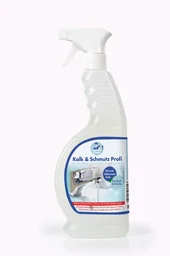
For cleaning the dishwasher, specialist products are essential. The 13 in 1 Multi-Function Dishwasher Tablets (
) not only clean the dishes, but also care for the appliance itself. They prevent limescale build-up and ensure hygienic dishwashing results.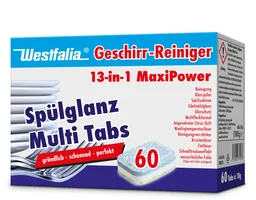
Glass-ceramic hobs require special care. The CeraGlanz Glass-Ceramic/Hob Cleaner, 2-Pack - 2 in 1 (
) reliably removes baked-on residue without scratching the sensitive surface. It leaves a protective film that makes the next cleaning easier.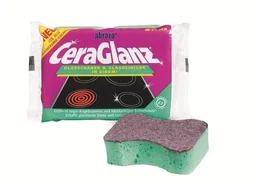
Other notable products
Alongside the highlighted products, the range includes other interesting options. Environmentally conscious users appreciate vegan formulas without animal-derived ingredients. Bottle cleaners with special brush attachments also reach narrow necks.
For general household cleaning, many of the cleaners presented here can also be used, especially the mild all-purpose varieties. The boundaries are fluid here.
Tips for proper use
The best formula is of little use if it is not applied correctly. Always work from top to bottom. First clean light dirt from wall cabinets, then the worktop and finally the floor. This prevents dirt running down and soiling surfaces you have already cleaned.
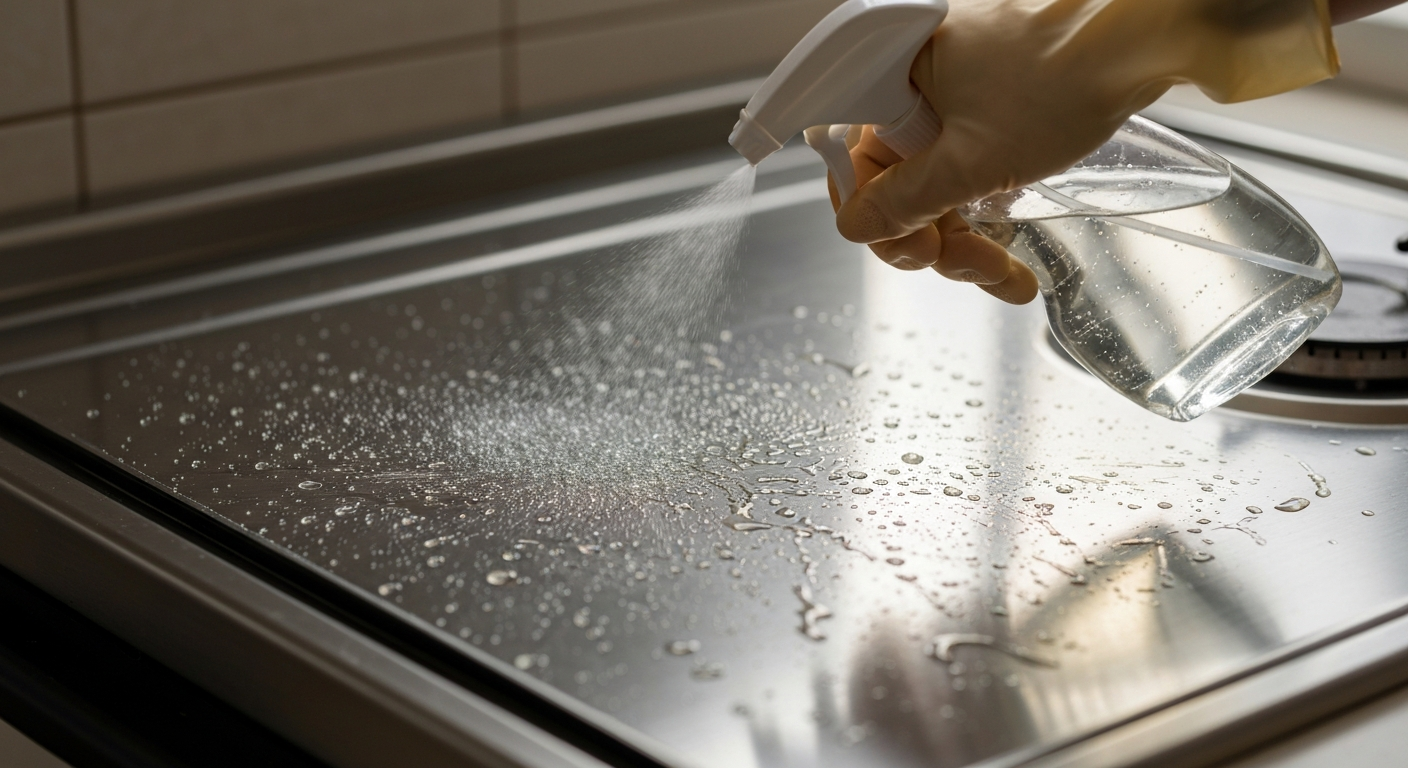
Allow the cleaner to work for a short time. The contact time is particularly important for grease and dried-on stains. Spray the surface, do another task and then wipe it clean. Use separate microfibre cloths for different areas. One cloth for the hob, one for worktops and one for the floor helps prevent the spread of grease and bacteria.
Important: Never mix different cleaning products, especially chlorine-based products with acidic cleaners such as limescale removers. This can produce harmful gases. Always use each product separately.
Consider the environment and your health
Your choice of cleaner affects your health and the environment. Look for products with trusted environmental labels such as the Blue Angel or the EU Ecolabel. These identify cleaners with a low environmental impact.
Avoid products with unnecessary fragrances, especially if anyone in your household is prone to allergies. A neutral-smelling cleaner is often perfectly adequate. Using concentrates significantly reduces plastic waste and transport energy. One large container can replace many individual bottles.
Always follow the hazard warnings on the packaging. Wear gloves when using aggressive cleaners and ensure good ventilation. Keep all cleaning products out of the reach of children.
Buying guide: How to find the right cleaner
Before buying, ask yourself three simple questions. Which surfaces do I mainly clean? Special cleaners make sense for ceramic glass and stainless steel, while mild all-purpose products are sufficient for painted furniture and plastics. How heavy are the typical stains? If you do a lot of frying and deep-frying, a powerful degreaser is worth considering.
What are my priorities regarding health and the environment? If these factors matter to you, specifically filter for vegan, biodegradable or concentrated products. The selection in the kitchen cleaners category is large enough to find a suitable product for every preference.
Note: Terms such as "powerful" or "Power" are not protected designations. Always read the ingredients and intended uses on the back of the packaging. An expensive cleaner is not automatically the best choice for your individual needs.
Concentrate or ready-to-use cleaner?
This decision depends on how you use the product. Concentrates are the clear choice for environmentally conscious users who want to save space and reduce costs in the long term. However, you need a spray bottle for dilution.
Ready-to-use mixtures in a spray bottle are more convenient for spontaneous use and require no measuring. However, they create more packaging waste and are often more expensive in the long run. Consider what best suits your cleaning routine.
Care for appliances and surfaces properly
In addition to daily cleaning, proper care extends the life of your kitchen equipment. For stainless steel sinks and fronts, use mild cleaners and always wipe dry in the direction of the grain. This helps prevent unsightly streaks.
Clean the extractor hood regularly, ideally every two to four weeks. The grease filters can often be cleaned in the dishwasher. For ovens with a pyrolytic cleaning function, a specialist cleaner is usually unnecessary – the self-cleaning cycle does the job at high heat.
Worktops made from wood or wood-based materials require special care. Avoid using too much moisture and aggressive cleaners. Wipe up spills immediately and use specialist wood care products when needed. With the right choice and use of kitchen cleaner, you can keep your kitchen not only clean but also attractive and fully functional for a long time.
Frequently Asked Questions
- Which kitchen cleaner removes grease best?
- Specialist degreasers or cleaners with a high alkaline content are suitable for stubborn grease. They emulsify grease particularly effectively. However, avoid aggressive products on sensitive surfaces and choose milder cleaners that can be left to work for longer instead.
- Are vegan or eco-friendly kitchen cleaners just as effective?
- Modern vegan and eco-friendly cleaners deliver comparable cleaning power to conventional products in many areas. They are an excellent choice, especially for light to moderate dirt. For extremely stubborn grime, however, a specialist heavy-duty product may sometimes be necessary.
- Can I use an all-purpose cleaner in the kitchen?
- Yes, many mild all-purpose cleaners are suitable for surfaces such as tiles, worktops or the fridge. For greasy areas around the hob, ovens or heavily encrusted surfaces, specialist kitchen or degreasing cleaners are usually more effective thanks to their stronger dissolving formula.
- How do I clean sensitive surfaces such as ceramic glass or stainless steel?
- Use specialist cleaners such as PRODUCT_95978 for ceramic glass hobs, as they do not cause scratches. For stainless steel, use mild, non-abrasive cleaners and polish with a microfibre cloth in the direction of the grain to prevent streaks and marks.
- What should I bear in mind when dosing kitchen cleaners?
- Always follow the manufacturer's dosage recommendation. Using too much usually does not improve the cleaning effect, but it does put a greater strain on the environment and can damage surfaces. With concentrates, correct dilution also helps you save money and reduce packaging waste.