
In brief: The best replacement for an old incandescent bulb depends on how you plan to use it. In our 2026 test and comparison, we show how modern LED bulbs combine energy efficiency, quality light and a long lifespan. The key factors are brightness in lumens, color temperature in Kelvin and the right base. Filament LEDs create a warm atmosphere, reflector bulbs provide focused light, and grow lights help care for houseplants.
There are no major technical breakthroughs in light bulbs in 2026, but there is a wide range of proven, specialized LEDs for every need. The era of the standard incandescent bulb is over. Today, instead of asking "How many watts?", you can ask "What kind of light do I need?" Our comprehensive test and comparison covers the most important criteria and helps you find the right light bulb for your lamps and rooms.
Which types of light bulbs are included in the test?
LED bulbs dominate the lighting market. They are energy-efficient, long-lasting and available in countless shapes. The main types for home use are standard bulbs in classic or candle shapes, filament LEDs with visible "filaments," reflector bulbs such as PAR or R80 for directional light, and specialized grow lights.
Each type has its strengths. Standard LEDs are versatile options for ceiling and table lamps. Filament LEDs add a nostalgic touch. Reflector bulbs create accents and illuminate pictures or display cabinets. Specialized lights such as the
provide targeted support for plant growth.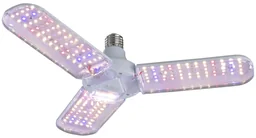
The standard: E27 and E14 LED bulbs
E27 (large) and E14 (small) bases are by far the most common, so they offer the widest selection. Check the bulb's overall dimensions, especially if you have an enclosed lampshade. A product such as the
also fits in narrow lamps thanks to its compact teardrop shape.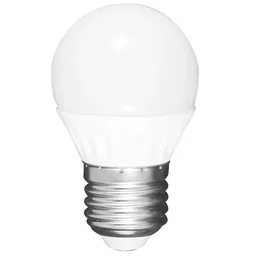
Special features: reflector and filament bulbs
Reflector bulbs direct light into a focused beam, making them ideal for accent lighting. Filament bulbs such as the
emit light almost evenly in every direction, making them a great choice for open pendant or chandelier fixtures.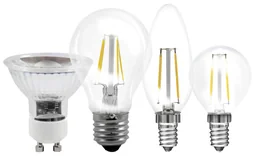
Tip: Combine different types of light bulbs in one room. For example, use the soft, general light from filament LEDs to illuminate the room, then add focused accents to pictures or decorations with narrow-beam reflector bulbs.
What makes a good light bulb?
A light bulb's quality depends on several technical specifications that are worth comparing. The most important are luminous flux in lumens (lm), color temperature in Kelvin (K) and color rendering (CRI or Ra).
Understanding brightness: lumens are the new watts
Don't use wattage to judge brightness. Lumens are what matter. An old 60-Watt incandescent bulb produced around 700 lumens. Look for an LED with a similar lumen rating to get comparable brightness. The higher the lumen rating, the brighter the bulb.
Light color and atmosphere: the Kelvin scale
Color temperature determines whether light looks warm or cool. Lower values around 2700K (warm white) create a cozy atmosphere. Values around 4000K (neutral white) feel practical and support concentration. Above 5000K (daylight white), the light is bright and energizing, similar to midday sunlight.
Light quality: the CRI index
The Color Rendering Index (CRI) indicates how naturally colors look under a bulb. A CRI of 80 is good; 90+ is very good and close to natural sunlight. A high CRI is especially important in work areas or in front of a mirror.
Warning: Cheap light bulbs often cut corners on the electronics in the base. This can cause flickering, early failure or even interference with your home's electrical system. Choose a trusted brand instead. The higher upfront cost can pay off through a longer lifespan and more reliable performance.
Which light bulbs are suitable for which purposes?
The right light bulb depends on where you plan to use it. A home office has different needs from a living room, and a display cabinet needs different lighting from a hanging plant.
Living room and bedroom: create a cozy atmosphere
Warm white bulbs from 2700K to 3000K are a great choice for these rooms. Dimmable filament LEDs or standard LEDs in a large bulb shape offer flexible lighting and create an inviting, relaxing atmosphere.
Workspace and kitchen: support concentration
For focused work or cooking, choose neutral white bulbs (3300K-5000K) with high brightness (at least 800 lumens) and a CRI >90. They help reduce eye strain and render colors accurately.
Plant lighting: the right light for greenery
Standard light bulbs don't cover the full spectrum plants need for photosynthesis. Specialized grow lights such as the emit light in the blue and red wavelength ranges. This promotes healthy growth, even in dark locations.

The right lighting can make the difference between a plant that merely survives and one that thrives. Specialized LEDs are essential for this.
How do I find the right light bulb for my lamp?
Before buying a new light bulb, check three essential things on your existing light fixture: the base, the maximum wattage and the available space.
Step 1: Identify the base
The most common base is E27. Small candle bulbs often use E14. Unscrew the old bulb and check the socket. Make a note of the designation.
Step 2: Check the available space
Not every light bulb fits every lamp. The dimensions (length and diameter) are particularly important for lamps with a closed or narrow shade. Measure the available space with the lamp switched off.
Step 3: Check dimmability and special features
Would you like to adjust the brightness with a dimmer? Then you need light bulbs explicitly marked as "dimmable." Also note that not all dimmable LEDs are compatible with every type of dimmer.
Note: The "max. 60W" specification on your lamp refers to the heat generated by incandescent bulbs. You can safely use an LED with a higher lumen output but lower wattage, such as a 12W LED that is brighter than a 60W incandescent bulb.
Light bulbs compared: 2026
To help you choose, we’ve compared a selection of light bulbs. The table below puts the key features side by side so you can quickly see how they differ.
Our top-rated light bulbs compared:
| Model | Customer rating | Availability |
|---|---|---|
| 36W Plant Grow Light LED Bulb E27 🏆 Test winner | ★ 5,0 (21) | In stock |
| 11W E27 WW R80 1055 LM LED Reflector | – | Currently unavailable |
| 2x Anouk XL Pendant Lamp with Grid 93680/70 Concrete 48cm incl. 2x Warm Bulbs | – | Currently unavailable |
| 2x Industrial Pendant Light Anouk 93678/70 Concrete 40cm incl. 2x Warm Bulbs | – | Currently unavailable |
| 3 Watt LED Bulb - E27, Teardrop Shape, Warm White, 245lm, 2700K, 45 x 74 mm | – | Currently unavailable |
This overview is a helpful starting point. Be sure to consider your needs for brightness, light color, and intended use.
Our final buying advice
Choosing the right light bulb comes down to the technology and your personal preferences. Start with the basics: the base type, lumen output, and available space. Then consider the effect you want: should the light feel cozy, functional, or energizing?
Choose a quality brand from a specialty retailer. You’ll benefit from better color rendering, a longer lifespan, and guaranteed switching cycles. A good light bulb can serve you well for many years.
Consider the environment: LEDs use less electricity thanks to their high efficiency, which also helps reduce CO2 emissions. Take old light bulbs to your local recycling center for proper disposal. This helps keep materials in the recycling loop.
With this information, you’re sure to find the right light bulb for your needs in our wide range of technology and lighting products. Good lighting makes all the difference.
Frequently Asked Questions
- When buying a light bulb, which matters more: watts or lumens?
- Lumens are the key measure. Watts indicate power consumption, while lumens measure how much light a bulb produces. Compare lumen ratings to find the brightness you want. Modern LEDs produce plenty of light using just a few watts.
- Which color temperature is right for each room?
- Warm white (2700K-3000K) creates a cozy atmosphere and is ideal for living rooms and bedrooms. Neutral white (3300K-5000K) provides functional light that helps you concentrate, making it a good choice for kitchens and home offices. Daylight white (from 5000K) is very bright and cool, making it well suited to workshops and garages.
- Can I use LED bulbs in older lamps?
- Yes, in most cases. Make sure the base matches, for example E27 or E14. If you want to use a dimmer, check that the LED bulb is dimmable. In enclosed fixtures, make sure the bulb does not get too hot.
- How long do high-quality LED bulbs last?
- High-quality LEDs can easily last 15.000 to 25.000 operating hours. With average use, that can mean a lifespan of 15 years or more. The service life rating (L70) indicates how many hours it takes for the light output to drop to 70% of its initial level.
- What are the benefits of filament LED bulbs?
- Filament LED bulbs mimic the look of classic filaments and provide especially warm, all-around light. They’re ideal for open fixtures and pendant lights where the bulb is visible and you want a decorative look without sacrificing LED efficiency.