
In brief: The best lathe for you depends on your projects and budget. Compact benchtop lathes are suitable for precise, detailed work. For larger workpieces, you need a machine with more power and greater diameter capacity. Our 2026 comparison assesses key criteria such as motor power, spindle speed and features. This helps you find the right model for your workshop.
Looking for a new lathe for your workshop? The market offers many models with different strengths. Our 2026 test and comparison provides clarity. We analyse the most important buying criteria and show you what to look for. This helps you make a confident decision for your next project.
What types of lathes are available?
Lathes differ in their design and intended use. Choosing the right type is the first important decision.
Benchtop lathes for DIY and craft work
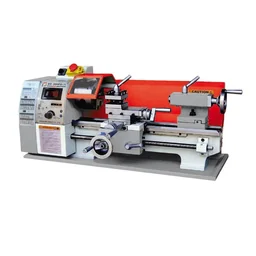
These compact models are the most popular choice for DIY enthusiasts and small workshops. They run on 230 Volt household power. Benchtop lathes such as the
or are ideal for wood, plastic and soft metals. They take up little space and often come well equipped.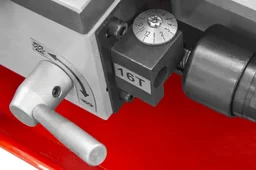
Floor-standing lathes for professional requirements
Floor-standing lathes are larger, heavier and more powerful. They can handle larger workpiece diameters and lengths. Their sturdy construction reduces vibrations, resulting in a better surface finish. These machines are the first choice for demanding turning work and small production runs.
CNC lathes for maximum precision
CNC machines control the machining process using a computer programme. They offer the highest repeatability and are ideal for complex metal parts. Getting started requires a greater investment and training. For the traditional craftsman, a manual machine is usually the better choice.
Tip: Start with a robust benchtop lathe. It covers most hobby projects. You can upgrade to a larger model later. The basic skills are the same.
What makes a good lathe?
Not all lathes are the same. Pay attention to these technical features. They determine operating comfort and the range of possible applications.
Power and speed
Motor power indicates how effectively the machine works, even with large workpieces. Variable speed control is essential. It allows you to select the optimum speed for each material. High speeds are suitable for small diameters and fine surfaces. You need low speeds for large diameters and metal.
Stability and vibration damping
A stable cast-iron bed absorbs vibrations. This is the basis for precise, clean results. Lightweight machines tend to vibrate. This affects the surface finish and tool life. Check the weight and build quality.
Clamping options
The machine must hold your workpiece securely. The most common systems are collets and chucks. A 4-jaw lathe chuck such as the
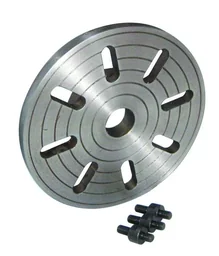
also securely clamps square workpieces. A faceplate, such as the , is ideal for mounting large or irregularly shaped workpieces.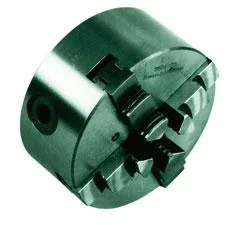
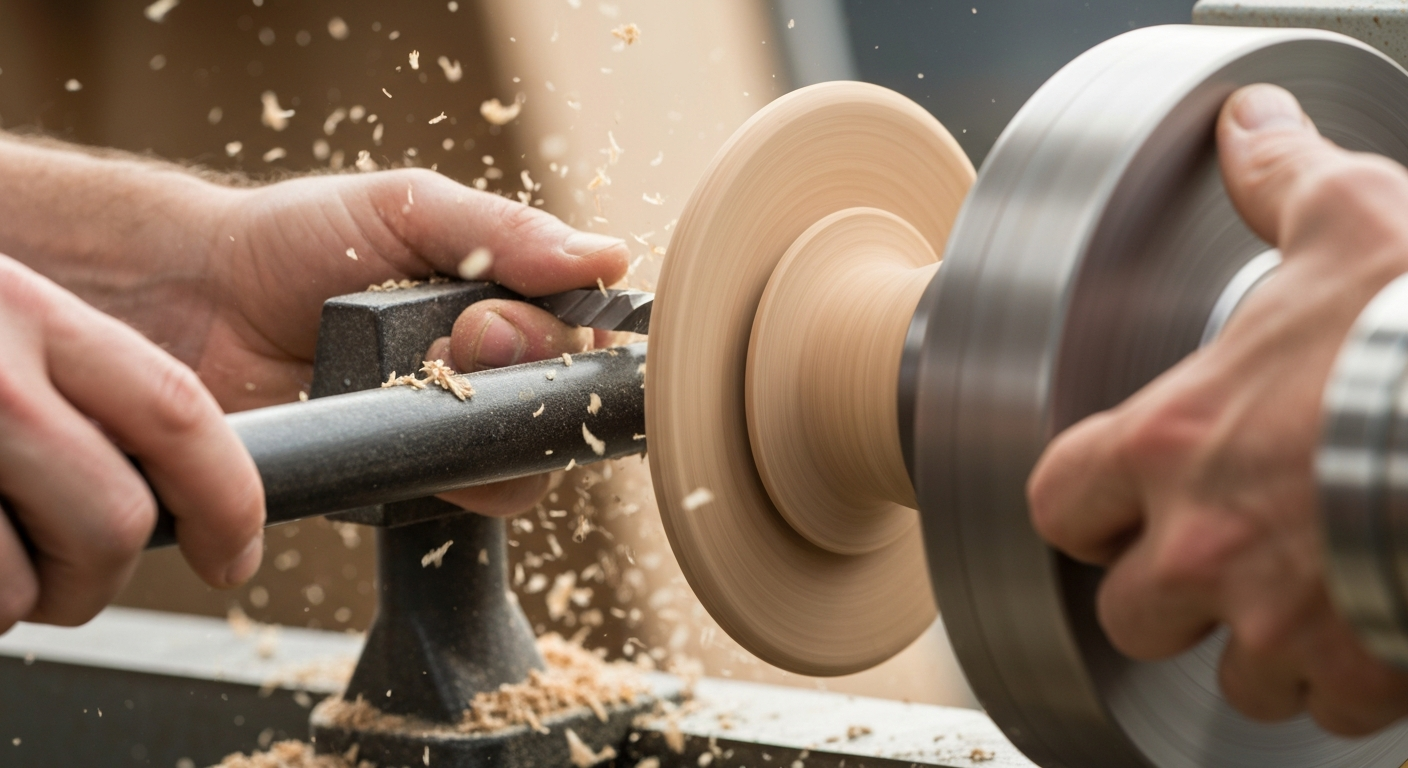
Lathes in practical use
How do current models perform in practical applications? Our comparison can help you.
The highest-rated lathes in our range compared directly:
| Model | Customer rating | Availability |
|---|---|---|
| Benchtop lathe ED300ECO 230 Volt | – | Currently unavailable |
| Benchtop lathe ED300FD 230V | – | Currently unavailable |
| Collet chuck system | – | Currently unavailable |
| 6-piece collet set | – | Currently unavailable |
| MK2 collet set - 8-piece | – | Currently unavailable |
Important: The availability of the models listed may vary. Check current delivery times and technical specifications before buying. Also compare alternative models in the lathes category.
Accessories: Expand your workshop
The right accessories make your lathe more versatile and your work safer. These sets are a great starting point.
Collet sets: A set with different sizes, such as the
is essential. It lets you clamp drill chucks, round bars and other round workpieces quickly and precisely. Make sure it is compatible with your machine's chuck.
Lathe cutting tools: Invest in a basic set made from high-quality high-speed steel or carbide. Roughing, finishing and profiling tools cover most jobs. Blunt tools are dangerous and produce poor results.
Protection and dust extraction: Safety goggles are essential. A face shield offers even more protection. A dust extraction system keeps dust and swarf away. This protects your health and gives you a clear view of the workpiece.
How to find the right lathe
Answer these questions before you buy. They will guide you towards the ideal model.
What do you mainly want to turn?
Will you mainly be working with wood? Then high speeds and effective dust extraction are important. Are you planning to work with metal? Then you need a machine with high torque at low speeds and a very stable bed. The maximum workpiece size is a limiting factor.
How much space is available?
Measure the intended location carefully. Do not forget to allow space for the workpiece overhang and freedom of movement. A benchtop lathe requires a solid, low-vibration worktop. A floor-standing lathe stands securely on the floor.
What is your budget?
Set your priorities. A solid basic machine with some accessories is better than a top-of-the-range model without tools. Plan your budget for power tools and accessories together. Quality pays for itself through a long service life.
Note: Investing in a lathe is worthwhile. It opens up creative possibilities and can even be used commercially. Choose a model that matches your current skills while leaving room to grow.
Safety when turning
Turning is enjoyable, but only with the necessary care. Follow these basic rules.
Wear protective clothing: Close-fitting workwear without loose cords or straps is essential. Remove rings and bracelets. Long hair must be tied back.
Never forget eye protection: Always wear safety goggles or a face shield. Flying swarf or a breaking workpiece can cause serious injuries.
Securely clamp the workpiece: Before starting, check that the workpiece is firmly clamped and adequately supported. A poorly secured workpiece can come loose and become a dangerous projectile.
Use tools correctly: Always keep lathe cutting tools on the tool rest. Make controlled cuts without sudden movements. Never work with worn or blunt tools.
Care and maintenance
A well-maintained lathe can last a lifetime. Make these steps part of your routine.
Clean after every use: Remove swarf and dust with a brush. A lightly oiled cloth protects bare metal parts from rust. Do not use aggressive cleaning products.
Lubricate moving parts: Consult the manufacturer's instructions. Regularly lubricate all specified points with the recommended grease or oil. This often includes the spindle and slideways.
Check the belt and electrics: Check the drive belt for correct tension and signs of wear. Regularly inspect the power cable for damage. If you notice anything unusual, consult a qualified professional immediately.
Keep tools sharp: Sharpen your lathe cutting tools regularly. Sharp tools require less force, work more precisely and are much safer than blunt ones.
With this information, you are well prepared. Compare the models in our test. Choose the lathe that suits your projects and workshop. Then nothing will stand in the way of creative work.
Frequently Asked Questions
- Which lathe is suitable for beginners?
- For beginners, compact benchtop lathes with a 230-Volt connection are ideal. They offer sufficient power for wood and plastic projects, are easy to use and require little space. Look for a sturdy design and good value for money.
- What is the difference between collets and chucks?
- Collets are suitable for round workpieces and drill chucks. They provide good concentricity and can be changed quickly. Chucks, especially four-jaw chucks, can also securely clamp square or irregularly shaped workpieces with high clamping force. The right choice depends on the workpiece.
- How important is speed control?
- Electronically variable speed control is very important. It allows you to set the optimum speed for each material and tool diameter. This helps you work more cleanly and prevents damage to the workpiece or tool.
- Can I work with metal on a benchtop lathe?
- Yes, but only to a limited extent. Light metalworking with materials such as aluminium or brass is possible with robust benchtop models. For steel, you need a machine with a very stable bed, high power and low speeds with plenty of torque. Check the manufacturer's specifications carefully.
- Which accessories are essential to get started?
- The essentials are a basic set of lathe cutting tools, a collet system or chuck and safety goggles. A dust extractor improves convenience. Expand your tool collection as needed with specialist tools and holders.