
In brief: A good milk separator reliably and efficiently separates cream from skimmed milk. In our test, models with a high separation speed, robust construction and easy cleaning stand out. The right choice depends largely on the amount of milk processed each day. Compact countertop models are suitable for smaller quantities, while powerful freestanding models with higher capacity are the better choice for farms. Pay attention to material quality and the availability of spare parts.
Table of contents
- How does a milk separator work?
- Key buying criteria at a glance
Our top-rated milk separators compared directly:
Model Customer rating Availability Fritz Göbel calf milk warmer, adjustable thermostat 230V/2300W – Currently unavailable Milk separator "Milky" FJ130RR – Currently unavailable Milk separator "Milky" FJ90PP – Currently unavailable Milk separator FJ350EAR – Currently unavailable - Tested models in detail
- Practical use and tips
- Cleaning and maintenance
- Making the right buying decision
Processing your own milk is becoming increasingly important again for farmers, self-sufficient households and hobby cheesemakers. A milk separator is at the heart of this process. It separates cream from skimmed milk quickly and efficiently. Our 2026 test and comparison shows which models deliver in terms of performance, ease of use and durability.
How does a milk separator work?
The principle is physically simple, but technically demanding to implement. Fresh milk is poured into a rotating drum. The high rotational speed generates powerful centrifugal force. This force separates the components of the milk according to their specific weight.
The lighter cream collects in the inner area of the drum. The heavier skimmed milk is pushed outwards. The two components flow through separate outlets into different collection containers. The quality of the separation depends largely on the rotational speed achieved and the design of the separating drum.
Note: For the best results, the milk should be heated to a temperature between 35 and 40 degrees Celsius. Colder milk is more viscous, which slows down the separation process and makes it less efficient.
Key buying criteria at a glance
Before choosing a model, clarify your individual requirements. The following points are crucial.
Capacity and performance
Performance is usually specified in litres per hour. Estimate realistically how much milk you regularly process. A device that is too small will cost you time, while an oversized device will use unnecessary energy. For occasional household use, 20-50 l/h is often sufficient. For a farm, 100 l/h or more is recommended.
Materials and build quality
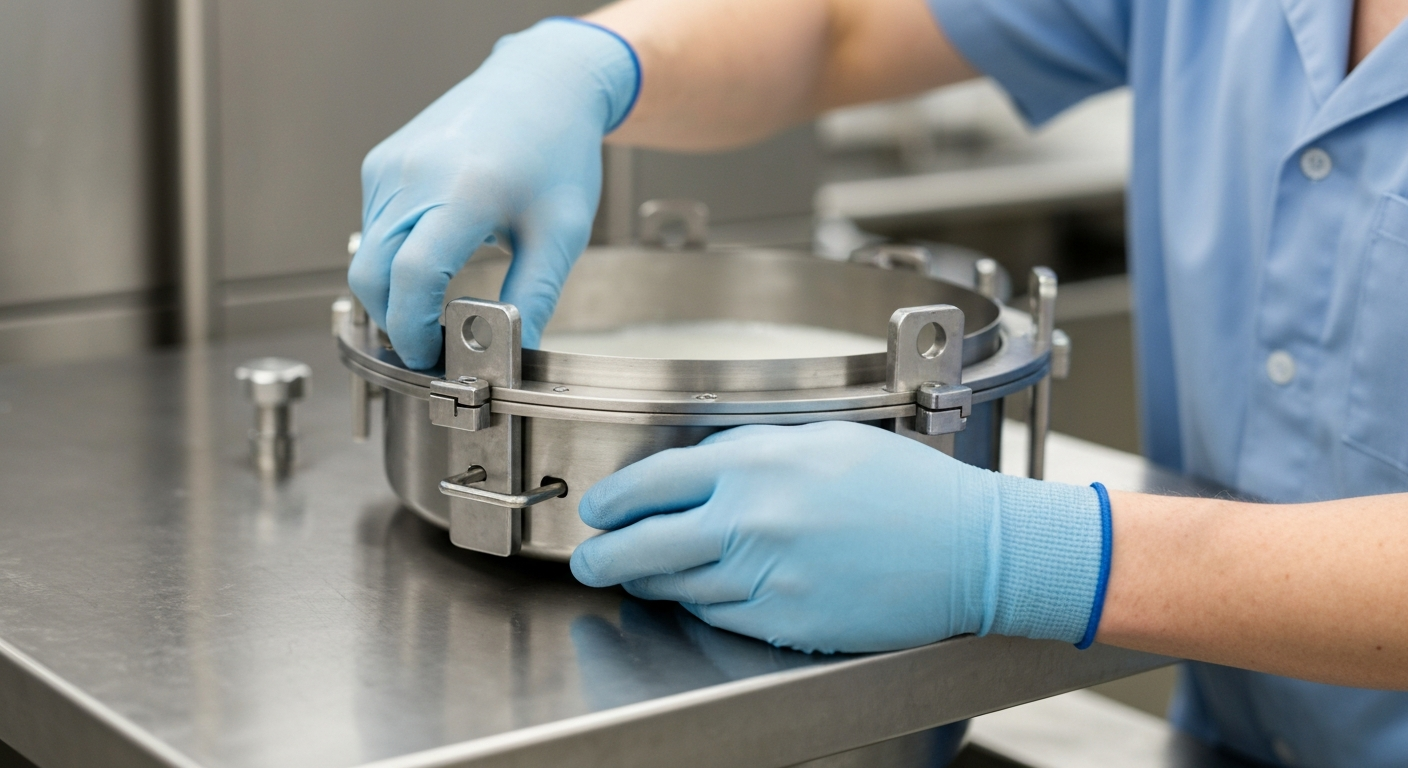
Look for food-safe and corrosion-resistant materials. Stainless steel is the standard for all parts that come into contact with milk. It is hygienic, robust and easy to clean. The bearings and drive motor should be designed for continuous use. A stable base plate prevents the device from moving during operation.
Ease of use and safety
The device should be easy to fill, operate and clean. A secure locking system prevents the drum from opening during operation. Clear controls and good instructions are important. Check whether spare parts such as seals or sieves are readily available.
Warning: Never operate the separator with the drum open or improperly locked. The released kinetic energy can cause serious injury. Always place the device on a firm, level surface.
Comparison of the best milk separators
Below you will find a direct comparison of selected models. The table helps you compare the technical data and features at a glance.
{{COMPARISON_TABLE}}Tested models in detail
We took a close look at various milk separators. Three models stand out in our test.
Powerful all-round model
The FJ350EAR milk separator (
) impresses with its high processing speed. It is particularly suitable for farms that regularly process larger quantities of milk. Its robust construction and powerful motor ensure reliable continuous operation. Despite its performance, it is intuitive to use.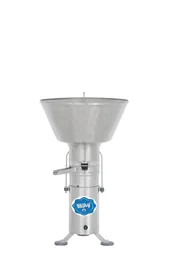
Compact solution for beginners
For hobbyists or smaller households, the "Milky" FJ90PP milk separator (
) is an ideal introduction. This compact countertop device takes up little space. Its separation efficiency is impressive for its size. It is a solid choice for anyone taking their first steps in home milk processing.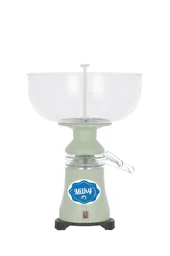
Balanced value for money
The "Milky" FJ130RR milk separator (
) sits between the other two models. It offers good performance for ambitious self-sufficient households or small farms. Cleaning is straightforward. Good spare-parts availability supports a long service life.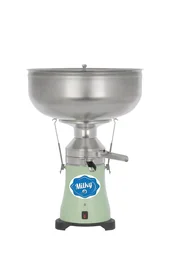
Discover more models in our milk separator category. For an overview of all devices, visit kitchen appliances.
Tip: Before buying, check whether the drum and all sieves can be easily removed. A design that can be disassembled makes cleaning much easier and helps prevent bacterial contamination.
Practical Use and Tips
Success depends not only on the machine, but also on proper preparation. Strain the raw milk before centrifuging it to remove coarse impurities. As mentioned above, a temperature of 35-40°C is ideal. Fill the drum evenly to prevent imbalance.
Only start the centrifuge once it is securely closed. Observe the first cycle to make sure the machine runs smoothly and without vibrations. After the separation process, allow the drum to come to a complete stop before opening it.
Cleaning and Maintenance
Thorough cleaning after every use is essential. First rinse all parts with cold water to remove milk residue. Then clean them with warm water and a special cleaner. Avoid harsh scouring agents, which can damage the surfaces.
Allow all components to air-dry completely. Occasionally lubricate moving parts, such as the drum closure, with food-grade grease. Regularly check the seals for cracks and the screens for blockages. Good maintenance significantly extends the service life of your machine.
Making the Right Buying Decision
Choosing the best milk separator is a personal decision. Clearly define your capacity requirements. Consider the available space and how much convenience you want when cleaning the machine. Investing in quality pays off, as a good separator will serve you for many years.
For home use, take a look at our wide range of household appliances. Ultimately, reliable separation, easy operation and long-term durability are what matter most. With the tested models and the criteria outlined here, you are sure to find the right machine for processing your milk.
Frequently Asked Questions
- How does a milk separator work?
- A milk separator uses centrifugal force to separate the components of milk according to their specific weight. The rapid rotation of the drum pushes the heavier skimmed milk outwards, while the lighter cream collects in the centre. The two components are then discharged through separate outlets.
- Which milk separator is suitable for small quantities?
- For home use or small farms, compact tabletop separators with a capacity of around 10-50 litres per hour are ideal. They take up little space, are easy to clean and consume a moderate amount of energy. Look for a sturdy design and a secure locking system.
- How do I clean a milk separator properly?
- Clean the separator immediately after use with warm water and milk-safe cleaning products. Disassemble all removable parts, such as the drum, lid and screens. Dry all components thoroughly to prevent corrosion and the growth of germs before reassembling them.
- What is the difference between a self-cleaning and a manually cleaned separator?
- A self-cleaning separator has a sludge lock or periodic discharge mechanism that automatically ejects solids. With a manually cleaned separator, the drum must be stopped and opened by hand to remove residues. Self-cleaning models are more efficient for continuous operation.
- How long does a milk separator last?
- Service life depends on the quality, maintenance and workload. High-quality machines made of stainless steel and fitted with robust bearings can last for many years with regular care and proper use. Regular inspection of the seals and moving parts is crucial.