
In brief: The ideal patio heater for you depends on your needs: hanging or ceiling-mounted models are suitable for targeted warmth, while freestanding patio heaters warm larger areas evenly. Heat output, energy source, installation type and IP rating are key factors. Our comparison will help you find the right model for your outdoor space.
Would you like to use your patio or balcony on cooler evenings too? A patio heater makes it possible. In our 2026 comparison, we show you what matters when choosing one. We compare different designs and models so you can find the heater that perfectly suits your garden and your needs.
There is a wide choice, from compact hanging units to powerful freestanding heaters. We help you understand the differences. Our focus is on performance, safety, ease of use and overall value for you.
Contents
What types of patio heaters are available?
Patio heaters are generally categorised by their design and installation method. Your choice has a significant impact on the space required, heating performance and convenience.
Freestanding patio heaters
These models stand freely on the ground. They are mobile and do not require permanent installation. A freestanding patio heater is ideal for large patio areas. You can move it as needed. One example is the
. With its 2100 Watt output, it provides plenty of heat for a large area.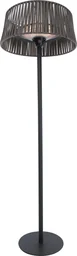
Hanging and ceiling-mounted patio heaters
These units are attached to the ceiling, an overhang or a special pole. They save valuable floor space, making them ideal for small balconies or covered seating areas. A hanging patio heater such as the
provides targeted heat from above. Ceiling-mounted models such as the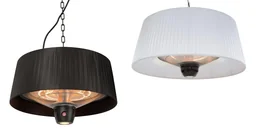
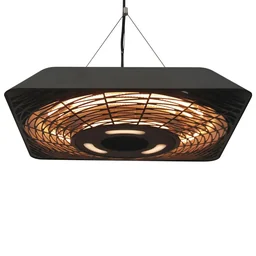
Tip: Plan the installation of hanging and ceiling-mounted heaters early. Check whether your ceiling or overhang can support the weight and whether there is a power connection nearby. Professional installation may be advisable.
Mushroom heaters and patio stoves
This category often includes elegant, rounded designs that resemble a mushroom. They provide pleasant light and can often be combined with a table in the centre. A patio stove such as the CookKing Faro creates a cosy atmosphere. The heat is usually radiated in all directions.
What should you consider when buying?
Not every patio heater is suitable for every situation. Before making your decision, you should clarify the following points.
The area to be heated
How large is the area you want to keep warm? For a small seating area, a compact heater with 1000-1500 Watt is often sufficient. A large, open patio requires more power or several units. A freestanding patio heater with a high wattage covers a larger area.
The available energy source
Most patio heaters are electric. You need an outdoor socket within reach. Pay attention to the cable length. Gas-powered models do not depend on a socket, but they require propane gas cylinders. Remember to consider changing and storing the cylinders.
The flexibility you need
Would you like to move the heater depending on the weather and number of guests? Then a mobile freestanding patio heater is the right choice. If the position is permanently fixed, a permanently installed hanging or ceiling-mounted heater may be the more elegant solution.
The most important criteria compared
To find the best patio heaters, we compare them based on clear features. Our comparison helps you identify the differences.
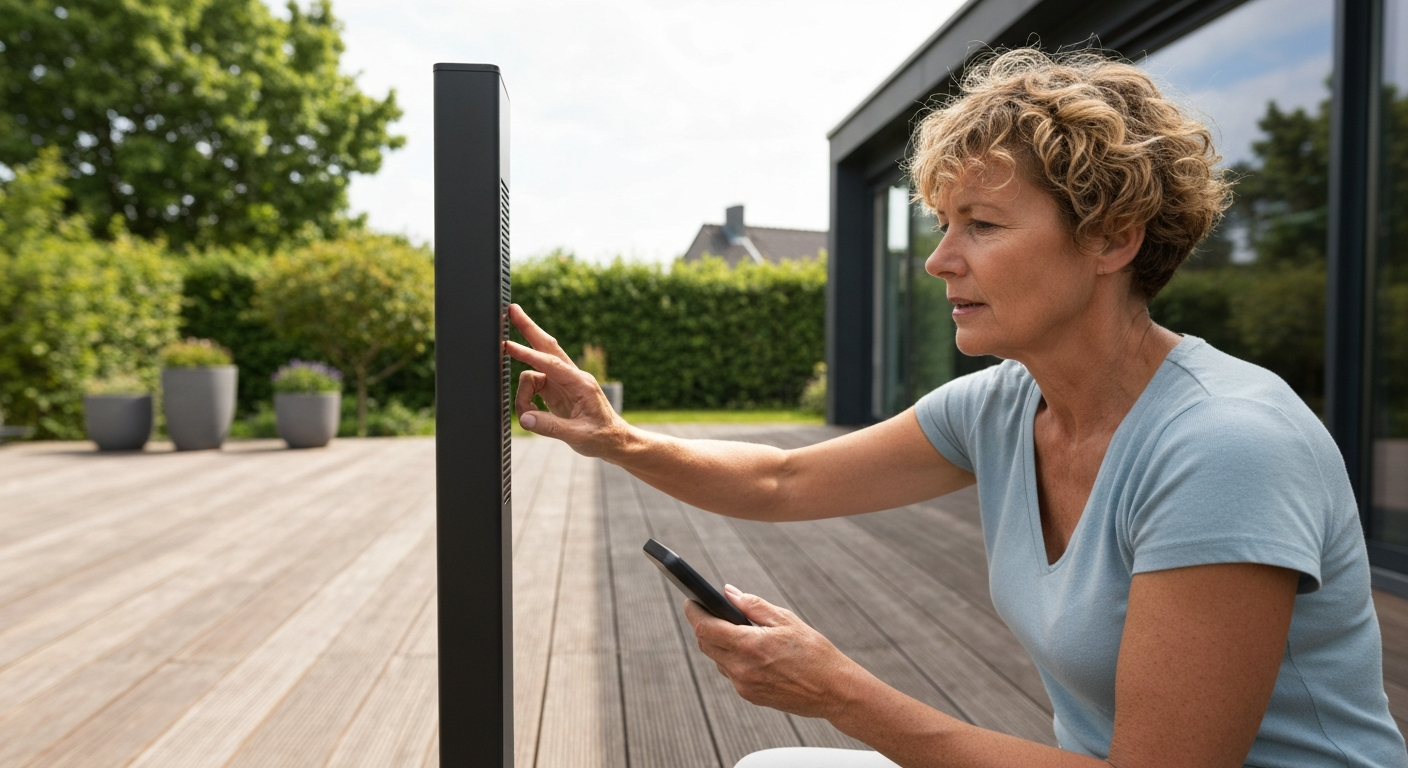
The following table summarises the features of selected models for you. You can see at a glance which strengths each unit offers.
The most-reviewed patio heaters in our range compared directly:
| Model | Customer rating | Availability |
|---|---|---|
| 1500W patio heater with LED incl. remote control, aluminium, silver | – | Currently unavailable |
| Ambiance patio heater 105cm tall | – | Currently unavailable |
| Hanging patio heater Artix Compact Bright Hanging white 1500 Watt | – | Currently unavailable |
| Freestanding patio heater Artix Corda Bright Standing Brown 2100 Watt | – | Currently unavailable |
| Bronze patio heater | – | Currently unavailable |
Warning: Never use patio heaters in enclosed spaces or beneath low, flammable canopies without adequate ventilation. There is a risk of suffocation and fire, especially with gas-powered models. Always maintain the safety distance specified by the manufacturer.
Advantages and disadvantages of each design
Each design has its own advantages and limitations. The following overview will help you weigh up the options.
Freestanding patio heaters
Advantages: Highly portable, usually powerful, easy to set up (often just plug it in), and no installation required.
Disadvantages: They take up space on the patio, may be more vulnerable to wind, and the power cable can become a trip hazard.
Hanging and ceiling-mounted patio heaters
Advantages: Space-saving because they do not occupy floor space, often provide highly targeted heating, are protected from being accidentally knocked over, and have an elegant appearance.
Disadvantages: They require secure installation (possibly by a professional), cannot be repositioned easily after installation, and a power connection must be available or installed in the ceiling.
Note: Many modern patio heaters combine heating with LED lighting. This creates a more atmospheric setting and improves safety at dusk. Check whether the lighting can be dimmed or changed to different colours to achieve the desired effect.
Safety and IP ratings
Safety is the most important consideration for a device used outdoors. Always pay attention to these markings.
IP rating
The IP rating indicates how well the device is protected against solid objects and water. For outdoor use, at least IP44 is recommended. This rating protects against splashing water from all directions. Higher ratings such as IP45 or IP55 offer even better protection in the rain.
Safety features
Modern devices have important safety functions, including:
- Tip-over switch-off: Particularly important for freestanding models. The device switches off if it falls over.
- Overheating protection: Prevents the device from becoming too hot.
- Child lock: A lock on the control panel prevents unauthorised use.
Installation and operation
How much effort is required to set up the heater, and how easy is it to operate?
Installation
Freestanding patio heaters usually only need to be unpacked and positioned. With hanging models such as the , you must securely attach the bracket. Take the weight of the device into account. Heavy models require a solid ceiling structure or a stable support post.
Controls and convenience
Many heaters can now be operated by remote control. This is particularly convenient when the heater is mounted. Some models also offer timers or different heat settings. The offers five different modes, for example, allowing you to control the heat output and energy consumption precisely.
Our conclusion and buying recommendation
Choosing the right patio heater depends on your specific circumstances. Our comparison has highlighted the key differences.
Which type is right for you?
- For large, open patios: A powerful freestanding patio heater such as the is ideal. It provides plenty of warmth and can be positioned flexibly.
- For small balconies or covered seating areas: A hanging or ceiling-mounted heater saves space. Models such as the or provide targeted and efficient heating.
- For maximum convenience and control: Look for models with a remote control, multiple heat settings and, if desired, integrated lighting.
Make your choice based on the space available, the level of convenience you want and your budget. A high-quality patio heater can extend the outdoor season by many cosy hours. We hope you enjoy your new source of warmth in the garden.
Frequently asked questions
- Are patio heaters safe to use?
- Modern patio heaters are safe when used correctly. Look for a high IP rating such as IP44 or higher for protection against splashing water. Always position freestanding models securely and away from flammable materials. Models with a tip-over switch-off provide additional safety.
- What heat output do I need for my patio?
- The required output depends on the area to be heated and the desired temperature. As a rough guide, 1000-1500 Watt is suitable for smaller seating areas, while large patios or windy locations require 2000 Watt or more. Also consider the efficiency of the heater.
- Can I use a patio heater under a roof or parasol?
- This varies from model to model and depends heavily on the energy source and design. With electric heaters, you must ensure sufficient clearance from flammable materials. Gas heaters are often not permitted under enclosed or easily flammable coverings. Always check the manufacturer's instructions.
- What is the difference between infrared and convection heat?
- Infrared heaters warm people and objects directly, similar to the sun. The heat is immediately noticeable and efficient outdoors. Convection heaters warm the air, which then circulates. This heat can be lost more quickly in windy conditions. Infrared heaters are usually the better choice for patios.
- How economical are electric patio heaters compared with gas models?
- Electric heaters often have advantages when purchased and do not require gas bottles to be replaced. Running costs depend on your electricity tariff. Gas heaters may be cheaper to run with intensive use, but they incur ongoing gas costs. Cost-effectiveness depends on your individual circumstances.