
In brief: Our 2026 test and comparison shows that good work bib overalls combine durable fabric, practical pockets and all-day comfort. Models with reinforced knees and seat, along with breathable materials, stand out in demanding conditions. A good fit and freedom of movement are essential for everyday comfort on the job.
Best Work Bib Overalls: 2026 Test & Comparison
Good work bib overalls are more than just work clothes. They’re a daily companion on the construction site, in the workshop or in the garden. They need to hold up to tough use, feel comfortable and make work easier. Our 2026 test and comparison covers what matters and which models stand out for their materials, construction and features. We took a close look at the details to help you choose the right pair.
Contents
What should you look for when buying work bib overalls?
Before choosing a pair, think about the conditions they’ll need to handle. How you plan to use them is the most important factor. Will you be working around sharp edges, oils or outdoors? Your answers will help determine the right fabric, features and level of protection.
Choose a pair that suits the job
For indoor work in tool retail, lightweight pants made from a cotton blend are often enough. On construction sites, reinforced knees and seat, along with tougher fabrics such as canvas, are essential. Jobs involving chemicals or heat require specialized protective gear.
Find the right fit
Bib overalls that pinch or restrict movement will soon be left in the closet. Make sure you have enough room through the crotch and shoulders. Adjustable straps and a flexible waistband help you get a comfortable fit. Try on different sizes or check the manufacturer's size chart carefully.
Tip: Test your range of motion by squatting and bending forward. The pants shouldn’t pull or dig in. Comfort is especially important with workwear because it affects how often people want to wear it.
Materials and construction compared
How long work bib overalls last depends largely on the quality of the fabric and construction. In our test, we took a close look at different materials and seams.
Common materials at a glance
Cotton blends are popular because they feel comfortable and breathe well. However, they’re often less resistant to dirt. Polyester-cotton blends are easier to care for, dry quickly and hold their shape. Pure canvas or denim fabrics are extremely tough and durable, but can feel stiffer and heavier. Special fabrics with oil- or water-repellent properties (e.g. Teflon coating) provide added protection.
Construction quality affects durability
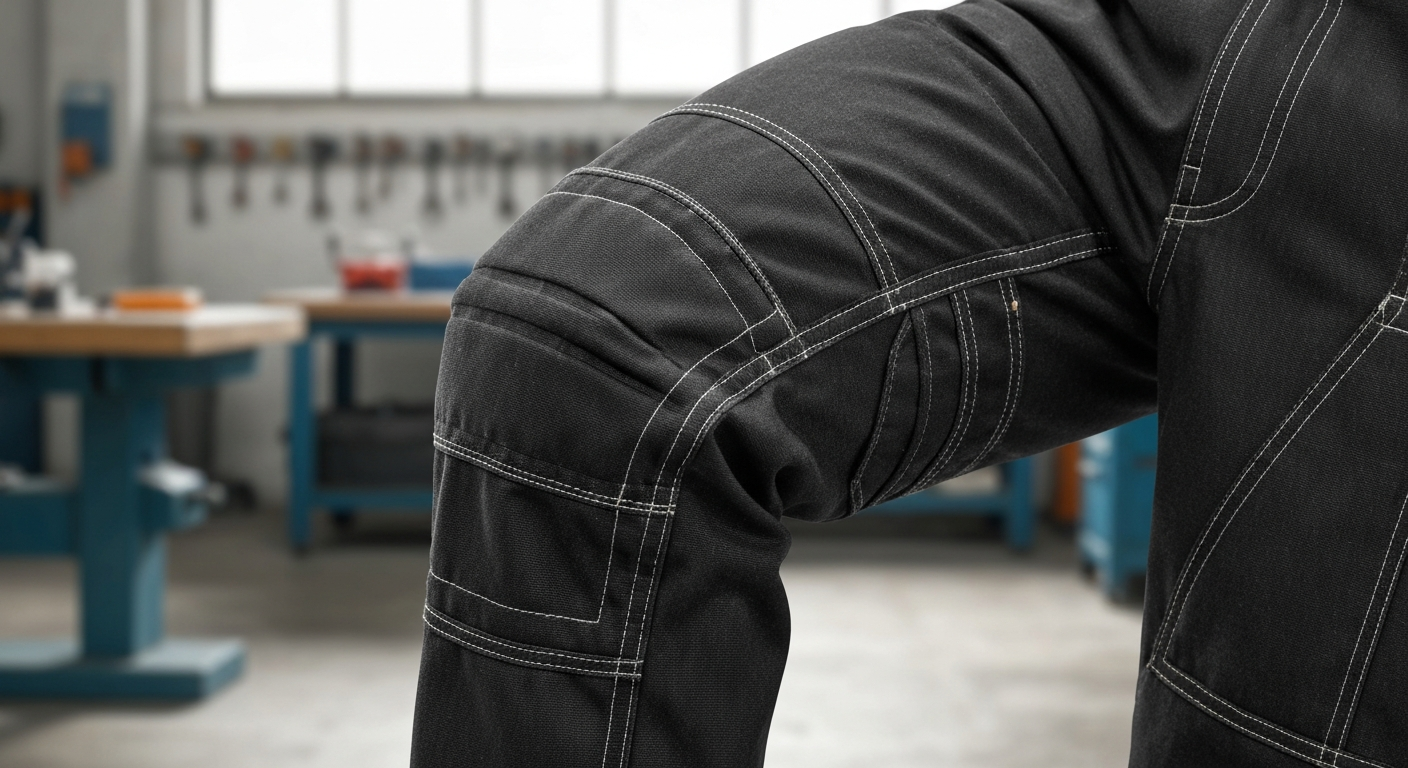
Check the seams. Double- or triple-stitched seams, especially at the crotch and sides, are a sign of good construction. High-wear areas such as the knees, seat and pockets should have multiple layers of reinforcement, often made with Cordura or a similar fabric. Zippers should be sturdy (e.g. YKK) and protected against accidental opening.
Warning: Weak seams and thin fabric tear quickly. They may cost less upfront, but often need replacing sooner. It’s better to invest in well-made pants that can last for several seasons.
Comfort and fit in real-world use
Work bib overalls are worn all day, so a good fit and temperature control matter. We tested which models perform best in these areas.
Breathability and staying comfortable
Especially during physical work or in warm weather, it’s important for fabric to wick away moisture and let air circulate. Blends containing viscose or fabrics made with special weaving techniques can improve breathability. Some models have ventilation openings under the arms or at the sides.
Freedom of movement and ergonomics
Ergonomic cuts with shaped knees and a little extra room in the crotch allow for natural movement. Stretch panels in the waistband or behind the knees add comfort. Adjustable, padded straps help reduce strain on the shoulders. When choosing your work pants, look for these details.
In real-world use, models such as the and the impressed us with their well-designed fit and all-day comfort, even during long workdays.
Function and safety under review
The many pockets are a defining feature of bib overalls. But it’s not just the number of pockets that matters—their design also plays an important role in an efficient workflow.
Pocket layout and functionality
A practical setup includes a chest pocket for pens, a large back pocket, side pockets, and dedicated tool pockets for a hammer, folding ruler, or screwdriver. Pockets with buttons, hook-and-loop fasteners, or zippers keep valuables secure. Internal compartments help keep everything organized.
Safety features and standards
Many workplaces require specific protection classes. These include high-visibility protection (EN ISO 20471) for working near traffic, and heat protection or flame resistance (EN ISO 11612). Reflective strips improve visibility. Check which standards are required for your job.
Note: Even when no standard is required, reflective elements can significantly improve your safety when working in the dark or in poorly lit areas. Paying a little extra for these features can be worthwhile.
For demanding jobs with strict safety requirements, models such as the and performed well in testing.
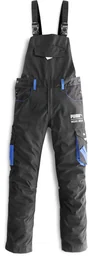
Care and durability put to the test
Work bib overalls have to withstand a lot. How you care for them has a major impact on how long they last.
Easy everyday care
Most work bib overalls made from modern materials are machine washable. Polyester helps reduce wrinkles and allows the fabric to dry faster. Avoid fabric softener, as it can affect the dirt- and water-repellent properties of coated materials. Tumble drying is often an option, but it may reduce the elasticity of stretch sections over time.
Easy repairs and long-lasting wear
Quality overalls are often designed to be repairable. Knee patches can frequently be replaced when they wear out. Durable zippers can also be replaced if they become defective. This repair-friendly design significantly extends the life of the overalls and makes them a more sustainable investment. The stands out for its especially repair-friendly design.
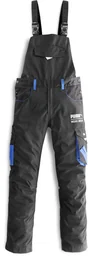
Work bib overalls comparison
Our overview gives you a quick look at the key features of the models we tested.
Our top-rated work bib overalls, compared side by side:
| Model | Customer rating | Availability |
|---|---|---|
| CHAMP bib overalls, carbon, size 46 | – | Currently unavailable |
| CHAMP bib overalls, carbon, size 48 | – | Currently unavailable |
| CHAMP bib overalls, carbon, size 50 | – | Currently unavailable |
| CHAMP bib overalls, carbon, size 52 | – | Currently unavailable |
| CHAMP bib overalls, carbon, size 54 | – | Currently unavailable |
Buying guide and final verdict
Choosing the right work bib overalls is a personal decision that depends on your specific work environment.
Our recommendations by application
- For tradespeople and construction work: Prioritize durability. Choose overalls with double-reinforced knees and seat, made from hard-wearing canvas or a heavy cotton blend. Look for plenty of sturdy pockets.
- For gardening and landscaping: Breathability and flexibility matter. Lightweight materials with ventilation and an ergonomic fit are ideal. Light colors are more comfortable in summer.
- For industry and workshops: Easy care and protection are often top priorities. Dirt- and oil-repellent coatings and compliance with applicable safety standards (including no loose-hanging parts) are essential.
Our 2026 test verdict
A good pair of work bib overalls is an investment in your comfort and safety on the job. Our 2026 comparison shows that no single model is right for everyone. The key is finding overalls that match your needs. Take time to choose, inspect the materials and workmanship carefully, and make sure the fit is right. In our view, the models featured here, such as the , and , are excellent options for a range of jobs. Ultimately, the best work bib overalls are the ones you can wear comfortably and safely every day.
Frequently Asked Questions
- What materials are best for work bib overalls?
- Durable cotton blends, such as canvas or polyester-cotton fabric, offer a great balance of durability, comfort and easy care. Special coatings or fabric blends can provide stain resistance or flame resistance.
- How do I choose the right size of work bib overalls?
- Measure your waist, inseam and hips accurately. Check the manufacturer's size chart, as sizing can vary. Your overalls should feel comfortable when you crouch and allow you to move freely.
- What features make work bib overalls high quality?
- High-quality work bib overalls have double-stitched seams, sturdy zippers, abrasion-resistant reinforcements at the knees and seat, and well-designed pockets with closures for tools and small parts.
- Can I wear work bib overalls in summer?
- Yes. Choose a pair made from lightweight, breathable fabric with ventilation openings or mesh panels. Light colours also reflect sunlight better and help reduce heat build-up.
- How should I care for my work bib overalls?
- Always follow the care label. Machine washing at 40-60°C is usually fine. Reinforcements and special coatings last longer if you skip the fabric softener and hang the overalls to dry instead of using a tumble dryer.