
In brief: A good work knife has a high-quality carbon steel or stainless steel blade, a non-slip handle and a shape suited to the job. Hoof knives are essential for livestock care, while sturdy survival and fixed-blade knives are well suited to outdoor use. Regular sharpening and proper storage help extend a knife’s service life.
A reliable work knife is an essential tool in many professions. Whether you work in agriculture, the trades or enjoy outdoor activities, the right blade makes demanding jobs easier and more precise. Our 2026 comparison covers different types of work knives and explains what to look for when buying one.
Table of contents
What makes a good work knife?
You can identify a high-quality work knife by three key features: the blade, the handle and the overall construction. The blade should be made from durable steel with the right hardness. Steel that is too soft dulls quickly, while steel that is too hard can become brittle.
The handle should feel secure in your hand, even in wet or dirty conditions. An ergonomic shape helps reduce fatigue, and the knife’s overall construction should be sturdy enough to handle tough conditions.
Tip: Before buying, check that the knife feels comfortable in your hand. The handle should fit your hand and provide a secure grip.
Work knife types compared
Different types of knives are suited to different jobs. Here are the main categories to know about.
Hoof knives for agriculture
In agriculture, especially when caring for horses, hoof knives are essential. They are used to trim and shape hooves with precision. Curved blades are common because they provide better leverage.
One example is the , which has a double-sided blade and ergonomic wooden handle for precise work from either side. Left- and right-handed versions are also available for specific jobs in our work knife selection.

Fixed-blade knives for outdoor use and the trades
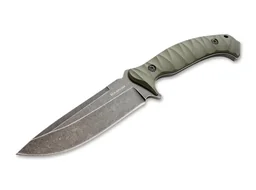
Fixed-blade knives offer excellent stability. They are suited to heavy-duty cutting, bushcraft and trade work. A full-tang blade is a sign of quality.
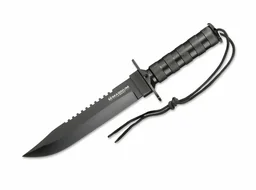
The is a classic outdoor knife with a long, sturdy blade. The , by contrast, is designed as a survival knife and often includes extra features.
Knife care accessories
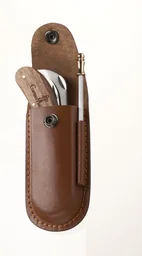
The right accessories are part of any basic knife kit. A protects your knives during transport and helps prevent damage. A built-in sharpening steel lets you touch up a blade while you’re on the go.
Warning: Always store sharp knives securely. Loose blades can cause serious injuries, especially in homes with children or pets.
Buying criteria in detail
Blade material and shape
The blade material affects durability and care requirements. Stainless steel resists corrosion and is easy to maintain. Carbon steel takes a very sharp edge but needs more protection from rust.
Choose a blade shape that suits the job. Straight blades are good for precise cuts. Curved blades provide more leverage for pulling cuts, as needed with hoof knives.
Handle material and ergonomics
The handle is your main point of contact with the knife. Wooden handles traditionally feel comfortable, but can become slippery when wet. Modern composite materials and rubber often provide better grip.
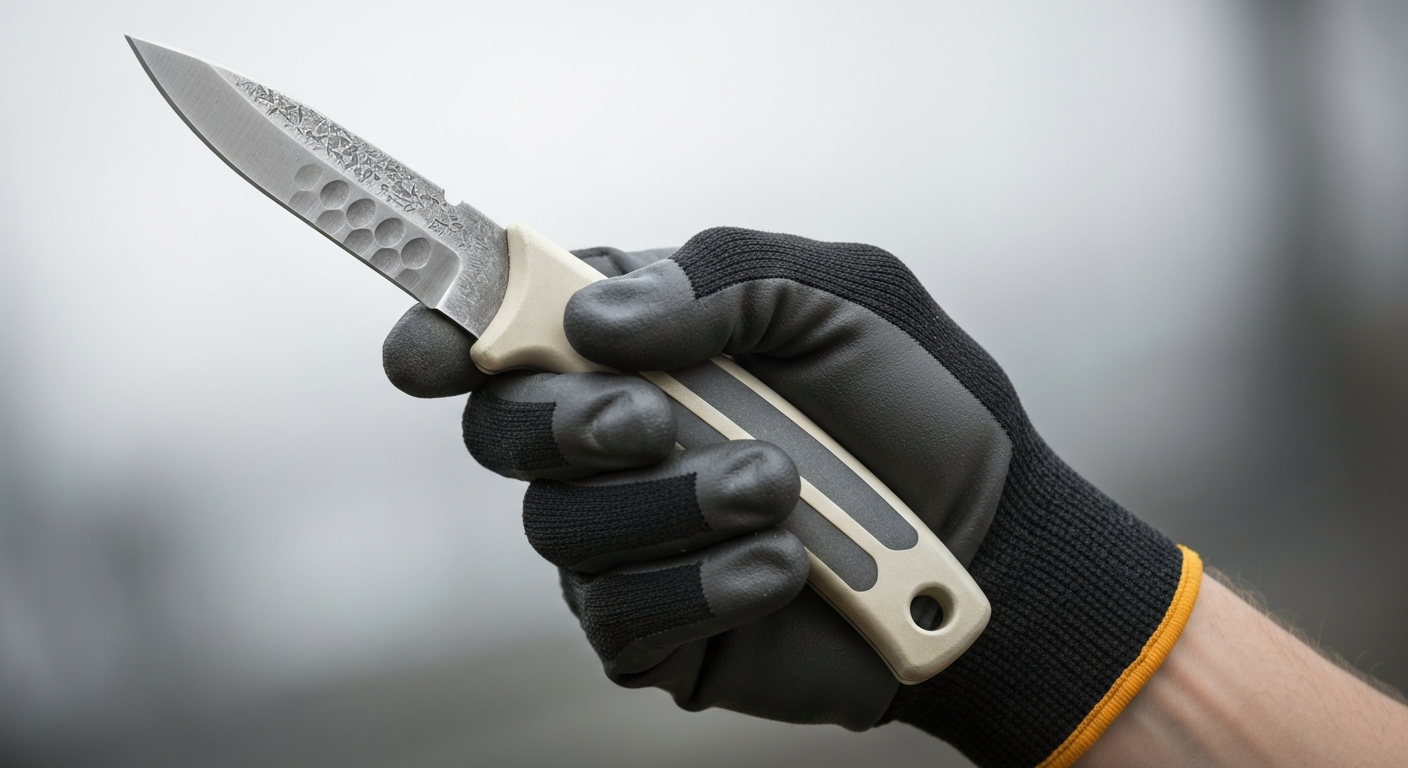
Look for finger grooves and a shape that feels secure, even when you’re wearing gloves. The handle should have no sharp edges that could cause pressure points.
Workmanship and safety
Check the rivets or screws. They should be firmly in place with no wobble. If the knife comes with a sheath, it should hold the blade securely and be easy to use.
A stable resting position is also important, especially on uneven surfaces. Some models have specially designed handles to help with this.
Note: Even the best knife will dull over time. Get sharpening tools from the start and learn how to use them correctly.
Safety and care
Proper handling
Wear suitable gloves when working with sharp knives. Always cut away from your body and use a stable work surface. Keep the blade sharp—a dull knife takes more force and is more likely to slip.
Care and storage
Clean the knife after every use, especially to remove sap or soil. Dry it thoroughly, particularly if the steel is prone to rust. Apply oil to moving parts and the blade before putting the knife away for an extended period.
Store knives in a dry place away from extreme temperatures. A knife bag or wall mount helps protect the blade from damage and prevents accidental contact.
Sharpening and maintenance
Learn to hone your knife regularly with a sharpening steel. For a full sharpening, use whetstones in different grits. Keep the sharpening angle consistent along the blade for an even edge.
Conclusion and Recommendations
The right work knife depends largely on how you plan to use it. Specialized hoof knives are essential for professional hoof care. For outdoor use, a sturdy fixed-blade knife with a high-quality blade is a reliable choice.
Choose a quality knife that suits your needs. An expensive professional knife is worth the investment if you use it every day. For occasional jobs, a solid entry-level model is often enough. Don’t forget the right accessories for carrying and caring for your knife.
Here are the top-rated work knives in our selection, compared:
| Model | Customer rating | Availability |
|---|---|---|
| Aesculap GTA321 Left-Handed Hoof Knife, Small Blade, Ebony Handle | – | Currently unavailable |
| Aesculap Right-Handed Hoof Knife GTA300, Small Blade for Precision Work | – | Currently unavailable |
| Aesculap Right-Handed Hoof Knife GTA320, Small Blade for Precise Hoof Care | – | Currently unavailable |
| Dunlop Fieldpro Thermo+ Boots Green Size 38 - Sturdy Warm Work Boots | – | Currently unavailable |
| Fritz Göbel Sheep Hoof Knife, Double-Sided, Ergonomic Wooden Handle | – | Currently unavailable |
Frequently Asked Questions
- What’s the difference between a hoof knife and a standard work knife?
- Hoof knives are specialized tools for caring for horses’ hooves. They have a curved, often single-edged blade and an ergonomic handle for precise work in tight spaces. Standard work knives are more versatile, with straight blades suited to general cutting tasks.
- What’s the best steel for a work knife?
- Carbon steel can be sharpened to a very fine edge and holds its edge for a long time, but it can corrode more easily. Stainless steel is easier to maintain and resists corrosion, but may not hold its edge as well. The right choice depends on how you plan to use the knife and how much maintenance you’re willing to do.
- How often should I sharpen a work knife?
- How often you need to sharpen your knife depends on what you’re cutting and how often you use it. With regular use on a farm, you may need to sharpen it every week. For occasional use, checking it once a month is usually enough. Use a honing steel for touch-ups between sharpenings.
- Are wooden or plastic handles better for work knives?
- Wooden handles feel comfortable in your hand and absorb vibration, but need more care. Plastic or rubber handles are often less slippery, even when wet, and are easier to clean. The most important factor is an ergonomic shape that allows you to hold the knife securely.
- How should I transport a work knife?
- Always carry sharp knives securely. A knife bag or sheath protects the blade and helps prevent injuries. Look for a secure closure and a sturdy material, such as leather. Keep knives and accessories separate to stay organized.