
In brief: The Bird of the Year vote is an annual public ballot organised by NABU and its Bavarian partner LBV. You decide directly which bird will be the focus of media and conservation efforts for one year. The campaign draws attention to threatened species, increases knowledge of native birds and motivates people to take practical conservation action – including in their own gardens.
Bird of the Year: How the Vote Works and Why Join In
Every autumn, bird lovers make an important decision. They choose which feathered friend will be allowed to carry the prestigious title “Bird of the Year” for the next twelve months. What begins as a charming public vote is actually a powerful conservation campaign with a wide reach.
It focuses public attention on the needs and threats facing our native birdlife. For garden owners, the vote is a perfect opportunity to deepen your commitment to nature and put practical measures into action.
How does the Bird of the Year vote work?
The process is deliberately simple and democratic. Naturschutzbund Deutschland (NABU) and its Bavarian partner, Landesbund für Vogelschutz (LBV), present a selection of candidates. These birds represent particular habitats or current threats.
During a set period, usually in October, anyone can cast a vote. You vote online on the NABU website or by traditional postal ballot. The result is binding. The bird with the most votes wins. There is no jury to overturn the public vote.
This direct democratic approach is the campaign’s secret to success. It creates a sense of identification and helps people feel connected to “their” chosen bird. The campaign thrives on this broad participation.
The Bird of the Year vote is our most important tool for inspiring people to protect biodiversity right on their doorstep. Every single vote shows politicians that people care about species conservation.
The role of the public vote in species conservation
Why not simply leave the decision to expert committees? The answer lies in its impact. A public vote generates media attention. Local newspapers report on the region’s favourite, while radio and television broadcasters pick up the topic.
The chosen bird thus becomes a symbolic figure. Its problems – whether the loss of traditional orchards, soil sealing or declining insect numbers – become part of the public debate. This attention is more valuable than many specialist papers that disappear into desk drawers.
As a voter, you send a signal. You show that you care about native nature and its inhabitants. This signal also reaches local politicians who decide how green spaces are designed and where protected areas are established.
Why is the campaign so important for conservation?
The title “Bird of the Year” is not an empty award. It marks the beginning of an intensive programme of education, research and political work. NABU and LBV develop specific information materials, organise excursions to the species’ habitats and launch petitions to protect them.
For many people, the annual vote is their first and most accessible contact with organised conservation. They not only learn about one bird species but suddenly understand the connections within an ecosystem. A bird never exists in isolation. Where lapwings live, amphibians and rare plants also find a habitat.
Expert tip
Use the vote and its supporting materials to improve your knowledge of species. Learn not only about the Bird of the Year but also its typical companion species and habitat. This knowledge is the foundation for any successful conservation effort in your own garden.
From a symbolic title to practical ways to help
The campaign’s greatest strength is how easy it is to put into practice. Concrete recommendations always follow the vote. When the house sparrow was chosen, the focus was on creating nesting opportunities on buildings and leaving wild corners untouched. When the goldfinch was in the spotlight, people were encouraged to grow seed-rich perennials and avoid herbicides.
These tips can be applied directly to your garden or balcony. You do not need to own a large nature reserve to make a difference. Every native flowering plant, every perennial bed left standing through winter and every species-appropriate bird feeder helps.
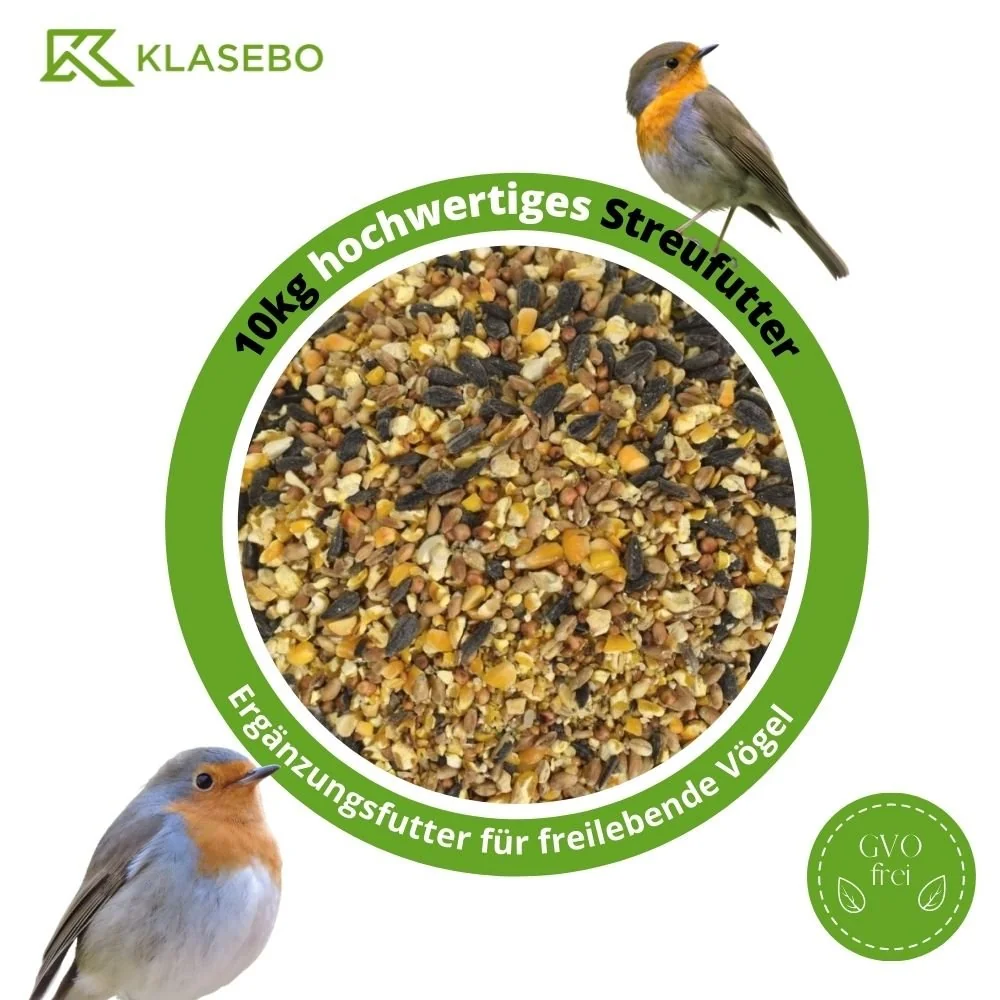
Products such as our (20 kg Premium Shell-Free Wild Bird Food) or
(Scatter Feed 10 kg) provide the basis for supplementary feeding. The quality of the food is important to give birds the best possible energy.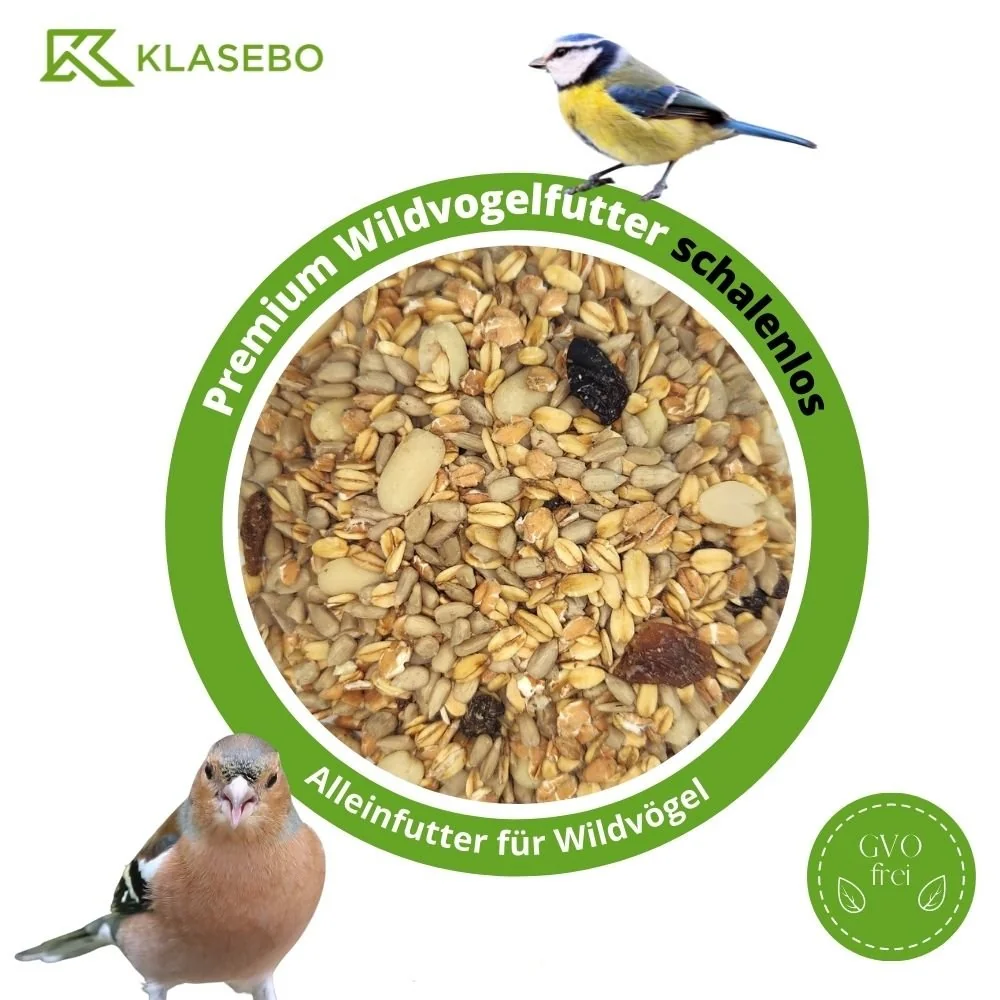
How can you effectively help birds in your garden?
Wildlife conservation starts right on your doorstep. Your garden is a microcosm that you can shape. Providing natural food should be your first priority. Plant native shrubs and trees such as blackthorn, hawthorn or rowan. They provide berries, shelter and nesting sites.
Allow some areas of your garden to remain a little “untidy”. Leaf piles, stacks of deadwood and faded perennials are vital winter habitats for insects, which in turn provide food for birds. Avoid chemical pesticides completely.
A wildlife-friendly garden is the best insurance for preserving bird diversity. We do not need sterile expanses of lawn, but living oases filled with native plants. Every square metre counts.
The importance of feeding birds year-round
Bird feeding is a controversial topic. However, current scientific evidence clearly supports supplementary feeding throughout the year – provided you use the right products. In spring and summer, breeding adult birds and their young need protein-rich food.
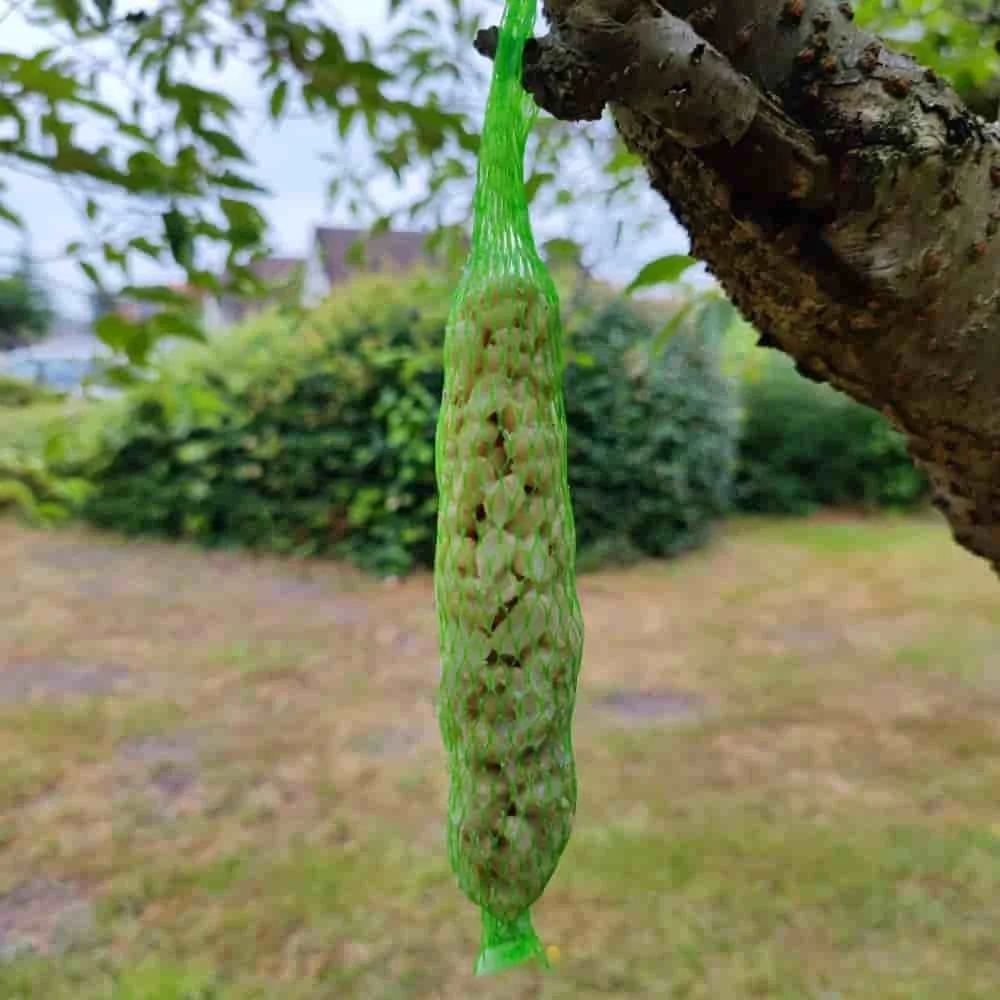
Products such as
(20 kg Deluxe bird food with mealworms) or (peanut sticks for wild birds) are ideal. They provide the energy needed during the demanding breeding season. Place the food where it will not be contaminated by droppings and is difficult for cats to reach.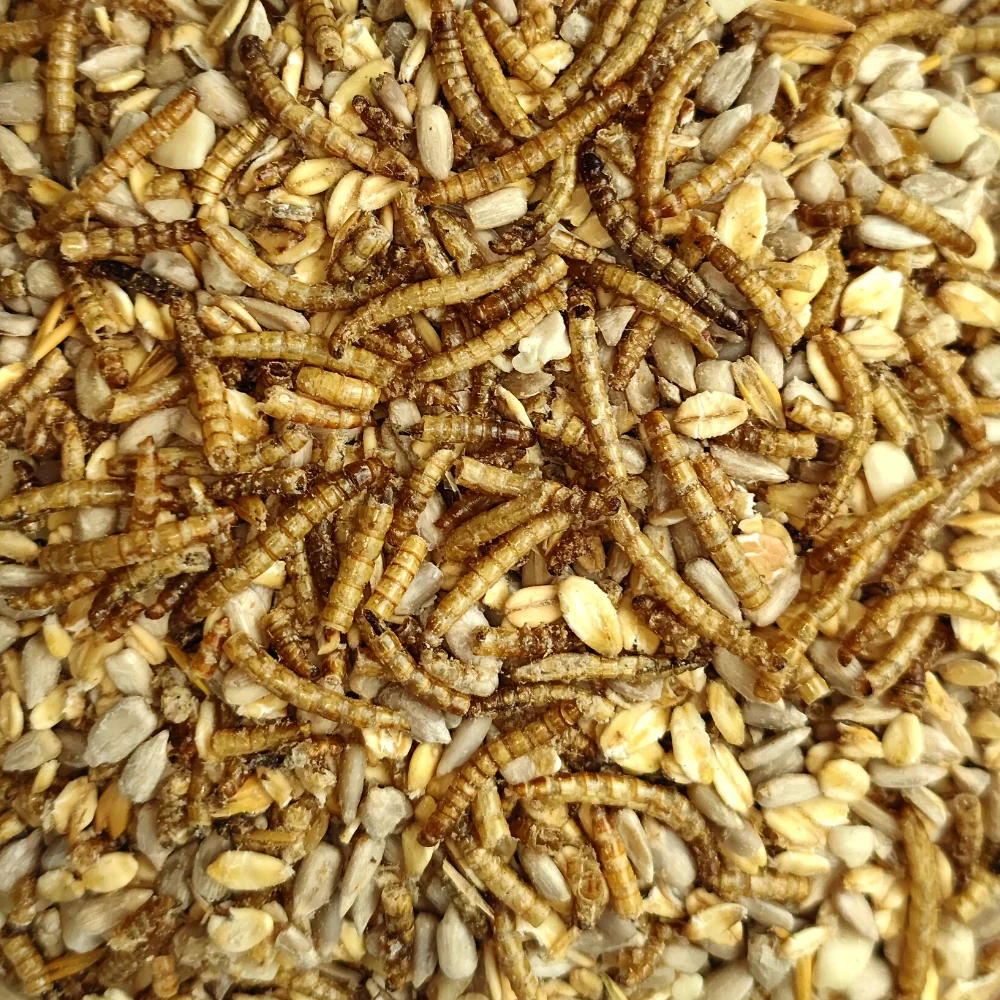
Important note
Never feed salty, seasoned or spoiled leftovers. Bread swells in a bird’s stomach and is unsuitable. Use only specialist bird food from a retailer, such as our products in the Peanuts for birds range. Keep the feeding station absolutely clean to prevent the spread of disease.
How can you take part in the next Bird of the Year vote?
Taking part could not be easier. Visit the NABU website in autumn. There you will find all the information about the current vote, candidate profiles and a link to the online ballot. You can also download the voting leaflet and vote by post.
Use the vote as an opportunity to discuss the topic with your family or neighbours. Which bird is commonly seen in your area? Which one has become rare? These observations sharpen your awareness of nature right on your doorstep.
Share your voting decision on social media and encourage others to take part. The more people participate, the louder the conservation message will be. You might even organise a small voting campaign in your club or company.
Preparation is everything: How to get ready
Find out more before casting your vote. The candidate bird profiles describe not only their appearance, but also their ecological niche and the specific threats they face. Consider which bird in your region deserves particular attention.
Perhaps you already have a favourite because you regularly see it at your feeding station. This personal connection is a helpful guide. Your vote is worth just as much as an ornithologist’s – that is the principle behind this democratic campaign.
Extra tip
The Bird of the Year vote is an ideal way to get children interested in nature. Explain the vote, look at the bird pictures together and go exploring. Later, attractive decorative animals with bird motifs are also a great choice for a child’s bedroom, helping nurture a love of nature.
Make the vote the starting point for your personal commitment
Do not let the vote be the end of your interest in the subject. Use the momentum to make a lasting difference. Observe the birds in your garden. Note which species accept the food on offer, such as the or the peanut sticks .
Adapt the way you manage your garden. Perhaps you can plant a hedge made up of native shrubs or create a small water feature. Every action counts. The elected Bird of the Year remains in the spotlight for twelve months – use this time to take action for it and its fellow species.
Conservation needs many helping hands. Your vote is an important signal. Your practical help in the garden is direct action. Together, they make a difference for our feathered neighbours.
Get prepared. Keep high-quality food such as our ready. Make your garden welcoming. And when the next call to vote goes out, take part. Your vote counts.
Frequently Asked Questions
- Who chooses the Bird of the Year?
- Anyone can vote. The Nature and Biodiversity Conservation Union (NABU) and the Bavarian Society for the Protection of Birds (LBV) invite the public to vote every year. There is no expert jury—the decision is made entirely by citizens who cast their votes online or by post. This democratic approach generates a great deal of public attention.
- What is the aim of the Bird of the Year campaign?
- The main aim is to raise public awareness of a particular bird species and the threats it faces. The winning bird remains in the spotlight for a year through press coverage, educational activities and conservation recommendations. The campaign highlights specific problems such as habitat loss and encourages people to take action, for example through wildlife-friendly garden design or political engagement.
- How can I help birds in my garden?
- Create wildlife-friendly habitats. Plant native hedges and perennials as places to hide and sources of food. Avoid using pesticides. Provide nesting boxes for cavity-nesting and semi-cavity-nesting birds. Year-round, species-appropriate feeding with quality food such as PRODUCT_23311 or PRODUCT_24281 is particularly helpful for birds during harsh winters and the demanding breeding season.
- When does the Bird of the Year vote take place?
- The main voting period traditionally takes place in October each year. During this time, you can vote for a selection of bird candidates. The winner is usually announced in late October or early November. Before the vote, there is a nomination phase during which suggestions can be submitted. Keep an eye on the NABU website for updates.
- Is bird feeding only necessary in winter?
- No. Modern studies show that year-round feeding benefits many species. In spring, breeding birds need protein-rich food to raise their young. In summer and autumn, feeding stations help birds cope with extreme weather and build up fat reserves for winter. Keeping feeding stations clean and choosing the right food, such as our PRODUCT_23369, are essential.
You might also be interested in
- Feeding birds in the garden: All year round or only in winter?
- Bird conservation in the garden: How to help native species
- Identifying garden birds: Which species visit your garden?
- Feeding birds: When is the right time? Suet balls put to the test
- 4-in-1 solar bird bath: Turn it into a year-round oasis for birds
- Feeding blackbirds properly: How to give garden birds the best support