
In brief: The quickest way to unblock a toilet is with a plunger. Place it firmly over the drain, pump vigorously and pull up sharply. For stubborn blockages, use a drain snake. To prevent future blockages, flush only toilet paper and human waste. Solid objects, wet wipes and food scraps do not belong in the toilet.
Blocked Toilet: Fix the Problem and Prevent Blockages
A blocked toilet is an unpleasant nuisance. You do not need to reach for the phone straight away. You can often clear the blockage yourself with simple tools and the right technique. This article shows you effective DIY methods and explains how to prevent problems in your house drainage system from the outset.
How do I unblock a badly blocked toilet?
Before you begin, make sure the water cannot overflow. Turn off the water supply if necessary. Put on sturdy rubber gloves. You now have several options for unblocking a blocked drain.
The plunger: your first and best helper
The traditional plunger creates pressure and suction. It clears many blockages mechanically. Make sure the rubber cup sits firmly over the drain opening. The toilet should contain some water. Pump vigorously up and down ten to twenty times. The final pull should be sharp.
“The most common cause of blocked toilets is not too much paper, but flushing the wrong items. Wet wipes are the main enemy of modern drainage systems.”
For successful use of a plunger, practical models such as the are available in our range. It is suitable for various drain sizes.
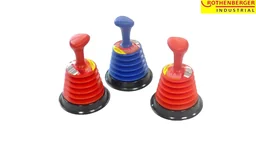
Pro tip
Apply petroleum jelly or soap to the rim of the plunger. This significantly improves the seal and increases the effect of the pressure created.
The drain snake for stubborn blockages
If the plunger fails, use a drain snake. Carefully feed the snake into the drain. Turn the handle steadily while pushing the snake forwards. This allows you to break through the blockage or wind it onto the snake. Carefully pull out the obstruction.
Chemical drain cleaners: useful solution or risk?
Using chemical drain cleaners is a controversial topic. These products are often based on caustic alkalis. They can dissolve organic deposits. However, bear the disadvantages in mind.
Important note
Aggressive drain cleaners can damage pipes over time, especially old or damaged ones. They pose a health risk if handled incorrectly. Always wear safety goggles and gloves, and ventilate the room thoroughly.
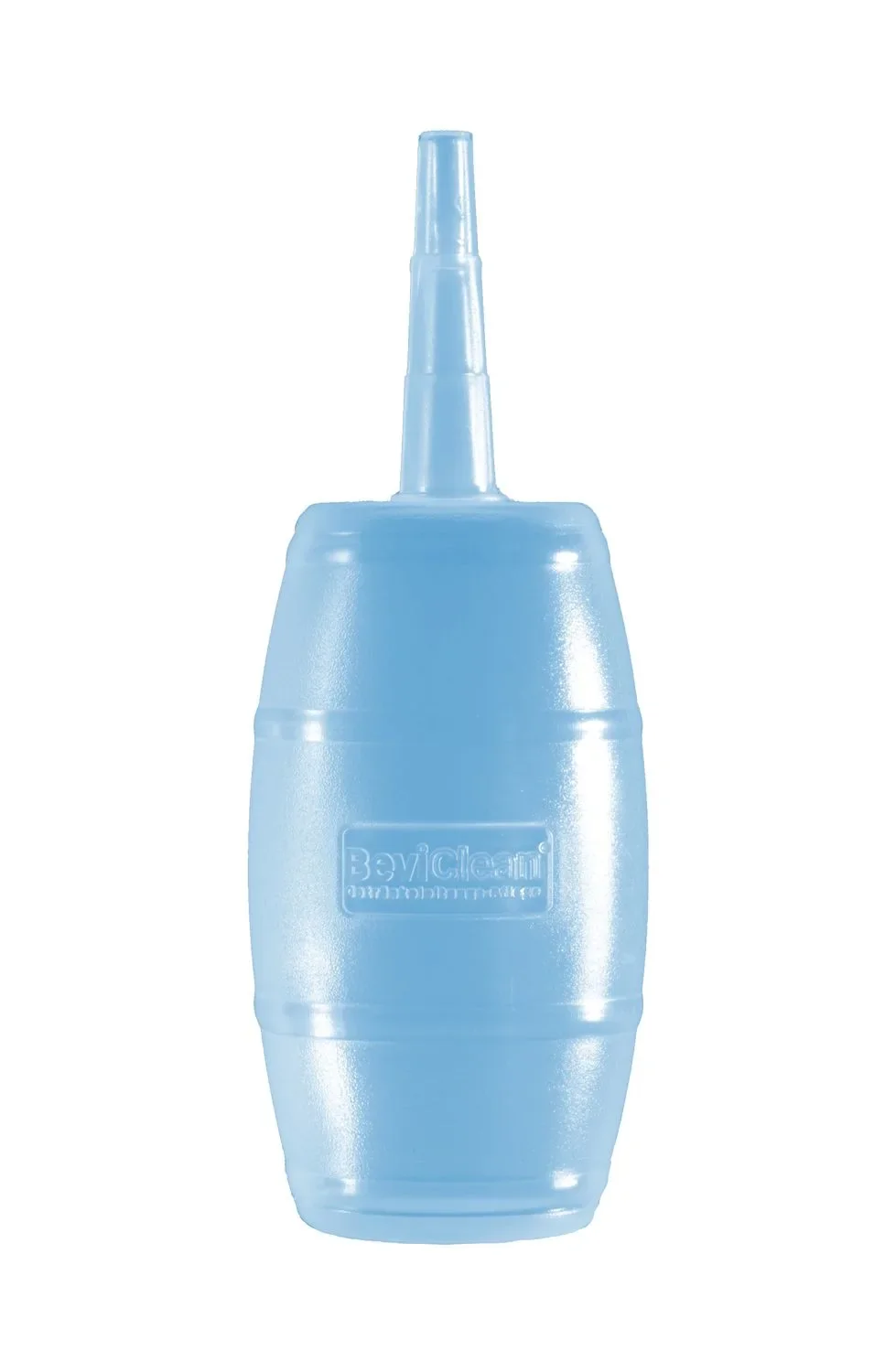
Use chemical products only for minor blockages, never after an unsuccessful attempt with a plunger. The caustic mixture could then remain in the pipe. For regular cleaning of other outlets, such as a beer tap, gentler methods are suitable, for example with the .
Why does my toilet keep getting blocked?
Recurring blockages indicate a systematic problem. Possible causes include incorrect use as well as technical defects. A weak flush does not carry deposits away. Incorrectly adjusted water pressure or a faulty cistern may be responsible.
“Many chronic blockages start in areas you cannot see. A partially crushed pipe or an incorrect gradient in the house drainage system leads to permanent deposits.”
Also review your habits. What ends up in your toilet bowl? The answer points directly to the most effective way to prevent blockages.
Prevent blockages effectively: the golden rules
The best repair is the one you never need. Simple habits and a little maintenance can prevent most blockages. Incorporate these toilet cleaning tips into your routine.
Flush correctly and clean regularly
Flush with enough water. With older models, hold the button down for longer. Clean the toilet regularly to prevent deposits forming on the pipe walls. Do not use sharp-edged tools, as they can scratch the surface.
Additional advice
Once a month, slowly pour a bucket of hot (not boiling) water into the toilet. This flushes light grease and soap residues out of the trap and helps prevent odours.
What should not go down the toilet?
This list is essential for free-flowing drains. All the items listed belong in the bin, never in the toilet:
- Wet wipes and kitchen towels: They do not break down like toilet paper.
- Hygiene products: tampons, sanitary pads and panty liners.
- Condoms and cotton buds.
- Food scraps, fats and oils.
- Hair, cat litter and soil.
Pet owners looking for a hygienic solution can use enclosed systems such as a cat litter tray. These prevent litter from entering the house plumbing.
When should I call a professional?
Not every problem is a DIY project. Know your limits when it comes to DIY home repairs. Call a plumber in these situations:
- All DIY methods fail.
- Water rises in other drains, such as the shower or sink.
- You suspect a blockage in the main pipe or downpipe.
- The toilet is loose or leaking at the floor.
- Blockages keep returning despite correct use.
A professional has cameras and high-pressure cleaning equipment. They can locate the problem throughout the system and fix it permanently.
Hygiene and cleaning after clearing the blockage
Thorough hygiene is essential after successfully clearing a blockage. Disinfect all tools used, including the plunger. Clean the toilet bowl and the surrounding area with a suitable cleaner. Remember to clean door handles and light switches too.
Special devices can also be helpful for maintaining a hygienic home around the bathroom and kitchen. An can help reduce annoying insects attracted to drains or organic residue.
With the right knowledge, suitable tools and preventive measures, you can usually deal with a blocked toilet yourself. You save money and time. Remember: the smartest repair is prevention. Pay attention to what goes down the toilet in your home, and maintain your drains regularly.
Frequently asked questions
- What should I do if the plunger does not work?
- If the plunger fails, use a drain snake. Carefully feed the snake into the drain and turn it as you push it forward. If you meet resistance, keep turning to break up or hook the blockage. Slowly pull the snake back out. Wear gloves while doing this.
- Can I pour drain cleaner down the toilet?
- Caution is advised. Harsh chemical drain cleaners can damage porous pipes and seals. They are often ineffective against solid objects such as toys. They may help with minor blockages caused by organic deposits. Always follow the manufacturer's instructions and ventilate the room well.
- How can I effectively prevent toilet blockages?
- Only flush toilet paper and human waste. Wet wipes, hygiene products, hair and food scraps belong in the rubbish bin. Flush regularly with plenty of water. A monthly flush with hot water and a little washing-up liquid can dissolve light grease deposits.
- When do I need to call a plumber?
- Call a professional if all DIY methods fail, water rises in other drains or you suspect a blockage in the main household drain system. Recurring blockages with no obvious cause also require expert knowledge to identify underlying pipe damage.
- Can baking soda and vinegar clean the toilet?
- The mixture of baking soda and vinegar is suitable for gently cleaning deposits in the toilet bowl and trap. It removes light dirt and neutralises odours. However, this method is not powerful enough for a genuine blockage caused by solid objects.
You may also be interested in
- Blocked drain? Effective home remedies and professional tips
- Does your drain smell? Find the causes and remove odours effectively
- Cleaning the toilet: Eco-friendly home remedies
- Bathroom and sanitaryware: Planning, renovation and maintenance
- Toilet test and comparison 2026
- Roots in the pipe? Clear signs and quick solutions