
In brief: The terms blueberry and bilberry essentially refer to the same plant. In retail, "bilberry" often means the wild-growing bilberry with blue flesh. "Highbush blueberries" are cultivated varieties with lighter flesh, larger berries and higher yields. For growing in the garden, almost exclusively cultivated varieties are suitable because they have specific soil requirements.
Blueberry or bilberry? The difference
In everyday speech, we often use the terms interchangeably. However, there is a subtle botanical difference.
The wild bilberry (Vaccinium myrtillus) is the classic wild blueberry. Its flesh and juice are intensely blue. They stain your hands and tongue. This species grows in light woodland on acidic soils.
The highbush blueberry (Vaccinium corymbosum) originates from North American cultivated varieties. Its flesh is pale, often greenish-white. It does not stain. The berries are larger, the bushes taller and the yields considerably higher.
For your garden, cultivated highbush blueberries are therefore almost always the right choice. They are demanding, but the effort is worthwhile.
Why is growing highbush blueberries worthwhile?
You get fresh berries straight from the bush. They are often more flavorful than store-bought fruit, which is often picked too early for transport.
Blueberry bushes are attractive garden plants. In spring, they produce delicate white flowers; in summer, bright berries; and in autumn, fiery red foliage.
With the right choice of varieties, you can harvest from July through September. This significantly extends the harvest season.
The great advantage of cultivated blueberries is their vigorous growth and high yield. With good care, a single plant can produce several kg of fruit – a wild bilberry cannot match that.
Which varieties are suitable for the garden?
There is a wide choice. Each variety has its strengths. Choose according to ripening time, flavor and growth habit.
Early varieties such as
(highbush blueberry 'Patriot') get the season started. 'Patriot' is robust, frost-hardy and produces reliable yields even in cooler areas.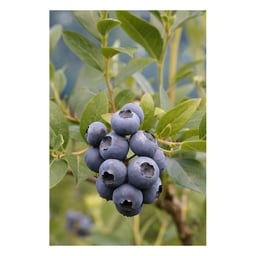
Mid-season varieties are the heart of the harvest. This is where
(highbush blueberry 'Bluecrop') shines. It is the most widely grown variety worldwide, highly reliable, drought-tolerant and produces large, firm berries.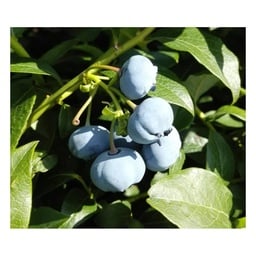
Late varieties extend the berry season.
(highbush blueberry 'Chandler') produces the largest berries of all the varieties. The harvest starts late and continues for several weeks.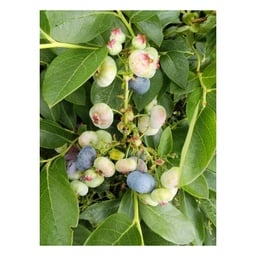
Expert tip
Always plant at least two different varieties. Cross-pollination noticeably increases the yield and fruit size. Combine an early variety with a mid-season or late variety for a long harvest season.
How do I find the right variety for me?
Compact varieties such as 'Top Hat' are suitable for small gardens or containers. For maximum yields in a bed, vigorous varieties such as 'Bluecrop' are ideal.
Pay attention to the stated winter hardiness. Most of the varieties mentioned are hardy down to -25°C. In very harsh locations, 'Patriot' or 'Northland' are particularly reliable.
Flavor varies. 'Duke' tastes sweet and aromatic, while 'Chandler' is very sweet with mild acidity. Try different varieties when you get the opportunity.
How do you grow blueberries successfully?
The most common reason for failure is the wrong soil. Highbush blueberries require acidic soil with a pH value between 4,0 and 5,0.
The ideal location and soil
Choose a spot in full sun. Only in the sun will the berries become sweet. The soil must be loose, rich in humus and well drained. Waterlogging leads to root rot.
In most German gardens, the soil contains too much lime. You therefore need to prepare it carefully.
Important note
Never plant blueberries in ordinary garden soil or compost. The lime they contain raises the pH value, and the plants become stunted due to iron deficiency (chlorotic, yellow leaves). You must use a special acidic substrate.
Planting in a bed or container
Dig a generous planting hole for each plant, approximately 50x50x50 cm. Fill it with special rhododendron or blueberry soil. It is pre-fertilized and has the correct pH value.
Place the root ball at the same depth as it was in the container. Firm the soil down gently and water thoroughly with rainwater.
A mulch layer made from shredded conifer bark or spruce branches retains moisture, suppresses weeds and keeps the soil acidic. You can find the necessary tools in our Garden Tools category.
Planting in pure peat substrate is outdated and ecologically questionable. Modern soils based on bark humus, wood fibers and coconut coir offer a sustainable alternative with the same benefits for plants.
For growing in a container, choose a large pot (min. 30 liters). Use only acidic container plant soil and ensure good drainage. Regular watering is essential in containers. You can find watering cans and accessories under Garden Watering.
Year-Round Care: Pruning & Fertilising
Blueberries are perennial plants and need the right care in every season.
Fertilising correctly for a bountiful harvest
Fertilise in spring (April/May) with a special berry fertiliser or rhododendron fertiliser. These fertilisers are acidifying and contain all the necessary nutrients.
Apply a second, light dose after flowering. Do not fertilise after August so that the shoots can mature before winter. Suitable products are available in our Plant Fertiliser & Flower Fertiliser category.
Additional advice
Use rainwater for watering whenever possible. Tap water often contains too much lime and gradually raises the pH value around the roots. A water butt is the best investment here.
Pruning young and established bushes correctly
Blueberries do not need pruning during their first three years. Only remove frosted or diseased shoots.
From the fourth year onwards, prune regularly in late winter. Remove two to three of the oldest main shoots close to ground level. This encourages young, fruit-bearing shoots.
Remove side shoots that are too close together or weak. An open structure helps prevent fungal diseases. Leave around 6-8 strong main shoots in place.
Harvesting, Storing and Using Blueberries
Harvest the berries when they are completely coloured and come away easily from the fruit stalk. Pick carefully to avoid damaging the delicate waxy coating.
Fresh blueberries keep for several days in the refrigerator. They are also excellent for freezing. To do this, pre-freeze the dry berries individually on a tray, then store them in portions in bags.
As well as eating them fresh, they are ideal for cakes, jam, smoothies or as a topping for muesli and desserts. Dried, they make a healthy ingredient in trail mix.
Enjoying your harvest for longer
Harvest every few days. This way, you always pick the ripest berries and encourage the others to ripen.
Use shallow containers for collecting the berries to prevent bruising. Wash the berries immediately before eating.
Common Problems and Solutions
Yellow leaves with green veins (chlorosis) are the classic sign of iron deficiency caused by a pH value that is too high. Lower the pH by watering with rainwater and applying a mulch of conifer needles. Use a special fertiliser containing iron.
Birds love blueberries. Protect your harvest early with netting. Suitable protective nets can be found in the Tarpaulins + Nets category.
Root rot can occur in locations that are too wet. Ensure good drainage. Prevent fungal diseases such as botrytis with open pruning and by removing rotten fruit. If necessary, you can find Plant Protection products in our shop.
With the right choice of variety, careful planting in acidic soil and regular care, your garden blueberries will provide abundant harvests for many years. They are a worthwhile investment for any edible garden.
Frequently Asked Questions
- Can I plant wild bilberries from the forest in my garden?
- This is not recommended. Wild bilberries depend on specific forest soils and symbiotic relationships with fungi that are difficult to recreate in a garden. They grow very slowly and produce little fruit. Instead, choose robust garden blueberry varieties such as 'Bluecrop' or 'Patriot', which have been bred for cultivation.
- What location do garden blueberries need?
- Garden blueberries need a position in full sun. They only produce plenty of flowers and sweet fruit when they receive enough light. The soil must be acidic, rich in humus and well drained. A sheltered position protects the long shoots. Avoid locations with waterlogging or strong root competition from trees.
- Do I need to plant several blueberry bushes for a good harvest?
- Most garden blueberry varieties are self-fertile. A single bush will produce fruit. However, experts recommend planting at least two different varieties for a significantly higher yield and larger berries. Cross-pollination greatly improves fruit production.
- How often do I need to water my blueberries?
- Blueberries have shallow roots and need consistent moisture, especially while the fruit is developing in June and July. Water regularly, but avoid waterlogging. Lime-free water such as rainwater is ideal. A mulch layer made from bark humus or conifer needles retains moisture and keeps the soil acidic.
- When and how should I prune my blueberry bushes?
- Regular pruning is important from the fourth year onwards. In late winter, remove old, weak shoots close to ground level and thin out the centre. Leave 6-8 strong main shoots in place. This rejuvenation pruning encourages strong new growth and large berries on young shoots.
You may also be interested in
- Planting blueberries: These neighbours are off limits
- Growing raspberries: The complete guide to a bountiful harvest
- Planting blackcurrants: Position, varieties & care tips
- Growing cranberries: Bog berries from your own garden
- Growing and caring for courgettes: Tips for a bountiful harvest
- Blue wonders in the garden: The most beautiful flowers & plants