
In brief: Build the ideal chicken coop by planning the required space, protection and location first. Allow 3-4 square metres of run space and around 0.3 square metres of coop space per hen. A sturdy kit saves time, while building your own allows maximum customisation. A dry, draught-free interior, secure locks to keep predators out and easy-to-clean surfaces are always essential.
Build Your Own Chicken Coop: Tips for the Ideal Chicken Coop Kit
Eggs from your own hens taste more intense. The coop in your garden becomes the centre of lively animal keeping. You can build it yourself or choose a practical kit. Both options provide suitable living space for your poultry. This article shows you the essential steps.
Start with clear planning. How many hens will you keep? Which breed is hardy enough for your climate zone? The answers determine the size and layout. A mobile coop offers flexibility, while a stationary one provides greater stability. Your budget and DIY skills will determine whether you choose a kit or plan everything from scratch.

The basics of keeping chickens appropriately
Chickens need protection, peace and stimulation. Their coop serves three basic functions. It provides a dry, draught-free place to sleep. It offers protected nesting boxes. And it enables safe access to the outdoors. If any one of these functions is neglected, the birds' health and egg production suffer.
The birds need a regular daily routine with scheduled feeding. They scratch and peck for hours. A bare run quickly becomes boring. So provide dust baths, raised perches and hidden food. Well-planned garden equipment will help you do this.
A chicken is not simply a pet; it is a farm animal with specific needs. Its wellbeing depends directly on the quality of its coop.
How do I plan the size and location of my chicken coop?
Measure the garden area available to you. Allow 3 to 4 square metres per chicken in the outdoor run. For the coop itself, the minimum is 0.3 square metres per bird. For four hens, you therefore need around 1.2 square metres of floor space. Add extra room for nesting boxes and the feeding area.
The location should be slightly raised so rainwater can drain away. An east-facing or south-east-facing position brings morning sun into the run. Keep the coop away from patios and neighbouring properties. Consider the noise of early-morning crowing. A partially shaded spot beneath a tree protects the birds from heat in summer.
Expert tip
Draw the floor plan to scale on graph paper. Include every element: sleeping area with perch, nesting boxes, feeding area, door and ramp. This visualisation reveals space problems before you cut the first board.
Choosing materials: wood, wire and roofing
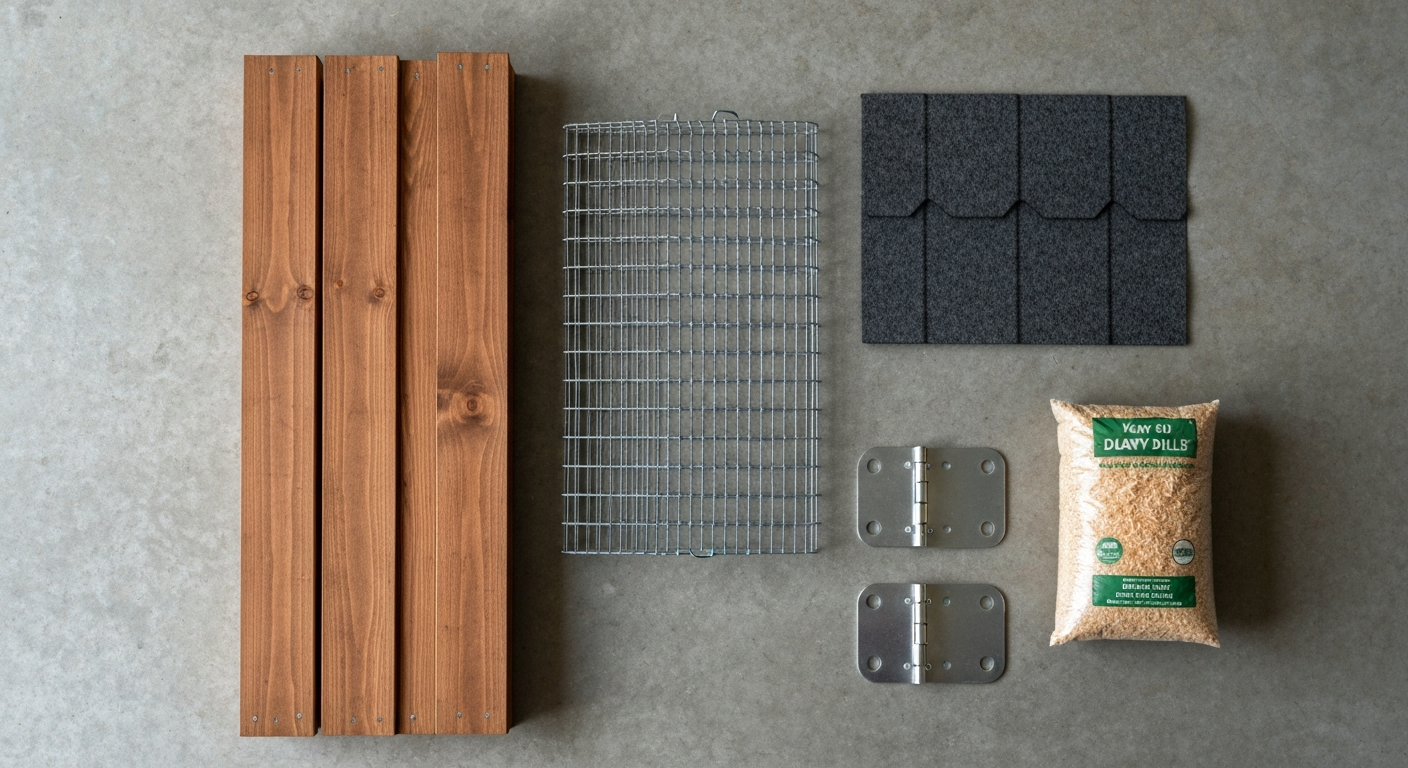
Pressure-treated wood withstands the weather for years. It is the first choice for the frame and exterior cladding. Inside, use smooth, easy-to-clean panels such as plywood. Rough surfaces collect parasites. Bitumen shingles, corrugated plastic or galvanised sheet metal are suitable roofing materials.
The run needs sturdy aviary wire. Standard rabbit mesh cannot withstand a fox. Choose spot-welded wire at least 1 mm thick with a maximum mesh size of 30x30 mm. This also keeps martens and rats out. You will find robust solutions in the tarpaulins and nets range.
Why is protection against predators so important?
Foxes are skilful thieves. They test every weak spot in an enclosure. An insecure coop can mean the death of your birds overnight. Security starts with the foundation. A firmly anchored coop or a wire fence buried deep in the ground prevents predators from digging underneath.
All doors and flaps need sturdy locks. A simple turn latch is not enough. Foxes learn how to open them. Install locking hooks with carabiners or small padlocks. Check every opening systematically in the evening. This quick check saves lives.
Important note
Bury the run's wire at least 30 centimetres deep in the ground. Alternatively, extend the wire 50 centimetres outwards along the ground and weigh it down. This prevents predators from digging into the enclosure from below.
Most losses are not caused by poor construction, but by carelessness when locking up each day. Make the "Good-Night Check" an unbreakable routine.
Interior fittings: perches, nesting boxes and bedding
Install perches higher than the nesting boxes. Chickens prefer to sleep off the ground. Use rounded wooden perches about 4-5 cm thick. Allow 20 cm of perch space per hen. Do not position the perches above one another, to prevent droppings from falling onto birds below.
Nesting boxes need peace and darkness. A separated area with a curtain is sufficient. Allow one nest for every three to four hens. Fill it with soft straw or wood shavings. Bedding in the coop absorbs moisture. Straw, wood shavings or hemp bedding are suitable. Replace it regularly.
Kit or DIY build: which option is right for me?
A kit such as the
provides prefabricated, precisely fitting parts. You save time on planning and cutting. The instructions guide you step by step. Many kits are mobile or particularly winter-proof. However, you pay for the preparatory work and have less freedom to customise the design.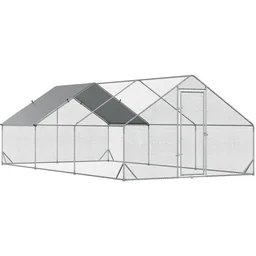
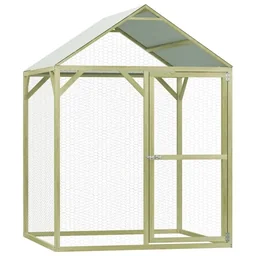
Building your own coop allows maximum flexibility for your garden. You can adapt it to uneven ground or specific space requirements. Material costs are often lower. However, you need tools such as a circular saw, cordless screwdriver and angle finder. You are also fully responsible for the structure and stability. Products such as the
or show what well-designed chicken coop kits look like.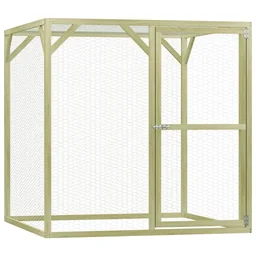
Additional advice
Combine both approaches. Buy a sturdy coop kit as the core structure. Then extend it with a covered run that you build yourself. This gives you the benefits of a ready-made solution and the flexibility of a custom design.
Steps for a successful DIY build
Start with a stable foundation. Concrete blocks or concrete footings prevent ground rot. Build the floor frame from pressure-treated timber. Securely screw the corner joints together. Then construct the side walls and fix them to the floor.
Install the roof. A slight slope of at least 10 degrees allows rainwater to drain safely. Then fit the interior furnishings. Attach the exterior cladding last. This order makes working inside easier. Remember to choose rust-resistant metal parts such as hinges and screws.
How do I keep my chicken coop clean and healthy?
Cleaning is the key to keeping your chickens healthy. Every week, remove old bedding from the nesting boxes and droppings area. Most of the manure collects beneath the perches. A removable droppings board makes this job much easier. Once a month, carry out a thorough clean with hot water.
If necessary, disinfect the coop with suitable products from business supplies. Ventilate it thoroughly before the chickens move back in. Check regularly for parasites such as red mites. They hide in cracks and crevices. Applying boiled linseed oil makes the coop less hospitable to them.
The right coop makes keeping chickens a pleasure. You invest in planning, sturdy materials and safety. In return, your chickens reward you with good health and fresh eggs. Whether you choose a kit or build it yourself, your chicken house will provide a robust home for years to come.
Frequently Asked Questions
- How much space do chickens need in the coop and run?
- Each hen needs at least 0.3 square metres of floor space and 20 cm of perch space inside the coop. The protected outdoor run should provide 3-4 square metres per bird. More space reduces stress and feather pecking. Plan the run with sturdy wire mesh to protect against foxes.
- Which type of wood is suitable for a weatherproof chicken coop?
- Use pressure-treated wood such as pine or spruce for durable frames and walls. For the interior, especially around the droppings boards, smooth, easy-to-clean surfaces made from plywood or screen-printing panels are ideal. Avoid treated wood in areas where chickens peck directly.
- Does a chicken coop need to be winter-proof?
- Yes, winter-proofing is essential. The coop must be draught-free while still providing good ventilation in the upper area to remove moist air. Insulation prevents condensation. A covered run with weather-protected bedding such as straw or wood shavings gives the chickens room to roam even in wet weather.
- How much does a chicken coop kit cost compared with building one yourself?
- A sturdy kit starts at around 300 euros, while large or winter-proof models such as PRODUCT_111572 cost more. Building your own is often cheaper, but it requires tools, time and knowledge of materials. Costs depend largely on the wood, roofing felt, wire mesh and fittings. Allow 150-500 euros depending on the size.
- How can I protect my chickens from martens and foxes?
- Secure all openings with sturdy aviary wire (minimum thickness 1 mm, maximum mesh size 30x30 mm). Locks such as bolts or padlocks are better than simple turn handles. Bury the run's wire mesh 30 cm deep in the ground or extend it 50 cm outwards to prevent animals from digging underneath.
You may also be interested in
- Keeping chickens in your garden: A beginner's guide
- Build your own cat house: A DIY guide for cat lovers
- Planning and building a garden shed: Your step-by-step guide
- Buying a garden shed: Top tips for making the right choice
- Build your own tomato greenhouse: Protect your harvest effectively
- Build a summerhouse: Create your own step-by-step retreat