
In brief: Build a child-safe garden fence by combining safety with creativity. Choose sturdy materials with smooth surfaces and avoid sharp edges. Make the fence colourful and interactive, for example with painted panels, integrated boards or climbing supports for children. This turns the garden boundary into a play area at the same time.
Build a Child-Safe Garden Fence: Colourful DIY Ideas
A garden fence does more than define the boundary of your property. For families, it creates a safe enclosure for the play area and can also become a creative feature in the garden. With the right ideas, you can build a fence that protects, inspires and brings joy.
Why does a child-safe garden fence need special planning?
Children explore their world with curiosity and little awareness of risk. A standard fence often does not meet their needs. Your plan needs to combine two goals: safety and an engaging environment. The fence should keep children safe without making them feel enclosed.
Consider potential hazards such as sharp corners, pinch points or footholds for climbing. At the same time, the fence’s large surface offers unique potential for play and learning. It can become a canvas, a chalkboard or a frame for nature.
Important note
Before building, check local regulations on property line setbacks and building requirements. Local zoning rules or neighborhood regulations may govern the permitted height and appearance of a garden fence. Check first to avoid disputes later.
How do you choose the right material for a DIY child-friendly fence?
Your choice of material affects durability, safety and design options. Each material has advantages for a child-friendly project.
Wood: A classic, creative material
Wood is the most popular material for a DIY fence. It is easy to work with, takes paint well and has a naturally warm appearance. Pressure-treated lumber or durable species such as larch and Douglas fir are suitable for children.
Sand all surfaces and edges carefully until they are smooth. Avoid softwood that is prone to splintering. Space the panels so a child’s head cannot get trapped. A gap of less than 10 cm is safe.
Metal mesh: Stability with creative freedom
A sturdy garden and outdoor mesh such as
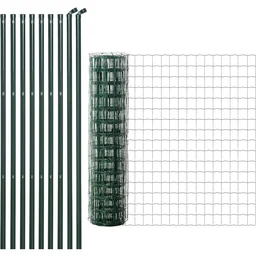
You can use the mesh as a sturdy framework, then attach brightly painted wooden panels, weatherproof plastic panels or special privacy screens to the inside. This combines strength with a friendly appearance.
“A fence for children should be more than a boundary; it should also frame their world. When designed well, it can offer new perspectives and a sense of security.”
Plastic and composite materials: Low-maintenance and colourful
Modern wood-plastic composites (WPC) and high-quality plastic profiles are virtually maintenance-free. They do not splinter, have rounded edges and come in many colours. Choose a high-quality, UV-resistant material so the colour does not fade quickly.
One drawback is that there are fewer ways to change the design after installation than with wood. So consider your colour choice carefully from the outset.
Which colourful design ideas can turn the fence into a playmate?
Colour and interactive features can transform a fence from a barrier into a garden experience. Here are some specific ideas for your DIY project.
Painted panels: A rainbow in the garden
Say goodbye to plain fences. Paint each fence panel a different, vibrant colour. Use special garden paint designed for outdoor use. Choose a simple colour pattern or paint a large mural across several fence sections.
Think of designs children will love: a colourful line of caterpillars, an underwater world with fish or simply bright spots of colour. Let your children help choose the design.
Pro tip
Always prime wooden panels before painting. Use a special adhesion primer for plastic if you are using composite material. Apply at least two coats of paint for long-lasting protection and vivid colour. Work in dry, mild weather.
Integrated play stations: Learning at the fence
Add play features directly to the fence. A small chalkboard or whiteboard attached to a fence section invites children to draw. A permanently installed, sturdy wooden xylophone or metal chimes bring music to the garden.
You can also create a “window to nature”: a small frame with Plexiglas, installed at a child’s eye level. Behind it, display seasonal finds such as pine cones, colourful leaves or feathers.
The living fence: Climbing plants and flowers
Bring nature to the fence. Plant fast-growing, non-toxic climbing plants such as nasturtiums, morning glories or runner beans in a bed at the base. Children can watch them grow.
For an even simpler option, attach window boxes to the fence posts and fill them with colourful, easy-care summer flowers.
is an easy way to create a colourful display of flowers and bring the fence to life.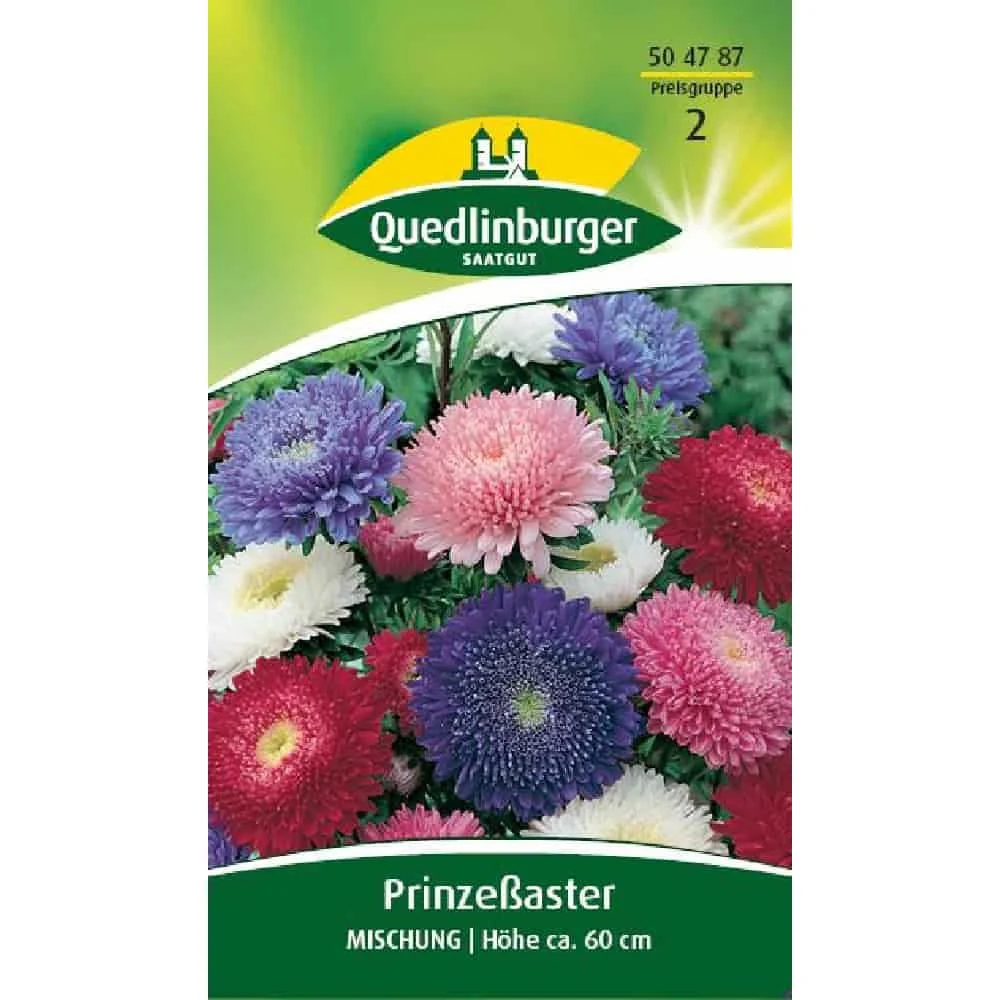
Garden watering systems for these boxes are also especially practical, saving you time and effort.
How do you build a fence that’s safe and sturdy?
Creative design won’t help if the fence wobbles. A solid construction is the foundation.
The posts: Anchor the supports
Sturdy posts are essential. For a wooden fence, use posts at least 10x10 cm thick. Set them about 80 cm deep in a concrete foundation. This helps the fence stand firm against wind and pressure.
For a wire mesh fence like the , use sturdy corner and intermediate posts to tension or fasten the mesh. Make sure all metal parts are galvanized or hot-dip galvanized to prevent rust.
“The most common weak point in DIY fences is the post connections. Always use rust-resistant, galvanized brackets and screws. A fence is only as strong as its weakest connection.”
The infill: Install it securely
Whether you use slats or mesh, attach all the elements from inside the garden. This keeps screw heads and nails away from the side facing the play area. Countersink all screw heads and fill the holes in a wooden fence.
Check the fence regularly for stability. Parts can come loose, especially after winter.
Additional advice
Remember to keep unwanted small visitors out, too. A
, a 10m-long slug fence made from galvanized sheet steel can effectively protect the flower bed along the fence. Place it right next to the fence to keep slugs out of play and vegetable garden areas.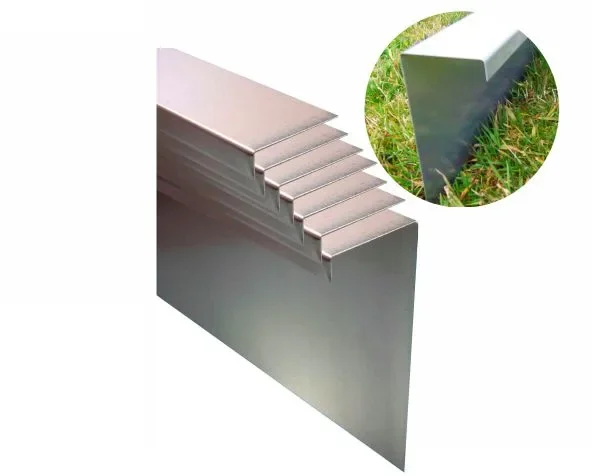
The gate: A safe entrance
Make the gate wide enough to get through with a wheelbarrow or play equipment. Children shouldn’t be able to reach the latch. A bolt set 1.50 metres high or a childproof lock is ideal.
A self-closing spring makes the gate much safer. Make sure the gate stop doesn’t create a pinch point for fingers.
What other ideas can help create the perfect play area?
The fence sets the boundaries. Fill the space inside with ideas that suit your family. Create cozy corners with sturdy furniture, such as pieces from the colorful children’s furniture collection.
A sandbox near the fence, perhaps built into a corner, can become a favorite spot. Add waterproof tarps or netting for shade, like the options in the Tarpaulins + Nets category.
Don’t forget lighting for long summer evenings. Solar string lights along the fence create a magical atmosphere and make the area safer.
Build your garden fence with care and attention to detail. It can be much more than a boundary: a safe haven, a place for creativity, and a part of your family’s childhood memories.
Frequently asked questions
- How tall should a garden fence be to keep toddlers safe?
- A fence at least 1.10 metres high is recommended for toddlers. This makes it much harder to climb over. Avoid horizontal rails that could serve as footholds. Check regularly that children can’t use other objects in the garden to climb up.
- Can I make an existing chain-link fence safer for children?
- Yes. Weave sturdy, colorful plastic strips through the chain-link fence to close the gaps. Alternatively, attach wooden slats or colored screen-printed panels to the inside. Position all fasteners so that no sharp edges or protruding parts face the play area.
- What kind of paint should I use for a weatherproof fence for kids?
- Use paint or wood stain made for outdoor use. Water-based acrylic paint is durable, dries quickly, and has little odor. For wood, pigmented thin-coat stain is a good choice because it penetrates deeply and protects the wood. Choose cheerful colors that brighten even a gray day.
- How can I make a garden fence more interesting?
- Add variety to break up the monotony. Paint every other slat a different color, or add cheerful motifs such as suns, flowers, or animals. You could also add small Plexiglas windows or a chalkboard. Mix fence sections of different heights, or plant climbing flowers such as nasturtiums in the flower beds.
- What should I consider when installing a gate for a play area?
- The gate should close securely and be difficult for children to open. Keep the bolt or lock out of a child’s reach, ideally at a height of 1.50 metres. Make sure the closing mechanism doesn’t create a pinch point for fingers. A self-closing spring adds an important safety feature.
You may also be interested in
- Garden fences and privacy screens: Design, materials, and installation
- Planting along a garden fence: Privacy and design ideas
- How to build a garden fence: Materials, tips, and instructions
- Creative DIY projects for kids at home and in the garden
- Garden fence ideas: Wood, metal, or stone—find the right fence for you
- 5 creative lawn edging ideas: More than just a border