
In brief: Building your own garden shed starts with clear planning. Decide on its size and purpose, check local building regulations and choose the right foundation. Your design can range from a simple tool shed to a cozy retreat. With a detailed materials list and the right garden tools, you can build it step by step.
Build Your Own Garden Shed: Your Garden Retreat
A garden shed of your own creates order and extra space. It transforms your garden into a functional and personal place. Whether you use it as a tool shed, storage shed or small retreat, building your garden shed starts with an idea.
We show you how to go from your first garden shed idea to the finished structure. You will learn the key planning steps and get practical tips for putting your plans into practice.
How do I start planning my garden shed?
Planning is the most important part of your project. Before driving in the first nail, clarify the basic questions. What should the shed be used for? What dimensions are realistic? Where is the best place to put it?
Sketch your idea on paper. Make a note of everything you want to store in the shed. Remember large garden equipment such as lawnmowers, wheelbarrows and tools with long handles.
Pro tip
Mark the planned location with wooden stakes and string. This lets you see the footprint in your actual garden. Walk around the marked rectangle several times and check access from every side.
Choosing the right size and location
A garden shed that is too small will quickly become overcrowded. One that is too large can dominate the garden. Measure your largest items and add enough space to move around them. For a simple tool shed, 2x3 meters is often sufficient.
The location should be level and easy to reach. Consider the path of the sun. A spot in partial shade protects the wood from excessive UV exposure. Leave enough space between the shed, property boundaries and large trees.
Check building regulations and permits
Every local authority has different rules for building garden sheds. Height, floor area and distance from the property line are often decisive. Small sheds with a volume of up to 10 or 20 cubic meters usually do not require a permit.
Important note
Never ignore local building regulations. A violation can result in costly modifications or even demolition. To be on the safe side, contact your local building department before starting or check the local building code online.
Also check with your homeowners' association if you live in a residential community with a garden area. Additional rules may apply.
Which garden shed ideas are right for me?
The function determines the form. Think about whether your shed is mainly for storage or should also provide living space. The design should follow this purpose.
A simple tool shed needs sturdy shelves, wall hooks and a durable floor. A garden room with seating requires more windows, good insulation and perhaps even a power connection.
“A garden shed is a gardener's calling card. It reveals a lot about their sense of order and personal style. Use it to integrate practical elements such as a rain barrel in an attractive way.”
Designing a classic tool shed
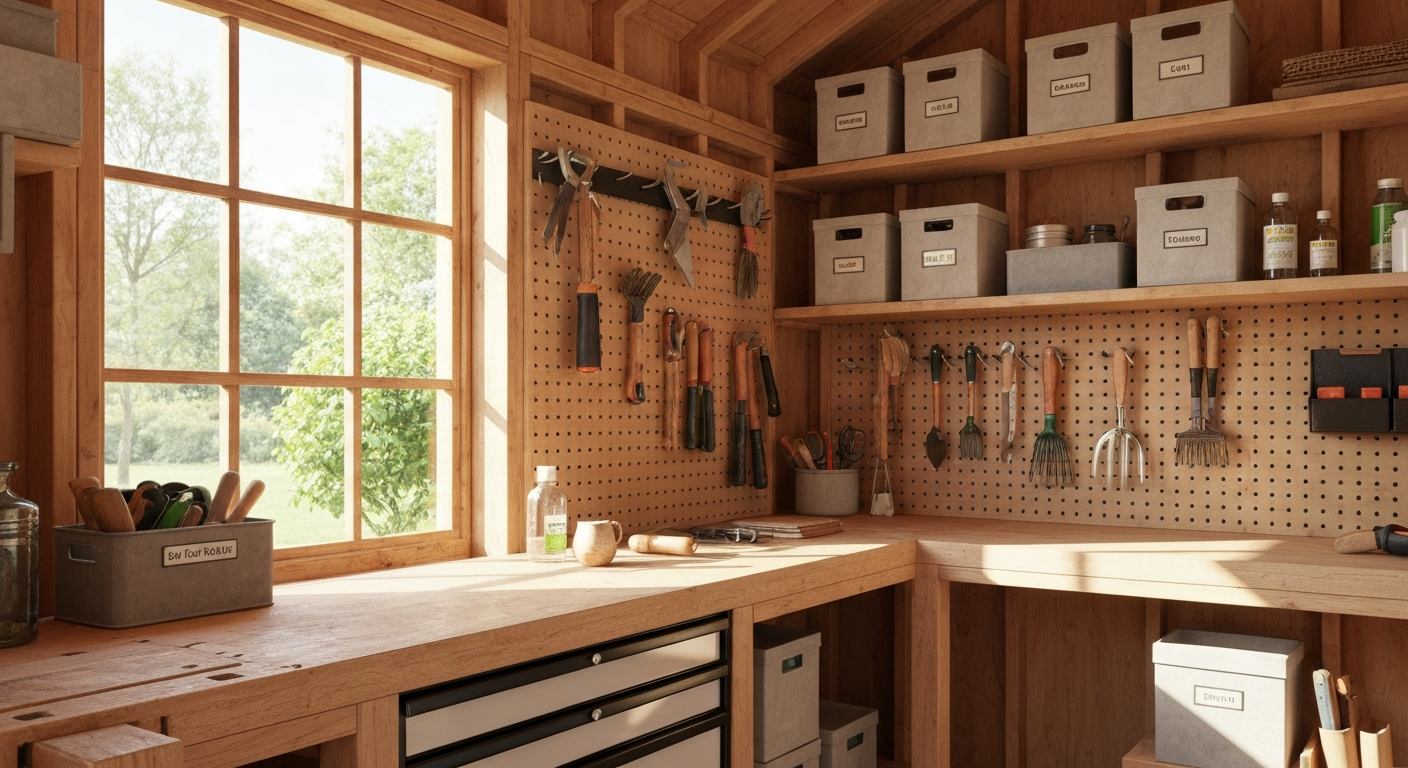
Efficiency comes first. Plan a wide, easy-to-open door for your equipment. Install a workbench beneath a window to make use of natural light. Wall-mounted pegboards or swing arms keep tools within easy reach.
Storage space beneath the ceiling or in narrow tall cabinets makes use of every corner. Think about the right garden tool equipment for how you plan to use the shed.
From storage shed to cozy garden room
With a little more effort, your shed can become a second living room outdoors. Good insulation in the floor, walls and roof makes it suitable for year-round use. Larger windows or even a glass wall bring the garden indoors.
A small stove or electric heater provides warmth on cool evenings. The furnishings should be weather-resistant. Wicker furniture or varnished wood are good choices.
Additional advice
Include a small patio or covered porch in your plans from the outset. This space greatly increases the usable area and creates a perfect transition between the shed and garden. It also protects the door from direct exposure to the weather.
How do I build a sturdy foundation?
A solid foundation is the basis for a long-lasting garden shed. It supports the weight, compensates for uneven ground and protects the wood from soil moisture. The right choice depends on the shed's size, weight and the condition of the ground.
For lightweight wooden or metal sheds, a pier foundation is often sufficient. Set concrete blocks or foundation slabs in a gravel bed. Screw the shed's floor joists onto them.
Building a pier foundation step by step
Dig holes about 40 cm deep at the corners and at regular intervals along the walls. The spacing should not exceed 80-100 cm. Add a 15 cm layer of crushed stone for frost protection and compact it.
Place the concrete foundation blocks and level them precisely with a spirit level. The top of the blocks should later sit just above ground level to prevent splash water.
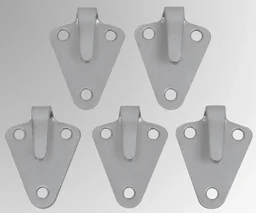
For connecting tarps to a foundation, you can find suitable accessories such as the in our tarps and nets category.
A frost-resistant concrete slab
For heavy log cabin sheds or buildings used year-round, a full concrete slab is the best option. Dig out the area to a depth of about 40 cm, then add a layer of crushed stone and a blinding layer.
Lay PE sheeting on top as a moisture barrier. Then pour a reinforced concrete slab at least 10 cm thick. Make sure it slopes slightly away from the shed so water can drain.
“The foundation is like the root of a tree. Invisible but essential. Invest time and materials here, because every mistake carries through the entire structure and can lead to sticking doors or leaks.”
What materials and tools do I need?
The materials list follows directly from your building plan. For a simple wooden shed, you will need treated timber for the basic frame, sturdy wall and roof cladding, as well as roofing felt or roof shingles.
Don't forget the many small details: stainless steel screws, angle brackets, door hinges, a lock and suitable paints or stains. Good garden equipment also includes the right tools for the build.
Basic equipment for construction
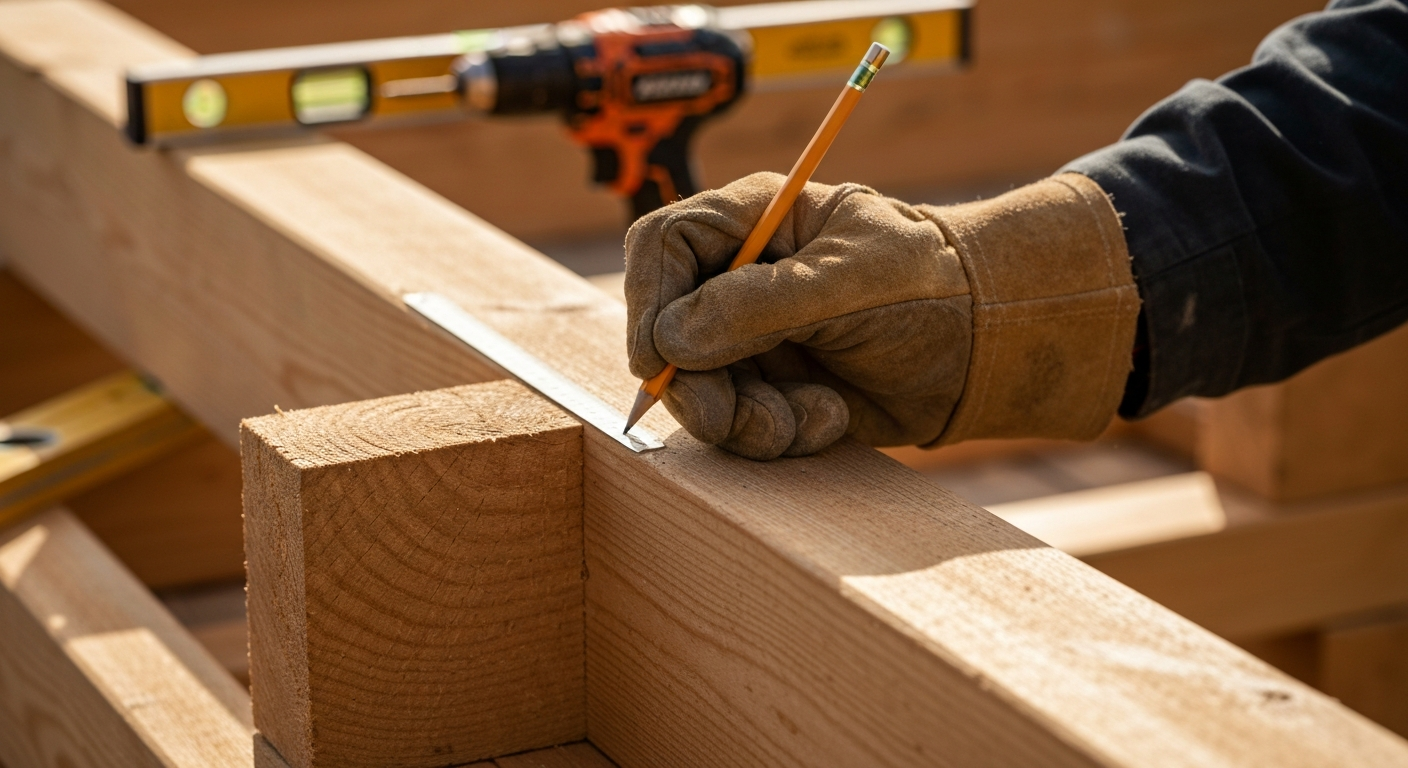
You will need a cordless drill/driver, a jigsaw or circular saw, a hammer and a spirit level. A folding rule, a set square and a heavy masonry hammer for the foundation complete the set. Protective clothing such as gloves and safety goggles is essential.
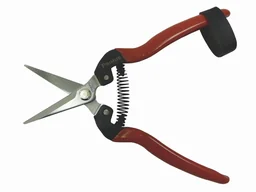
For precise cuts in wood and even soft metal, the is a versatile helper.
Choosing and pre-treating wood
Structural timber for the frame should be pressure-treated (KDI designation). This protects it against fungal and insect infestation. Durable larch or Douglas fir is suitable for the visible cladding and should be treated with a wood stain.
Store the wood in a dry, sheltered place before construction. After cutting pressure-treated wood, treat all cut surfaces with a specialised wood preservative.
How do I protect my garden shed from the weather?
Protection starts at the top. A sufficiently steep roof (at least a 15-degree pitch) with a wide overhang reliably directs rainwater away. A double layer of roofing felt or modern roof shingles is standard.
The walls need to be coated with a weather-resistant stain or paint. Make sure that the lower edges and backs of the boards are also treated completely.
The right finish for long-lasting protection
Apply the stain or paint to dry, clean wood. Two thin coats are better than one thick coat. Always work in the direction of the wood grain. The end grain of the boards in particular absorbs a lot of moisture and needs extra attention.
Repeat the coating every few years, depending on exposure and the product used. A quick check in spring will show whether it is time for a refresh.
Protection from moisture underneath
An airtight membrane between the foundation and floor joists is essential. It prevents capillary moisture from being drawn into the wood. Leave a little overhang at the sides and trim it off later.
A
is suitable for covering stored materials or providing temporary protection during construction.
Also remember to protect your other garden investments. Suitable garden furniture covers will keep your seating set in good condition.
Interior design and organisation
A well-organised shed saves time and frustration. Plan storage space from the outset. Store heavy items such as bags of fertiliser or lawn lime close to the floor.
Lightweight and frequently used items should be kept at eye level. Install a storage system made from sturdy wooden shelves or metal rails. Wall-mounted hook rails provide flexible storage for hoses, small tools and baskets.
Smart ideas for more storage space
Use the inside of the door with an organiser for small tools. Build a narrow shelf above the door for items used less frequently. A mobile storage unit under the workbench can be pulled out when needed.
Clearly label boxes and containers. Transparent storage boxes let you see the contents at a glance. This way, you can find everything quickly, even years later.
The perfect workbench for your garden shed
A sturdy workbench is the centrepiece of a tool shed. It should be stable and have a thick, heavy worktop. A clamp mounted on the side is incredibly useful.
Drawers or an open shelf beneath the worktop provide space for machines and accessories. Position the bench so that daylight falls onto the work surface from the front or side.
Finishing touches and personal details
Once the shed is standing, the most enjoyable part begins. Give your garden shed a personal touch. A house number, nameplate or weather-protected letterbox next to the door will make it feel like your own little home.
Plant climbing clematis or Virginia creeper along the side wall. Place a large planter filled with fragrant herbs or flowers by the entrance. A solar-powered outdoor light provides a warm glow in the evening and improves security.
Your garden shed is complete. You have not only created storage space but also built a little paradise. A place that brings order to the garden and may even give you a quiet retreat. Now the enjoyment begins.
Frequently asked questions
- Do I need planning permission for a garden shed?
- Whether you need planning permission depends on the size, footprint and location of your garden shed. In many areas, there are size limits for height and floor area below which no permission is required. Before you start building, be sure to check the applicable regulations with your local planning authority. A quick phone call or a look at the local zoning plan can save you trouble later.
- What type of foundation is best for a garden shed?
- For lightweight garden sheds, a concrete block foundation or gravel bed is often sufficient. Heavy log cabin sheds require a frost-proof strip foundation or a concrete slab. The key factors are the shed's weight and the ground conditions. A pier foundation is easy to install, while a solid concrete slab offers optimum protection against moisture and pests.
- What material should I use to build my garden shed?
- Solid wood such as spruce or larch is robust and breathable, but it needs regular protective coating. Wood-based panels are affordable and easy to work with, but they do not withstand the weather as well over time. Metal sheds are low-maintenance and highly durable. The right choice depends on your budget, the look you want and how much maintenance you are prepared to do.
- How can I protect my garden shed from damp and mould?
- A sufficiently large roof overhang directs water away from the shed. An airtight membrane beneath the floor structure and a vapour barrier on the walls prevent rising damp. Ensure good ventilation with air vents or small windows. Regularly applying weatherproof wood preservative or stain will help maintain the structure.
- Can I also use a garden shed as a cosy seating area?
- Yes. Plan for plenty of windows to let in natural light and install a sturdy, insulated floor. A small patio in front of the shed or an enlarged, covered entrance area provides extra space. With suitable furniture, good lighting and perhaps even a small heating option, your tool shed can become a garden room for use all year round.
You may also be interested in
- Build Your Own Garden Shed: Your Dream Garden Retreat
- Renovating a Garden Shed: Give Your Garden Retreat a Fresh New Look
- Build Your Own Tool Shed: Step-by-Step Guide
- She-Shed: How to Turn Your Garden Shed into a Personal Retreat
- Painting a Garden Shed: How to Keep It Looking Great
- Building a Fire Pit in the Garden: Your Guide to Cosy Evenings