
In brief: A good garden sieve, such as the adjustable XL 2-in-1 model, is the best choice for gardeners who value versatility. It lets you sieve compost and soil to different levels of fineness, removes stones and weed roots, and creates the ideal soil structure for healthy plants and a plentiful harvest.
Fertile, loose soil is the foundation of every successful garden. Yet soil is often compacted and full of stones or old roots. This is where a simple but highly effective tool comes in: the garden sieve. It is the key to fine-textured seed-starting soil, nutrient-rich compost and healthy beds. This buying guide explains what to look for and why a flexible model is the smartest investment.
There is a wide range of sieves available, but for most garden tasks, a versatile model proves superior. The is exactly this kind of smart solution. With its generous diameter and two interchangeable sieve inserts, it offers maximum flexibility for all your garden tasks. You do not need to buy and store several tools. You always have the right mesh size to hand.
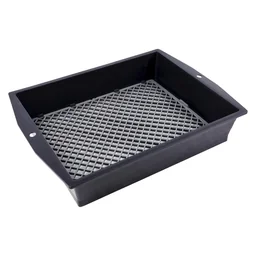
Why is a garden sieve an essential tool?
A garden sieve is far more than just a mesh in a frame. It improves your soil and compost. Using one transforms coarse material into a valuable resource for your plants. The benefits are clearly visible in your plants' growth.
Sieving fundamentally improves soil structure. It removes stones that hinder root growth and filters out old roots and weeds. The result is a loose, well-aerated growing medium in which water and nutrients can reach plant roots effectively. Waterlogging, a common cause of root rot, is effectively prevented.
Mature compost is the gardener's “black gold”. A sieve helps you extract this gold. It separates finished, fine humus from parts that have not fully decomposed, such as branches or eggshells. Simply return these coarse leftovers to the compost heap, where they can continue to break down. The fine compost produced is a perfect natural fertiliser for beds and container plants.
A good garden sieve doubles the value of your compost. You gain high-quality fertiliser while also speeding up the composting process by returning coarse material to the heap.
A sieve is especially important when growing young plants. Seeds need fine, unobstructed soil to germinate. Using a sieve, you can create a perfect top layer of soil in a seedbed or seed tray. Delicate seedlings can push easily through the fine, crumbly soil and develop a strong root system.
How can you identify a good garden sieve? A detailed buying guide
The quality of a garden sieve is reflected in its material, functionality and ease of use. Look for a few key features to find a tool that will serve you well for many years. A well-thought-out design not only makes the work easier but also more efficient.
The material: durability for long-lasting use
Garden sieves are usually made from plastic or metal. Metal sieves are very robust, but they are also heavy and prone to rust if not carefully maintained. Modern sieves made from high-quality, impact-resistant plastic offer clear advantages. They are considerably lighter, making the work less tiring. They are also completely weather-resistant and rust-free. A sturdy plastic frame that can withstand greater pressure is a sign of good quality.
Additional tip
Look for UV resistance in plastic sieves. High-quality models will not become brittle even after years in the sun. This not only saves money but also protects the environment because you can use the tool for longer.
Mesh size: flexibility is key
Mesh size determines the result of your work. A coarse mesh (approx. 10-12 mm) is ideal for sieving compost or removing large stones and roots from garden soil. You need a fine mesh (approx. 4-6 mm) for seed-starting soil or filtering fine sand. Instead of two separate sieves, a 2-in-1 system such as the is the best solution. You can change the insert in just a few steps and be ready for any task.
This versatility saves space in the garden shed and is cost-effective. You have one tool for every requirement, from rough sorting to the finest refinement. This makes such a model the first choice for keen home gardeners.
Size and handling: XL for greater efficiency
The diameter of the sieve directly affects how quickly you can work. An XL garden sieve with a diameter of over 35 cm can hold a large amount of soil or compost at once. You need to refill it less often and finish faster. The shape is also important. A sieve that sits securely on a wheelbarrow makes filling and sieving much easier. Ergonomic handles provide a secure grip, even when wearing gardening gloves.
Important note
Do not overfill the sieve. Even a large XL sieve is easiest to handle when it is only two-thirds full. This leaves enough room for shaking and sifting without material spilling over the edge.
How do you get the most out of a 2-in-1 garden sieve?
The true strength of an adjustable garden sieve becomes clear in practice. With the right technique and the appropriate insert, you can quickly achieve professional results in various areas of your garden.
Sieve compost for “black gold”
Use the coarse sieve insert (approx. 12 mm) and place the sieve on your wheelbarrow. Shovel mature compost into the sieve. Gently rocking and shaking it allows the fine, nutrient-rich humus to fall through. Coarse, uncomposted material remains behind. You can either return this to the compost heap or collect it in a garden waste bag for green waste. The sieved compost is ready to use on your beds straight away.
Refine soil for seedbeds
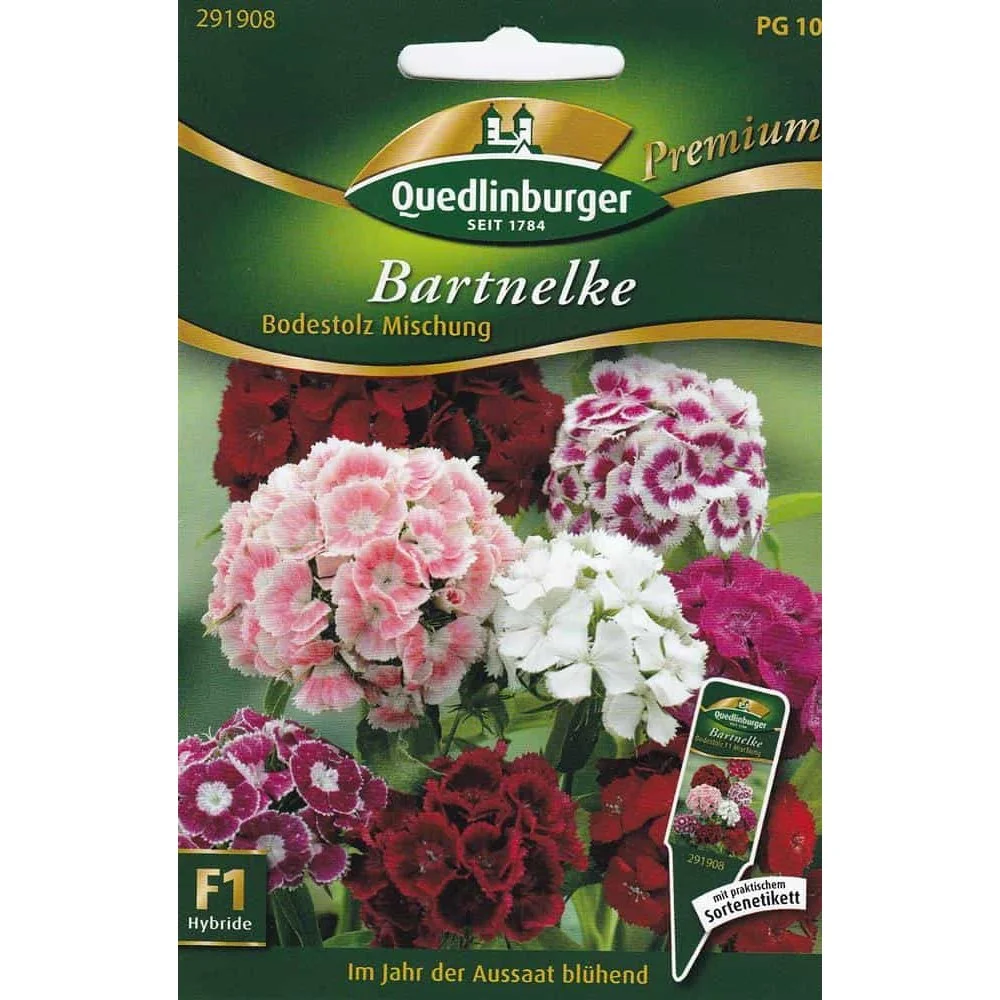
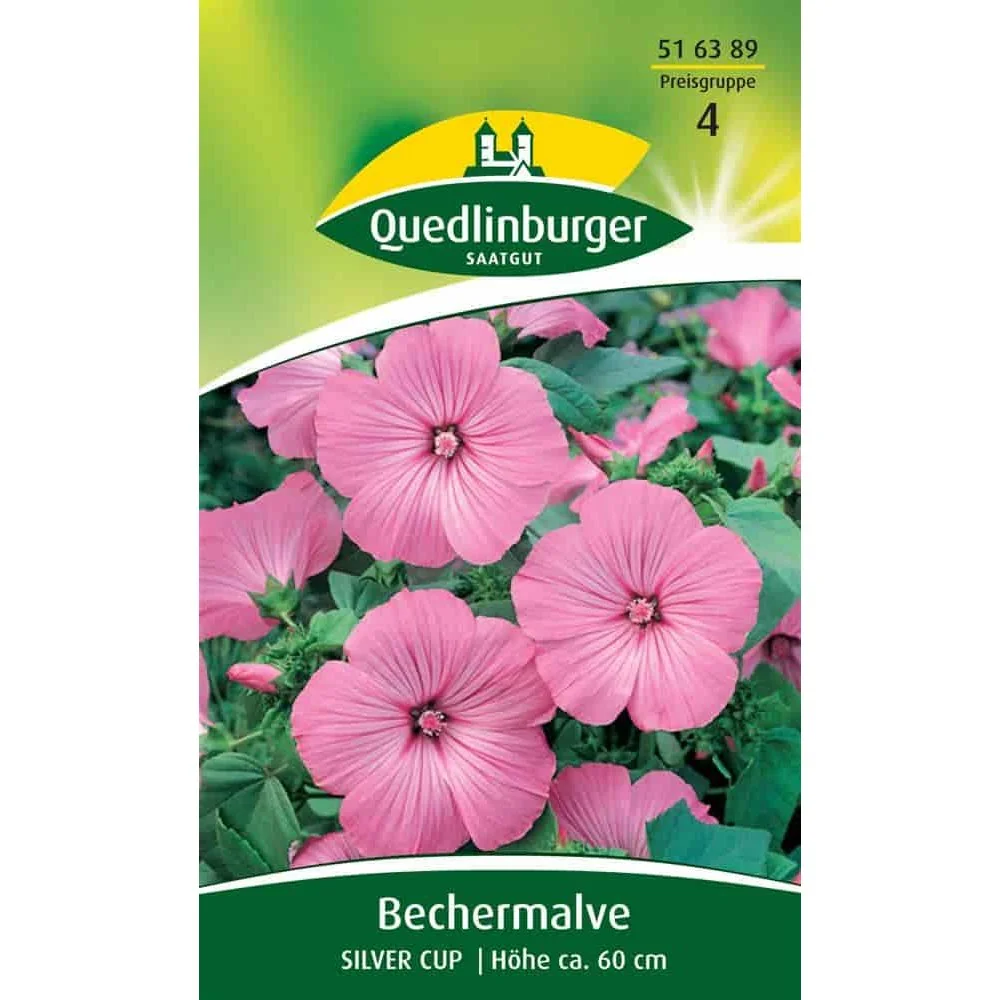
Fine soil is essential for growing seedlings. Switch to the fine sieve insert (approx. 6 mm). Sieve a mixture of garden soil and compost directly onto your prepared seedbed or into your seed trays. This fine layer gives seeds optimum contact with the soil and helps them germinate quickly. Delicate seedlings such as or the beautiful will thank you with vigorous growth.
Top tip
After sieving, mix some sand into your seed-starting soil. This further improves drainage and prevents the fine soil from becoming waterlogged during heavy rain. This gives your vegetables and flowers the perfect start.
Remove stones from lawns or beds
When creating a new bed or repairing a lawn, removing stones is essential. First loosen the soil with a digging fork. Then shovel the soil through the garden sieve with the coarse insert, working in batches. Clean, stone-free soil gives grass seed and new plants the best foundation for establishing themselves.
The XL garden sieve test in practice: experiences from the garden
The theory sounds convincing, but how does an XL 2-in-1 garden sieve perform in everyday use? Experience shows that it is a real problem-solver. Many gardeners report that it makes their work significantly easier. Instead of struggling with heavy, lumpy soil, you can prepare the growing medium quickly and easily.
The benefits are particularly clear when harvesting compost. Tasks that once involved laborious hand-sorting can now be completed by the sieve in a fraction of the time. The result is homogeneous, high-quality compost that can be spread evenly throughout the garden. Plants absorb the nutrients more effectively, leading to visibly stronger growth and a more abundant harvest.
Since I started using the 2-in-1 sieve, my seed-starting soil has been perfect. My carrots finally grow straight, and the germination rate for sensitive seeds has increased significantly. A simple tool with maximum impact.
The benefits are also clear when caring for plants in containers. Over time, soil in pots often becomes compacted. Loosening and sieving the old soil, then mixing in fresh compost, revitalises the growing medium. The plants reward you with new growth and abundant blooms. Investing in a good sieve therefore pays off season after season.
More than just a sieve: systematic garden care
A high-quality garden sieve is an important part of your garden equipment, but it reaches its full potential when used together with other helpful tools. It belongs in the basic range of garden tools, alongside a good shovel, a rake and a sturdy wheelbarrow.
Take a holistic approach when planning your garden. The fine compost produced with the sieve is the best garden and plant accessory you can have. It replaces expensive artificial fertiliser and promotes healthy soil life. Well-planned garden equipment designed for efficiency and durability makes gardening enjoyable rather than a chore.
Ultimately, choosing a versatile tool such as the XL 2-in-1 garden sieve is a choice for a more beautiful and productive garden. You are investing directly in the health of your soil and, consequently, in the success of your gardening efforts. It is a small step with a big impact for every green oasis.
Frequently Asked Questions
- What mesh size do I need for a garden sieve?
- It depends on what you are using it for. A fine mesh size of 4-6 mm is ideal for seed-starting soil, allowing delicate roots to grow well. A coarse mesh size of 10-12 mm is perfect for sifting compost and removing large, undecomposed pieces. A 2-in-1 sieve offers both options.
- Can you also sift sand with a garden sieve?
- Yes, you can. A garden sieve with a fine mesh size can be used to separate sand from larger particles such as small stones or organic material. This is useful for cleaning fine play sand or preparing building sand for special garden mixes.
- What is the best way to clean a garden sieve?
- After use, simply rinse the garden sieve with a garden hose or under running water. Remove stubborn soil residue with a brush. Allow it to air-dry completely to help prevent rust on metal sieves and keep plastic ones in good condition for longer.
- What is the coarse mesh size on a 2-in-1 sieve used for?
- The coarse mesh size is ideal for the initial preparation of compost or garden soil. It quickly separates large stones, branches, root fragments and material that has not yet decomposed. The pre-cleaned soil can then be sifted more finely if needed.
- Is a plastic or metal garden sieve better?
- Both materials have their advantages. Plastic sieves are lightweight, rustproof and often more affordable. Metal sieves are extremely robust and durable, but they can rust and are heavier. For most home gardeners, a high-quality, sturdy plastic sieve such as the XL model is the more practical choice.
You may also be interested in
- The 3-in-1 Yard & Garden Shovel: Make the Most of Every Function
- Efficient Harvesting: The Best Garden Tools & Tips
- Gardening Without Pain: How to Use a 2-in-1 Kneeler Seat Correctly
- Weed Scraper: Remove Weeds Effectively from Paving Joints
- Smart Gardening Hacks: Make Gardening Easy
- Buy Loppers: The Ultimate Comparison for Your Garden