
In brief: Choose scaffold sheeting based on your scaffold dimensions and how long you’ll use it. For standard scaffolding (2m platform height), a sheet width of 2,60m is suitable. The weight, measured in g/m², depends on the weather conditions you expect. At 150 g/m², it’s a durable all-round choice for most projects.
It’s hard to imagine a construction site without weather protection. Scaffold sheeting shields the facade, materials and workers. It keeps out rain, reduces wind and provides privacy. Before you buy scaffold sheeting, consider two key questions: what weight do you need, and what size is right? The answers affect safety, durability and how smoothly your project runs. A great choice for the most common scaffold setups is the Scaffold sheeting 2,60 x 10 m with 150 g/m². It strikes a good balance between durability and ease of handling.
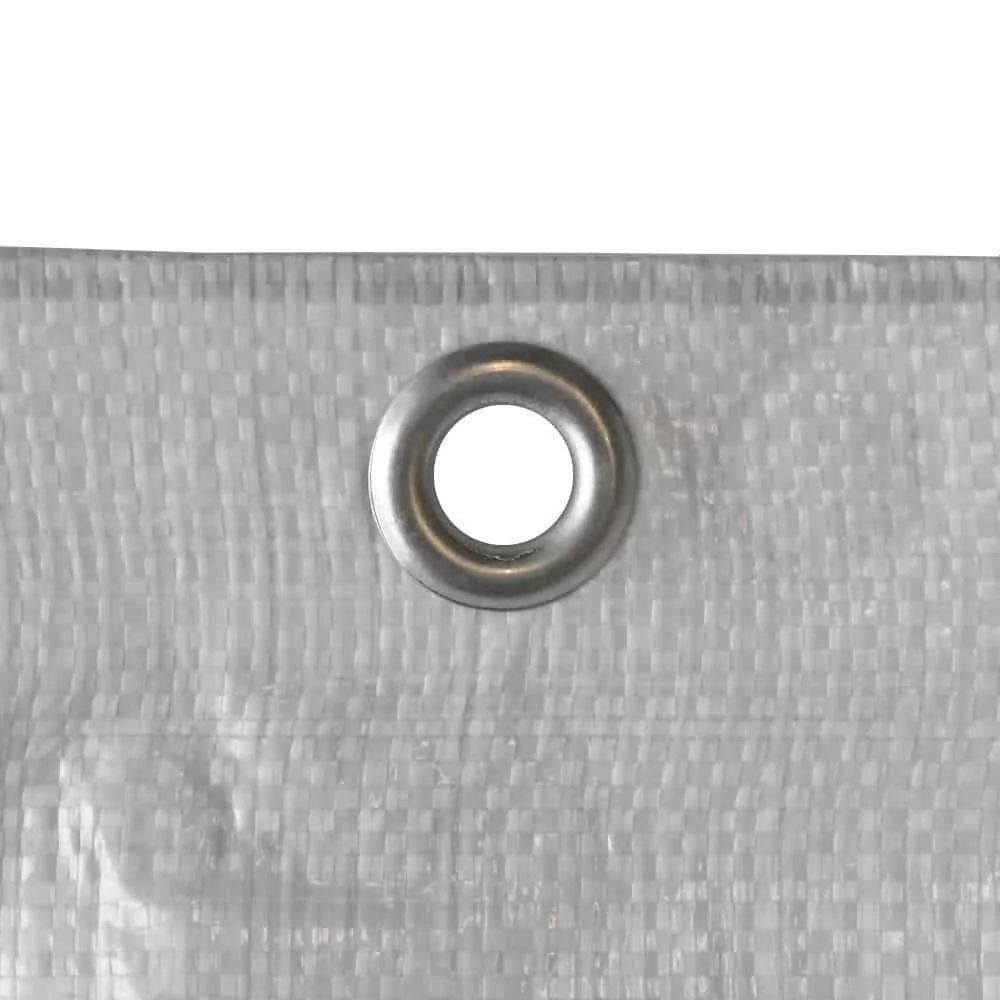
Table of contents
- Why is choosing the right scaffold sheeting so important?
- Scaffold sheeting weight: What does fabric weight (g/m²) mean?
- How do I choose the right scaffold sheeting size?
- How can I spot high-quality construction tarps?
- How to install and secure scaffold sheeting safely
Why is choosing the right scaffold sheeting so important?
Scaffold sheeting does more than provide a simple cover. It serves several important purposes and helps keep a construction site safe and on schedule. The wrong product can tear, allow water damage or even create hazardous conditions.
Protection from the weather
The main purpose of construction sheeting is to protect against the elements. It keeps rain and snow off the facade and helps prevent fresh render or paint from washing away. It also protects the building fabric from drying out too quickly in strong sunlight and reduces wind exposure for the scaffolding and workers.
Safety for workers and passers-by
When stretched tightly, scaffold sheeting provides an effective protective barrier. It helps stop tools, small parts and construction debris from falling off the scaffolding and endangering passers-by or vehicles. This is an essential safety measure, especially in urban areas. It also provides privacy and clearly screens off the work area.
Properly installed scaffold sheeting is an investment in safety and efficiency. It helps reduce weather-related downtime and protects what matters most on a construction site: workers’ health and the building itself.
Work efficiently in any weather
Anyone who has worked on exposed scaffolding in wind and drizzle knows the value of shelter. Scaffold sheeting creates a protected work area where people can focus without constant interruptions from changing weather. That can boost both productivity and morale.
Scaffold sheeting weight: What does fabric weight (g/m²) mean?
When choosing scaffold sheeting, fabric weight—measured in grams per square metre (g/m²)—is one of the best indicators of quality and durability. It describes the material’s density and gives you an idea of the sheet’s tear resistance and expected service life.
Lightweight sheeting (up to 150 g/m²)
Sheets in this category are flexible and easy to handle. They’re ideal for short-term projects, dust or privacy screening, and light to moderate wind conditions. The scaffold sheeting with 150 g/m² is a versatile choice in this category. It’s sturdy enough for most standard jobs, from facade renovations to new builds, without being unnecessarily heavy. For compact scaffolding, a slightly narrower option is the Scaffold sheeting 2,10 x 10 m, which also weighs 150 g/m².
Expert tip
When choosing a weight, consider the wind exposure at your location. For exposed sites or projects that run through fall and winter, a heavier sheet may be a safer choice.
Medium-weight sheeting (180 g/m² - 250 g/m²)
This sheeting offers greater tear resistance. It’s a good choice for construction projects lasting several months or for areas that regularly experience stronger winds. Its sturdier fabric can handle rougher treatment on site and works well for repeated use.
Heavy-duty sheeting (over 250 g/m²)
This is the professional-grade option. Heavy-duty sheets, often made to the standard of truck tarps, are designed for extreme conditions and long-term use. They can withstand storms, resist abrasion and are well suited to overwintering or demanding renovation work such as sandblasting. Their extra weight, however, makes installation more challenging.
How do I determine the right scaffold sheeting dimensions?
Choosing the correct sheeting size is essential for safe, gap-free coverage. Carefully measure the scaffold area to be enclosed and always allow enough extra material for fastening.
Determining the sheeting height
A standard scaffold lift has a height of 2,00 metres. However, the scaffold sheeting needs to be wider so it can be securely fastened to the horizontal scaffold tubes at the top and bottom. A sheeting width of 2,60 m, as used for our main product , is ideal for this purpose. It provides an extra 30 cm on each side. For scaffolding with wider brackets or special overlap requirements, a wider option such as the Scaffold sheeting 3,10 x 10 m is the better choice.
Additional advice
When joining several sheets side by side, allow for an overlap of at least 30 to 50 cm. Fasten both sheets to the scaffolding together in this area to create a windproof and watertight connection.
Calculating the sheeting length
Scaffold bays are usually 2,57 m or 3,07 m long. Measure the total length of the façade to be enclosed. Sheeting is available in standard lengths such as 10 m or 20 m. A 10 m sheet therefore covers around three to four scaffold bays. For long, continuous sections of façade, a longer sheet such as the Scaffold sheeting 2,60x20m is more efficient, as it creates fewer overlaps and therefore fewer potential weak points.
How can I recognise high-quality construction sheeting?
Besides thickness and dimensions, there are other quality features that distinguish good sheeting from inferior products. Pay attention to the details, as they determine the service life and safety of your weather protection.
Material and workmanship
High-quality scaffold sheeting is made from high-density polyethylene (HDPE) woven tape fabric, coated on both sides with low-density polyethylene (LDPE). This combination makes it extremely tear-resistant and completely waterproof. UV stabilisation is another crucial feature. Without this protection, sunlight quickly makes the material brittle and causes it to lose its stability.
Important note
Be careful with cheap offers that do not provide precise material details. Sheeting with weak eyelets that are simply punched into the material, without reinforced edges, can tear out in the first strong gust of wind. Investing in sheeting with neatly finished, reinforced edges always pays off.
Reinforced edges and eyelets
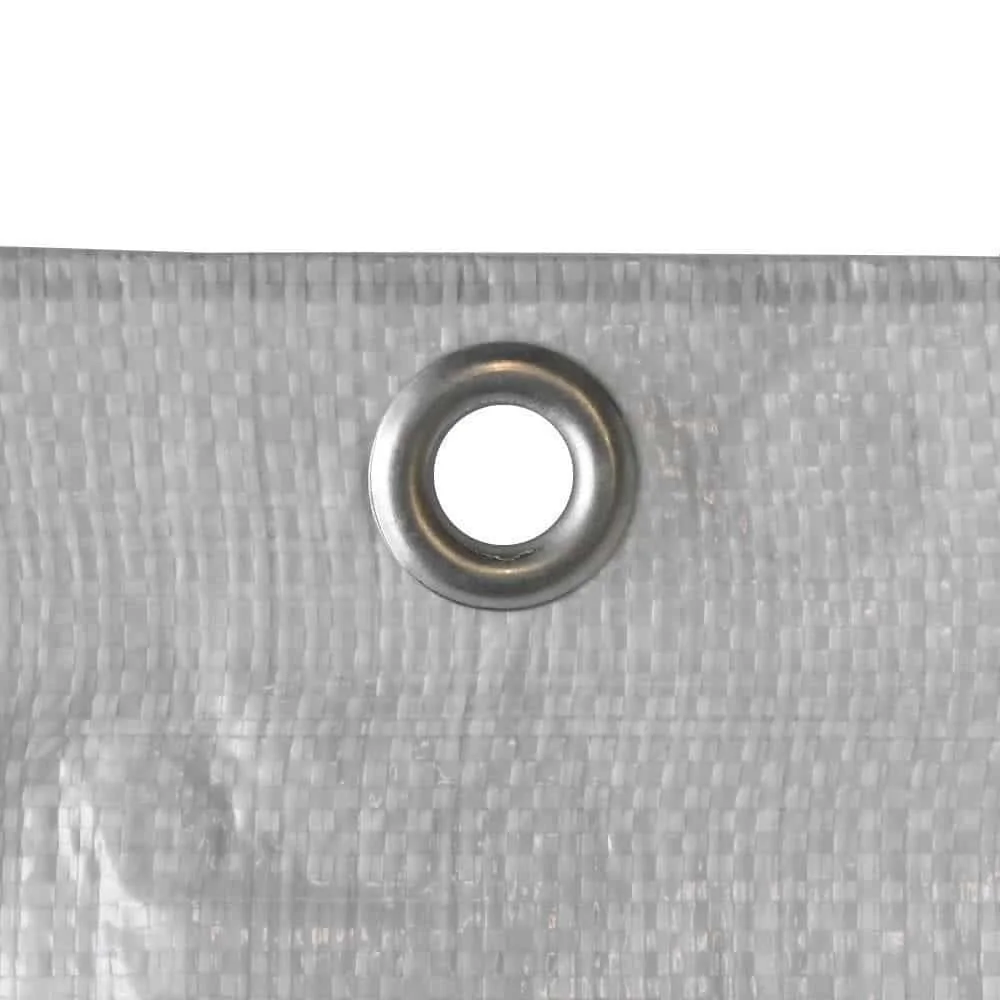
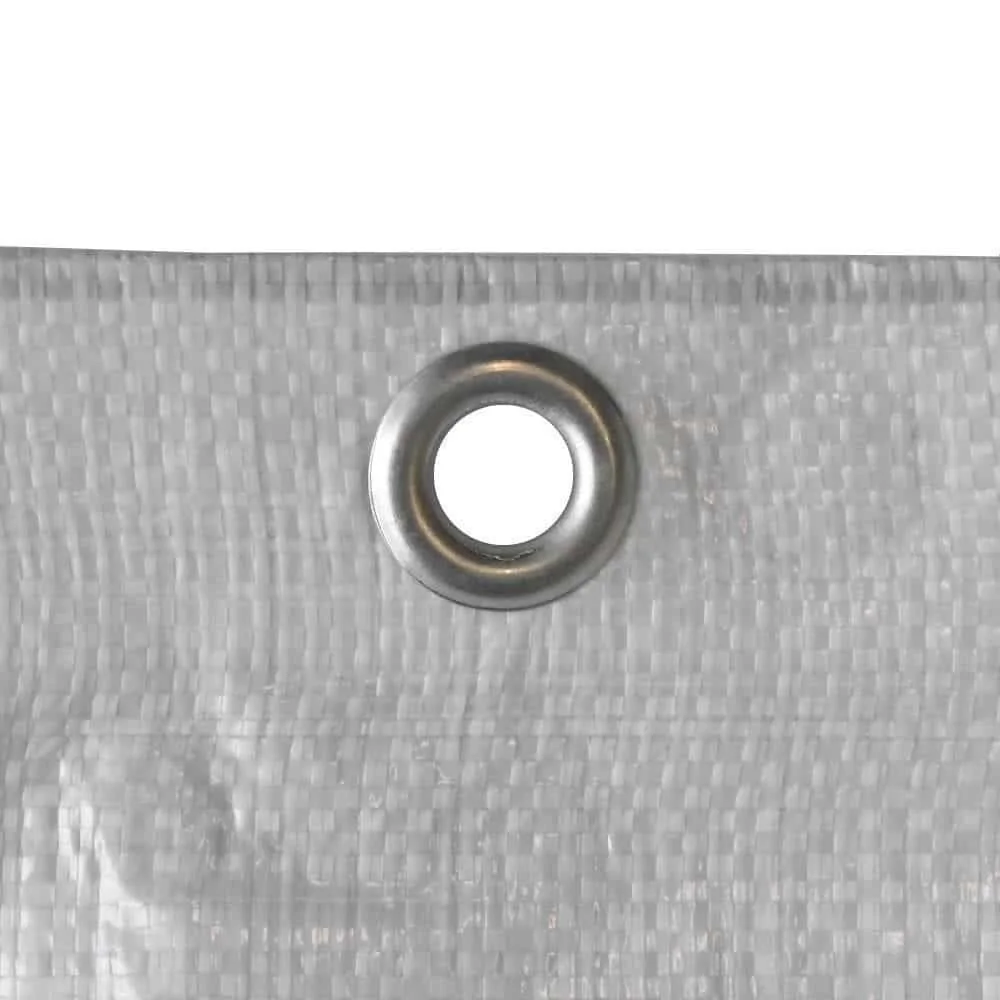
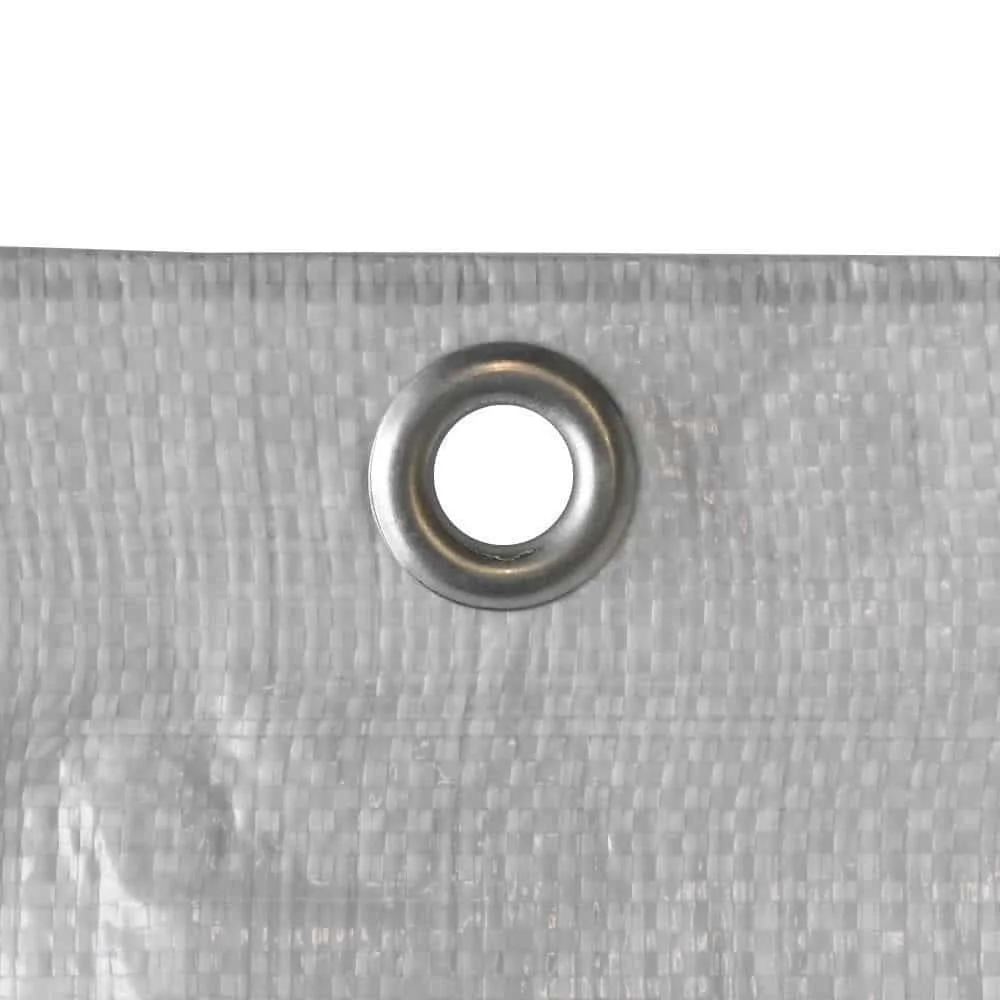
The edge of scaffold sheeting is subjected to the greatest forces. A double-folded and welded or sewn hem is therefore essential. Metal eyelets should be set into this hem at regular intervals, typically 50 cm or 100 cm apart. Aluminium eyelets are rustproof and standard on good-quality sheeting. The closer the eyelets are spaced, the more fastening points you have and the more effectively the wind force is distributed.
You can see the quality of sheeting at the edge. If the hem feels sturdy and the eyelets are firmly anchored, the sheeting will live up to its promises. This is the basis for safe installation.
Correct installation: How to secure your scaffold sheeting safely
Even the best sheeting is ineffective if it is not fastened correctly. Improper installation can cause sheeting to flap, tear quickly and create considerable noise. Take the time to install it carefully.
The right fastening materials
Only use materials specifically designed for fastening. The best choice is elastic tarpaulin tensioners with hooks. They keep the sheeting taut while also flexibly absorbing sudden gusts of wind, protecting the eyelets and sheeting material. Alternatively, sturdy, UV-resistant cable ties are also suitable. Do not use wire or thin ropes, as constant movement against the metal scaffolding can cause them to chafe through.
Step-by-step fastening instructions
Always start at the top scaffold tube and work your way down. This allows the weight of the sheeting to hang straight down and makes tensioning easier.
- Align: Position the sheeting against the top longitudinal scaffold tube and align it horizontally.
- Fasten the top: Thread the tensioners through the top eyelets and hook them onto the scaffold tube. Start at one corner and work towards the other.
- Tension the sides: Now fasten the sheeting to the vertical scaffold poles. Pull the sheeting slightly downwards and outwards to prevent creases.
- Secure the bottom: Finally, tension the sheeting against the bottom longitudinal tube. Make sure the tension is even across the entire surface.
- Check: Check that all fastening points are secure. The sheeting should be taut, but not under extreme tension.
At the Westfalia shop, you will find a wide selection of tarpaulins + nets for every project. Alongside scaffold sheeting, we also stock various safety nets, which can be a useful addition to site safety.
Conclusion
Choosing the right scaffold sheeting is an informed decision based on your project's requirements. Consider the duration, location and scaffold dimensions. With a thickness of 150 g/m², you are making a safe and economical choice for most applications. Look for quality features such as reinforced edges and UV protection to ensure a long service life. Correctly sized and carefully installed sheeting effectively protects your construction project and provides a safe working environment.
Frequently asked questions
- What does 150 g/m² mean for scaffold sheeting?
- It refers to the fabric weight. At 150 grams per square meter, the material is dense enough to provide good tear resistance. This durable all-purpose sheeting offers a great balance of strength and ease of handling for most construction projects and weather conditions.
- How do I secure scaffold sheeting in strong winds?
- Use every available grommet to secure it. Elastic tarp straps are ideal because they absorb wind gusts and reduce strain on the grommets. Pull the sheeting taut so the wind has less material to catch. Check the fastenings regularly.
- Can I use scaffold sheeting for other purposes?
- Yes. Its durability and water resistance also make scaffold sheeting a great cover for patio furniture, woodpiles, and trailers, or temporary rain protection for outdoor events. Its long service life makes it a versatile helper around the home and garden.
- How wide should scaffold sheeting be?
- The sheeting should be wider than the height of the scaffold lift. For a standard lift height of 2,00 m, a sheet width of 2,60 m or 3,10 m is ideal. The extra material allows you to secure it with an overlap around the top and bottom horizontal scaffold tubes.
- How important is UV resistance?
- Very important. UV radiation can make plastic brittle and prone to cracking over time. UV-stabilized scaffold sheeting stays flexible and tear-resistant much longer, which is essential for safety and for protecting your investment, especially on long-term construction projects.
You may also be interested in
- When to use scaffold sheeting: weather protection for construction and garden projects
- 150 g/m² scaffold sheeting: when it’s the right choice
- How to secure scaffold sheeting correctly and avoid common mistakes
- How to clean and care for scaffold sheeting to keep it white and durable
- Tarpaulin test and comparison 2026
- Pond covers: grid, net, or sheet for your pond?