
In short: Buying a fixer-upper can make financial and personal sense if you have a clear budget, practical skills or reliable contractors. The saving on the purchase price must clearly outweigh the high home renovation costs and the time involved. A detailed renovation plan and a professional assessment of the work required are the basis for making the project pay off.
Buying a Fixer-Upper: Is It Worth It?
The dream of owning your own home often falls apart because of the price. Properties in need of renovation attract buyers with a low purchase price and the vision of creating a home tailored to their own ideas. The reality can involve hidden defects, spiralling costs and months of building work. Whether the purchase is worthwhile is decided not by emotions, but by a clear-eyed analysis.
You need to identify the renovation work required, calculate home renovation costs realistically and assess your own resources. This article takes you through the key questions.
Expert tip
Prepare a detailed defects list before buying. Walk through every room with a notepad and torch. Document every crack, patch of stained plaster and squeaky floorboard. This list gives you a basis for negotiating with the seller and planning your budget.
How to Identify Renovation Needs: What to Check Before Buying
Superficial cosmetic defects are the least of your concerns. The biggest financial risks are hidden in the structure of the property. Your first task is to carry out a thorough inspection.
The Building Structure: Foundations, Roof and Walls
Damp is the biggest enemy of any older property. Check basement walls for water stains and salt deposits. Inspect the loft for dark patches on the underside of the rafters, which may indicate leaks. Tap the internal walls. A hollow sound may point to loose plaster or cavities.
An uneven floor or cracks in the walls that spread diagonally from windows may indicate subsidence. A structural engineer must assess the load-bearing capacity in this case.
“With properties built before 1970, you should always consider the possibility of asbestos-containing materials, for example in floor coverings, night storage heaters or fire protection. Sampling and analysis by a specialist laboratory provides protection against costly surprises during renovation.”
The Systems: Heating, Electricity and Water
Oil heating systems over 30 years old are usually due for replacement. Check the condition of the boiler and pipes. The electrical installation is a major potential cost. Sockets without an earth connection (just two holes), fuses instead of RCDs and visible rubber-insulated cables are signs of an installation dating from before 1965. An electrician must assess its condition.
Check the condition of the taps and toilet flush. Listen for a constant humming or rushing sound in the pipes, which may indicate leaks. Limescale on fittings indicates hard water, which may mean that the hot-water system needs replacing.
Home Renovation Costs: How to Calculate Them Realistically
The rough rule of thumb of “purchase price plus 1,000 euros per square metre” can be misleading. Create a detailed schedule of works with fixed cost items and a substantial contingency for the unexpected.
The Biggest Cost Drivers
These trades tend to be the most expensive:
- New heating system: For a detached house, a gas condensing boiler with pipework and new radiators can quickly cost 15,000 to 25,000 euros. A heat pump costs even more.
- Complete electrical rewire: New consumer units, cables and switches for a 120 sq m house cost between 15,000 and 30,000 euros, depending on the smart-home specification.
- Bathroom renovation: A new bathroom with tiles, sanitaryware and installation costs 10,000 to 20,000 euros.
- Window replacement: New triple-glazed windows can significantly improve energy efficiency. Allow 800 to 1,500 euros per window, including installation.
For planning and managing materials, a workshop trolley can be useful for keeping tools and materials mobile on site.
Important note
Set aside at least 20 per cent of your total budget as a contingency for hidden defects. Once you open up a wall, you may find rotten timber, deteriorated pipes or unexpected structural problems. Without this financial breathing room, you can quickly run into payment difficulties.
DIY Work vs Contractor Costs
Every hour you work yourself saves money. But do not overestimate your abilities. Painting, wallpapering and laying laminate or tiles are skills you can learn relatively easily. Installing underfloor heating or fitting an extractor hood requires considerably more expertise.
For insurance and safety reasons, electrical, gas and water installations must be carried out by qualified professionals. Obtain several quotes before work begins and make sure they include clear descriptions of the work to be completed.
Old House Renovation: Step-by-Step to a Move-In-Ready Property
A structured plan prevents chaos. Work from top to bottom and from “dirty” to “clean”.
Phase 1: Structural Work and Utilities
Start in the loft and work your way down. Begin with all the heavy, dusty work: roof repairs, removing or adding walls, installing new cables and pipes in chases, and fitting the heating system. During this phase, you will be living on a major building site.
Make sure all new electrical, water and wastewater lines have been professionally installed and inspected before closing up the walls. A functioning house drainage pipe system is essential for the rest of the interior work.
“You achieve the greatest efficiency by professionalising the coordination of trades. Create a detailed construction schedule and appoint a responsible person on site who checks progress every day and acts as the point of contact for all trades. This helps you avoid downtime and costly waiting periods.”
Phase 2: Interior Finishing
Now things become more specific. The walls are plastered or clad with drywall panels. The screed is poured and must dry. Then come the “clean” jobs: painting, wallpapering, laying floor coverings, and installing the kitchen and bathrooms.
Practical tools can make a huge difference during this phase. The (“Wonder Shears”) is a versatile aid for making precise cuts in skirting boards, wallpaper or sealing materials during interior work.

Additional advice
Set up a functional bathroom and a basic cooking area first, for example with a sink and induction hob. This allows you to live in the house during the final stages of construction, so you do not have to commute constantly or pay a second rent. It saves money and stress.
Phase 3: Outdoor Areas and Finishing Touches
Once the interior of the house is complete, turn your attention to the garden, façade and driveway. Make sure you budget for these areas too. A new patio, garden paths or a concrete garage driveway can be expensive.
It is worth planning ahead for future gardening work. Beautiful flower beds start with the right seeds. The (Sweet William, Bodestolz F1 mix) provides a hardy, colourful foundation for low-maintenance flower beds that can bring joy even during a tiring renovation.

When Is It Really Worth It? The Decision Matrix
Not every run-down house is a bargain. Ask yourself these questions:
- Is the purchase price plus renovation costs at least 20% below the value of a comparable renovated property in the same area? Only then will you have a financial buffer and potential for an increase in value.
- Do you have the time, patience and emotional resilience? Renovation takes time and involves stress with tradespeople, authorities and your own budget.
- Do you have DIY skills or a reliable network of tradespeople? Both are worth their weight in gold.
- Is the structural condition—foundations, roof structure and external walls—sound? You can improve the appearance, but the structure must hold.
If you answer yes to most of these questions, your prospects are good. A project where you have to answer no to more than two questions carries a high risk of becoming overwhelming and causing financial strain.
Practical Helpers for Your Renovation
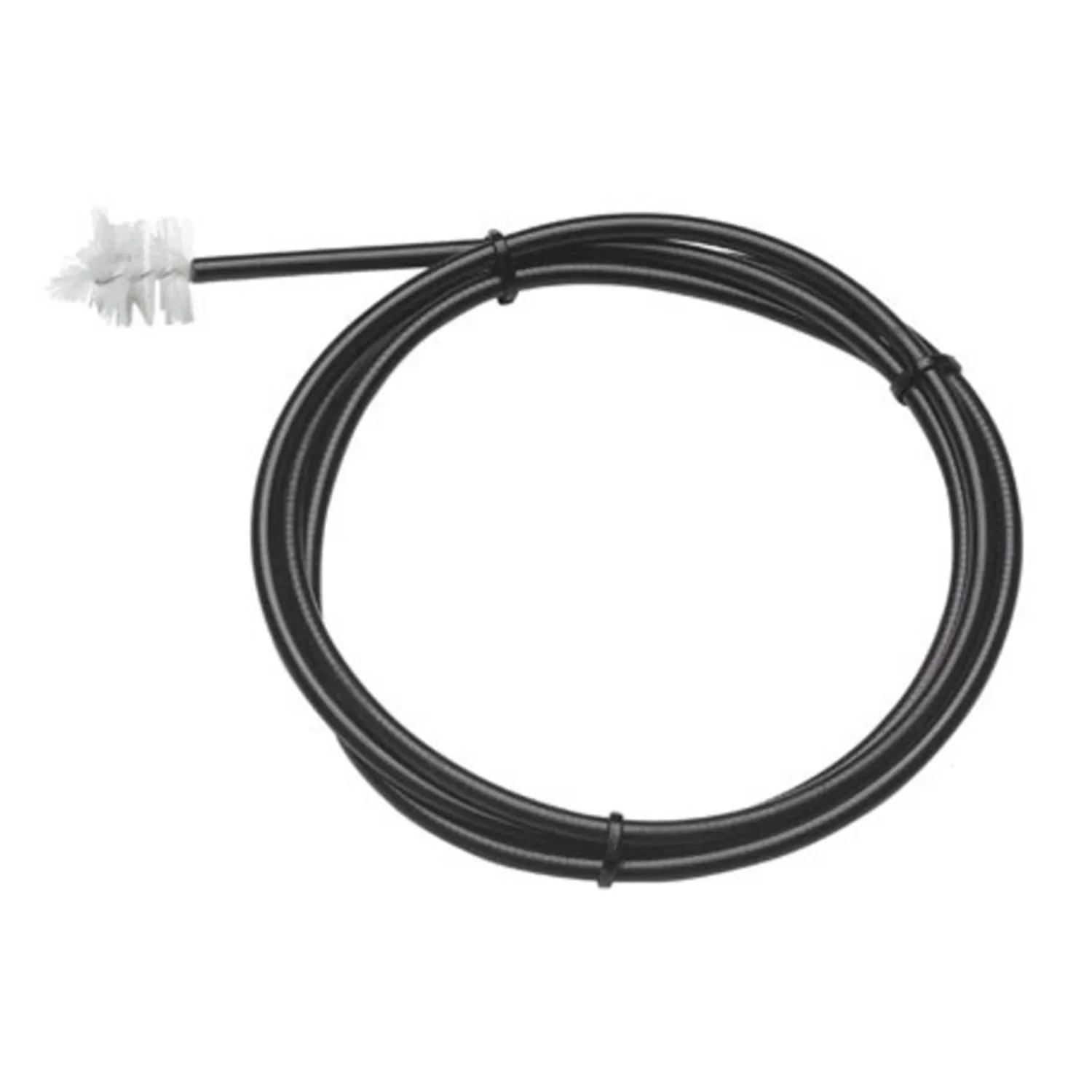
Alongside the large machines, it is often the small helpers that make everyday life on a building site easier. For thorough cleaning after the work, such as cleaning window sills, tiles or sanitary fittings, a robust (cleaning brush for drip tray) is hard to beat. It also reaches awkward corners.
Think about the time after the renovation too. A vibrant garden improves your quality of life. Feeding wild birds with suitable food from our range of wild bird food brings nature right outside your new window. A sturdy bird feeder is ideal for convenient feeding.
If you want to grow your own vegetables or herbs during the renovation season, a temporary solution using greenhouse film & mesh film can help protect young plants.
Conclusion: A Calculated Risk with Great Potential
Old house renovation is no walk in the park, but a demanding expedition. It requires courage, discipline and realistic planning. The reward is a house that matches your ideas exactly, whose value you have significantly increased, and where every nail you put in yourself becomes part of your personal story.
Go into the viewing with your eyes open, seek professional advice and make your decision based on figures, not dreams. Then a house in need of renovation can become a rewarding project for life.
Frequently Asked Questions
- How can I spot hidden renovation needs in an old house?
- Look for damp walls, musty smells, uneven floors and crumbling plaster. Check the condition and regulatory compliance of the electrical system and heating. A building surveyor can identify hidden problems such as timber damage or structural issues that a layperson might miss.
- What costs typically arise when renovating an older home?
- In addition to the obvious costs of painting and new flooring, you should expect major expenses for replacing the heating system, electrical wiring, windows and bathroom. Unforeseen structural damage or the removal of hazardous materials such as asbestos can push the budget beyond its limits.
- Can I carry out parts of renovating an older house myself?
- Yes, jobs such as painting, wallpapering, tiling and laying laminate flooring are manageable for people with good DIY skills. Electrical and water-based installations, as well as structurally significant work, must be left to a qualified professional. Always allow more time than you think you will need.
- What grants are available for renovating an older home?
- KfW supports energy-efficient renovations with low-interest loans and repayment subsidies. Some federal states and local authorities have their own programmes. Tax deductions for listed buildings may be available. Get advice before buying the property and starting any work.
- How long does a complete house renovation take?
- The duration depends heavily on the scope of the work. A full renovation with new utilities, heating and bathrooms can take six months to more than a year. Allow extra time for a shortage of tradespeople, supply chain delays and hidden damage. Having one area ready to move into provides greater planning certainty.
You may also be interested in
- Renovating a House: Your Complete Guide from Planning to Completion
- Living in a One-Euro House: Affordable Renovation and Design
- Renovating a Kitchen: Ideas for a Fresh New Look at Home
- Solar Panels for Your Home: Is the Investment Worth It?
- Planning a Bathroom Renovation: Ideas, Costs and Practical Tips
- Renovating an Older Home: How to Overcome the Biggest Challenges