
In brief: A soft cactus almost always indicates root rot caused by waterlogging. The plant is too wet, the roots suffocate and rot, and the tissue becomes mushy. You must immediately remove the cactus from its pot, cut away all rotten parts with a clean knife and let the cut surfaces dry. Only then should you repot it in dry, specialist cactus soil.
Cactus Going Soft: Causes and First Aid for Your Cacti
You touch your cactus and it feels spongy. Its once firm, plump structure has disappeared. This is a clear warning sign from your houseplant. We explain what is behind it and how to act correctly in an emergency.
Why is my cactus going soft?
Cacti are survival experts. They store water in their tissue, which should be plump and firm. If it becomes soft, the water storage tissue is damaged or the structure has collapsed. The causes almost always lie in the roots or the plant's immediate surroundings.
The most common causes are physical. They involve water, temperature and light. Pests are less often the direct cause of softness. They usually affect a plant that has already been weakened.
Waterlogging and root rot: The main enemy
This is the number one cause of death. Cacti need well-draining substrate and must never be left standing in water. If water remains in the pot or saucer, the roots suffocate.
Without oxygen, they begin to rot. The fungal infection spreads, making its way from the roots into the stem. Healthy tissue becomes mushy and brown. The plant can no longer absorb water, even though the soil is damp.
Important note
Water according to the conditions, not a schedule. Before watering, push a finger deep into the soil. If it still feels cool and damp at a depth of 2-3 cm, wait. When in doubt, waiting too long is better than watering once too often.
Wrong substrate: The hidden danger
Regular potting soil is a coffin for cacti. It is too fine, holds too much water and becomes compacted. The roots sit in a wet, oxygen-poor environment. Even careful watering will no longer help.
Cactus soil must be coarse and mineral-based. It allows water to drain away immediately and provides aeration. A high proportion of expanded clay, lava grit or pumice is essential. For the ideal environment for your plants, it is worth browsing our category for fabric manufacturers, which may also be relevant for cachepots and accessories.
Low temperatures and frost
Cold destroys the cell structure. Many cacti cannot tolerate temperatures below 5-10°C. If the plant is standing on a cold windowsill in winter or exposed to a draught, the cells can freeze.
The tissue becomes glassy, then mushy and dies. This damage is often limited to one area. It appears on the side facing the window. Frost causes the cells to burst completely and is usually fatal.
The resilience of cactus tissue depends directly on its turgor pressure. If this is reduced by a lack of water inside the cells, the plant becomes vulnerable to physical cell damage caused by cold.
How can I save a soft cactus? A step-by-step guide
Act immediately. Every day counts. Rot spreads quickly. These emergency measures may save your plant.
1. Carefully removing the cactus
Carefully remove the cactus from its pot. Tap the rim of the pot. Never pull on the plant. Gently shake off the old soil. Rinse the roots under lukewarm water to see their exact condition.
Check every root. Healthy roots are firm, pale and often whitish. Rotten roots are mushy, dark brown to black and smell musty. They come away easily when rubbed.
2. The radical cut
Take a sharp, disinfected knife. Cut away all rotten roots until you reach healthy tissue. If the rot has already spread into the stem, you must cut there too.
Cut away all soft, discoloured areas of the stem. Only firm, green tissue may remain. Be radical. A small healthy remnant has a better chance of survival than a large cactus that is partly rotten.
Pro tip
Disinfect the knife with rubbing alcohol between every cut. This prevents you from transferring fungal spores to healthy cut surfaces. Work on clean newspaper.
3. The drying phase
This step is crucial. Place the cut cactus in a warm, airy and shaded spot. Keep it out of direct sunlight. Allow the cut wounds to dry out and callus completely for several days.
A thin, hard crust must form. This callus protects against renewed rot and infection. Depending on the size and humidity, this process takes 3 to 10 days. Patience is now the most important part of your plant care routine.
4. A fresh home
Prepare a new, clean pot with a drainage hole. It should be only slightly larger than the remaining root system. Add a drainage layer of expanded clay, followed by special, DRY cactus soil.
Carefully place the cactus in the pot and fill it with soil. Press the soil down lightly. Do not water it under any circumstances. The dry soil encourages the plant to search for new roots.
Additional advice
After repotting, support a large, top-heavy cactus with small sticks or pebbles. This prevents it from tipping over in the loose soil and tearing off new roots. For stable structures around the home, find inspiration in baby furniture, which often prioritises a secure footing.
How can I prevent it? The right care for firm, healthy cacti
Prevention is easier than cure. With the right basic care, your cacti will stay firm and healthy.
The perfect location
Cacti need plenty of light. A south-facing window is ideal. In summer, they can also tolerate full sun outdoors, but they must be acclimatised gradually. Avoid draughty spots and cold windowsills in winter.
The room temperature should be between 18°C and 30°C. In winter, it can be cooler for a dormant period (10-15°C), but it should still be bright. Suitable wall décor with wall decals can create the perfect backdrop for your plant collection.
Watering correctly
Water thoroughly but infrequently. Let water run onto the soil until it drips out of the drainage hole. Then wait until the substrate has dried out completely.
In midsummer, this may be every 1-2 weeks. In winter, every 4-8 weeks. Use room-temperature, soft water. Leaving tap water to stand overnight reduces its limescale content.
Many cactus owners kill their plants with kindness—or rather, with water. Remember: in their native habitats, short periods of rain are followed by long, extreme dry spells. You should replicate this rhythm.
Choosing the right pot and soil
Terracotta pots are ideal. They are porous and allow moisture to evaporate. Plastic pots retain water for longer, so you need to water less often. In all cases, make sure the pot has a large drainage hole.
Only use specialist cactus soil. You can mix it yourself: two parts mineral material (lava grit, pumice, coarse sand) to one part humus-rich soil. A small but useful helper for many household tasks, including plant care, can be a simple Big Item such as a sturdy trolley for transporting soil and pots.
Practical sets are ideal for starting again or filling gaps in your collection. With the
, or you get six cacti in stylish mini ceramic pots. This gives you a fresh start with healthy, young plants, allowing you to put your plant-care knowledge into practice straight away.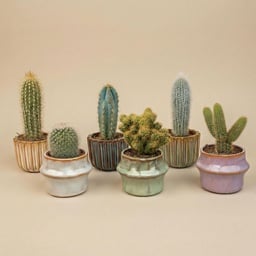


When is a soft cactus beyond saving?
Sometimes, it is simply too late to help. Look out for these signs so you do not waste time on a plant that has already been lost.
Rot has spread through the entire cross-section of the stem. If you gently squeeze the cactus and it feels like a mushy banana, the tissue is dead. The entire inside is brown and rotten, including the upper sections.
The plant separates from its roots. Lift the cactus and the stem remains in your hand without any resistance. Root rot has completely destroyed the connection. In this case, the only option is to remove healthy side shoots or “offsets” and root them.
Dispose of a lost plant and its soil in general waste, not on the compost heap. This prevents rot fungi from spreading. Clean the empty pot thoroughly with hot water and washing-up liquid. An intact sealing material such as the
can help you reseal pots and cachepots perfectly if you want to use them for other purposes.
With this knowledge, you can confidently assess the health of your cacti. A soft cactus is a serious warning sign, but it is not automatically a death sentence. By acting quickly and correctly, you give your plant a real chance of survival.
Frequently Asked Questions
- My cactus is soft but still green. Can I save it?
- Yes, as long as healthy, firm green tissue remains, there is hope. Remove it from its pot immediately. Cut away all mushy, brown or black parts of the roots and stem completely. Leave the cut surfaces exposed to the air for several days so they can fully callus over before planting the cactus in completely dry cactus soil. Do not water it for several weeks.
- How often should I water a cactus in winter?
- In winter, during its dormant period, most cacti need almost no water. Water only every 4 to 8 weeks, using just enough to prevent the roots from drying out completely. Keep the plant in a cool (approx. 10-15°C), bright location. Waterlogging during this period is the most common cause of death.
- What is the best soil for cacti?
- Use only special cactus soil. It is mineral-based, coarse-grained and extremely well-draining. Universal or potting soil retains too much moisture and causes root rot. You can mix your own soil using expanded clay, lava grit, pumice and no more than one third humus-rich material.
- Can a cactus get too much sun and become soft?
- No, sunburn appears as pale, yellowish or corky patches, not as softness. However, a soft cactus in summer may indicate heat build-up combined with excess moisture, for example in a dark pot on a south-facing windowsill. The roots overheat and rot more quickly.
- What are the first signs of root rot in a cactus?
- The first sign, which is often overlooked, is a halt in growth. The plant looks limp and loses its firm, plump appearance. The lower sections near the soil may turn slightly yellow. If you gently shake the plant, the cactus sits loosely in the soil because the anchoring roots have already rotted away.
You may also be interested in
- How to Soften Hard Water: The Right Way to Water Your Plants
- Mold in Potting Soil: Causes and Effective Solutions
- Bonsai Losing Leaves: Causes and First Aid
- How to Identify and Successfully Treat Plant Diseases
- Prevent Waterlogging: Healthy Plants in the Garden and in Pots
- Verticillium Wilt: How to Identify It, Prevent It and Save Affected Plants