
In brief: Choose the right camping stove by considering three things: fuel, how you plan to use it and the features you need. Gas stoves are convenient for car camping, while alcohol or multi-fuel stoves are better suited to backpacking trips. Pick a compact, lightweight stove for your pack or a high-output camping stove for family trips. Piezo ignition and a windscreen are handy features that make cooking easier.
Camping Stoves: How to Choose the Right One
Boil water for coffee in the morning sun or cook a hot meal after a long hike—a camping stove is at the heart of many outdoor adventures. With so many options available, choosing one can be tricky. This guide makes sense of the choices.
We’ll help you narrow down your options, starting with the most important decision.
How do I choose the right fuel for my camping stove?
Your choice of fuel shapes everything about your stove, from how easy it is to use to where you can find fuel. The three main options are gas, alcohol and multi-fuel stoves.
Canister gas stoves are a popular choice for car campers and families. They’re clean, easy to use and let you adjust the flame instantly. Propane canisters also work well in cold weather, while canisters containing only butane do not.
Alcohol stoves that use denatured alcohol are simple, durable and lightweight. Fuel is inexpensive and available in many parts of the world, making these stoves a good fit for backpackers and minimalists. They take more practice to use, and the flame is harder to control precisely.
Multi-fuel stoves burn different liquid fuels, such as gasoline, kerosene or diesel. They’re a versatile choice for expeditions and extreme conditions where gas may not be available. The technology is more complex, and cleaning takes more work.
In Europe, gas is my first choice because canisters are easy to find. For remote areas or winter trips, I use a liquid-fuel system with a bottle and hose. It works reliably even in sub-zero temperatures.
Gas stoves: convenient cooking on the go
Gas stoves such as the
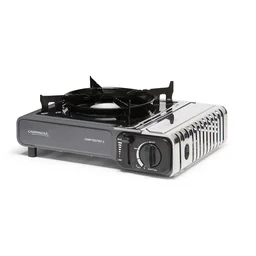
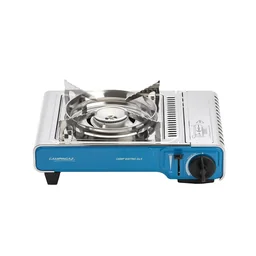
Output typically ranges from 1.500 to 3.000 Watt, which is enough for fast cooking. Look for a stable pot support, especially if you plan to use larger pots.
Important safety note
Never leave gas canisters in direct sunlight or in an overheated vehicle, where pressure can build up. Use the stove outdoors or under a well-ventilated shelter. Carbon monoxide is odorless and deadly.
Alcohol and multi-fuel stoves: for adventurous trips
These stoves offer more independence. Denatured alcohol is widely available, and alcohol stoves have few moving parts.
The drawback is the preheating step. You need to vaporize the fuel before a steady flame develops. This takes patience and can be fiddly in windy conditions.
Which type of stove suits my outdoor activities?
Your plans help determine which stove design is right for you. In general, you can choose between compact backpacking stoves and high-output cooking stoves for campsites.
For backpacking and bikepacking, every gram counts. Integrated systems and compact all-in-one stoves are ideal. They can melt snow or boil water for a single serving of pasta.
For car camping, van trips or family vacations, convenience comes first. You’ll want enough power to cook for several people using multiple pots. A stove with a wide base and a large burner is a good choice.
Products such as a 2-in-1 camping stove, for example the
, offer a flexible option. They often combine two burners or cooking functions.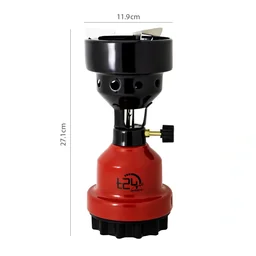
Many people underestimate how much space they need. Measure your pots and pans before buying, and make sure the pot supports can hold them securely. Few things are more frustrating than a wobbly pot on a stove that’s too small.
Compact stoves for trekking and backpacking
Small gas stoves that screw directly onto a canister and lightweight alcohol stoves are popular in this category. Packed size and weight are the main things to consider.
An output of 1.500 to 2.000 Watt is usually enough. You’ll want to conserve fuel and heat only small amounts at a time. A small canister has a limited burn time.
High-output stoves for families and campsites
For groups, you need more power. Stoves with 2.200 Watt or more, such as a high-output camping stove, bring large quantities of water to a boil quickly.
A large, sturdy steel pot support is essential. Two separate burners give you the most flexibility, letting you cook pasta and heat the sauce at the same time.
Pro tip
Use a windscreen. Even a light breeze can double cooking time and significantly increase gas use. You can buy a purpose-made windscreen, but a simple tarp or upright board can also make a big difference.
Which features matter in a camping stove?
Not every feature is essential for everyone, so choose the ones that suit your needs. Ignition is one feature that can make a big difference.
Piezo ignition, such as on , is convenient: just press a button. Make sure it is protected from moisture.
Built-in overheat protection is an important safety feature. It switches off the stove if the flame goes out while gas is still flowing, helping to prevent dangerous gas buildup.
The base and pot supports determine how stable a stove is. Galvanized or enameled steel, as used on the , resists rust. Folding supports save space.
Piezo ignition vs. manual ignition
Piezo ignition is convenient, but it can wear out over time. Always keep a lighter or matches in your outdoor gear. That way, you will be prepared if the spark fails.
Transport and storage
A carrying case, included with many models, protects the stove and keeps pots and canisters together. If there is no case, store the stove in a sturdy bag or box.
Clean the stove after every trip to remove grease and dirt. Clogged burner jets reduce performance. Store it in a dry place to prevent corrosion.
Additional advice
Plan for a backup. On longer trips or when traveling in a larger group, a second, smaller stove can come in handy. A simple canister stove such as is lightweight and affordable. It could save dinner if your main stove fails.
How should I prepare for my first use?
Test your new camping stove at home before your first trip. Get familiar with setting it up, lighting it and adjusting the flame.
Fill a pot with water and bring it to a boil. This will give you an idea of how long the stove runs and how much fuel it uses, helping you avoid unpleasant surprises outdoors.
Pack the right accessories, including a soap-free pot sponge, a small towel and perhaps a trivet to protect the table. Remember to bring a water supply or a filtration system.
The perfect packing list for an outdoor kitchen
- Camping stove (e.g. ) with enough fuel
- Lightweight cookware sets made of aluminum or stainless steel
- Dishwashing supplies and biodegradable dish soap
- Lighter or matches (even with piezo ignition!)
- Windscreen or improvised wind protection
- Water canister or bags for drinking water
With this basic kit, you will be prepared for most situations. Adjust your gear to the length of your trip and the size of your group.
Camping stoves compared: Three models for different needs
To put the theory into practice, let us look at three specific models from our range. They cover everything from basic to comfortable.
: The all-rounder with a carrying case
The Camp'Bistro 3 is a classic gas stove for campsites. With 2,200 watts of power and piezo ignition, it is easy to use. The enameled pot support is stable, and the included case protects the stove during transport. Ideal for families and car campers.
: The safety upgrade
The DLX version also offers overheat protection and a stainless steel insert for added safety and durability. It is ideal for anyone who values reliable technology and is often on the go.
/ : The compact two-in-one solution
The 2-in-1 camping stoves are extremely compact and versatile. They can serve as a main stove for solo adventurers or as a handy second or backup stove for groups. Simple, lightweight and easy to use.
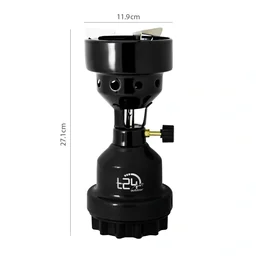
The choice is yours. Think about your personal preferences, typical group size and the kind of trips you take. With the right camping stove, every outdoor meal can be a highlight.
Browse our Garden + Outdoor category for more useful accessories. From the right tarp to practical storage solutions, you will find everything you need for your next trip.
Frequently Asked Questions
- Which is better for backpacking: a gas stove or an alcohol stove?
- For backpacking and keeping your pack light, alcohol or multi-fuel stoves are often a better choice. They do not rely on canisters, which can be difficult to dispose of during a trip. Alcohol stoves are simple and lightweight, and their fuel is available worldwide. Gas canisters are more convenient and offer more precise flame control, but empty canisters can be harder to transport.
- How many watts should a camping stove have for a family of four?
- For a family of four, a power output of 2,000 to 3,000 watts is recommended. This lets you bring water for pasta or rice to a boil quickly, even when you are using several pots at once. A stove with a large pot support, such as PRODUCT_93503, is ideal. A good power output is especially useful for boiling water quickly in the morning or evening.
- Can I use a gas stove in my tent or RV?
- No. Never use a gas stove in an enclosed space such as a tent, RV or travel trailer. It can produce life-threatening carbon monoxide (CO), an odorless gas. Always cook outdoors in a well-ventilated area. A rain cover or a sheltered spot is a safe alternative.
- What are the advantages of piezo ignition on a camping stove?
- Piezo ignition creates a spark without matches or a lighter. This is especially convenient in wind or rain, or when your fingers are cold. You can light the stove quickly and safely with the push of a button. Make sure the ignition is well protected from splashing water so it keeps working in damp weather.
- How should I dispose of empty gas canisters while camping?
- Empty gas canisters should not go in household trash. Return them to the retailer or take them to a designated collection point for pressurized gas containers. At campgrounds, ask about disposal options. Transport empty canisters safely, not in a hot car, and always dispose of them separately to protect the environment.
You may also be interested in
- Camping kitchen test & comparison 2026
- How to choose the right camping toilet: The ultimate guide
- Find the right tent: Tips for outdoor adventures
- Find the right wood-burning stove: Warmth and comfort
- Which grill is right for me? Our buying guide
- Refrigerator, stove, oven: Choosing the right appliances for your kitchen