
In brief: The best capstan winch for you depends on the job. For light to medium forestry work, compact models with a pulling capacity of up to 4 tons and a quick-release system are ideal. For heavy-duty work on steep slopes, look for a winch with 6+ tons of pulling capacity, sturdy steel construction and a powerful rope brake. Rope guidance, control layout and compatibility with your carrier vehicle are also key. Our comparison covers the pros and cons of the main designs.
A capstan winch is the centerpiece of efficient, safe log skidding. Unlike conventional forestry cable winches, its special drum design offers advantages in speed and ease of handling. But which model is right for you? Our 2026 capstan winch test and comparison examines the most important criteria and highlights the best machines.
Table of contents
What types of capstan winches are available?
Capstan winches differ in design and drive system. Your choice affects performance, compatibility and ease of use.
Hydraulically driven capstan winches
These are the standard for professional forestry. They draw power from the carrier vehicle's hydraulic system, usually that of a forestry tractor. Their main advantage is high, continuously adjustable power output. They run quietly and are extremely durable. Check your tractor's hydraulic capacity requirements.
Mechanically driven models
Mechanical capstan winches are driven by the PTO shaft. They are often a more affordable option for small businesses or lighter work. Power is transmitted directly, but is less finely adjustable than with hydraulic models. They work well for routine jobs on level ground.
Compact winches for mobile use
Small, lightweight capstan winches are a good fit for users handling smaller volumes of timber or switching between vehicles. They often provide enough pulling power for thinning or firewood harvesting. Their lower weight puts less strain on the tractor's attachments.
Tip: For versatile use in a medium-sized or large forestry business, a hydraulic capstan winch is a great choice. It offers an excellent balance of power, control and versatility.
The most important buying criteria, explained
Pulling capacity in tons is not the only factor to consider. Check these features carefully, too.
Pulling capacity and rope speed
Rated pulling capacity is the maximum force the winch can deliver for a short time. In practice, continuous pulling capacity matters more. Look for specifications such as "continuous pulling capacity at X bar". Rope speed affects how quickly you can work. A variable hydraulic valve lets you choose higher speed for lighter loads or greater pulling power at a lower speed for heavier loads.
Rope guidance and drum diameter
Proper rope guidance prevents tangles and improves safety. Well-designed models have machined or hardened guide rollers and a sturdy rope guide. Drum diameter determines how much rope the winch can hold. For long pulls on a steep slope, you need a large drum.
Mounting and compatibility
Make sure the winch fits your tractor. Check the mounting category (e.g. Cat. 2), the weight and the required hydraulic connections. An adapter kit can often solve compatibility issues. A winch is no use if you cannot mount it safely.
Capstan winches compared
Our comparison focuses on proven models for different performance classes. We look at their design, strengths and ideal applications.
Our most-reviewed capstan winches, compared side by side:
| Model | Customer rating | Availability |
|---|---|---|
| Transport case with pre-formed compartments for PCW3000, 47 x 37 x 32 cm | – | Currently unavailable |
| Forstmarker Eco Neon Green 500ml - forestry marking paint | – | Currently unavailable |
| Forstmarker Eco Neon Yellow 500ml - forestry marking paint | – | Currently unavailable |
| Fritz Göbel H84 plastic plug 1/2 inch - durable and reliable | – | Currently unavailable |
| Fritz Göbel slotted spray nipple 1/2 inch | – | Currently unavailable |
A suitable case is essential for safely transporting and storing accessories. The
has pre-formed compartments for a model such as the PCW3000, protecting sensitive parts from damage and dirt.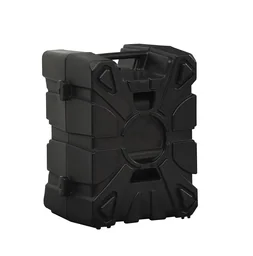
Warning: Never exceed the maximum pulling capacity specified by the manufacturer. Doing so can cause the rope, brake or mounting components to fail, posing a serious risk to you and those around you.
Safety comes first
Strict safety rules apply when operating a capstan winch. The equipment also includes important safety features.
<3>The role of the rope brakeA strong, mechanically operated rope brake is your most important emergency safeguard. It must hold the load securely, even at full pulling capacity. Overload protection systems help protect the mechanism by activating when the load is too high. Check the brake regularly for wear.
Safety clutches and emergency stop
Modern capstan winches often have a safety clutch that releases if the winch is jolted suddenly. An easily accessible emergency stop switch on the control panel or machine is essential. Check that all safety devices are working before each use.
Handling the steel cable correctly
Before each use, check the cable for broken wires, crushing or kinks. Replace a damaged cable immediately. Always wear gloves when handling the cable and keep a safe distance from the running winch. Never step over a cable under tension.
Care and maintenance for a long service life
A capstan winch is an investment. With proper care, it can perform reliably for many years.
Regular cleaning
Remove dirt, wood debris and moisture after every use. This helps prevent corrosion and keeps moving parts from seizing. Keep the rope guide and pulleys especially clean.
Lubricating moving parts
Lubricate all bearings, joints and the rope guide regularly with the lubricant recommended by the manufacturer. Grease fittings make this easier. Remember to lubricate the points on the attachment hitch, too. A well-lubricated machine runs more quietly and smoothly.
Hydraulic system maintenance
Check the hydraulic hoses regularly for cracks and signs of wear. Replace leaking connections immediately.
and are common hydraulic system wear parts and must be replaced if they start to leak. An annual service by a specialist is recommended.

Note: After the season, store your capstan winch in a dry, sheltered place. Release the brake and remove tension from the rope. A thin coat of oil on metal surfaces helps protect against rust.
How to use your capstan winch effectively
Knowing the theory is important, but practical experience matters in the woods. Here’s how to use your capstan winch efficiently.
Preparation and anchoring
Position your carrier vehicle on stable, secure ground. Choose a tree anchoring point high enough to keep the log from tipping upright. Use suitable forestry shackles and rigging equipment. Good preparation saves time and improves safety.
Techniques for different terrain
On level ground, you can work at a higher rope speed. On a steep slope, pull slowly and steadily, with the brake ready to engage immediately. Use standing trees as anchor points to redirect the pulling force and keep your vehicle out of the danger zone.
Working efficiently as a team
When operating a capstan winch, clear communication between the winch operator and the person assisting in the woods is essential. Agree on clear hand signals or use radios. The person assisting must never stand in the line of pull between the winch and the load.
Our conclusion: How to choose the right capstan winch
Choosing the right capstan winch means balancing performance, compatibility and budget. For daily professional use in agriculture and forestry, a powerful hydraulic capstan winch is hard to beat. Look beyond maximum pulling force and focus on build quality, safety features and ease of use.
A high-quality machine from a reputable manufacturer is a long-term investment that can pay off through reliable operation and less downtime. Pair your winch with suitable accessories, such as a carrying case, to help extend the life of all its components. If possible, try different models in real-world conditions. Ease of handling is key to working efficiently and, above all, safely every day.
Frequently asked questions
- What’s the difference between a capstan winch and a conventional forestry winch?
- A capstan winch uses a special capstan drive. Instead of winding the rope onto a drum, it pulls the rope over a rotating drum called a capstan. This allows for faster, more controlled rope retrieval, especially over long pulling distances, and reduces the risk of the rope jamming. Conventional winches, by contrast, wind the rope onto a fixed drum.
- What pulling capacity should my capstan winch have?
- The pulling capacity you need depends on the amount of timber and the terrain. For typical skidding work with up to around 1.5 solid cubic metres of timber on moderate terrain, 3 to 4 tonnes of pulling force is a good guideline. For heavy logs or work on steep slopes, choose at least 6 tonnes. Allow for a performance reserve so the winch doesn’t have to run continuously at its limit.
- Can I attach a capstan winch to any tractor?
- No. You’ll need to check that the winch is compatible with your carrier vehicle. Key factors include the required hydraulic performance (flow rate in l/min and operating pressure in bar), the three-point hitch category (e.g. Cat. 2) and the permitted gross weight. Available space at the rear and the strength of the attachment points also matter. A specialist dealer can provide expert advice.
- How important is a rope brake on a capstan winch?
- A reliable rope brake is an important safety feature. It holds the load securely when you stop or if the hydraulic system fails, preventing the rope from running back uncontrollably. Look for a sturdy mechanical brake that works reliably under full load and in wet conditions. Built-in overload protection also helps protect the mechanism.
- What maintenance does a capstan winch need?
- Regular maintenance can significantly extend the life of your winch. After every use, check and lubricate moving parts such as pulleys and joints. Inspect the rope for damage, and make sure the hydraulic connections are clean and leak-free. Have a specialist inspect wear parts, such as brake pads and bearings, annually.