
In brief: Create your dream bathroom by first analysing the available space and defining your personal needs. Then choose a consistent style, select functional, water-resistant furniture such as vanity units, and create enough storage space. Good lighting and the right accessories provide the perfect finishing touches.
Choosing Bathroom Fixtures: Create Your Dream Bathroom
You do not plan a new bathroom every day. It is an investment in comfort, value and everyday wellbeing. This guide takes you from your first ideas to installing the final towel rail.
We show you how clear planning, the right choice of materials and clever details can help you create a bathroom that suits you perfectly. It all starts with the most important question.
How do I start planning my new bathroom?
Start with a blank sheet of paper. Write down your wishes and the current situation. Who will use the bathroom? Do you need a bath, or is a spacious shower enough? How much storage space is needed?
Measure the room precisely. Transfer the dimensions to graph paper or use simple planning software. Mark windows, doors, existing pipes and the soil pipe shaft. These elements often cannot be moved.
Expert tip
Position the most important elements first: toilet, washbasin and shower/bath. Leave at least 60 cm of clearance in front of the fittings. A washbasin needs around 80-100 cm of width for comfortable use.
Think about the future. Are you planning for later life? Then a level-access shower and grab rails are sensible choices. Is your family growing? A washbasin with changing table can be practical.
Defining style and atmosphere
What feeling should your bathroom convey? A relaxing wellness retreat or an efficient, functional bathroom? Collect ideas and inspiration from magazines or online portals.
Choose a style-defining focal point. This could be a particular tile pattern, a wood tone or a sanitary fitting. Build your colour palette and materials around it. Limit yourself to two or three main materials for a calm look.
“Successful bathroom design always resolves a conflict: the one between necessary functionality and the desired sense of wellbeing. The art is to make the technology invisible while engaging the senses.”
Which bathroom furniture is right?
Bathroom furniture has to do more than just look good. It must withstand high humidity and occasional splashes of water over the long term. The choice of material is crucial.
High-pressure laminate (HPL) is extremely robust, scratch-resistant and easy to clean. Lacquered surfaces offer an attractive appearance but can be vulnerable if damaged. Solid wood requires first-class sealing.
Form follows function. A vanity unit with drawers is more practical than one with doors. You can see the contents immediately and reach them more easily. Special corner washbasins or vanity units are ideal for corners.
Important note
For wall-mounted furniture, always check the condition of the wall. Heavy loads such as filled vanity units require a solid, substantial wall or suitable reinforcement, such as a supporting panel.
You can also create storage upwards. Wall cabinets above the toilet or a tall mirror with an integrated medicine cabinet save space. Suitable solutions for a child-friendly bathroom can be found in the children’s furniture section.
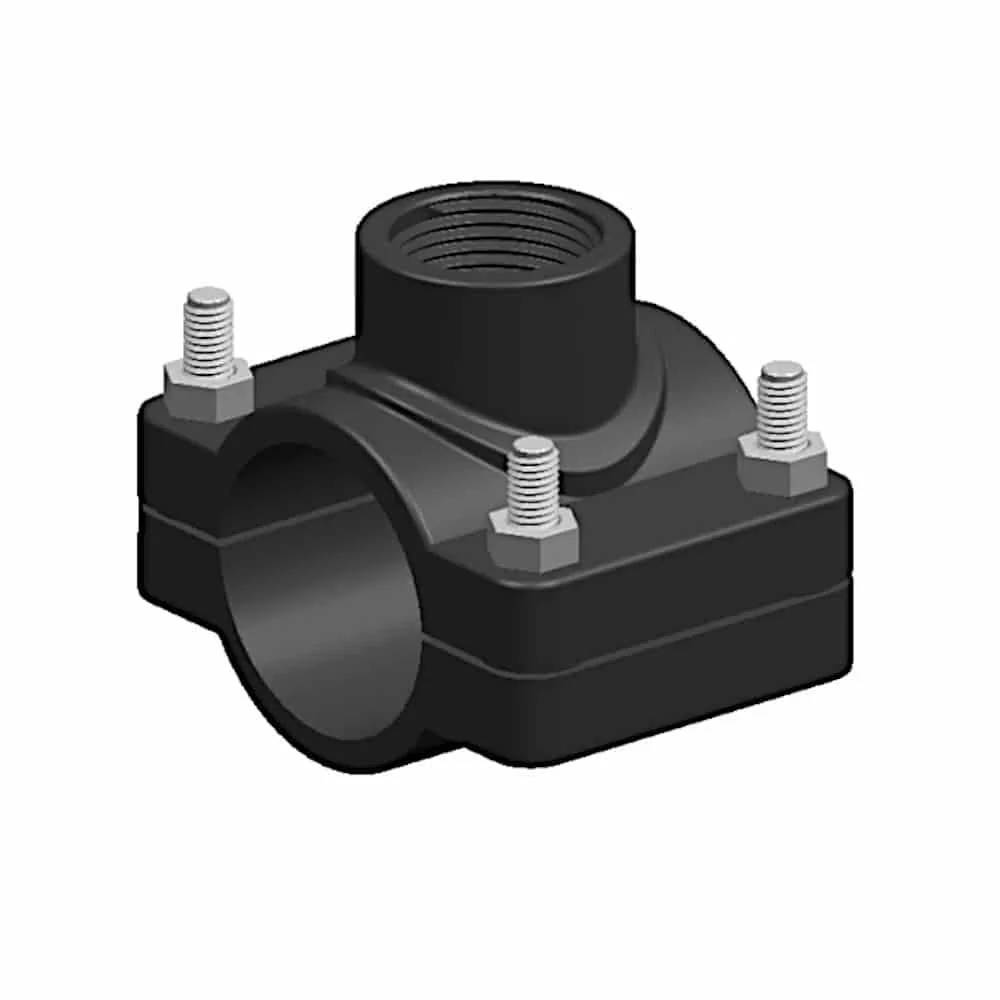
and are essential small parts for DIYers installing washing machine connections or other water pipes in the bathroom. They enable a secure, leak-free branch from existing pipes.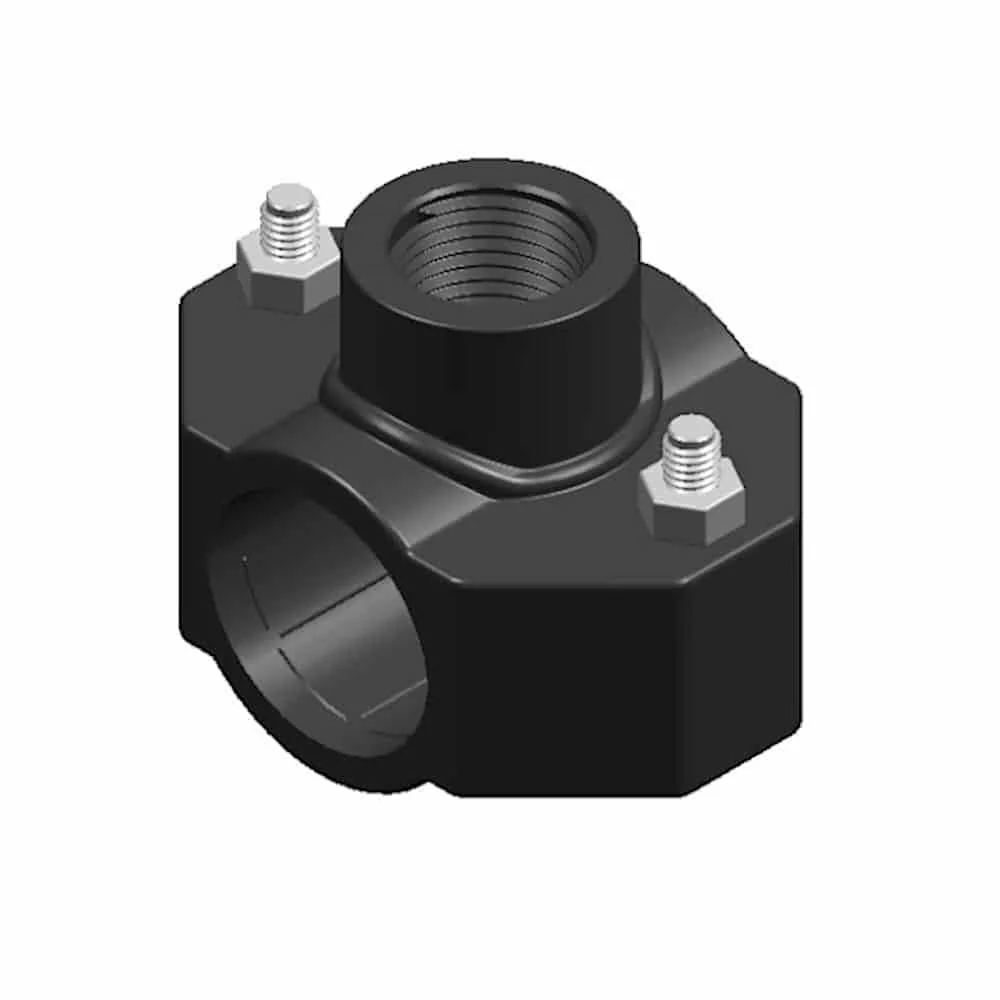
The challenge of choosing: washbasin and mirror cabinet
The washbasin is the centrepiece. Choose between a drilled basin (a basin with a tap hole), an undermount basin (a basin fitted beneath the worktop) or a washbasin with an integrated one-piece basin, which is easy to clean.
The tap should match the shape of the basin. A tall, swivel spout is practical. Consider whether a single-lever or two-handle mixer would be easier for you to operate.
The mirror should be at least as wide as the washbasin, and preferably wider. An illuminated mirror or a mirror cabinet with sockets inside is a major everyday benefit.
How do I create efficient storage?
There is no place for chaos in the bathroom. Well-planned storage creates a sense of calm. Categorise what you need to store: daily essentials (toothbrush, cream), weekly supplies (shampoo, towels) and rarely used items (spare bulbs, guest soap).
Arrange items according to how often they are used. Keep daily essentials within easy reach and supplies in higher or lower compartments. Use drawer inserts and dividers to stay organised.
Additional advice
Plan a small, ventilated cabinet or compartment for cleaning products. This keeps everything close at hand while storing the chemicals safely away from children and pets. A furniture dolly can serve as a mobile helper here.
Open shelving or a closed cabinet? Open shelves create an airy feel and are ideal for decorative towels or plants. For toothpaste tubes and jars of cream, closed cabinets are the tidier choice.
Do not forget the door! The inside of the bathroom or shower door is perfect for hooks or narrow shelves for bathrobes or towels.
Clever solutions for alcoves and corners
Every alcove is valuable storage space. Build narrow fitted cabinets into partition walls. An alcove in the shower replaces bulky shower caddies.
Cabinets with pull-outs make optimum use of depth. Corner cabinets with hinged doors make use of space that would otherwise remain unused. Similar space-saving principles also apply when furnishing a children’s room.
“Bathroom organisation begins with reducing clutter. Before planning new storage, sort through your belongings thoroughly. You need less space than you think. And empty surfaces are the most luxurious design element.”
What lighting creates the right accents?
Bathroom lighting needs to be versatile. General lighting illuminates the entire room evenly. Recessed ceiling lights with a high colour rendering index (Ra >90) are a good choice.
Mirror lighting is essential for applying makeup or shaving. The light should come from both sides of the mirror to avoid shadows on your face. A light strip above the mirror can complement this.
Add accent lighting. A dimmable spotlight above the bath creates an atmospheric setting. A waterproof recessed LED light in the shower enhances safety and comfort. Make sure you choose the right protection rating (IP44 for areas exposed to splashing water, IP67 for showers).
The role of accessories and textiles
Accessories are the finishing touch. Stick to one material theme, such as stainless steel or matt black. A set comprising a soap dispenser, toothbrush tumbler and pen holder creates a calmer look than individual items.
Towels add soft accents. Choose a quality that feels good and is absorbent. A heated towel rail or radiator with a towel dryer is a practical luxury.
A bath mat in front of the bath or washbasin keeps your feet warm and protects the floor. Choose one with a non-slip backing and washable materials.
What should you consider when putting your plans into practice?
The order in which the different trades work is fixed. After the structural planning, the water and wastewater installation work follows. Electrical cables are then laid and the screed is poured.
Only then does the tiler start work. The furniture and sanitaryware are installed at the end. Allow plenty of contingency time, as delivery times for bespoke furniture can be lengthy.
Don't forget ventilation. A damp bathroom develops mould. A window is ideal. If there isn't one, a powerful but quiet fan with a humidity sensor is essential.
Important note
All electrical installations in the bathroom must be carried out by a qualified professional in accordance with DIN VDE 0100-701. Strict safety regulations apply to the zoning (protection zones 0-2). Safety comes before design.
For furniture that you assemble yourself, practical aids such as a handle/system/furniture roller can make the job easier.
Care and durability
Proper care begins with choosing the right materials. Silicone joints should be checked regularly and replaced if mould develops. It is best to remove limescale from taps and glass using mild, specialist cleaners.
Avoid abrasive cleaning products on painted or high-gloss polished surfaces. Natural stone requires specific care instructions. A well-planned and well-maintained bathroom will remain beautiful and functional for many years.
Your dream bathroom is a retreat. With careful planning, quality materials and an eye for detail, you can create a room that brings you joy every day. Start collecting your ideas now.
Frequently Asked Questions
- How do I plan the ideal layout for a small bathroom?
- Make use of every corner in a small bathroom. A wall-mounted vanity unit saves space and creates an airy feel. A walk-in shower or a bath with an integrated shower combines functions. Light colours and large mirrors make the room appear bigger.
- Which materials are suitable for bathroom furniture?
- Choose water-resistant and easy-care materials. High-pressure laminate (HPL), painted solid wood or coated MDF boards are ideal. For vanity units, a water-repellent coating on the inside is essential to prevent moisture damage.
- How much does a complete new bathroom installation cost?
- Costs vary considerably. Basic complete solutions start at 3,000 Euro. Bespoke planning with branded appliances and high-quality materials can cost 15,000 Euro or more. Set priorities: invest in durable sanitaryware and save on accessories.
- How can I create more storage space in the bathroom?
- Make use of the height. Wall cabinets above the WC or washbasin provide storage space. Narrow shelves next to the mirror or in alcoves are practical. Vanity units with drawers instead of doors make access easier. Closed cabinets above the door provide storage for items you rarely use.
- Which lighting is useful in the bathroom?
- Combine different light sources. Use bright, glare-free ceiling lighting for the entire room. Mirror lights mounted on either side of the mirror or an LED mirror provide shadow-free light for shaving or applying makeup. Dimmable lights create a relaxing atmosphere.
You may also be interested in
- Designing a modern bathroom: How do I plan my dream bathroom?
- Building your own bathroom: Your guide to creating your dream bathroom
- Designing a luxury bathroom: Exclusive ideas for your home
- Planning a bathroom renovation: The ultimate checklist for your project
- Choosing the right washbasin for your bathroom
- Renovating a bathroom: Ideas, planning and costs at a glance