
In brief: Clean your dishwasher effectively by rinsing away grease and food residue with hot vinegar water and removing limescale with citric acid or special cleaners. Regular care with an empty hot cycle and by cleaning the filter and seals prevents odours and keeps the appliance performing well. For stubborn problems, professional cleaning tabs or replacing worn parts such as the drain hose can be worthwhile.
Why your dishwasher needs regular care
Your dishwasher works out of sight. It washes with hot water and powerful detergent. Even so, grease, food residue and, above all, limescale build up inside it. These deposits reduce its cleaning performance.
You may notice white streaks on glasses or a musty smell when you open the door. These are clear warning signs. Limescale clogs the spray-arm nozzles. Grease coats the inside of the machine.
A dirty dishwasher uses more energy. The heating elements have to work against the insulating layer of limescale. The pump has to work against restricted pipes. Regular cleaning saves electricity and water. It also extends the life of your appliance.
Preparation: What you need to do before cleaning
Make sure the machine is empty. Remove all dish racks. This gives you free access to every corner. Check the filter at the bottom of the dishwasher. It catches coarse food residue.
Clean the filter under running water. If necessary, use an old toothbrush to remove stuck-on particles. A clean filter is the basis for a properly functioning machine. It prevents blockages in the drain.
Pull out the lower dish rack. Behind it, you will often find the rinse-aid dispenser and the salt reservoir. These areas should also be wiped dry. Limescale and detergent residue can build up here.
How to remove grease and odours with home remedies
Grease is the main enemy. It settles on the walls, hoses and pump rotor. A simple home remedy is vinegar. Fill a cup with household vinegar. Place it upright in the upper rack.
Acetic acid reliably dissolves grease and disinfects at the same time. The correct dosage is important to avoid damaging materials. A splash in the wash cycle is completely sufficient.
Then start the most intensive wash cycle at the highest possible temperature. The vinegar evaporates and condenses on all the interior surfaces. It dissolves grease films and neutralises odours. After the cycle, wipe away any residue with a damp cloth.
Citric acid powder is an alternative. Add two tablespoons to the detergent compartment. Run a hot cycle without dishes. The acid removes limescale and dissolves grease at the same time. It leaves behind a fresh scent.
Important note
Never mix vinegar and baking powder or baking soda directly in the machine. Although the chemical reaction creates foam, it neutralises the cleaning power of both substances. Always use them in separate cleaning cycles.
Remove limescale effectively: Step-by-step guide
Limescale appears as a hard, white coating. It interferes with heat transfer and narrows water channels. You need an acidic product for descaling. Vinegar essence or citric acid are suitable.
Pour 200 ml of vinegar essence into a heat-resistant bowl. Place it in the upper rack as well. Start a short programme at 60 degrees. Pause the programme after half the running time for about 30 minutes.
This contact time is essential. It allows the acid to dissolve the limescale. After the pause, let the programme finish. Open the door and allow steam and odours to escape. Once the machine has cooled, wipe the loosened limescale from the walls.
For heavily scaled spray arms, remove them. Soak them in a bowl of diluted citric acid solution. Rinse them after a few hours. The nozzles will be clear again.
Which professional products make the job easier
Home remedies have their limits. Special products are better suited to deep, material-friendly cleaning. They contain carefully balanced acid blends and surfactants.
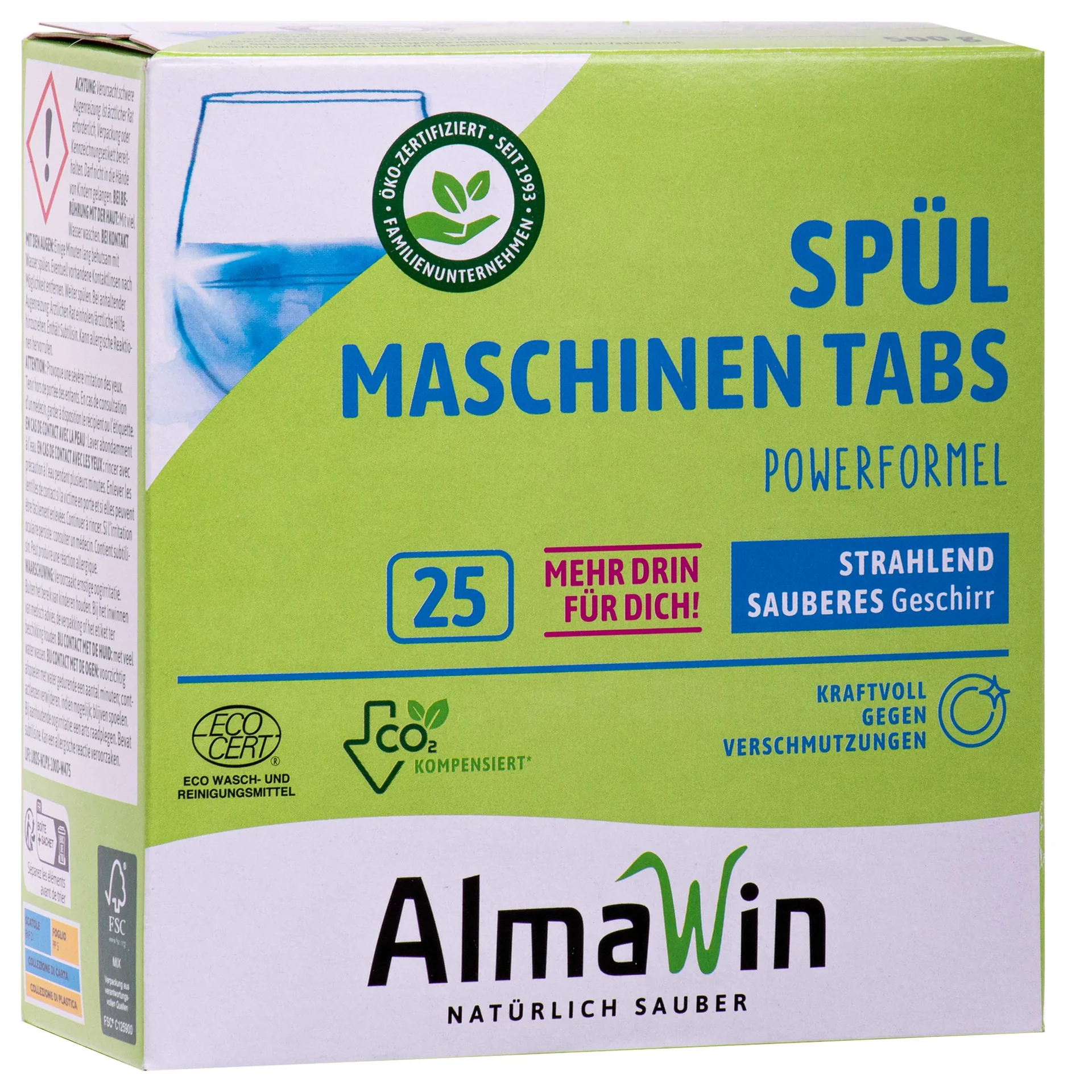
These tabs are designed for intensive cleaning. They dissolve grease and limescale at the same time. Place one tab inside the dishwasher, not in the detergent compartment. Start the hottest programme without a pre-wash. The result is a hygienically clean appliance.
A clear drain hose is essential for maintaining the wastewater system. Blockages here are a common cause of odours and backflow.
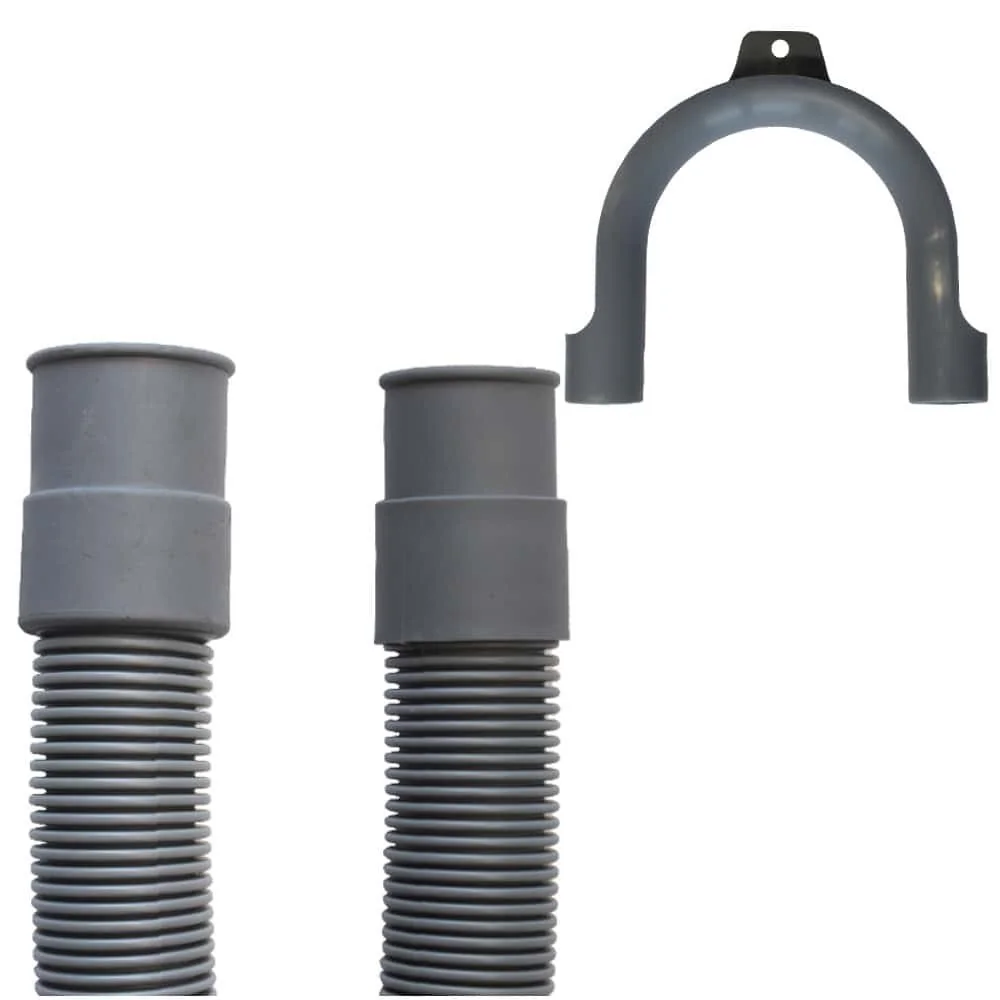
An intact hose ensures that dirty water drains quickly. Check regularly that the hose is installed without kinks. Replacing it after several years helps prevent leaks.
Pro tip
Clean the door seals regularly with a cloth soaked in vinegar water. Moisture and food residue collect here and encourage mould growth. Dry the rubber seals thoroughly after cleaning.
The most common problem areas and how to solve them
Not every area is easy to reach. The door edge is a weak spot. Crumbs and liquids collect here. Use a damp cotton swab or a soft brush for cleaning.
The spray-arm nozzles become blocked by limescale or foreign objects such as cherry stones. Carefully clear the holes with a toothpick. Turn the arms by hand to check that they move freely.
The area around the door-lock latch is often neglected. Residue also builds up here. A damp microfibre cloth removes it reliably. Make sure cutlery baskets are stored dry between wash cycles.
A clean dishwasher is not a luxury but a basic requirement for hygienically clean dishes. Regular maintenance of simple components such as the filter and spray arms has the greatest effect on the result.
Special brushes are particularly useful for cleaning hard-to-reach areas. In our Garden + Outdoor range, you will often find robust accessories that can also be used around the home. For general household care, it is worth browsing our maintenance supplies.
Preventive measures for long-term cleanliness
Rinse off large food scraps before loading the dishwasher. This takes a great deal of strain off the filter. Use dishwasher salt regularly, even when using all-in-one tablets. It regenerates the machine’s water softener and prevents limescale deposits on the heating element.
Leave the dishwasher door slightly ajar after the programme has finished. This allows residual moisture to escape, preventing mould and musty odours from developing. A dry interior is the best defence against bacteria.
Run a hot cycle without dishes every four to six weeks. Use either a home remedy or a professional dishwasher cleaner. This routine keeps the system in good working order. You can also find more practical helpers for a clean home in the Sanitary + Irrigation category.
Additional advice
Check your dishwasher’s drain hose every few months for kinks or cracks. A blocked or incorrectly positioned hose can cause backflow and unpleasant odours. Make sure it is installed at the correct height to ensure trouble-free drainage.
When home remedies are no longer enough
Persistent problems can develop despite regular maintenance. A lasting foul odour may indicate a blockage in the drainage system. Home remedies are often no longer sufficient in such cases.
You may need to check the drain hose or inspect the pump for foreign objects. Special tools can be useful for cleaning small valves and taps, such as those also found in dishwasher technology.
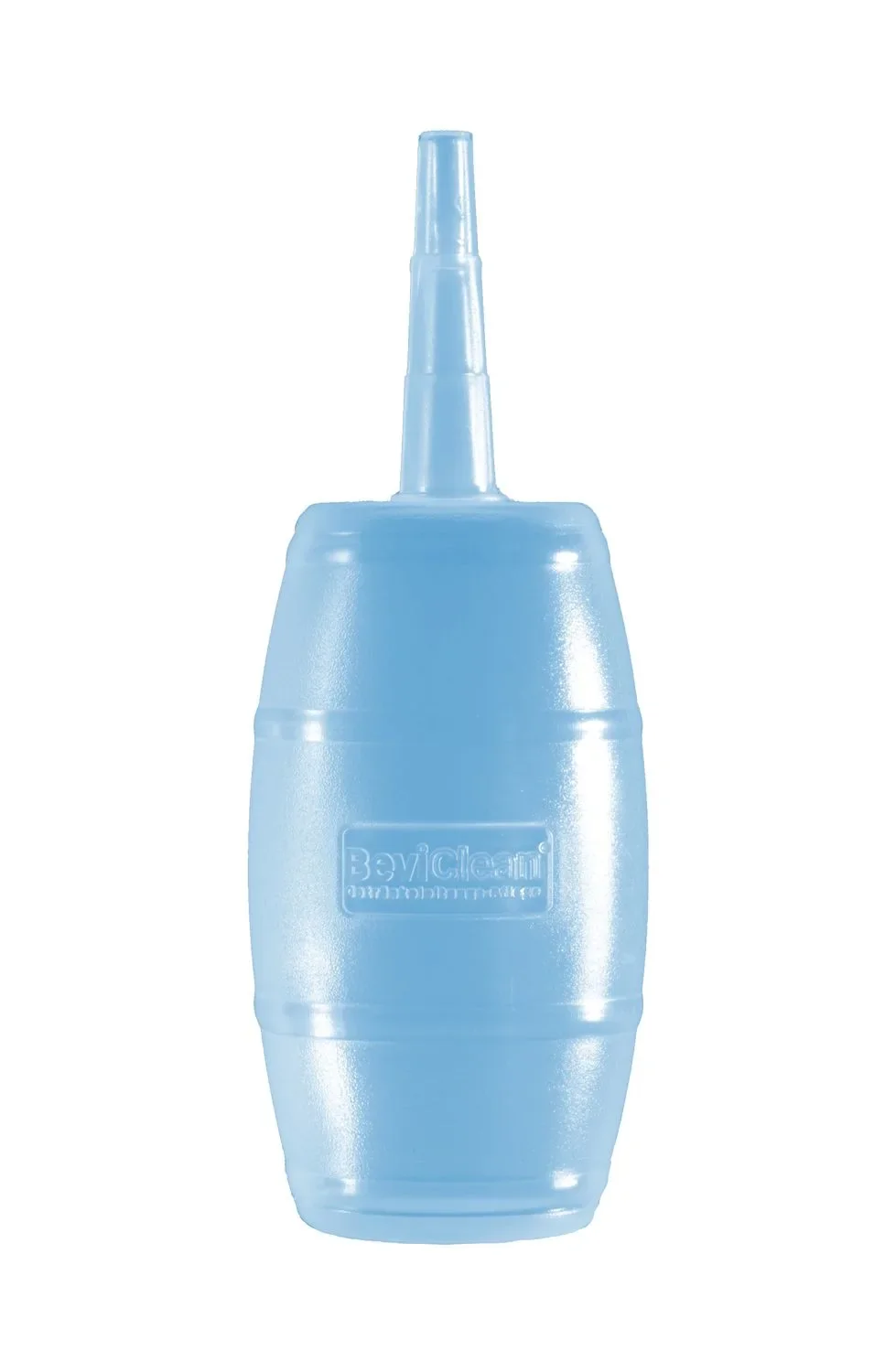
This air pump generates pressure to clear blockages in narrow pipes. A similar principle can help with blocked dishwasher drains. You can also find suitable items for all household cleaning and maintenance tasks in the extensive garden tools section or among the power tools.
If the dishwasher still no longer dries or cleans properly despite all these measures, there may be a fault. Overheating caused by scaled-up heating elements is a common consequence of inadequate descaling. Prevention is always cheaper than repair.
The right finishing touches after cleaning
After intensive cleaning or descaling, run the dishwasher through a short cycle without detergent. This removes any remaining acid residue. Then refill the dishwasher salt and rinse aid compartments.
Wipe the door and front with a mild all-purpose cleaner. This will leave the entire appliance shining. Put the cleaned racks and filters back in place. Your dishwasher is now ready for the next load of perfectly clean dishes.
Establish a regular cleaning routine. Write the date of the last cleaning on the dishwasher door with a water-soluble pen. This helps you keep track. A well-maintained dishwasher is a reliable helper for many years.
Investing a few minutes in regular maintenance saves time, money and hassle. You can enjoy sparkling clean dishes and the peace of mind that everything in your kitchen is hygienically clean. It is best to start your first cleaning cycle today.
Frequently Asked Questions
- How often should I clean and descale my dishwasher?
- Clean the filter and seals every two weeks. A thorough cleaning and descaling with vinegar or lemon is recommended every one to two months. If you have very hard water or use the dishwasher heavily, increase the frequency to once a month.
- Can I put baking powder and vinegar in the dishwasher at the same time?
- No. This is not recommended. The chemical reaction neutralises the cleaning effect of both home remedies. Use baking powder or bicarbonate of soda separately to neutralise odours, and vinegar or citric acid in a later cycle for descaling.
- Why does my new dishwasher smell unpleasant despite being cleaned?
- A musty smell is often caused by grease and food residue in the drainage system or filter. Check the drain hose for blockages and clean the fine filter thoroughly. An appliance that remains damp and dirty for a long time can also encourage mould to form on the seals.
- Can home remedies such as vinegar damage my dishwasher?
- Undiluted household vinegar can damage seals and metal parts over time. Dilute it heavily with water or use a gentle specialist cleaner such as citric acid powder. For regular maintenance, professional dishwasher cleaning tablets are the safer choice.
- Which parts of the dishwasher should I clean besides the filter?
- Clean the spray arms and their nozzles regularly to remove limescale deposits. Wipe the door seal with a damp cloth and remove food residue from the door fold. The rinse aid compartment and salt reservoir should also be cleaned occasionally.
You might also be interested in
- Clean your dishwasher: Home remedies & tips for cleanliness
- Clean your washing machine: How to keep it hygienic & odour-free
- Clean & descale your coffee machine: The ultimate guide
- Protect your dishwasher: How 13-in-1 tablets combat limescale & odours
- Make the most of your dishwasher: Cleaning tips for more than dishes
- Descale your shower head: How to make it sparkling clean again