
In brief: Clean your refrigerator coils at least once a year to reduce energy use by up to 30 %. Dust and dirt on the coils prevent heat from escaping, forcing the compressor to work harder and raising your electricity bill. Cleaning them with a vacuum and brush takes just 20 minutes and can significantly extend your appliance’s lifespan.
Contents
- Why are clean refrigerator coils so important?
- How can I tell when my refrigerator coils need cleaning?
- Step-by-step guide: How to clean your refrigerator coils
- How often should I clean my refrigerator coils?
- What are the long-term benefits of regular maintenance?
Your refrigerator is one of the quiet heroes of your home. It works day and night to keep your food fresh. But that constant operation comes at a price, especially on your electricity bill. One often overlooked but crucial factor in energy use is the condition of the coils and vents behind or underneath your refrigerator. A thick layer of dust can turn your appliance into an unnecessary energy hog.
The good news is that simple, regular cleaning can lower your costs and help your refrigerator last significantly longer. You only need a few minutes and some basic tools. This guide shows you how to complete this important maintenance task quickly and effectively.
Why are clean refrigerator coils so important?
To understand why clean coils matter, it helps to know the basic principle behind a refrigerator. The appliance removes heat from inside and releases it into the surrounding air. This heat exchange happens at the condenser coils, a system of thin tubes and fins usually located at the back or underneath the appliance.
Think of these coils like your car’s radiator. When dust, pet hair and dirt clog the coils and the protective grilles in front of them, they create an insulating layer. Heat can no longer escape efficiently. The compressor, the heart of the cooling system, then has to work harder and longer to maintain the desired temperature inside. That extra effort directly increases your electricity use.
Neglected refrigerator coils can lead to several problems. In addition to increasing electricity costs by up to 30 %, the constant strain causes more wear on the compressor. This is one of the most common causes of premature appliance failure, which can make an expensive repair or replacement unavoidable.
The Federation of German Consumer Organizations recommends dusting the cooling fins at the back of the appliance at least once a year to reduce electricity use.
A thick layer of dust combined with heat from the compressor can also pose a potential fire risk, although this is rare. Regular maintenance helps you save money and keep your home safe.
How can I tell when my refrigerator coils need cleaning?
Your refrigerator gives you clear signs when its ventilation is blocked. You just need to know what to look for. A quick inspection every few months can help you decide when it needs cleaning.
The clearest signs are visual. Shine a flashlight at the back or underneath the front of your refrigerator. Can you see a gray, fluffy layer of dust, cobwebs or pet hair on the grille bars? Then it’s time to clean it.
Pay attention to the noise, too. Does your refrigerator’s compressor run almost constantly? A properly working appliance cycles off regularly once it reaches the target temperature. Continuous operation is a clear sign that the system is overloaded and can’t get rid of heat.
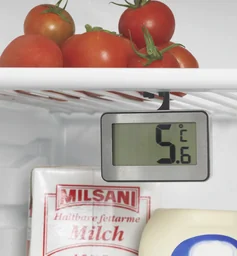
Another sign is excessive heat. Feel the sides or back of the refrigerator. If these surfaces feel unusually warm or even hot, that’s a warning sign. The appliance may be struggling to release heat. Its cooling performance may eventually drop, too. If your drinks aren’t properly chilled or food spoils faster, check the temperature with a thermometer such as the Digital Refrigerator Thermometer . If it consistently reads above the set temperature, blocked airflow could be the cause.
Important note
Always unplug your refrigerator before cleaning it. This prevents electric shock and ensures the appliance can’t start while you’re working.
Step-by-step guide: How to clean refrigerator coils
Cleaning the condenser coils is easier than it sounds. Set aside around 20 to 30 minutes. With the right preparation and tools, you can get the job done quickly.
1. Preparation: Safety and access
The first and most important step is safety. Disconnect the refrigerator from power by unplugging it. Then carefully move the appliance away from the wall to access the back. Place an old towel or piece of cardboard underneath to protect the floor from scratches. Ask for help if the appliance is heavy.
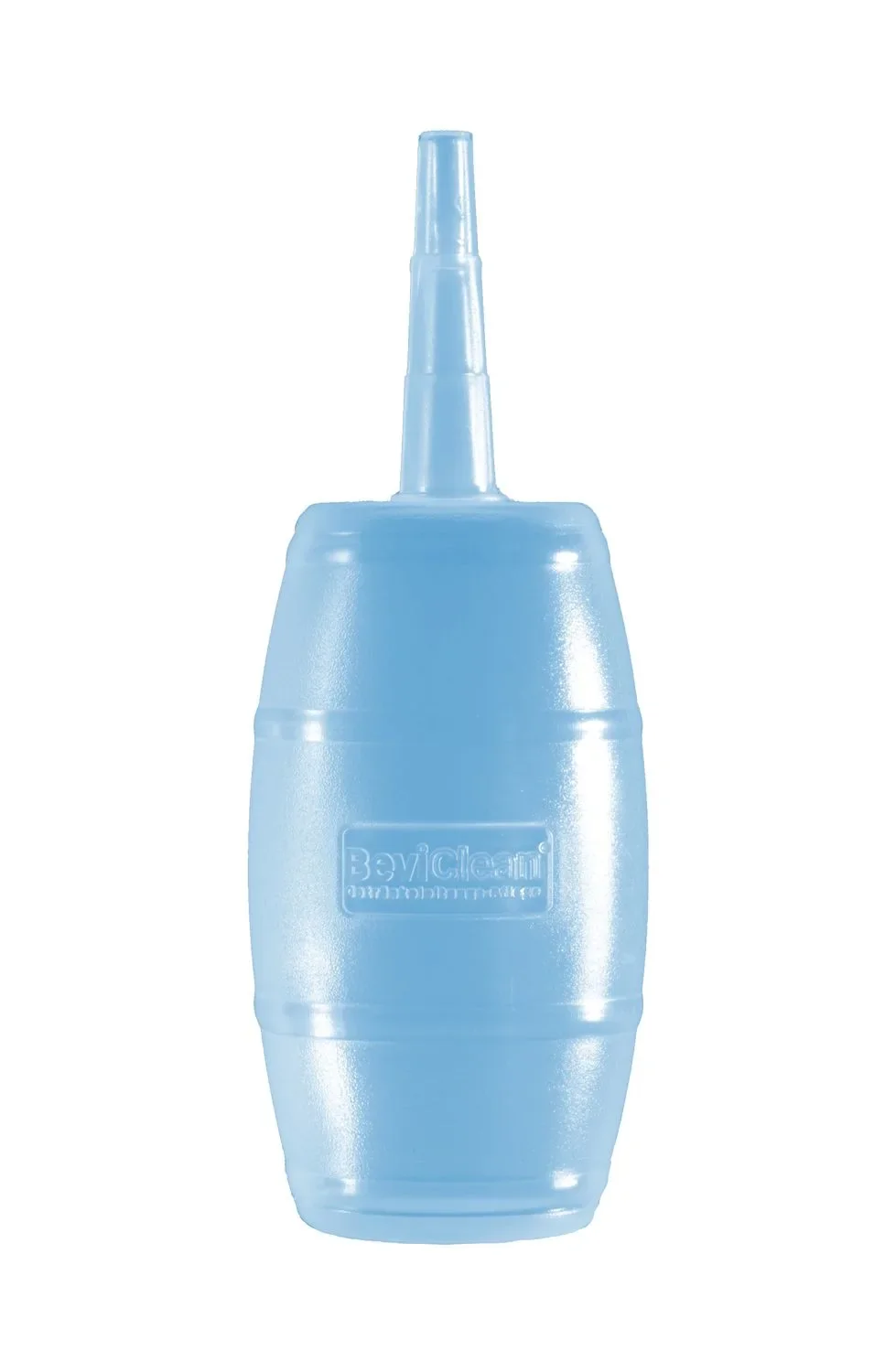
Gather your tools. You’ll need a vacuum with a brush attachment, a long, flexible coil-cleaning brush (a bottle brush often works, too) and a damp cloth. A small air blower can help with hard-to-reach corners, such as the beer tap cleaning bellows , to blow dust out of specific areas.
2. Cleaning: Removing dust and dirt
Start with the vacuum. Carefully use the brush attachment to remove loose dust, lint and cobwebs from the grille bars and the entire back of the appliance. Move the brush slowly so it picks up the dust instead of simply stirring it up.
Next, use the coil brush. Carefully guide it between the fins and tubes of the condenser coils. Move it gently back and forth and from top to bottom to loosen stuck-on dirt. Take care not to bend the delicate fins. Repeat until no more dust falls from the coils.
Pro tip
For especially stubborn or hard-to-reach dust, use a hair dryer on the cool setting. Direct the airflow toward the coils to blow dust out. At the same time, hold the vacuum nozzle next to it to collect the loosened dirt right away.
3. Finishing up: Cleaning and positioning
Vacuum up all the loosened dirt from the floor and appliance components. Wipe the back of the refrigerator and the floor with a damp cloth. Many refrigerators have a condensate drip pan near the compressor. Check whether it’s dirty, then remove, empty and clean it.
Move the refrigerator back into place, leaving enough space between it and the wall. Most manufacturers recommend 5 to 10 centimetres so air can circulate freely. Plug the appliance back in. You may notice that the compressor cycles less often after cleaning.
How often should I clean my refrigerator vents?
There is no fixed rule for every household, but a good rule of thumb is to clean them at least once a year. This schedule is sufficient for most homes to prevent excessive dust buildup and keep the appliance running efficiently.
In some households, more frequent maintenance makes sense. Do you have pets such as dogs or cats? Their hair gets pulled in by the refrigerator's airflow and can clog the grilles very quickly. In this case, check and clean them every six months.
A particularly dusty home, for example because of a nearby construction site or a location on a busy road, also calls for a shorter cleaning interval. The same applies to kitchens where a lot of frying takes place. Grease particles in the air can combine with dust to form a sticky layer that is difficult to remove.
Additional advice
Make refrigerator maintenance part of your routine. Put a set date in your calendar, for example in spring and fall alongside your seasonal house cleaning. This way, you won't forget this important task.
What are the long-term benefits of regular maintenance?
The 20 minutes you spend cleaning the ventilation grilles pay off several times over. The benefits go far beyond a clean back of the appliance and have a direct impact on your finances, comfort, and the environment.
The biggest benefit is direct energy savings. A clean condenser works more efficiently and significantly reduces electricity consumption. Over the course of a year, you could save between 30 and 50 euros, depending on the appliance and how dirty it is. This saving more than makes up for the small amount of effort involved.
An iced-up freezer compartment or a dusty ventilation grille can increase a refrigerator's energy consumption by 10 to 20 percent.
Another key benefit is extending the appliance's lifespan. The compressor is the most expensive and important component of your refrigerator. Protecting it from overheating caused by trapped heat reduces wear and helps prevent premature failure. Regular cleaning can extend the life of your appliance by several years.
You also benefit from better and more consistent cooling performance. Your food stays fresh longer because the refrigerator reliably maintains the set temperature. This helps reduce food waste. With a thermometer such as the Digital fridge thermometer (), you can keep it under control.
In summary, cleaning the ventilation grilles is one of the most effective and easiest ways to keep your household appliances in good working order. Find the right tools for this and other maintenance tasks in our extensive range of operating supplies, or browse our power tools for powerful helpers. It's a small investment of time that pays off in the long run.
Frequently Asked Questions
- How often should I clean my refrigerator's ventilation grilles?
- At least once a year. If you have pets or live in a dusty environment, check the grilles every six months and clean them as needed. Regular cleaning prevents excessive dust buildup and keeps your refrigerator running efficiently.
- What tools do I need to clean refrigerator coils?
- You need a vacuum cleaner with a brush attachment and a long, narrow brush (condenser brush or bottle brush). A cloth and, optionally, a small air blower for hard-to-reach areas are also helpful. Be sure to unplug the refrigerator before you begin.
- Where are the ventilation grilles on my refrigerator?
- On most freestanding models, the grilles and the condenser coils behind them are located on the back. On built-in refrigerators, they are often at the bottom behind a toe-kick panel or, less commonly, at the top. Check your appliance's owner's manual for exact details.
- Can cleaning refrigerator coils really save me money?
- Yes, significantly. A heavily dust-covered ventilation grille can increase electricity consumption by up to 30%. For an average refrigerator, that could add up to 30 to 50 euros or more over the course of a year. The small effort pays off directly on your electricity bill.
- Is it dangerous to clean refrigerator coils?
- No, as long as you follow the most important safety rule: unplug the refrigerator before any cleaning work. The condenser coils may be warm, but not hot enough to cause burns. Proceed carefully to avoid bending the delicate fins.